 home33 mi1 / 44Photo 1 of 44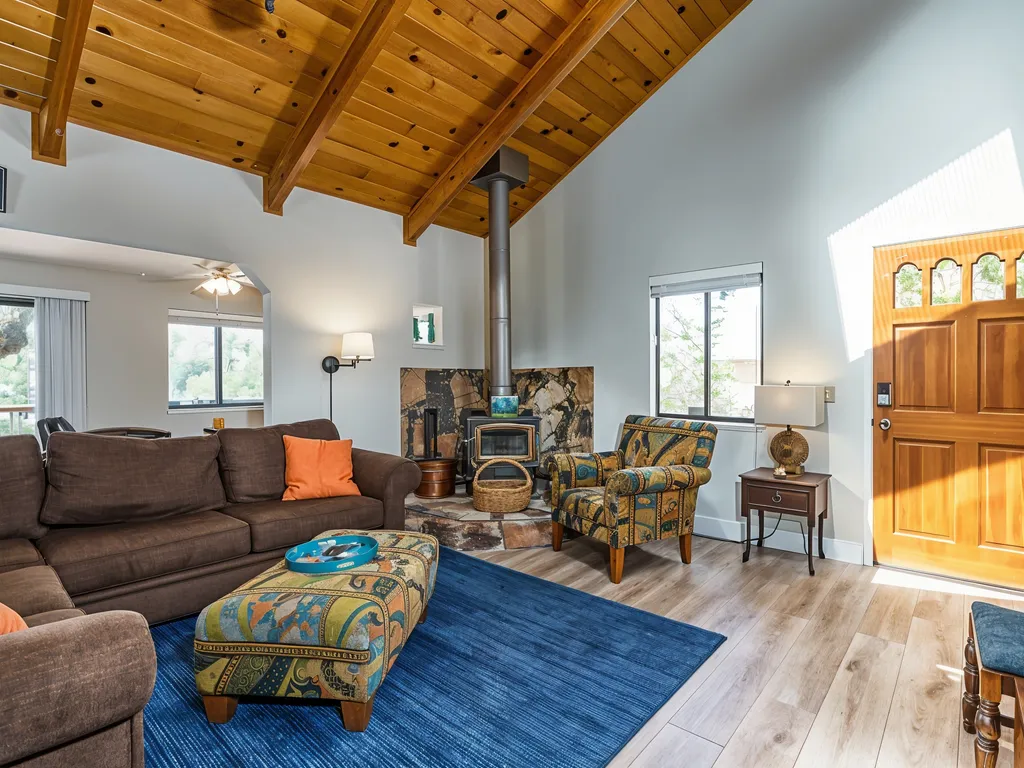
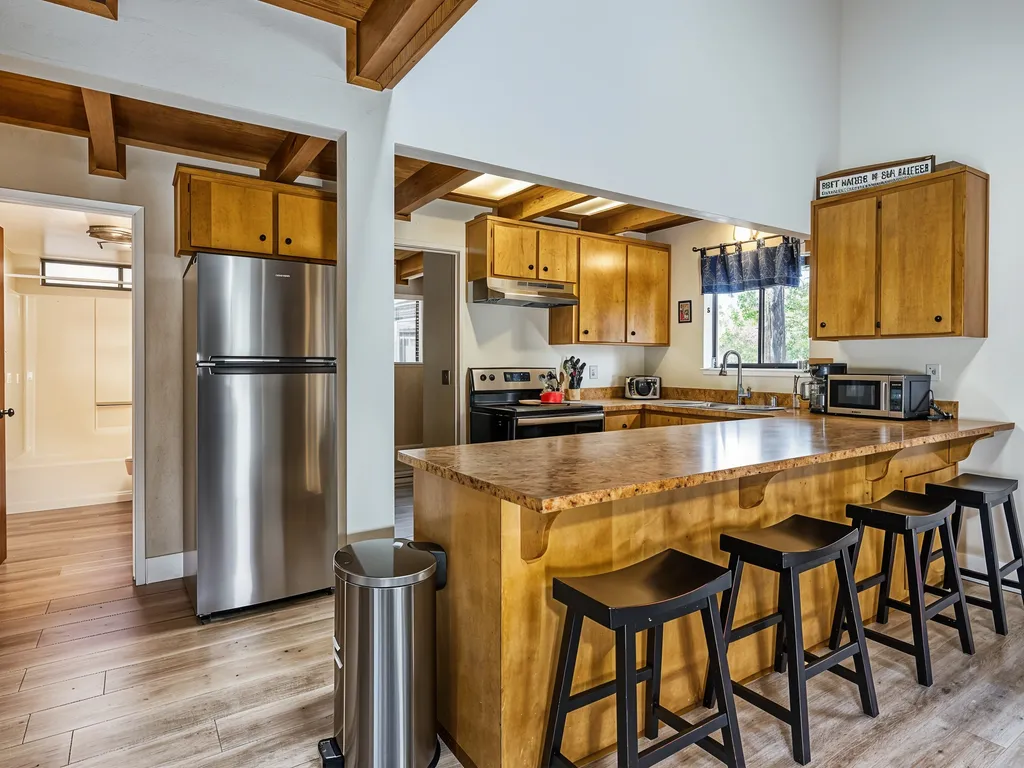


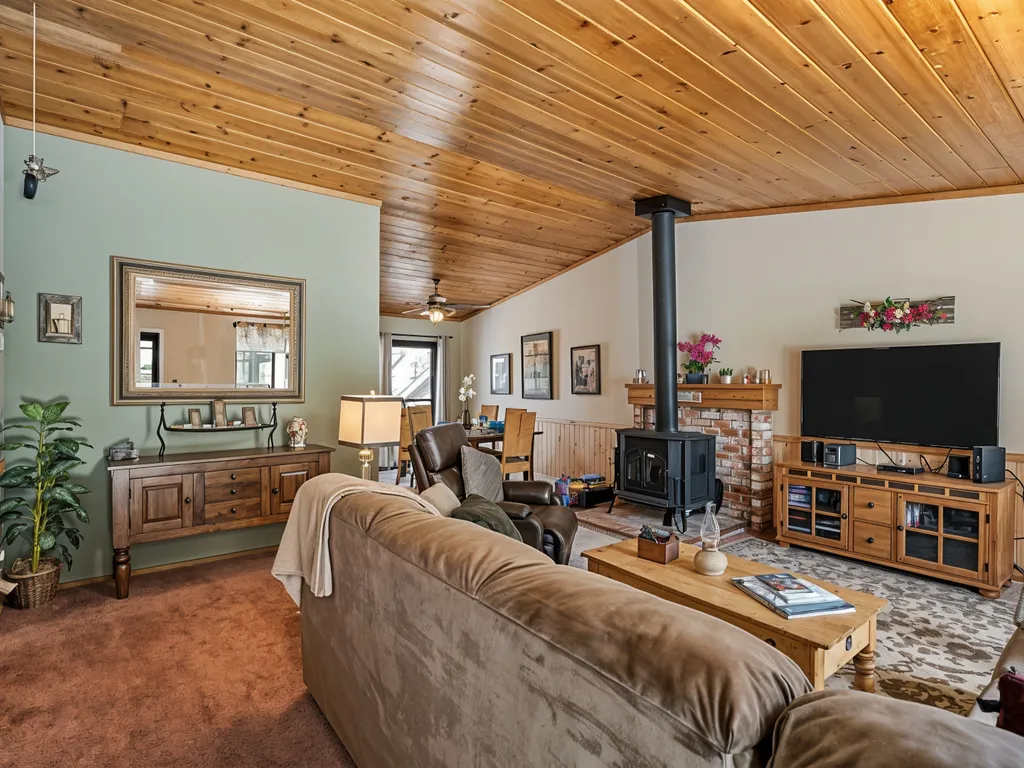
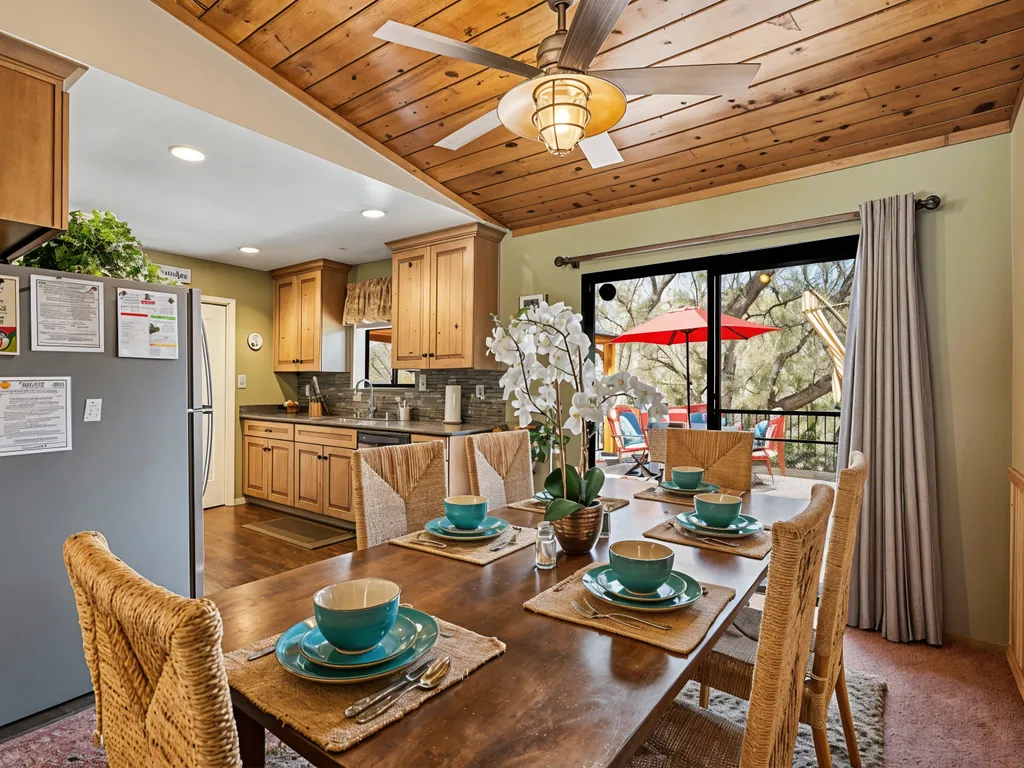
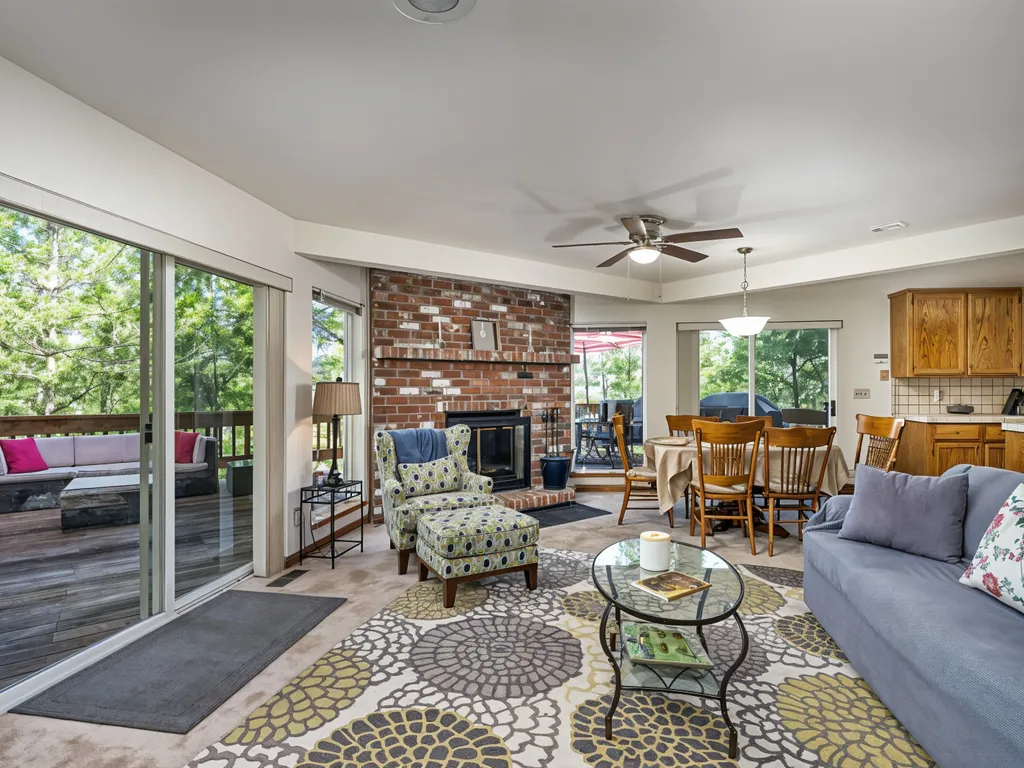
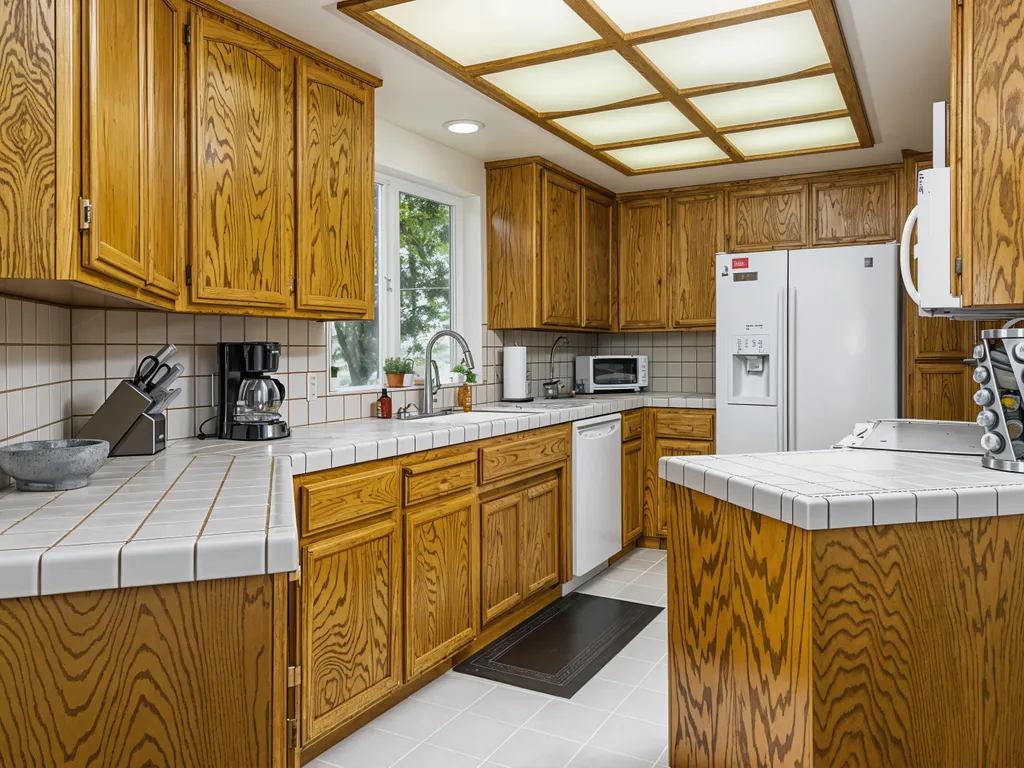
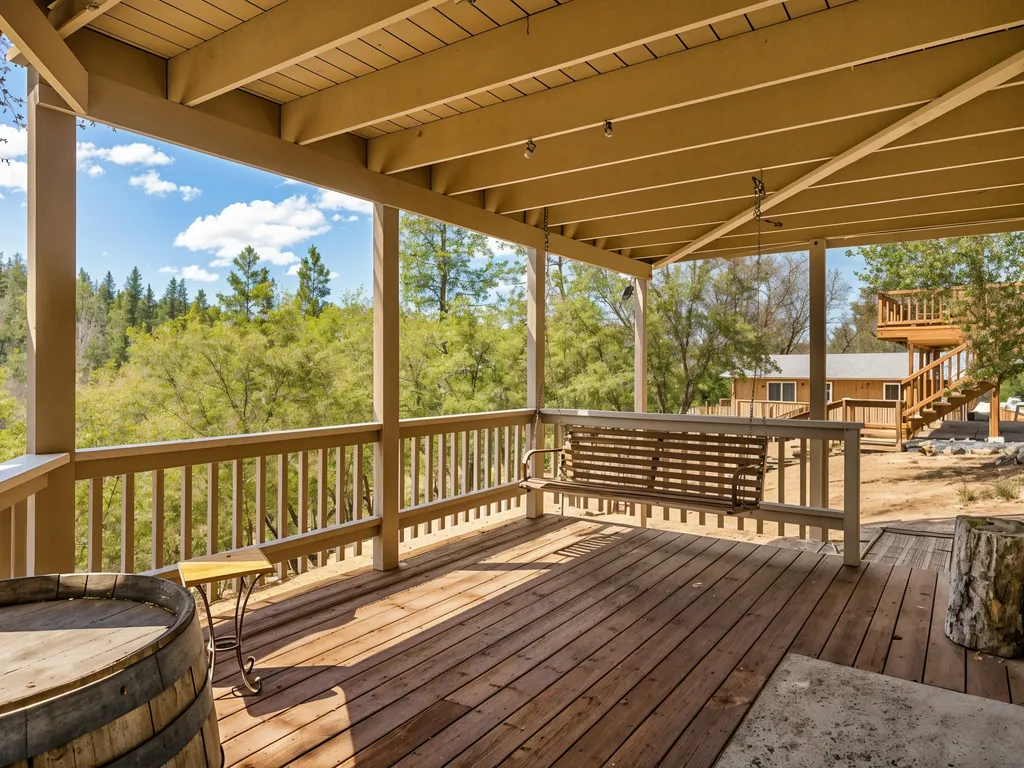
Three Wild Turkeys- Amazing Outdoor Spaces! 2 Decks!
- Free Cancellation

759,620 acres of glacier-carved Sierra Nevada wilderness — El Capitan's 3,000-foot granite face, Half Dome's signature silhouette, the 2,425-foot Yosemite Falls, the giant sequoias of Mariposa Grove, and the Tuolumne Meadows high country. Established as a national park in 1890 (Lincoln signed the first Yosemite Grant in 1864 — the original federal land-preservation act). A UNESCO World Heritage Site since 1984.
Yosemite is older than the National Park Service itself. President Lincoln signed the Yosemite Grant of 1864 — ceding Yosemite Valley and the Mariposa Grove to California for "public use, resort, and recreation" — in the middle of the Civil War. It was the first time the federal government set aside land specifically for conservation, the legal seed that grew into the national park system. John Muir's twenty-year campaign helped expand and federalize the park; Theodore Roosevelt camped here with him for three nights in 1903; Yosemite became a full national park on October 1, 1890.
The 759,620-acre park is mostly inaccessible high-country wilderness — granite, alpine meadow, glacier, and giant sequoia. The half-million annual visitors who don't backpack concentrate in Yosemite Valley: a seven-mile, glacier-carved corridor with the most-photographed assemblage of rock and water in North America. El Capitan's 3,000-foot vertical wall (the largest exposed granite monolith on Earth), Half Dome's iconic silhouette, the 2,425-foot Yosemite Falls (the tallest waterfall in North America), Bridalveil Fall, the Royal Arches, the Three Brothers, Cathedral Rocks — all visible from a single overlook called Tunnel View at the western entrance to the valley.
Above the valley, Glacier Point delivers the panoramic side view of Half Dome and the Yosemite Falls cascade. The Mariposa Grove holds about 500 mature giant sequoias, including the 1,800-year-old Grizzly Giant. Tuolumne Meadows in the high country sits at 8,600 feet — accessible only when Tioga Road is open, mid-June through November in normal snow years. UNESCO inscribed the park as a World Heritage Site in 1984.
A short loop through the exhibits, encounters, and shows that make this stop worth a half-day on its own.
The most-photographed view in any U.S. national park — El Capitan on the left, Half Dome center, Bridalveil Fall on the right, Yosemite Valley spread below. Drive Highway 41 east into the valley and the view opens at the east end of the Wawona Tunnel. Free, year-round, sunrise to sunset.
The largest exposed granite monolith on Earth, rising 3,000 vertical feet from the valley floor. Free-soloed by Alex Honnold in 2017 (the subject of the documentary "Free Solo") via the Freerider route — typically a 3-to-5-day climb. Easiest viewpoints are El Capitan Meadow and the Bridalveil Fall trailhead.
The signature granite dome of the eastern valley — 4,737 feet from the valley floor to summit, with a strenuous 14-to-16-mile round-trip cable-route hike up the back side. Cables are installed late May through mid-October; the lottery for permits opens each March.
The tallest waterfall in North America at 2,425 feet, falling in three tiers (Upper, Middle Cascade, Lower) directly across from Yosemite Village. Peak flow is May–June; can run dry by August in low-snow years. The Lower Falls is a one-mile flat loop.
About 500 mature giant sequoias near the South Entrance, including the 1,800-year-old Grizzly Giant (the second-largest tree in the grove), the Bachelor and Three Graces grouping, and the California Tunnel Tree. The Mariposa Grove was part of the 1864 Lincoln-signed Yosemite Grant.
A 7,214-foot rim viewpoint reachable by car (mid-May to October) and on foot via the Four Mile Trail year-round — Half Dome straight ahead, Yosemite Falls to the left, Vernal and Nevada Falls below. The most direct "Yosemite from above" experience.
The 8,600-foot high country: open meadow, granite domes (Lembert, Pothole), and the Tuolumne River winding through. Accessible only when Tioga Road (Highway 120) is open, typically mid-June through October. Cooler, quieter, and the trailhead for the John Muir Trail north toward Lyell Glacier.
Yosemite is inseparable from the photographs that defined American landscape photography — Ansel Adams ran a studio here from the 1920s until his death in 1984. The 1927 Ahwahnee Hotel, a National Historic Landmark and Adams' favorite winter quarters, still operates as the park's flagship lodge.
Park is open 24/7 year-round. Tioga Road (Highway 120 across the high country) typically closes for snow from November through late May or June. Glacier Point Road also closes seasonally. Half Dome cables are up only late May through mid-October.
Note · Reservations may be required to enter Yosemite Valley during peak summer dates — check nps.gov/yose before traveling for current reservation requirements.
Per-person admission. Buy in advance to skip the gate line.
Children 15 and under enter free. Half Dome cable-route hiking requires a separate $10 lottery permit (preseason application opens in March; daily lottery during the season). Wilderness permits are required for all overnight backcountry trips. Peak-season day-use reservations for Yosemite Valley have been required intermittently — check the official NPS site before traveling.
Plan your visithome33 mi1 / 44Photo 1 of 44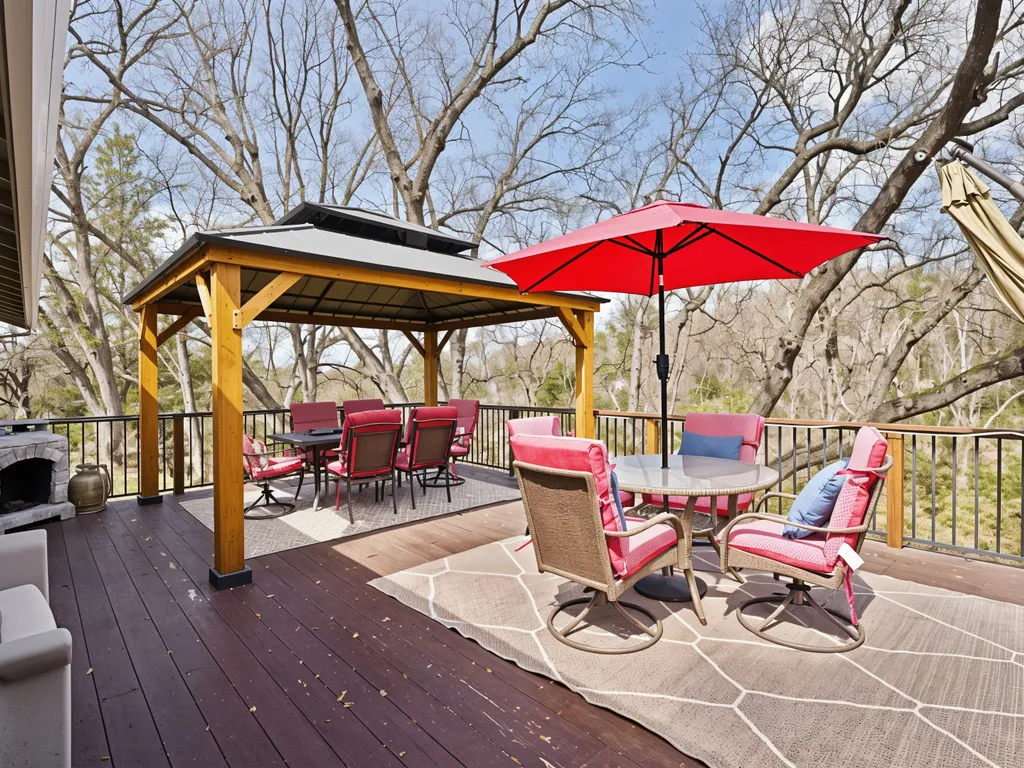 home33 mi1 / 30Photo 1 of 30
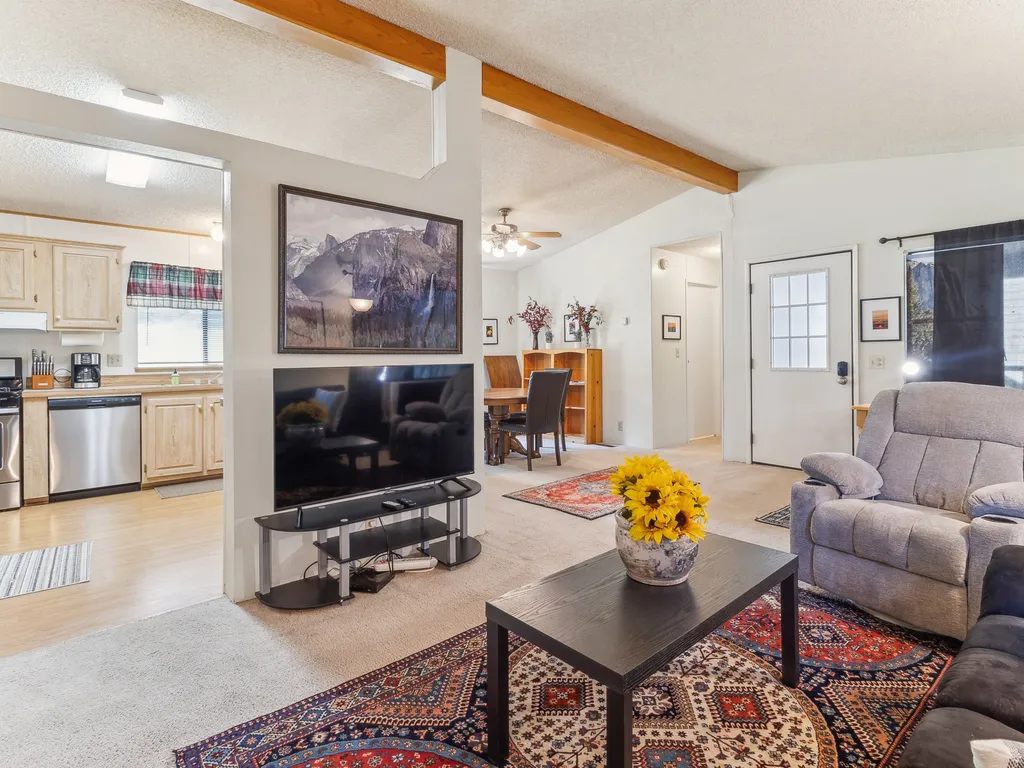 cabin33 mi1 / 44Photo 1 of 44
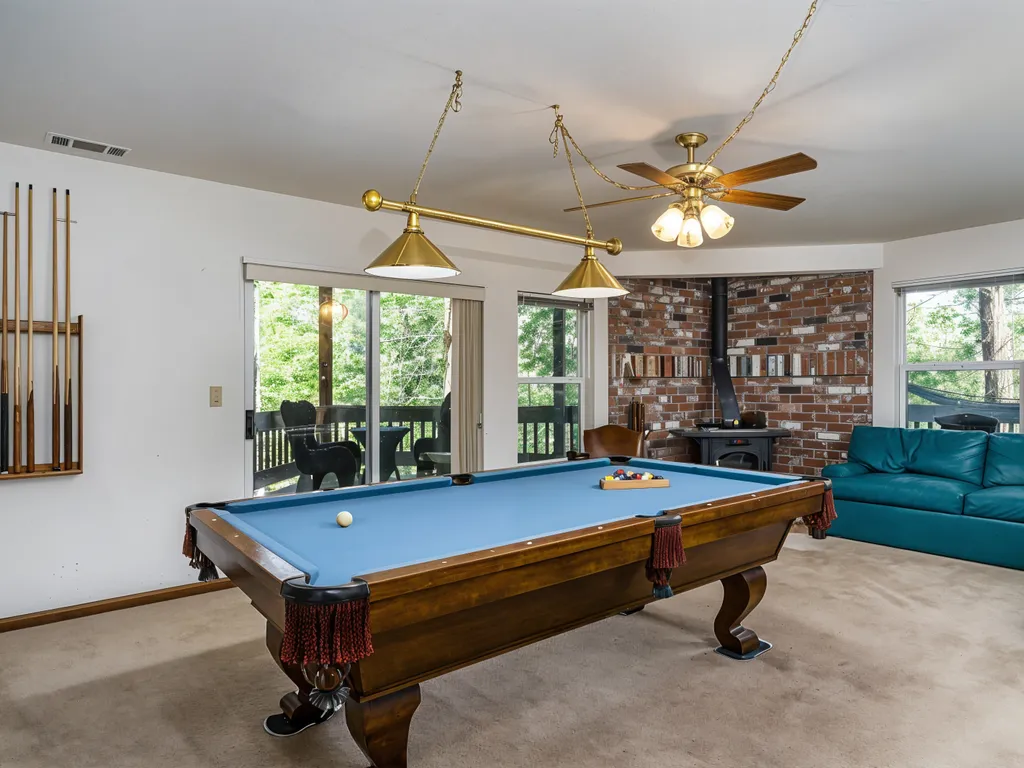 home33 mi1 / 54Photo 1 of 54
 condo33 mi1 / 63Photo 1 of 63
 condo33 mi1 / 31Photo 1 of 31
 condo33 mi1 / 22Photo 1 of 22
 condo33 mi1 / 36Photo 1 of 36
 condo33 mi1 / 44Photo 1 of 44
 condo33 mi1 / 34Photo 1 of 34
 condo33 mi1 / 22Photo 1 of 22
 condo33 mi1 / 26Photo 1 of 26