 apts5.2 mi1 / 19Photo 1 of 19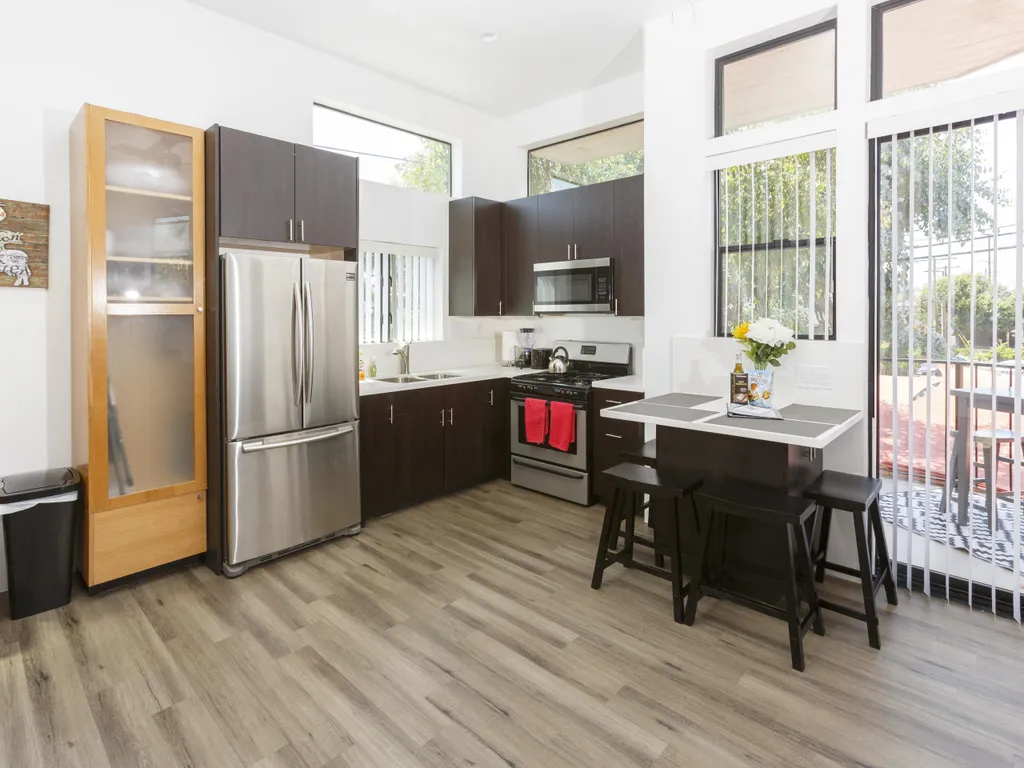
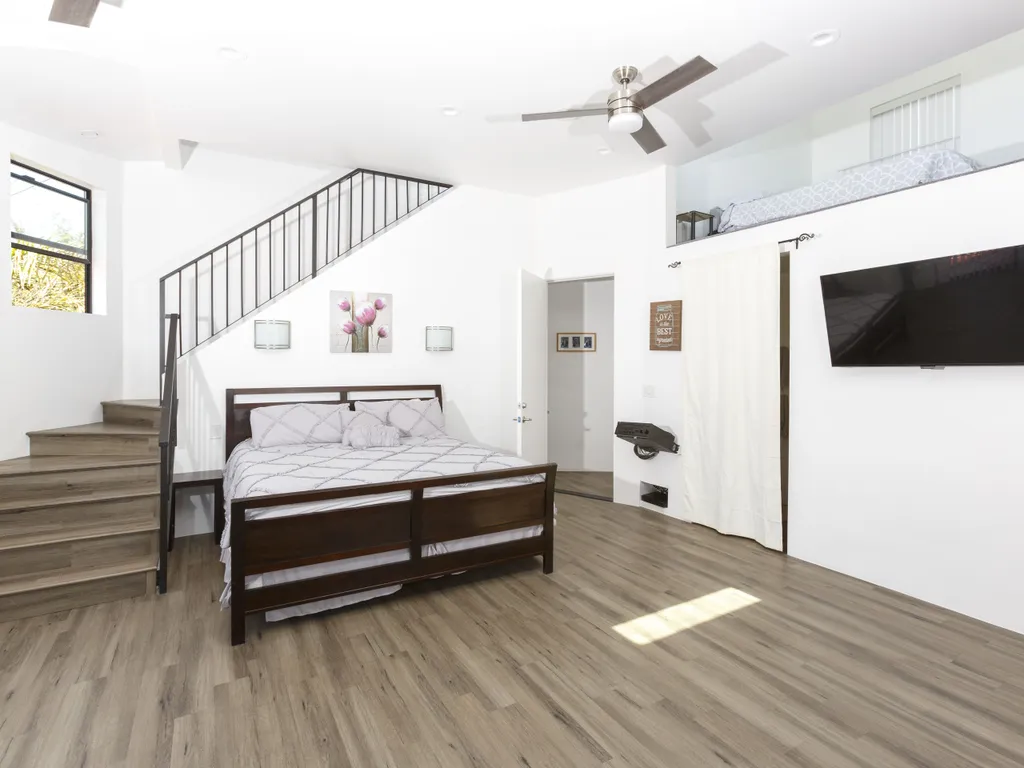


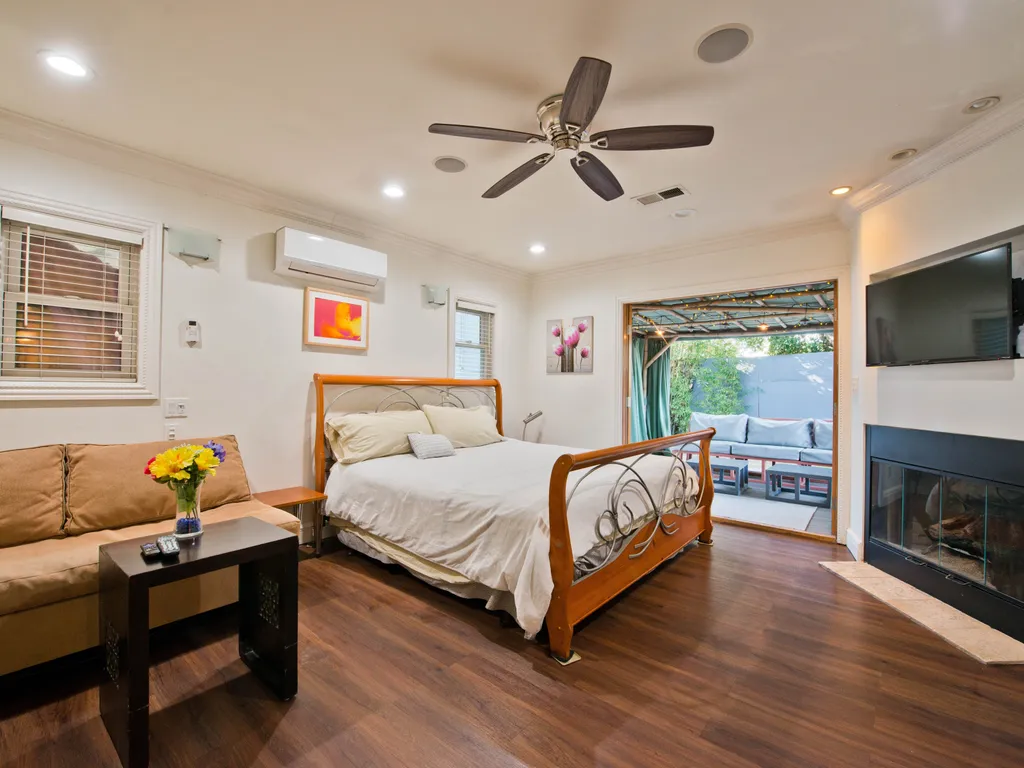
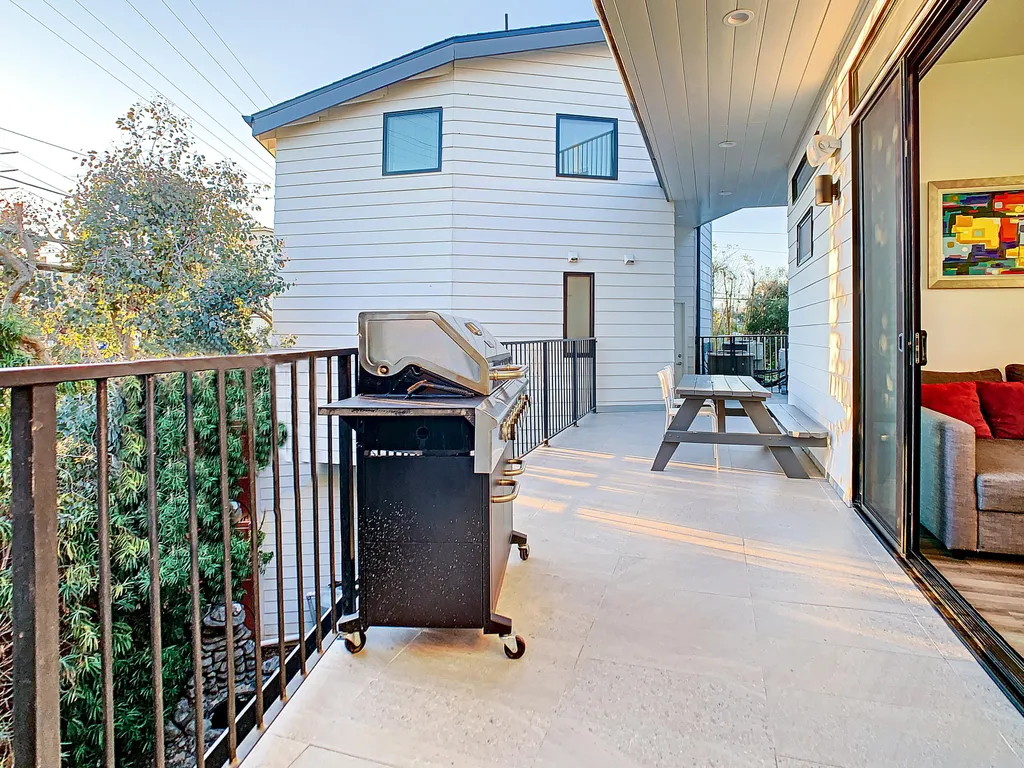
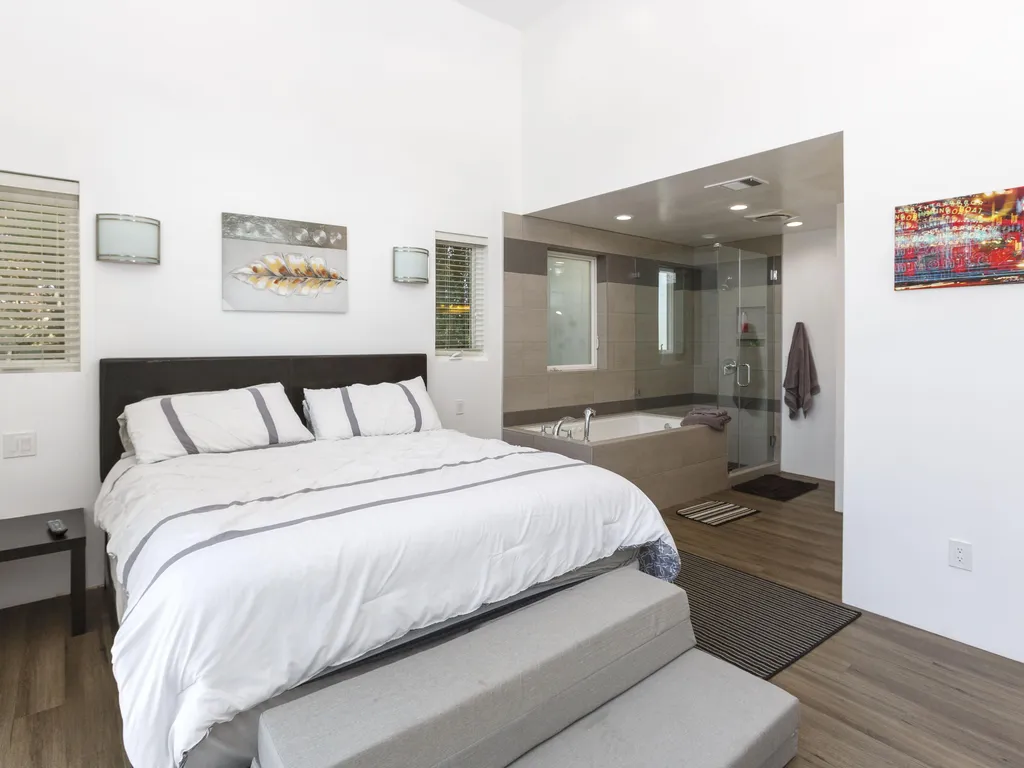
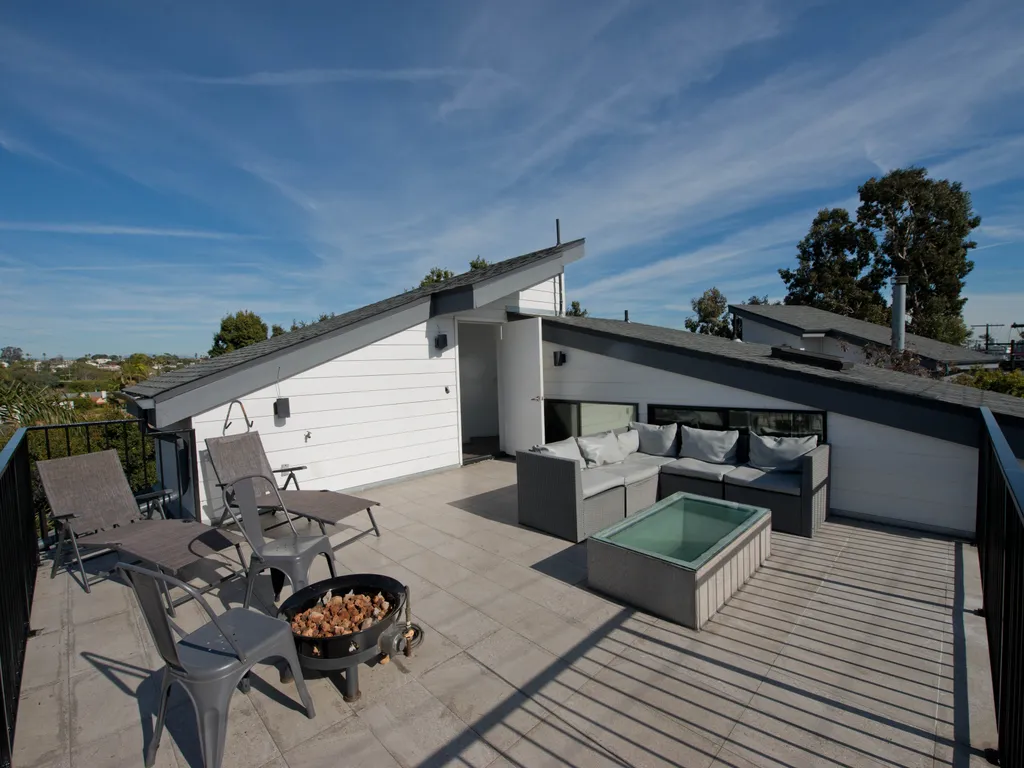
Modern Loft Rooftop Deck Venice Beach for 2
- Free Cancellation

A 110-acre Richard Meier campus on a Brentwood ridgeline, holding J. Paul Getty's collection of European paintings, drawings, manuscripts, and decorative arts in six pavilions wrapped around Robert Irwin's Central Garden — and you reach it by funicular tram from the parking deck below.
J. Paul Getty's $1.3 billion endowment and Richard Meier's fourteen-year design effort opened on this Brentwood ridgeline in December 1997. The 110-acre campus is clad in 16,000 tons of cleft-finish travertine quarried near Tivoli, Italy — the same stone Bernini used at St. Peter's — and assembled into six pavilions that frame the Central Garden, the West Pavilion entrance, and a 360-degree view from the Pacific to the San Gabriels.
The collection spans medieval illuminated manuscripts, European paintings (Van Gogh's Irises, Cézanne's Still Life with Apples, Rembrandt's An Old Man in Military Costume), eighteenth-century French furniture, and a deep photography holding from the daguerreotype era forward. The Central Garden is itself a designed artwork — Robert Irwin's 134,000-square-foot living installation that he insists is "sculpture in the form of a garden aspiring to be art."
Plan three to four hours minimum: the tram ride up, the West and East Pavilions for paintings, the South for decorative arts and photography, and the garden walk. Saturdays stay open until 8 PM — the South Promontory at sunset is the most photographed spot in the city after the Hollywood Sign.
A short loop through the exhibits, encounters, and shows that make this stop worth a half-day on its own.
A three-car automated funicular runs every few minutes from the parking pavilion 750 feet up to the museum entrance — the only way visitors reach the campus. The four-minute ride climbs through landscaped chaparral and is itself one of the Getty's signature experiences. Free and operates whenever the museum is open.
A 134,000-square-foot living artwork at the heart of the campus — a switchback path through 500 plant species that descends into a stream, a series of pools, and a floating maze of azalea hedges in a circular reflecting pond. Irwin called it "sculpture in the form of a garden aspiring to be art."
Painted at the asylum at Saint-Rémy-de-Provence in May 1889 — one of the artist's first canvases after his Arles breakdown. Acquired by the Getty in 1990 for a then-record $53.9 million. On permanent display in the West Pavilion.
One of the most comprehensive medieval manuscript collections in North America — Carolingian gospel books, Romanesque psalters, Gothic Books of Hours, and Renaissance choirbooks. Rotating displays in the East Pavilion's lower gallery; only a fraction is on view at any time given light sensitivity.
The Getty's photographs collection runs from 1839 daguerreotypes through contemporary work — Walker Evans, Diane Arbus, Stephen Shore, and a deep August Sander holding. The dedicated photography galleries rotate exhibitions every three to four months.
Six interlocking pavilions clad in 1.2 million square feet of cleft-finish Italian travertine, organized along two axes that Meier rotated 22.5 degrees to align with the San Diego Freeway and the Santa Monica grid. The architecture itself is on every architecture-school syllabus in the country.
An open-air terrace and lawn at the south edge of the campus — 360-degree views from the Pacific Ocean to downtown LA to the San Gabriels. The single best free sunset spot in the city, and the reason Saturday hours run until 8 PM in the summer.
Drop-in art-making stations for kids in the Family Room and Art Stops carts throughout the galleries — free, no reservation, themed to the rotating exhibitions. Saturday and Sunday afternoons are the busiest; weekday mornings are quiet enough to take your time.
Closed Mondays and major holidays. Saturday evening hours stay open until 8 PM — the best time to catch sunset over the Pacific from the South Promontory.
Note · Last tram up runs 30 minutes before closing. The tram from the lower lot to the museum hilltop is also free.
Per-person admission. Buy in advance to skip the gate line.
The museum is free and ticketless — just show up. Parking is the only fee, paid at the entry gate or in advance online. Bus 761 from UCLA stops at the entrance and bypasses the parking fee entirely.
Plan your visitapts5.2 mi1 / 19Photo 1 of 19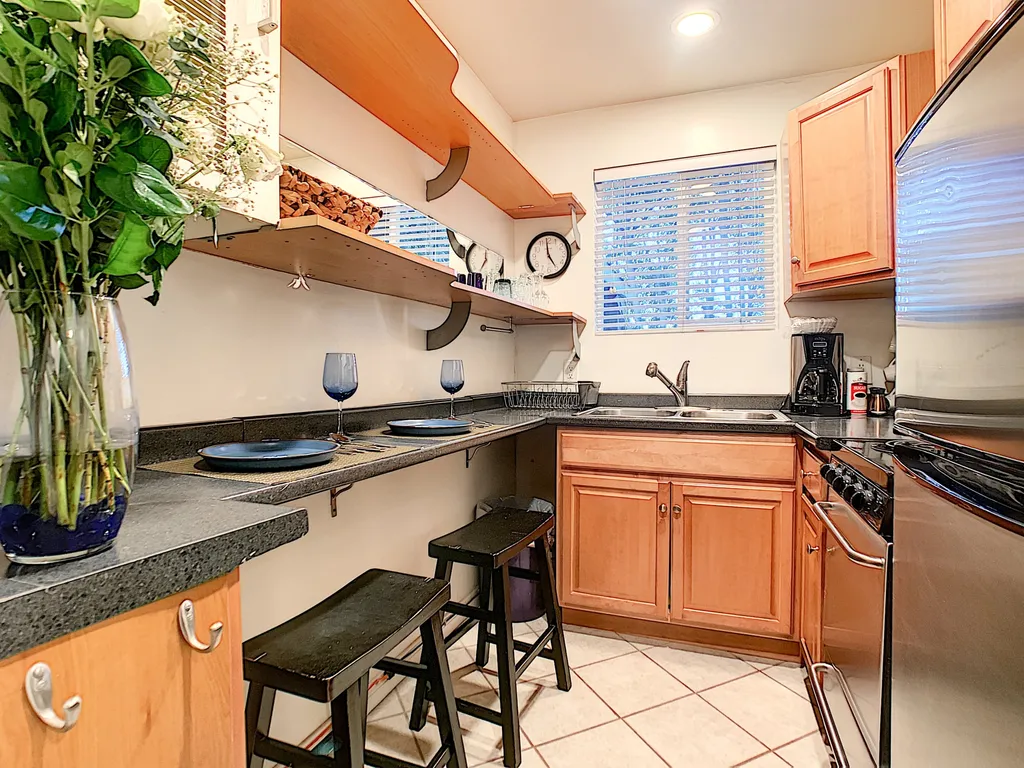 apts5.2 mi1 / 15Photo 1 of 15
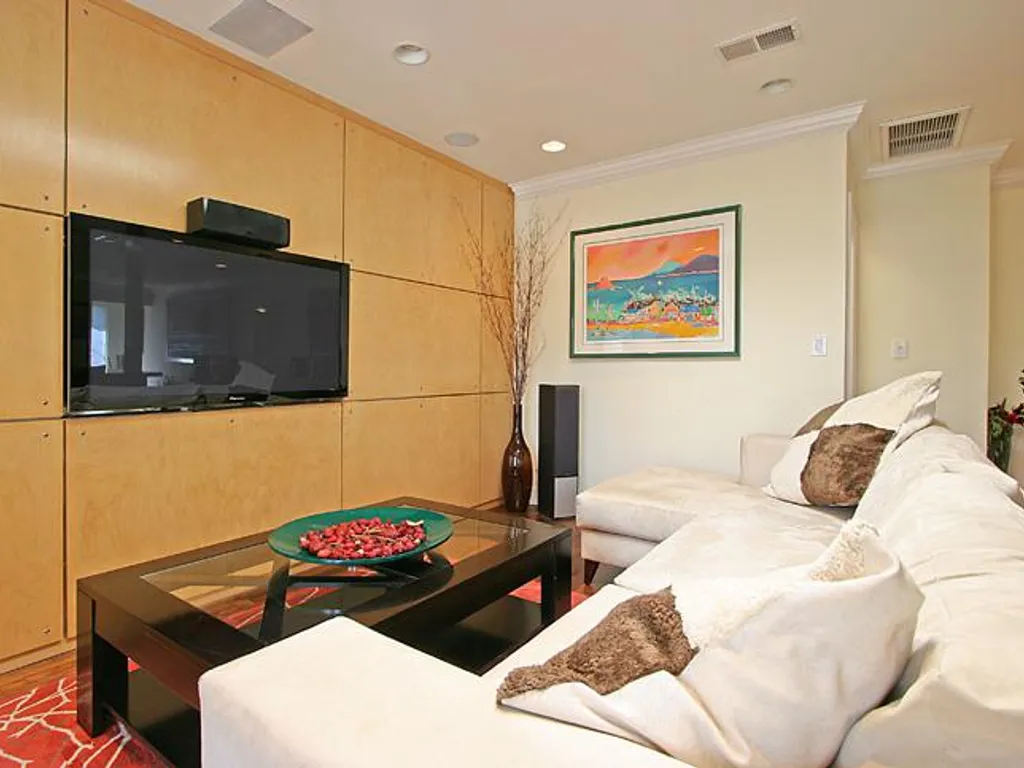 home5.2 mi1 / 21Photo 1 of 21
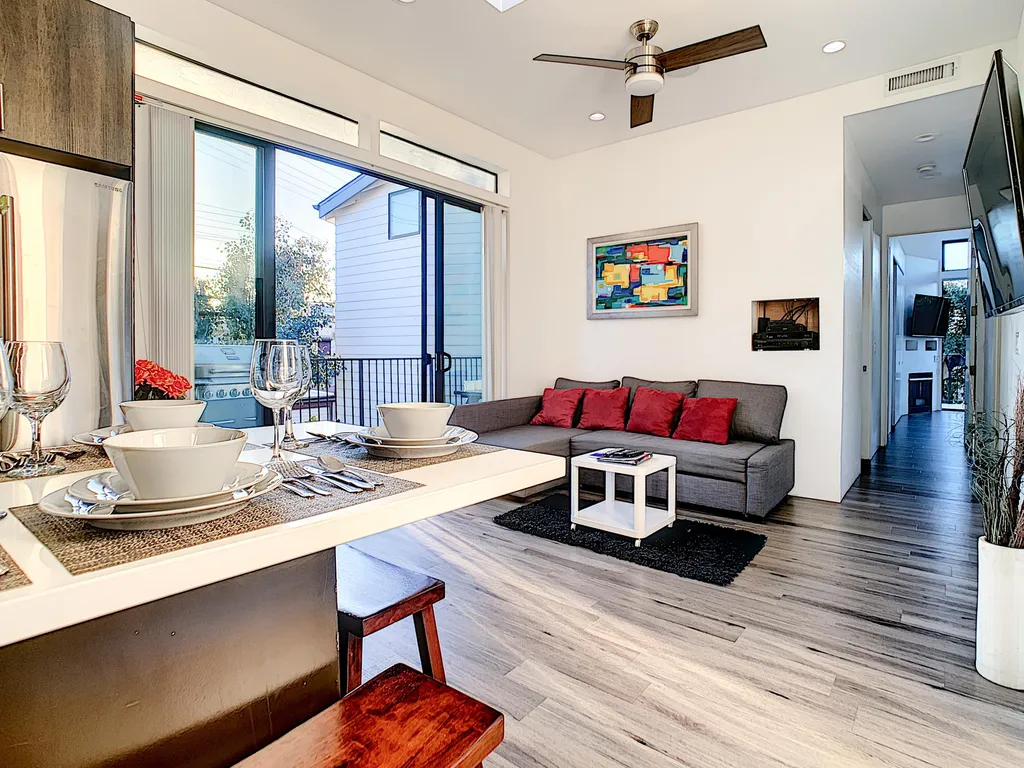 home5.2 mi1 / 27Photo 1 of 27
 home11 mi1 / 45Photo 1 of 45
 home22 mi1 / 49Photo 1 of 49