 home47 mi1 / 26Photo 1 of 26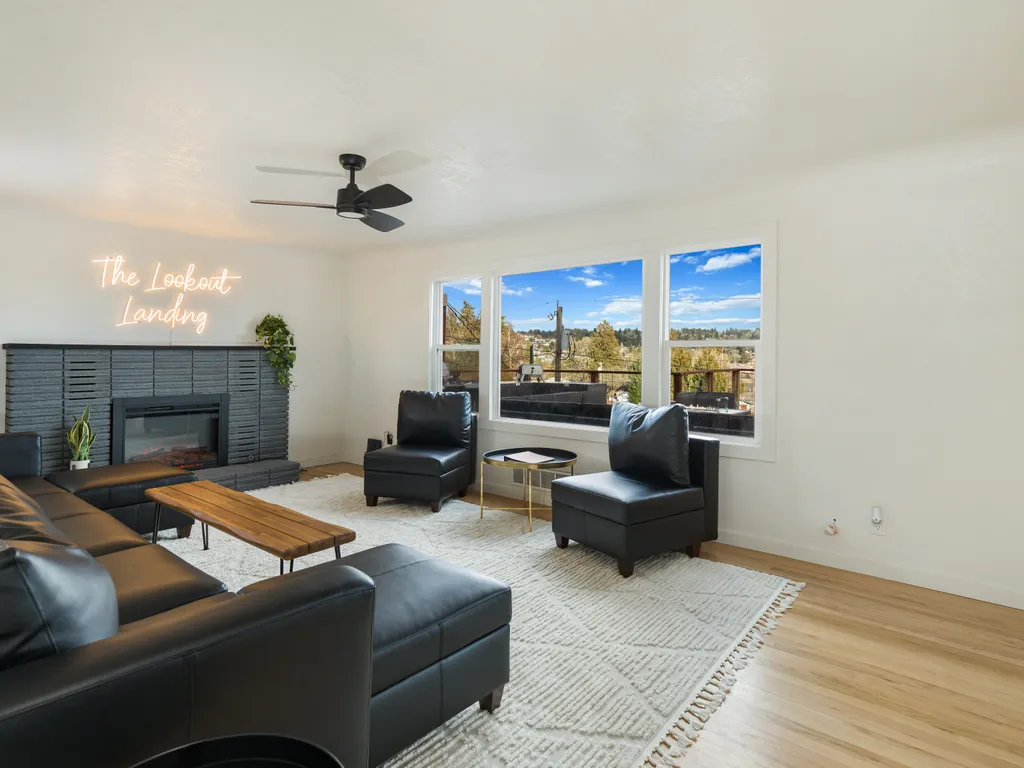


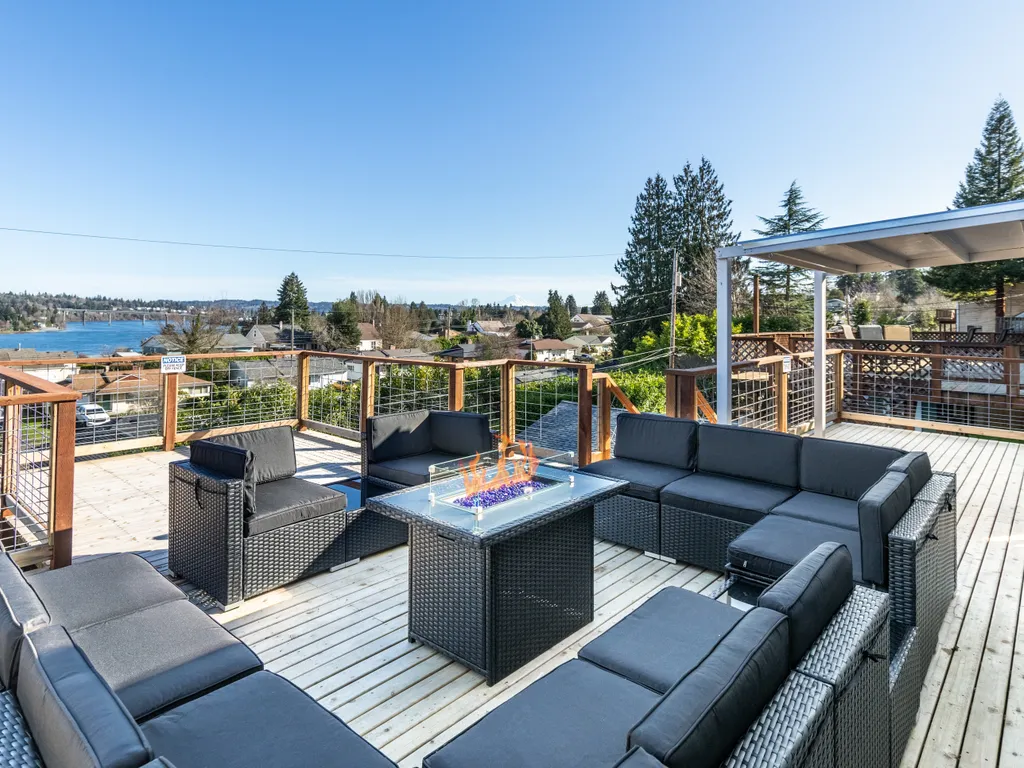
The Lookout Landing
- Free Cancellation

Nearly a million acres of protected wilderness on Washington's Olympic Peninsula — established as a national park in June 1938 by Franklin D. Roosevelt to protect the last large stand of temperate rainforest in the contiguous United States. The park covers three distinct ecosystems: the glaciated Olympic Mountains (anchored by 7,980-foot Mount Olympus and the Hoh Glacier), four temperate rainforests (Hoh, Quinault, Queets, and Bogachiel) where Roosevelt elk graze under 200-foot Sitka spruce, and 73 miles of wild Pacific coast (Rialto Beach, Ruby Beach, Shi Shi Beach).
Olympic National Park was created on June 29, 1938 by President Franklin D. Roosevelt — the result of a multi-decade campaign by mountaineer-photographer Asahel Curtis and Forest Service ecologist Aldo Leopold to protect what was then the last large temperate rainforest in the contiguous United States. The park covers 922,650 acres on Washington's Olympic Peninsula, ranges from sea level to the 7,980-foot summit of Mount Olympus, and contains three radically distinct ecosystems within an hour's drive of one another: glaciated alpine peaks, four temperate rainforests, and 73 miles of wild Pacific coast. UNESCO designated the park a Biosphere Reserve in 1976 and a World Heritage Site in 1981.
Hurricane Ridge — the only paved road into the alpine zone — climbs 17 miles from Port Angeles to a 5,242-foot subalpine ridge with views straight south to Mount Olympus and the entire Bailey Range. The Hoh Rain Forest receives 12–14 feet of rain a year and supports 200-foot Sitka spruce, 250-foot Western hemlock, and the Hall of Mosses where every horizontal surface is draped in moss. The Pacific coast is divided into two units — the South Coast (Kalaloch, Ruby Beach, Beach 4) is reached by Highway 101; the North Coast (Rialto, Second Beach, Third Beach, Shi Shi) requires a separate drive through Forks. Lake Crescent — a 624-foot-deep glacial lake — sits halfway between Hurricane Ridge and the Hoh, its trout-blue color a result of the dissolved-calcium chemistry that suppresses nitrogen-loving algae.
Plan four to seven days. The park's three sections are 60–90 miles apart by road; you cannot do it as a day trip from Seattle. Drive in via Bainbridge Island ferry from downtown Seattle (35-minute ride, then 90-minute drive to Port Angeles) or via Tacoma Narrows Bridge and Highway 101 around the Hood Canal. Stay in Port Angeles (Hurricane Ridge basecamp), Forks (rainforest and coast basecamp), or Lake Quinault Lodge (south rainforest basecamp). Hurricane Ridge Road is open daily May–October but only Fri–Sun in winter. Backcountry permits are reserved at recreation.gov; first-come walk-up wilderness permits exist but are scarce in summer. Bring layers — coastal fog can drop temperatures 25°F off the alpine. Black bears active throughout; bear canisters required in the high country.
A short loop through the exhibits, encounters, and shows that make this stop worth a half-day on its own.
The 5,242-foot subalpine ridge above Port Angeles — reached by a 17-mile paved road from Hurricane Ridge Road. The Hurricane Hill Trail (1.6 miles round-trip) runs along the spine with views south to Mount Olympus and the Bailey Range, plus regular sightings of Olympic marmots and black-tailed deer. The 1958 Hurricane Ridge Visitor Center burned in 2023 — temporary facilities are at the road's end through 2026 reconstruction.
The most-visited of the four park rainforests — receives 12–14 feet of rain annually, 26 inches in December alone. The Hall of Mosses Trail (0.8-mile loop) winds under 250-foot Western hemlock and Sitka spruce with every horizontal surface draped in club moss and licorice fern. The Spruce Nature Trail (1.2-mile loop) follows the milky-blue Hoh River. Roosevelt elk herds graze openly along both trails, especially at dawn.
A driftwood-strewn black-sand beach on the North Coast, reached by a 1-mile drive west from Highway 101 through Quileute Reservation lands. Hole-in-the-Wall sea arch is a 1.5-mile beach hike north — passable only at tides below 4 feet (check the tide chart at the trailhead kiosk). Tide pools full of starfish, anemones, and chiton at the arch's base; bald eagles regular overhead.
A 624-foot-deep glacial lake on Highway 101 between Port Angeles and Forks — ten miles long, two miles wide, dissolved-calcium chemistry suppressing algae growth so the water stays trout-blue all summer. The 1916 Lake Crescent Lodge (NPS-operated) sits on the south shore with rooms and a dock; Marymere Falls Trail (1.8 miles round-trip) is the most-walked trail in the park. Trout fishing requires a Washington state license.
The 7,980-foot summit of Mount Olympus — the highest point in Olympic National Park — was first climbed in 1907 by L.A. Nelson, B.J. Bretherton, and the 1907 Mountaineers Club expedition. The Hoh River Trail to Glacier Meadows (35 miles round-trip, 5+ days) is the only standard climbing approach and requires backcountry permits, glacier-travel gear (ice axe, crampons, rope), and self-arrest skills. Day-hikers see Olympus best from Hurricane Hill on a clear morning.
Three mineral pools (98°F, 101°F, 104°F) at the Sol Duc Hot Springs Resort 12 miles south of Highway 101 — the resort is on a 12-acre lease inside the park, operated by Aramark. Day-use fee $20/adult, $15/child. Sol Duc Falls (a half-mile from the resort) is a short paved walk with three cascades into a 100-foot ravine. Open March through October; closed in winter when the road becomes single-lane.
The South Coast's most accessible beach — directly off Highway 101, with the 1953 Kalaloch Lodge (private operator) overlooking the surf. The "Tree of Life" — a 100-foot Sitka spruce whose root system spans a 50-foot gap above a tidal stream, suspended like a hammock — is a quarter-mile walk north up the beach. Beach 4 (a mile north) is the best low-tide tide-pooling beach in the park.
Olympic supports the largest unmanaged Roosevelt elk herd in the world — roughly 5,000 animals divided among the rainforest valleys (most reliable sightings: dawn at the Hoh Visitor Center meadow). Olympic marmots — endemic, found nowhere else — whistle from the Hurricane Hill rocks all summer. Black bears throughout the park (450 estimated population); bear canisters required for backcountry stays.
Park gates are open 24/7 year-round. Major roads (Hurricane Ridge Road, Hoh Rain Forest Road, Sol Duc Road, Lake Crescent's Lapush Road) are typically passable May through October; Hurricane Ridge Road closes Mon–Thu in winter and operates Fri–Sun for snow play. Black-bear and Roosevelt-elk activity peaks dawn and dusk; cougar sightings rare but possible in coastal trails.
Note · Wilderness camping requires a permit reserved at recreation.gov ($8 + $8/person/night). The Hurricane Hill, Sol Duc, and Hoh trailheads fill 7-day-a-week parking lots by 9:00 AM in summer — arrive early. Hurricane Ridge Visitor Center hours are 9:00 AM–5:00 PM May–October, weekends only otherwise.
Per-person admission. Buy in advance to skip the gate line.
Park entry is free January 1 (some years), Martin Luther King Jr. Day, and the four annual fee-free days. Beach driving is not permitted; coastal camping permits are limited and reserved at recreation.gov 6 months ahead. Sol Duc Hot Springs Resort (inside the park) charges separate $20 day-use fees. Cell coverage is unreliable past Lake Crescent; download offline maps before entering.
Reserve permitshome47 mi1 / 26Photo 1 of 26 home54 mi1 / 37Photo 1 of 37
 home61 mi1 / 4Photo 1 of 4
 home65 mi1 / 33Photo 1 of 33
 Duplex66 mi1 / 31Photo 1 of 31
 condo71 mi1 / 47Photo 1 of 47
 apts75 mi1 / 28Photo 1 of 28
 home85 mi1 / 44Photo 1 of 44


