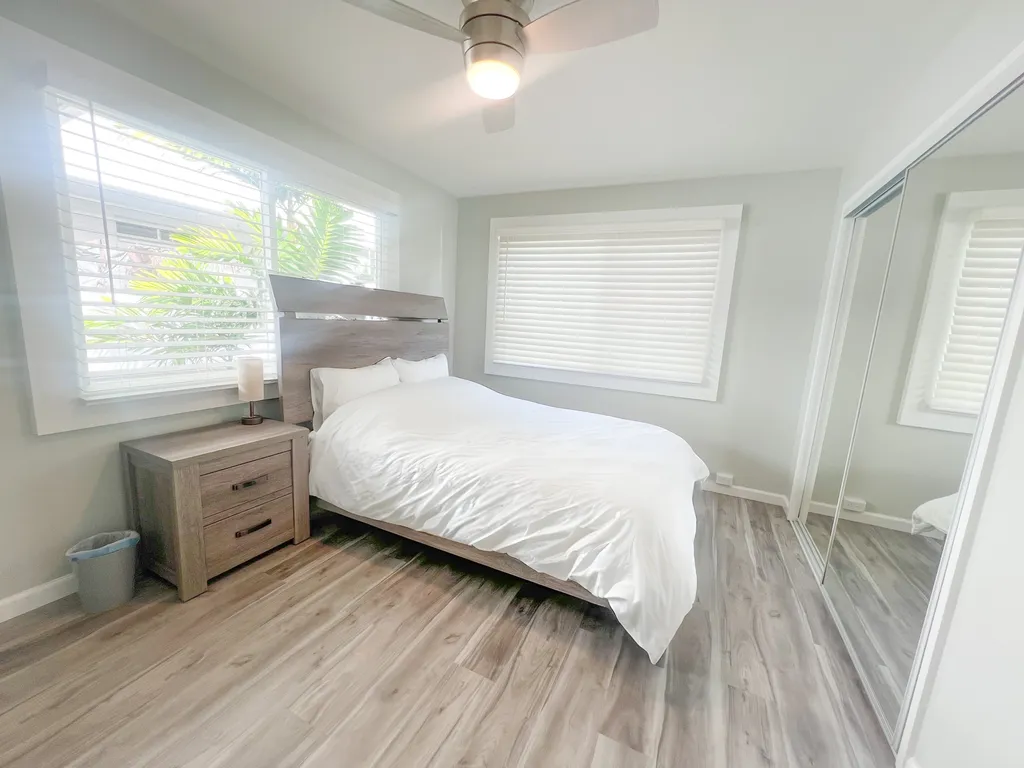
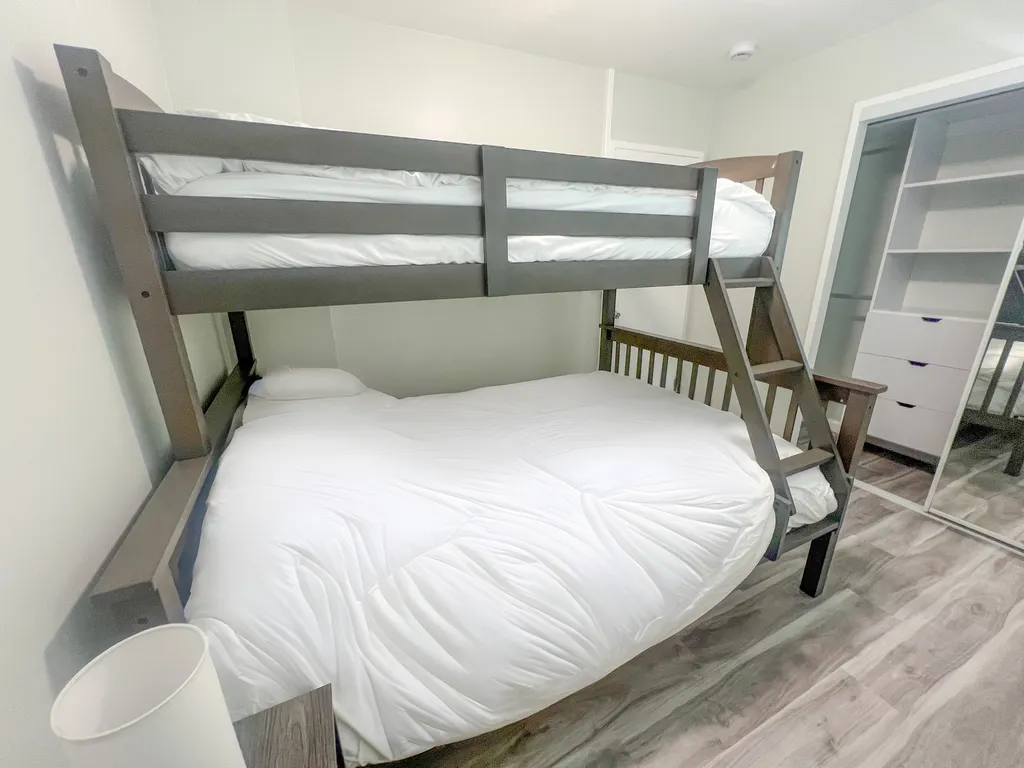
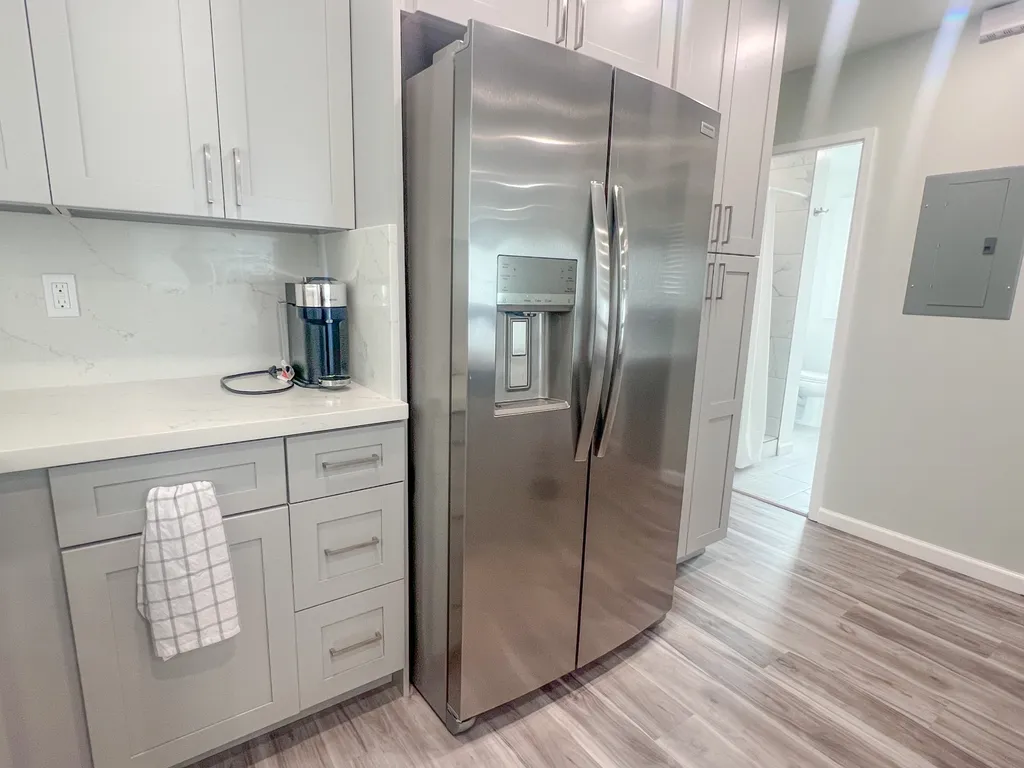
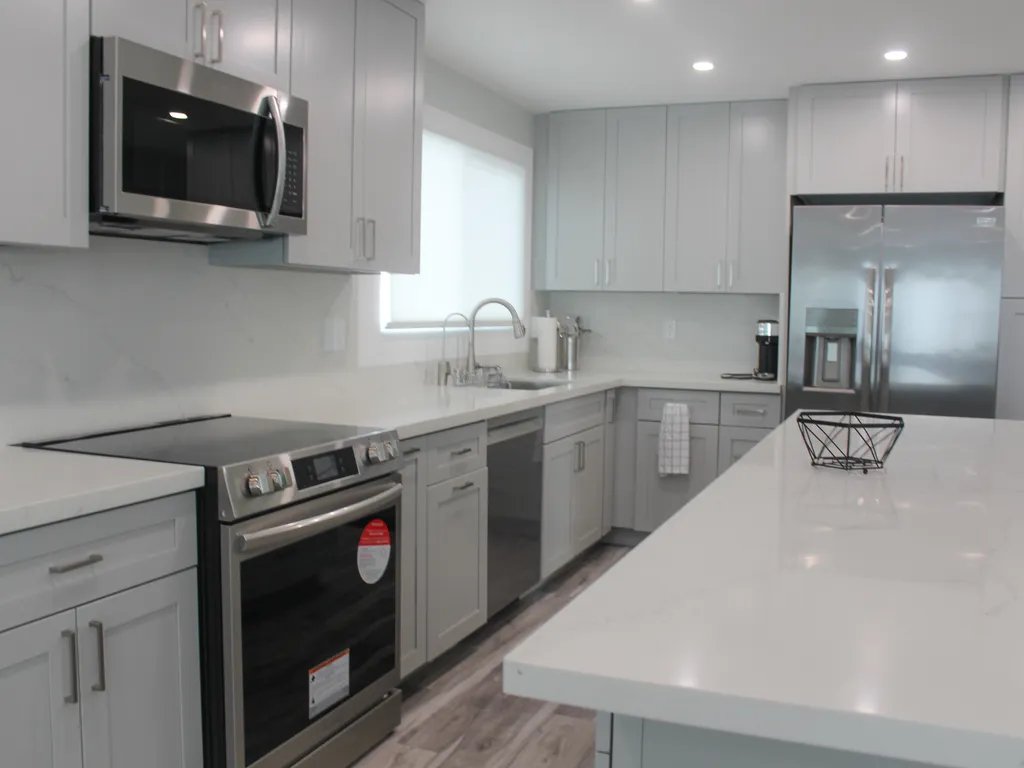
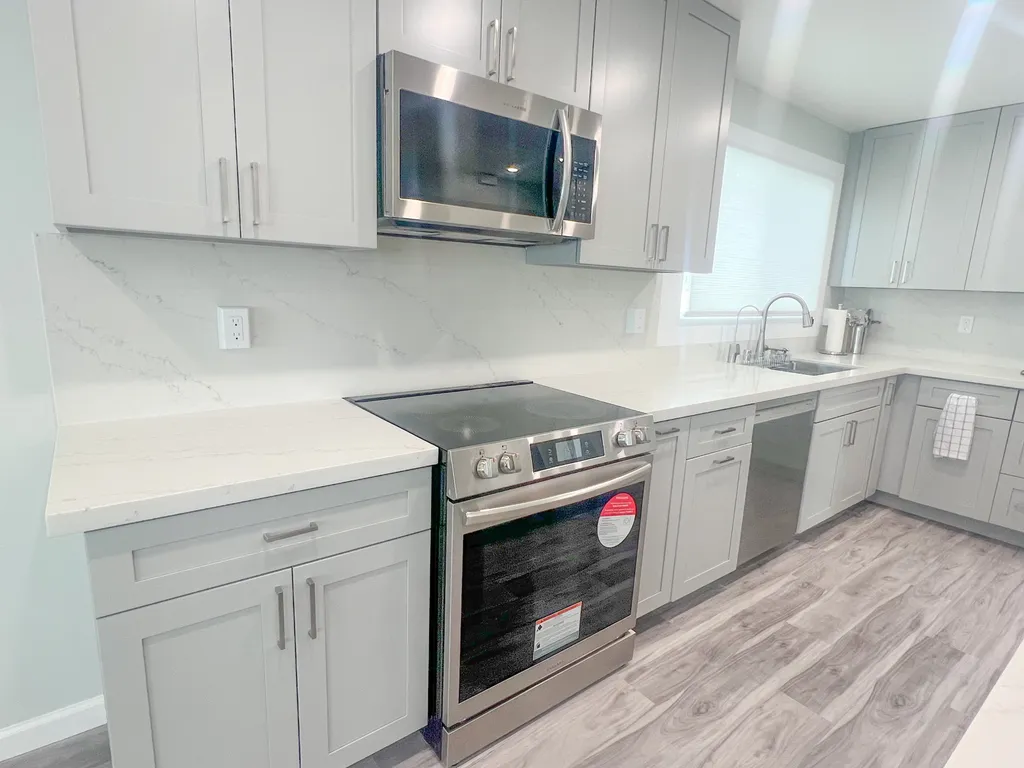
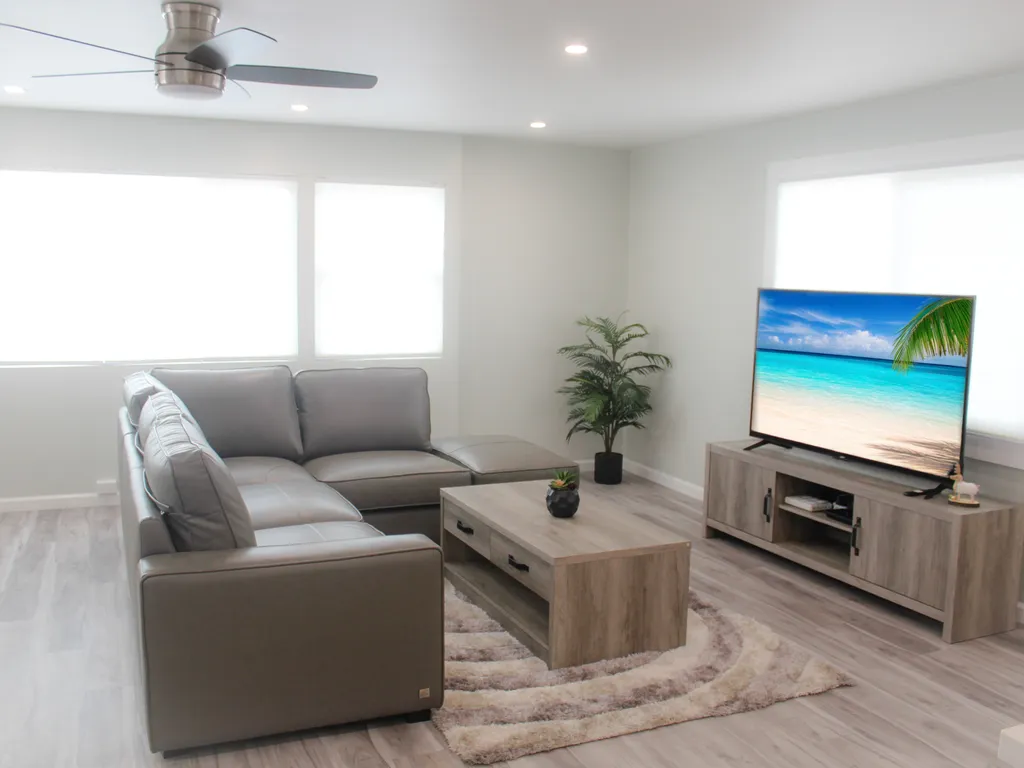
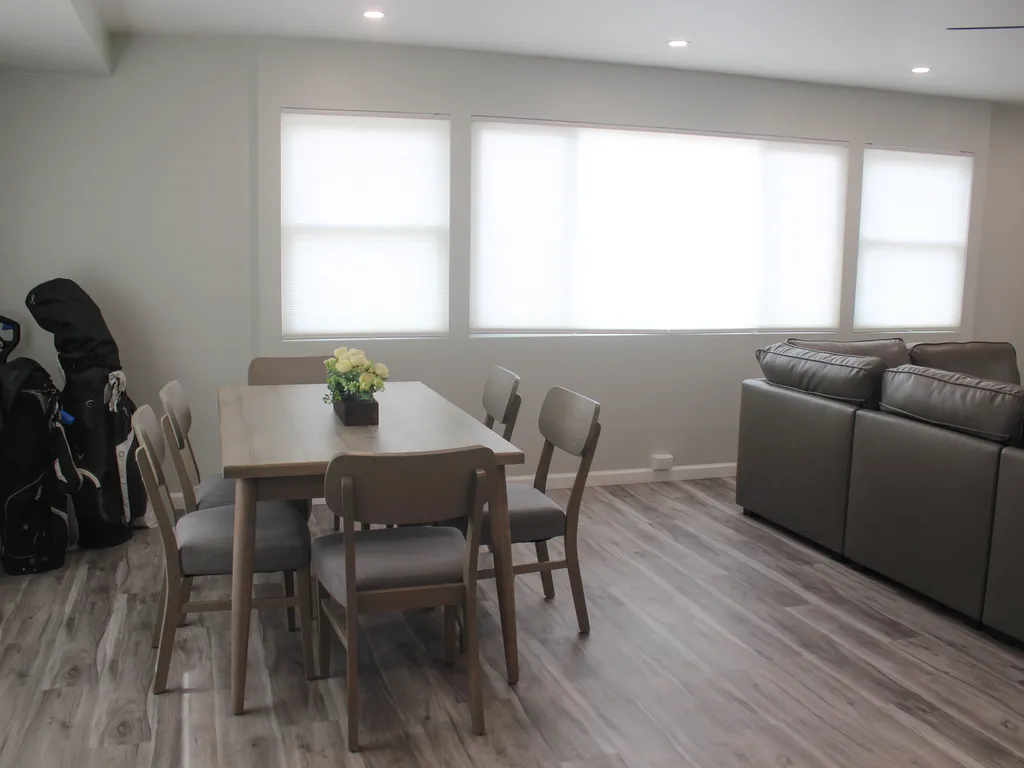
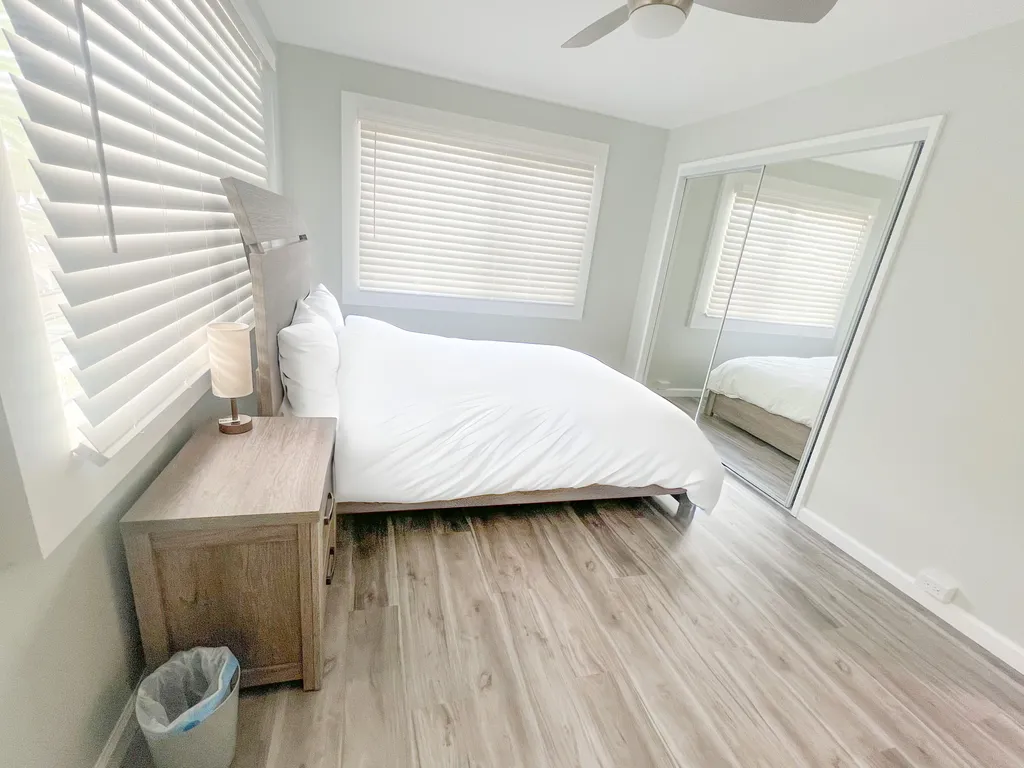
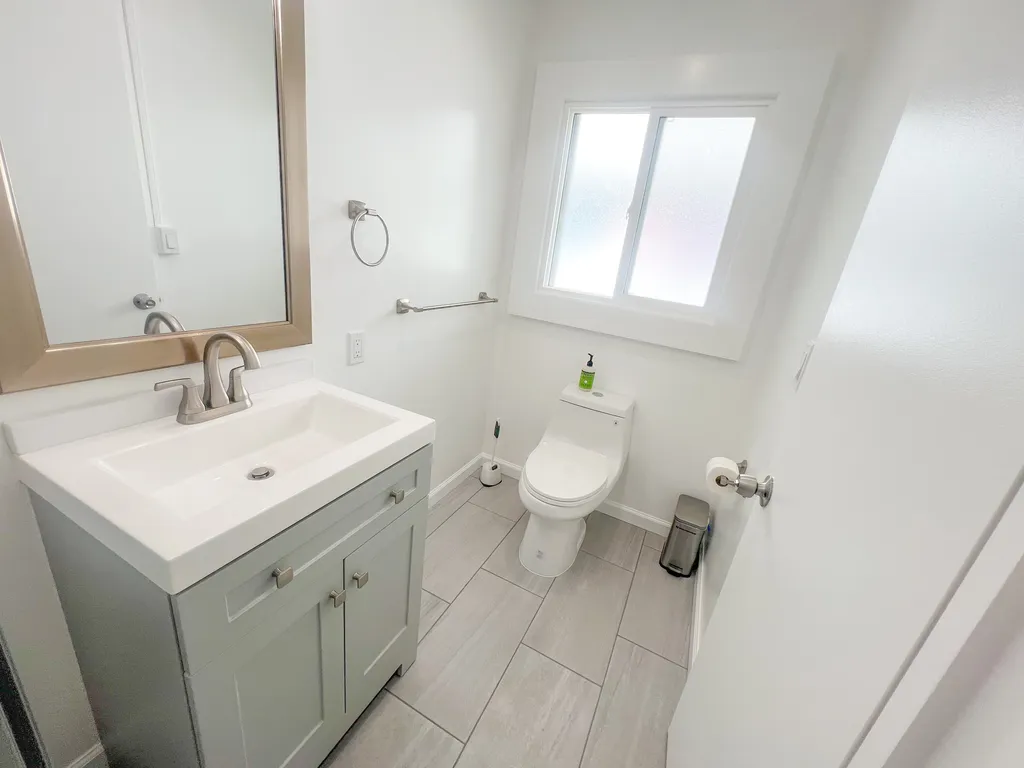
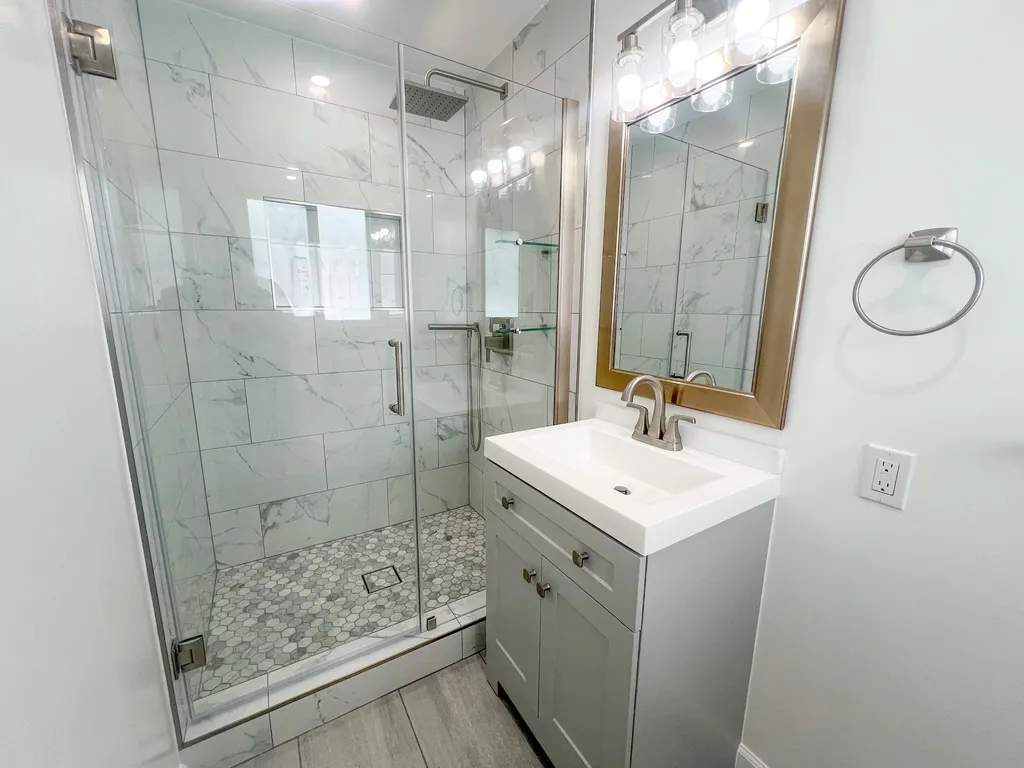
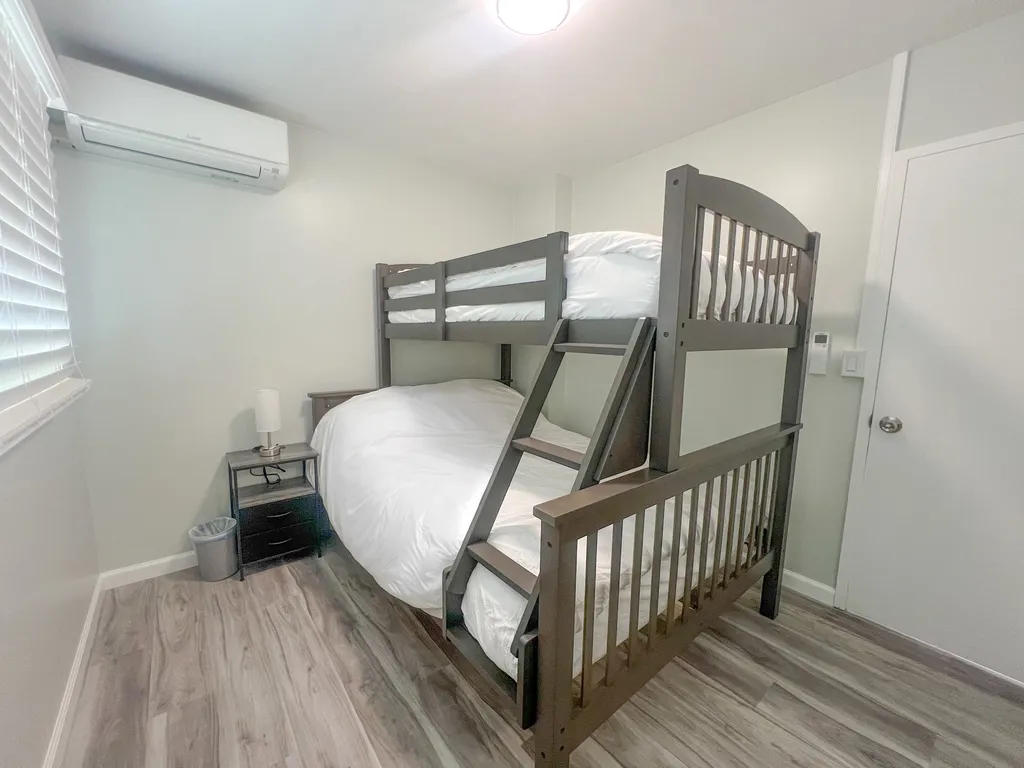
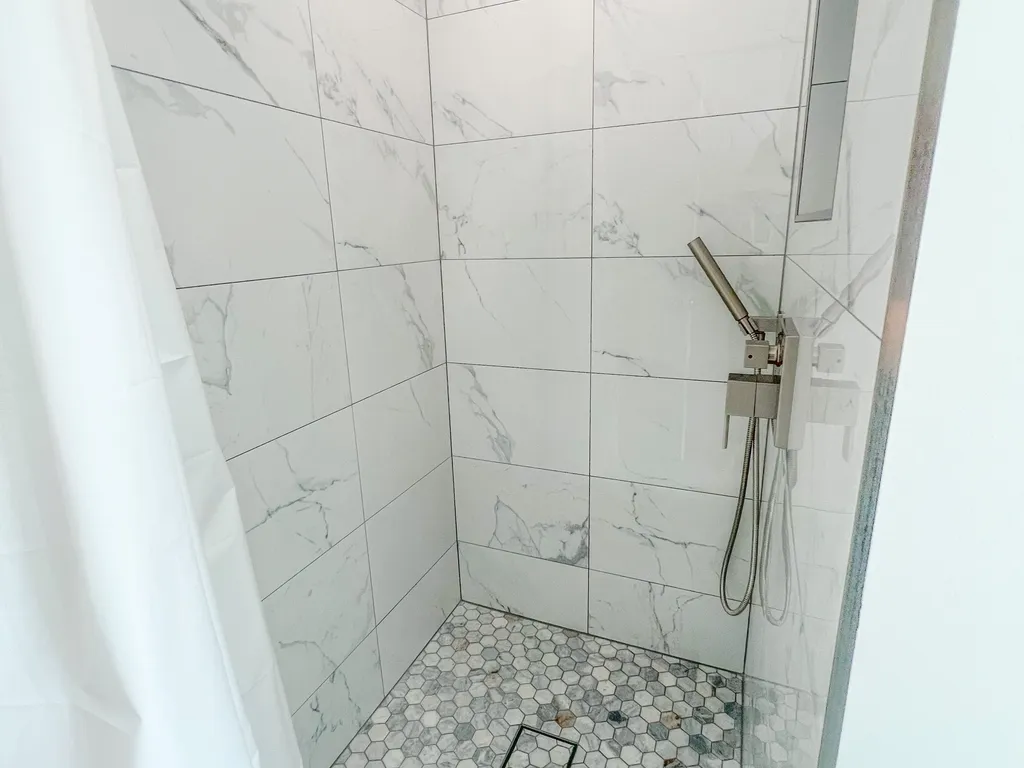
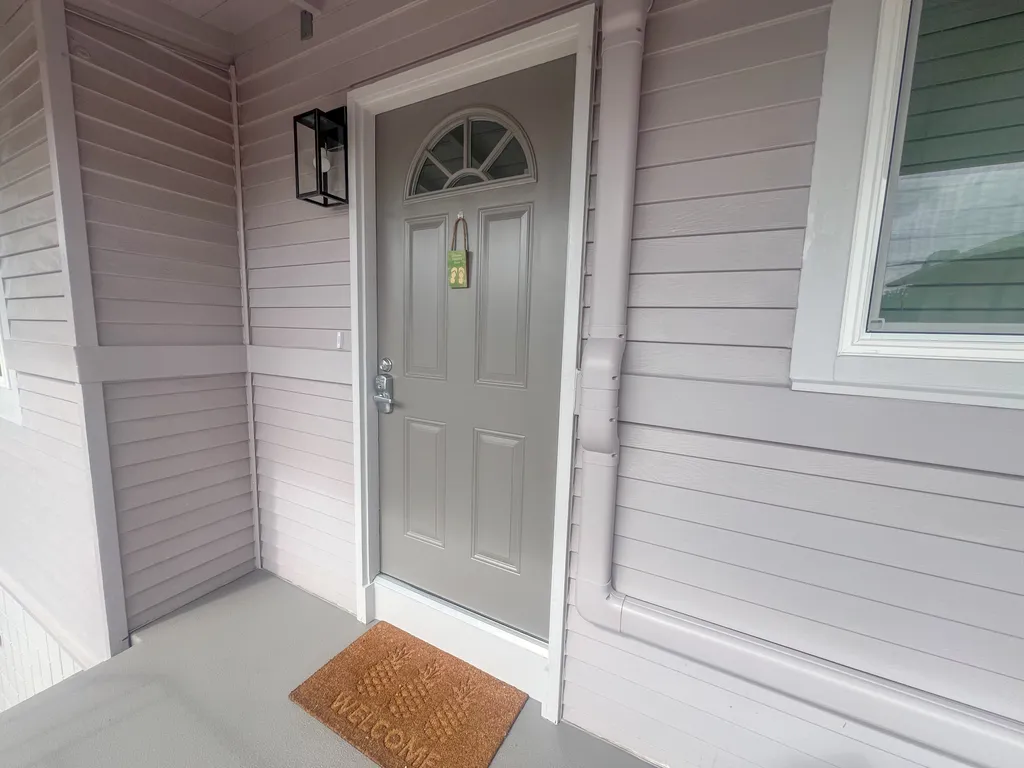
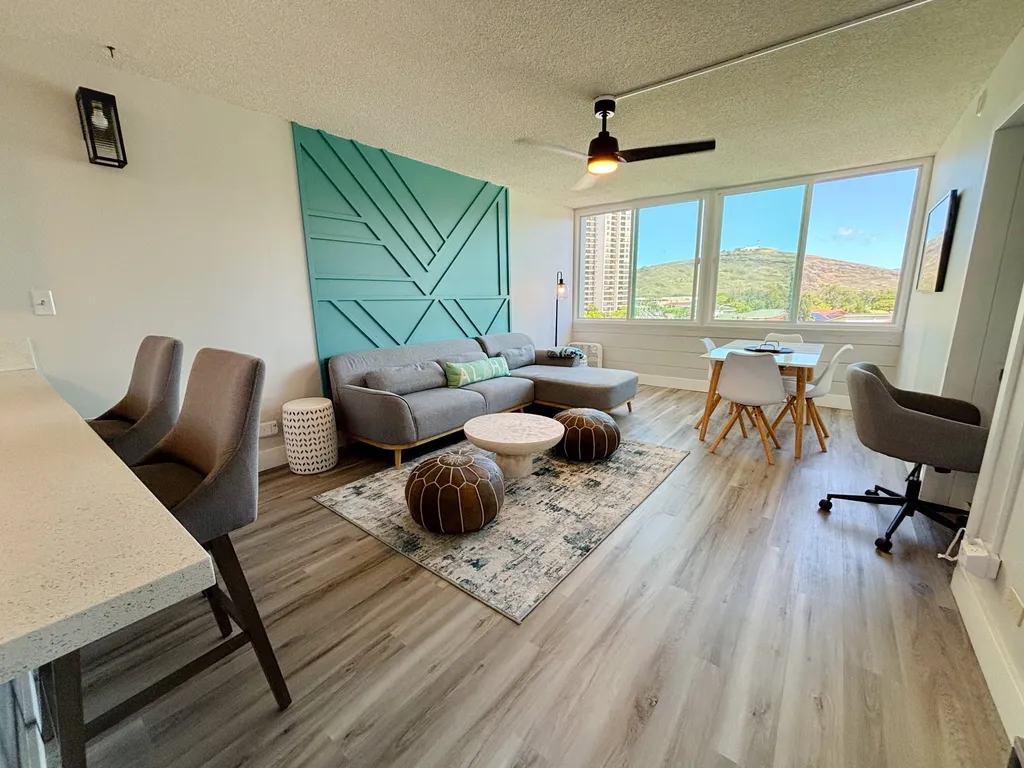
 condo2.6 mi1 / 24Photo 1 of 24
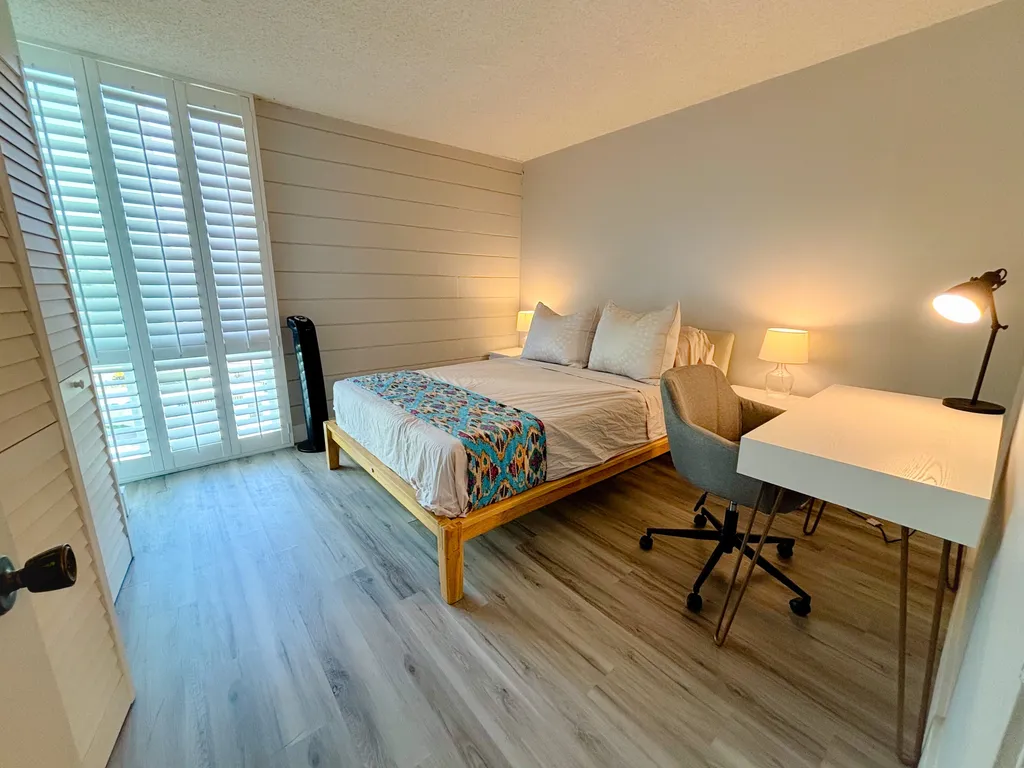

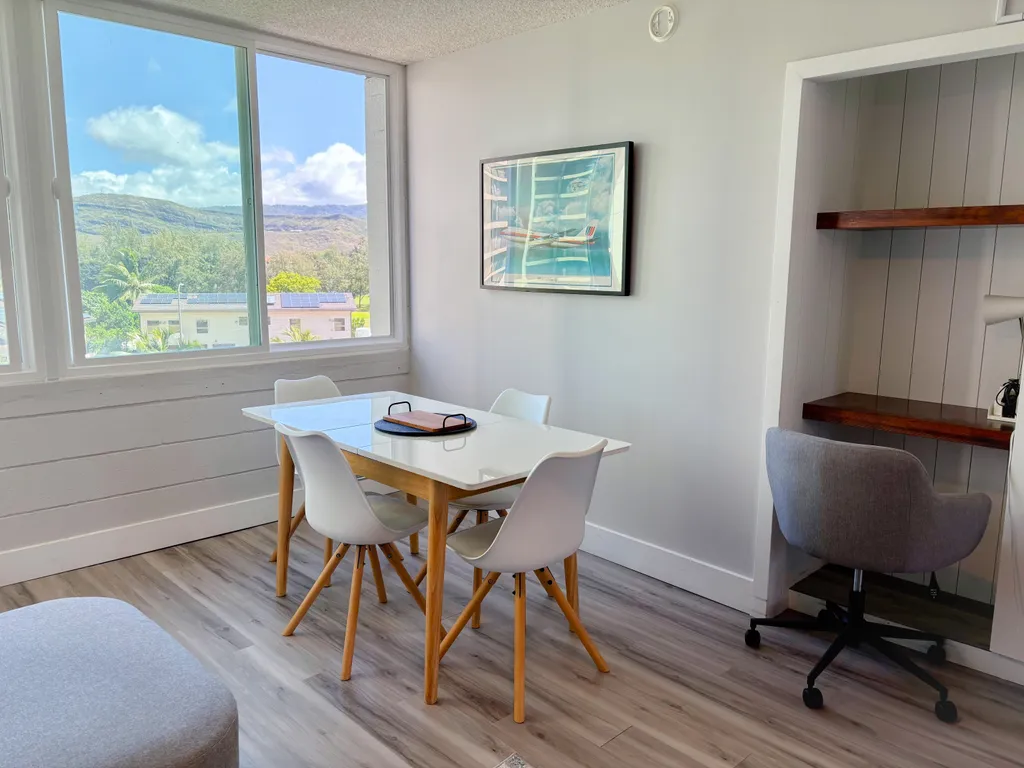
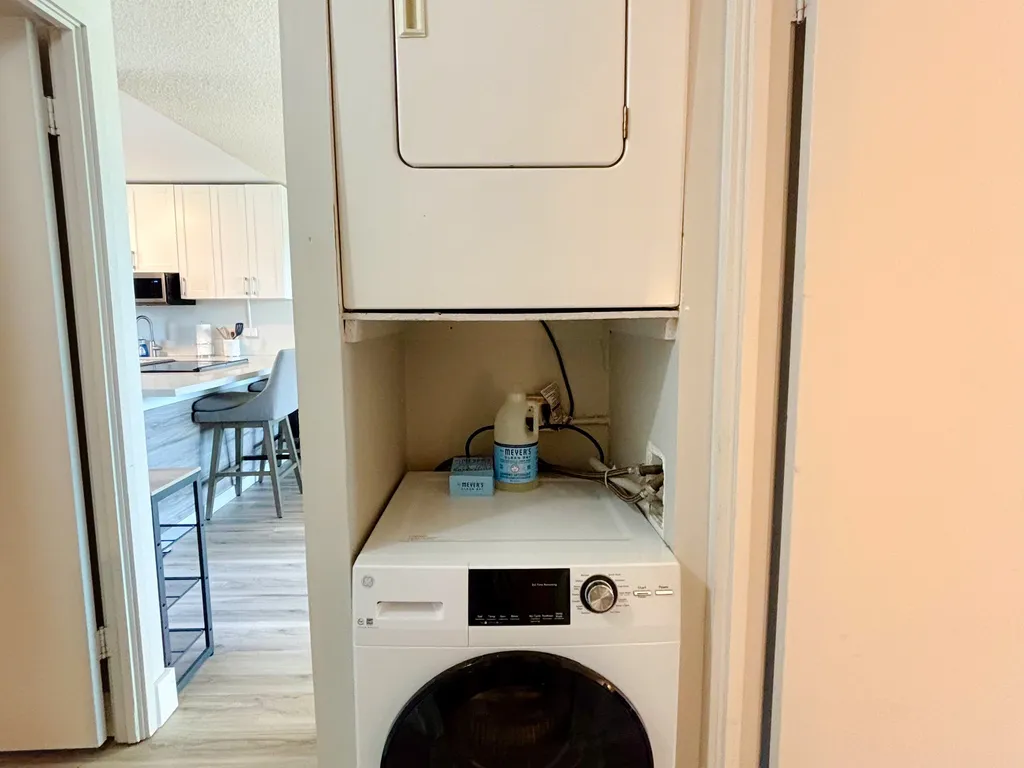
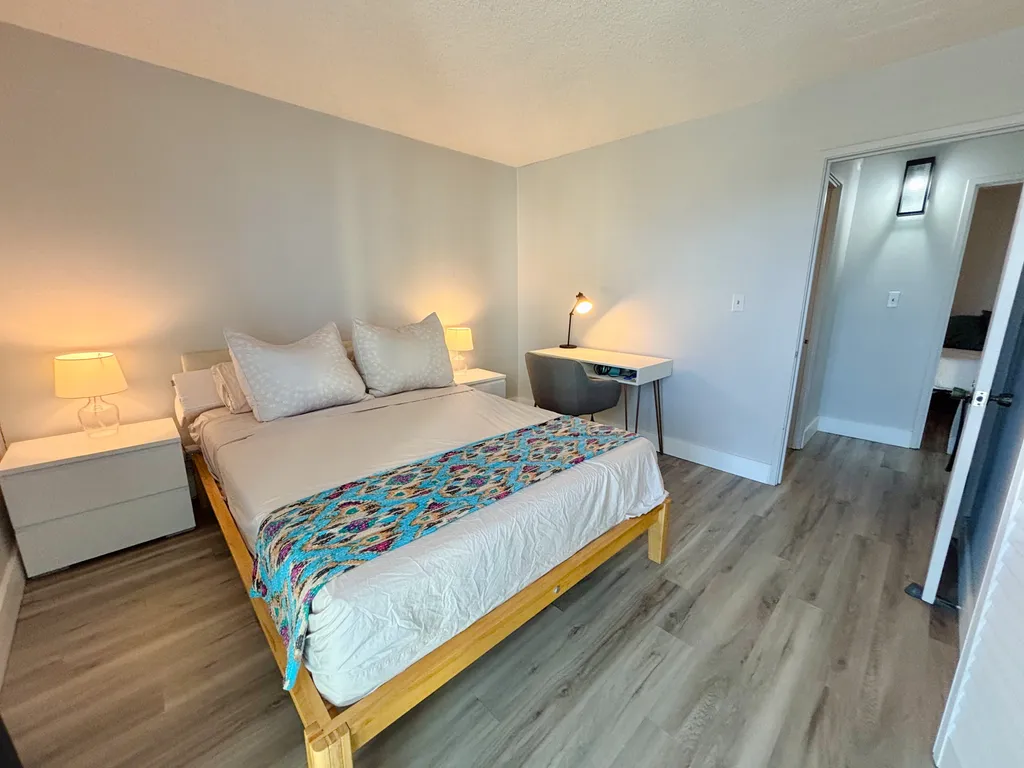

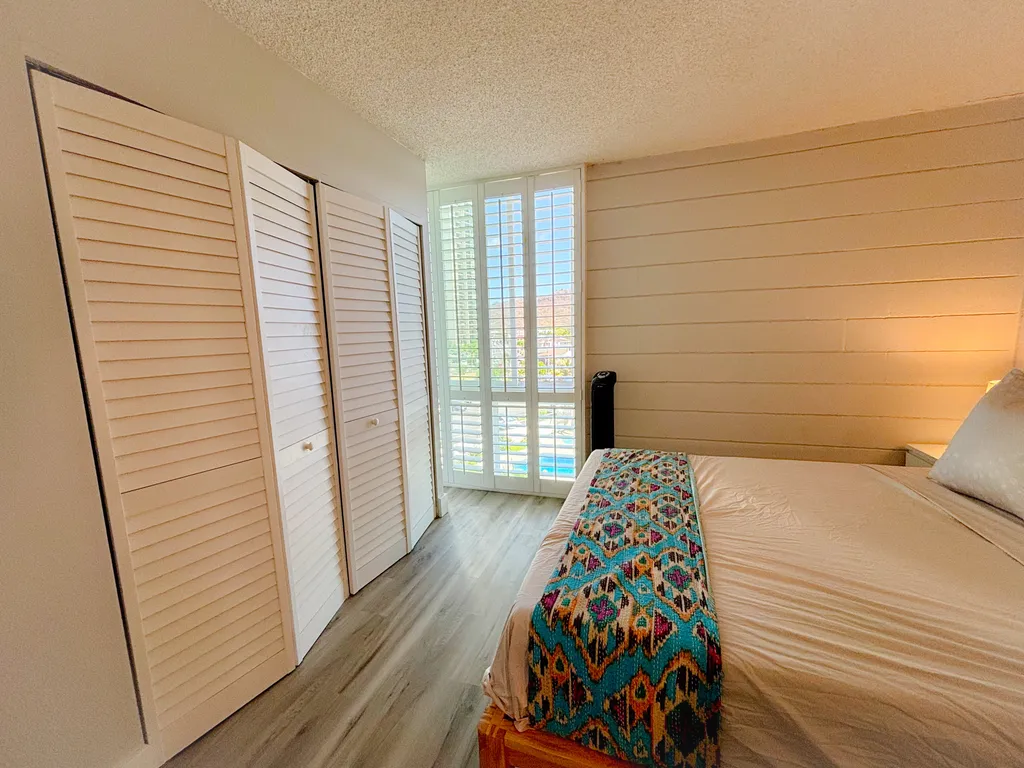


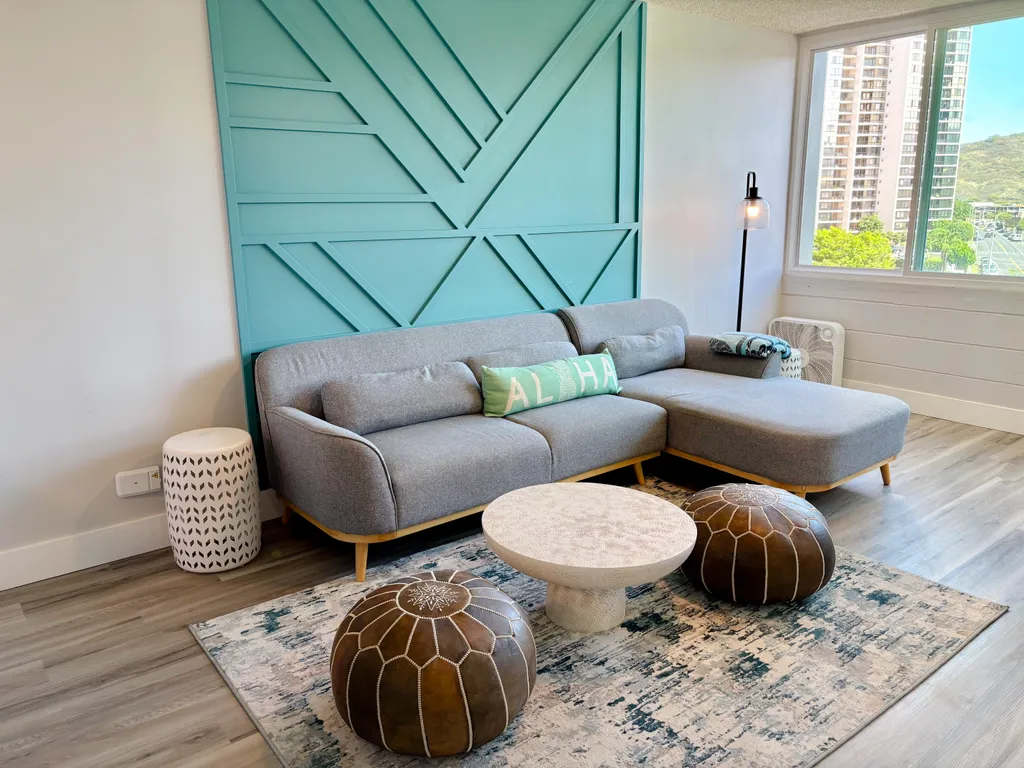
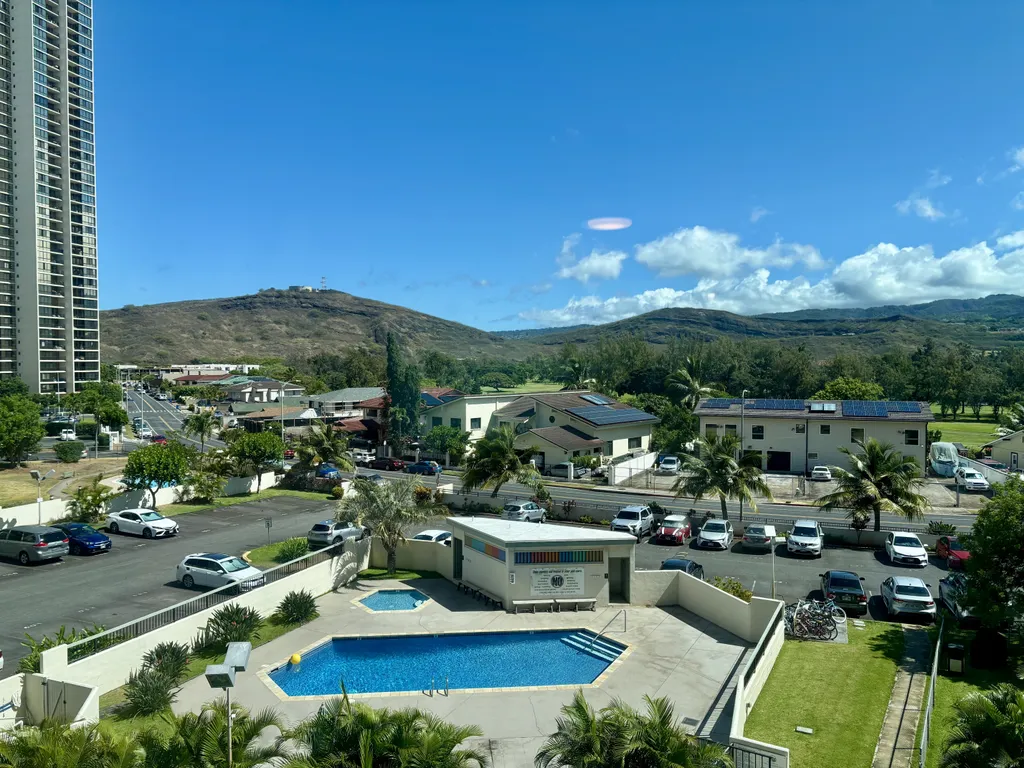

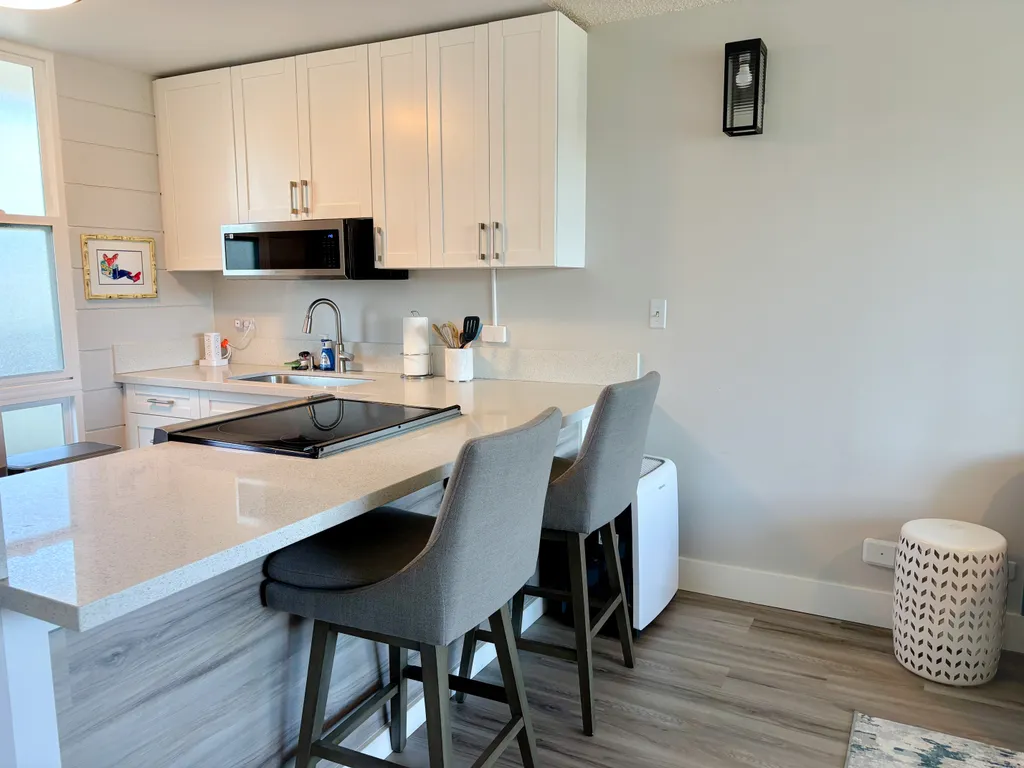
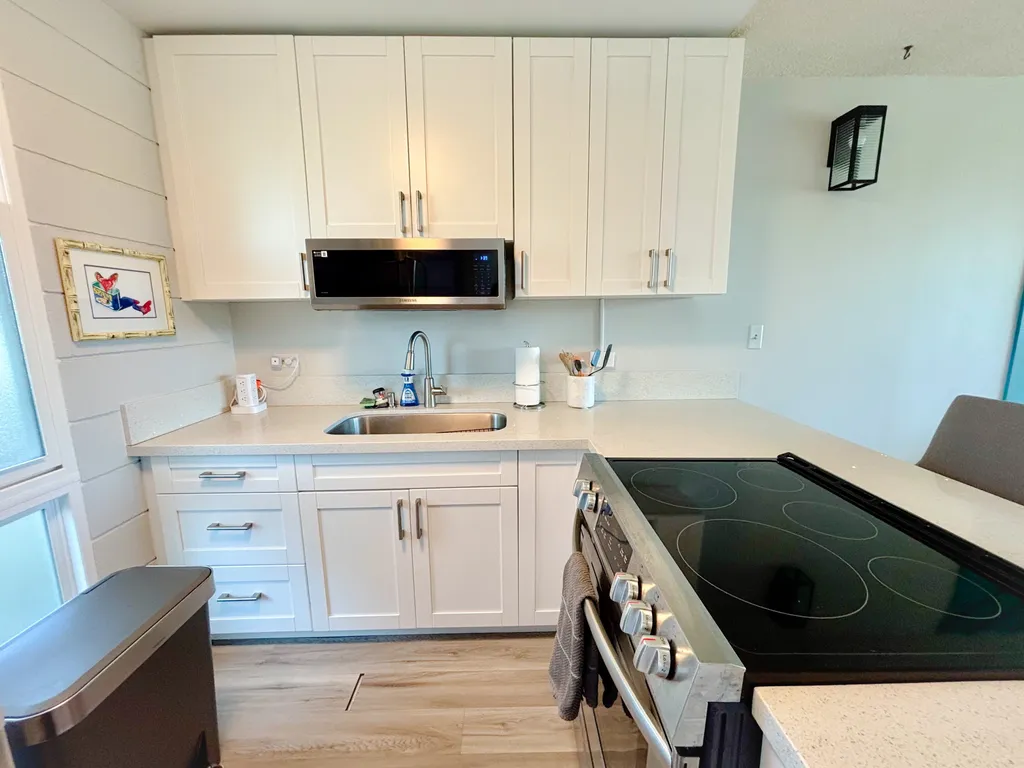
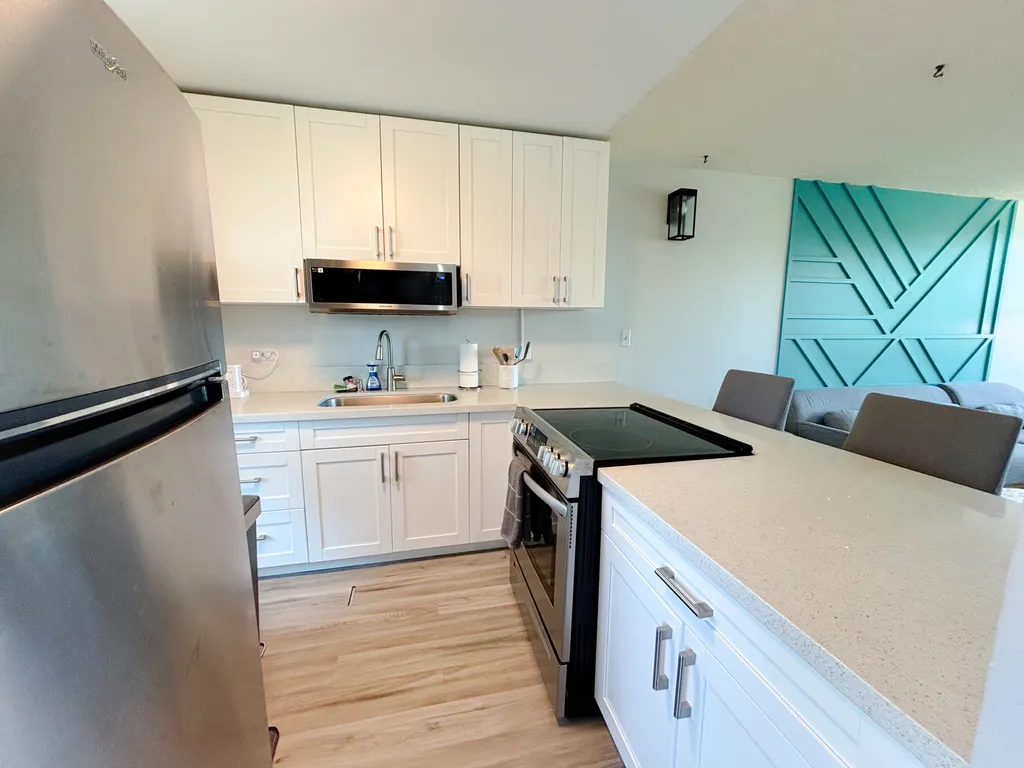
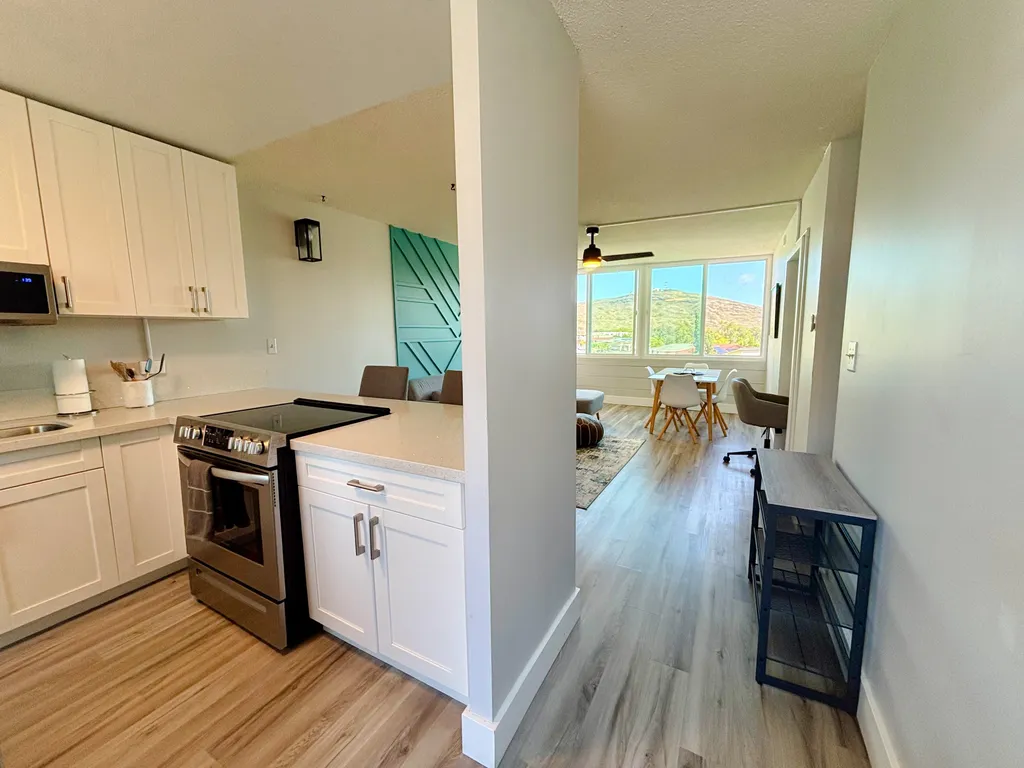
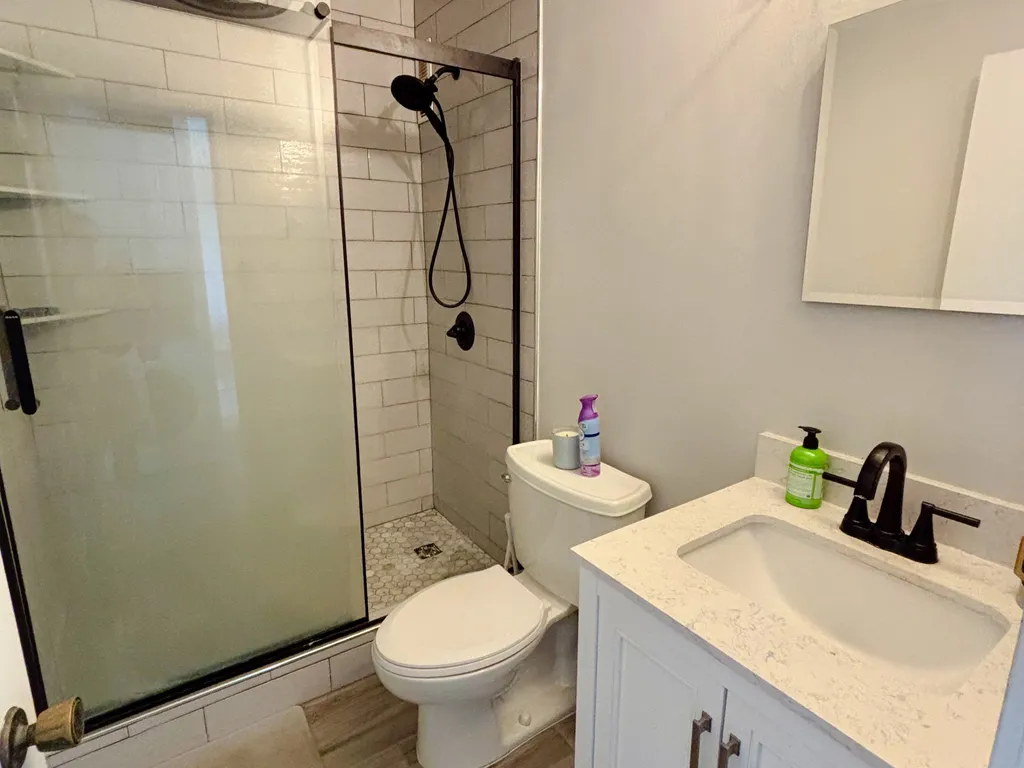
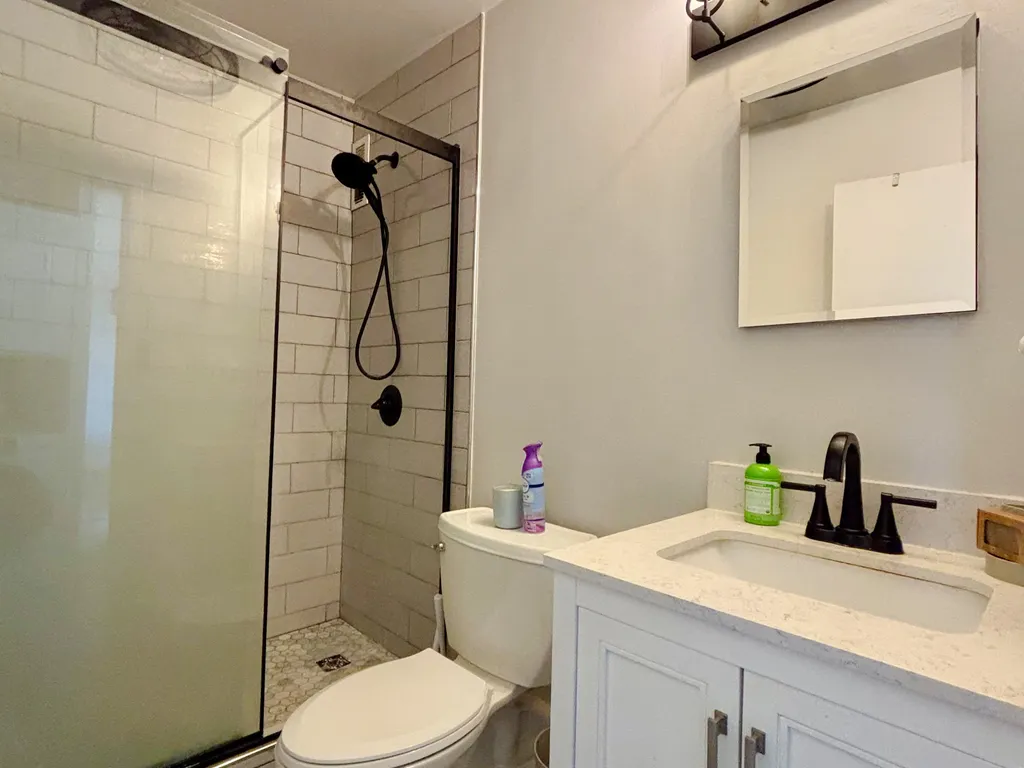

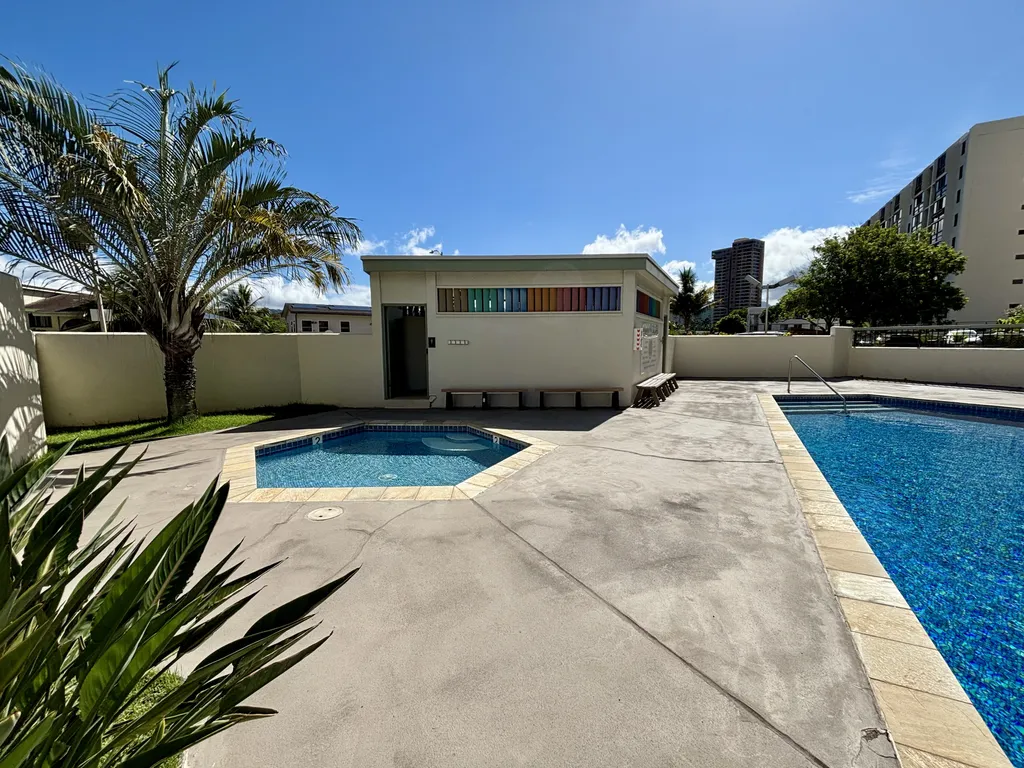
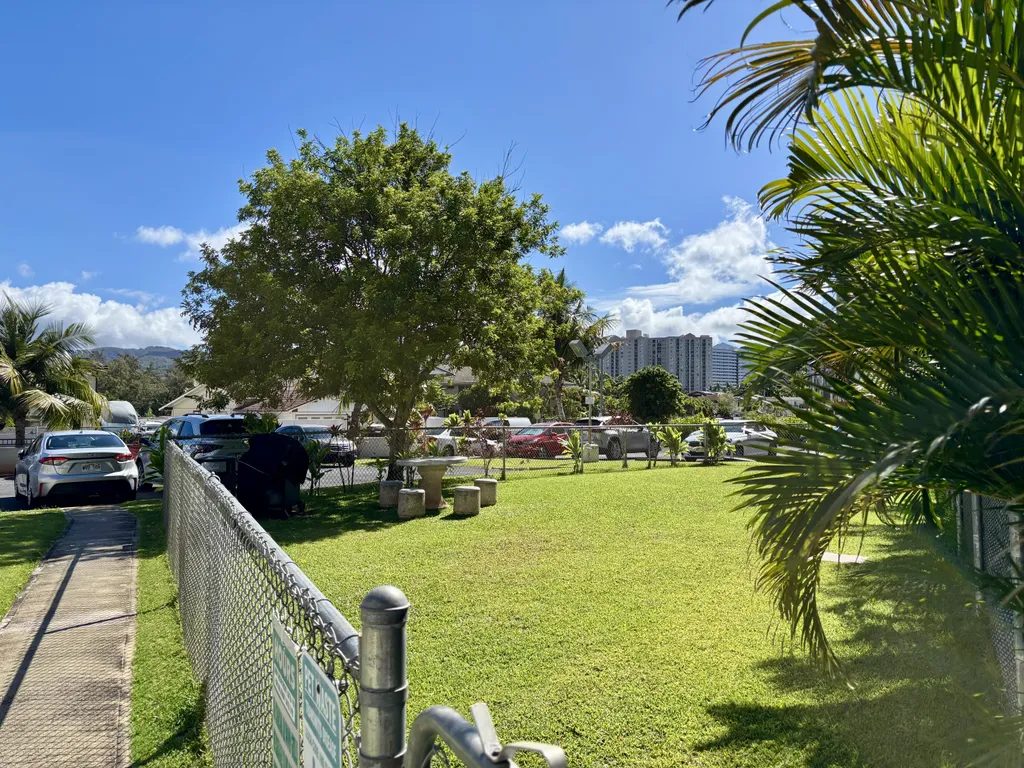
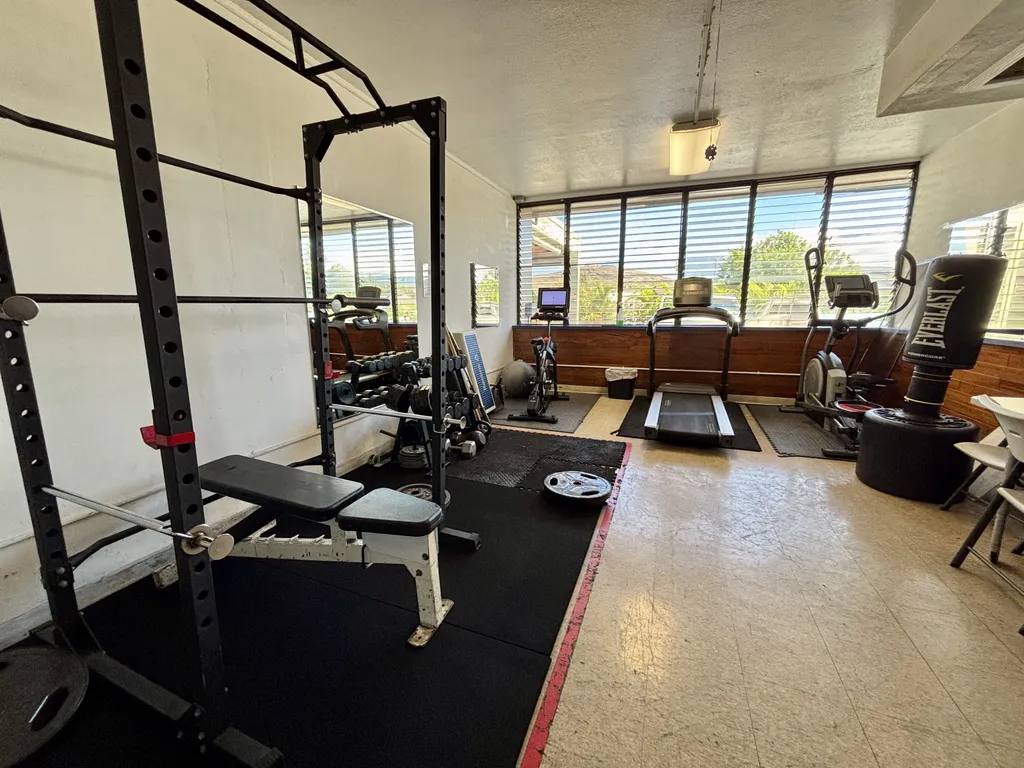
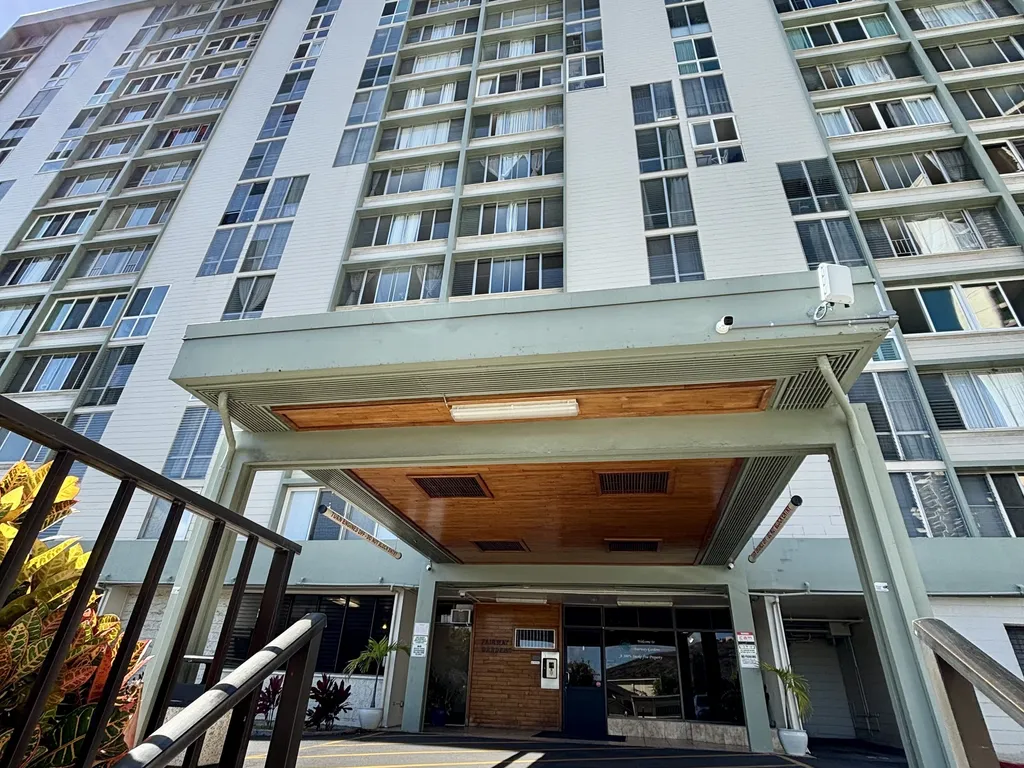
Chic Salt Lake 2-Bedroom @ FG
- Free Cancellation
The Bishop Museum in the Kalihi district of Honolulu is the largest museum in Hawaiʻi and holds the world's foremost collection of Hawaiian and Pacific cultural artifacts and natural-history specimens. It was founded in 1889 by Charles Reed Bishop in memory of his wife, Princess Bernice Pauahi Bishop, the last direct descendant of the Kamehameha line, and built around the royal heirlooms she left. Its centerpiece is the three-story, koa-wood Hawaiian Hall, hung with a sperm-whale skeleton and filled with feather capes, temple images, and royal regalia. The campus also includes Pacific Hall, the hands-on Science Adventure Center with an erupting indoor volcano, and a planetarium.
Photo by Daniel Ramirez. License: CC BY 2.0. Cropped for display.
condo2.6 mi1 / 24Photo 1 of 24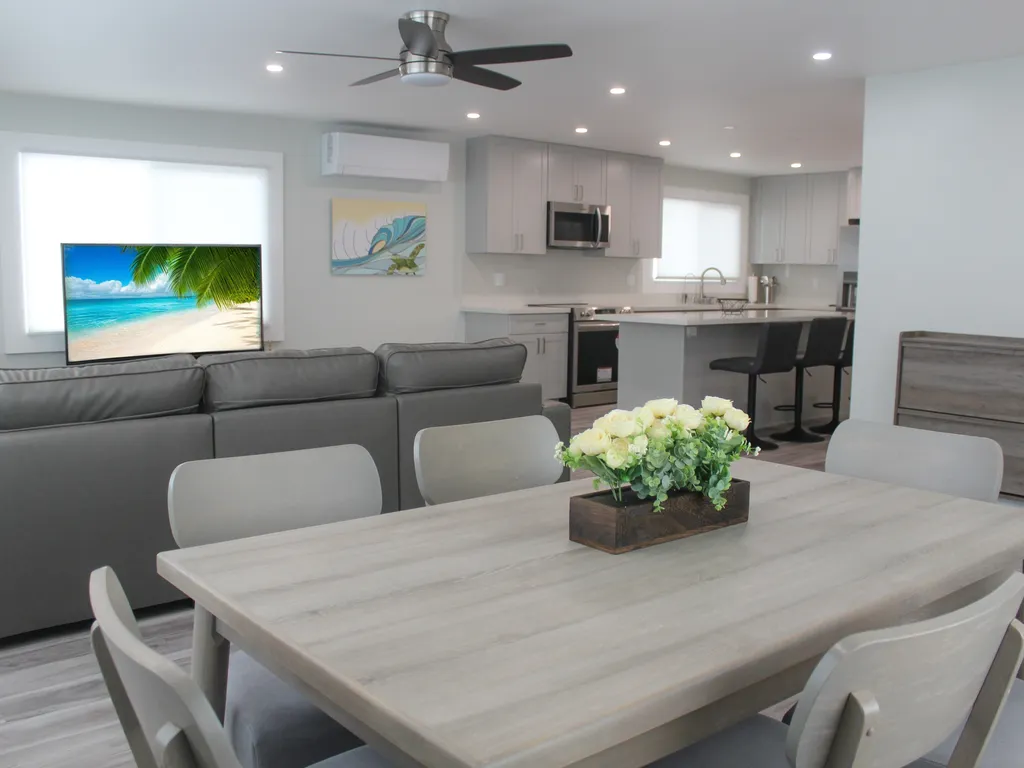 apts3.6 mi1 / 28Photo 1 of 28
 condo3.8 mi1 / 21Photo 1 of 21
 condo3.8 mi1 / 35Photo 1 of 35
 condo3.8 mi1 / 19Photo 1 of 19
 condo3.8 mi1 / 19Photo 1 of 19
 condo3.8 mi1 / 21Photo 1 of 21
 condo3.8 mi1 / 20Photo 1 of 20
 condo3.9 mi1 / 25Photo 1 of 25
 condo3.9 mi1 / 23Photo 1 of 23
 condo3.9 mi1 / 22Photo 1 of 22
 condo3.9 mi1 / 24Photo 1 of 24
Bishop Museum grew from a private inheritance into the state museum of Hawaiʻi. When Princess Bernice Pauahi Bishop — the last direct heir of Kamehameha the Great — died in 1884, she left the royal family's heirlooms to her husband, Charles Reed Bishop, who founded the museum in her memory in 1889 to house and study them. Today it holds the largest collection of Hawaiian and Polynesian cultural objects and Pacific natural-history specimens anywhere in the world: more than 24 million items spanning featherwork, kapa cloth, temple carvings, millions of insects and shells, and one of the great archives of Pacific photographs and recordings.
The heart of the campus is Hawaiian Hall, a three-story Victorian gallery lined floor to ceiling in dark Hawaiian koa wood, with a full sperm-whale skeleton suspended over the atrium and cases of feather capes, kāhili standards, and a carved temple image of the war god Kū. The adjoining Pacific Hall traces the broader Polynesian migrations across the ocean. Across the lawn, the Science Adventure Center is built for families, with a walk-through volcano that 'erupts' on a schedule and hands-on exhibits on island geology and ecology, and the planetarium runs shows on Hawaiian wayfinding and the night sky used by Polynesian navigators. Plan two to three hours, and time your visit around the volcano and planetarium show schedule.
A short loop through the exhibits, encounters, and shows that make this stop worth a half-day on its own.
A three-story gallery paneled entirely in Hawaiian koa, hung with a sperm-whale skeleton and filled with royal feather capes, kāhili, kapa, and temple images — the single most important room of Hawaiian artifacts anywhere.
The museum was founded in 1889 by Charles Reed Bishop in memory of his wife, Bernice Pauahi Bishop, the last Kamehameha descendant, and built around the royal heirlooms she left. Her story frames the whole collection.
An adjoining hall tracing the great Polynesian migrations across the Pacific, with artifacts from across Oceania showing the shared roots and distinct cultures of the island nations.
A hands-on, family-oriented science wing with a walk-through volcano that 'erupts' on a schedule, plus exhibits on Hawaiian geology, lava, and island ecology — the kids' highlight of the campus.
The Jhamandas Watumull Planetarium runs shows on the Hawaiian night sky and the star-compass wayfinding that Polynesian navigators used to find the islands — included with admission.
Behind the galleries sit more than 24 million specimens and cultural objects, including vast entomology, malacology, and botany collections and a major archive of Pacific photographs, recordings, and manuscripts.
Open daily 9:00 AM–5:00 PM, about 15 minutes from Waikīkī in the Kalihi district. Planetarium shows and the Science Adventure Center's volcano demonstrations run on set schedules through the day — check the daily program board on arrival.
Note · Last admission is around 4:00 PM; allow at least two to three hours for the full campus.
Per-person admission. Buy in advance to skip the gate line.
General admission includes Hawaiian Hall, Pacific Hall, the Science Adventure Center, and planetarium shows. Prices shown are representative; kamaʻāina and military discounts are available with ID.
Plan your visit