
 condo6.3 mi1 / 51Photo 1 of 51


Maalaea Banyans 102
- Free Cancellation
The Bailey House Museum — Hale Hōʻikeʻike — is the Maui Historical Society's museum in Wailuku, set in a thick-walled plaster-and-stone home built between 1833 and 1850 for missionary and teacher Edward Bailey. It stands on the former compound of Kahekili, Maui's last ruling chief, layering missionary, royal, and pre-contact history on one site. Inside, the collection runs from pre-contact Hawaiian artifacts — kapa cloth, stone tools, weapons, and calabashes — to Edward Bailey's own 19th-century landscape paintings of a Maui now vanished, plus a koa-wood surfboard and exhibits on the island's plantation era. It's a compact, atmospheric stop in the heart of old Wailuku.
Photo by Oscar O Oscar. License: CC BY-SA 3.0. Cropped for display.
condo6.3 mi1 / 51Photo 1 of 51 condo6.4 mi1 / 64Photo 1 of 64
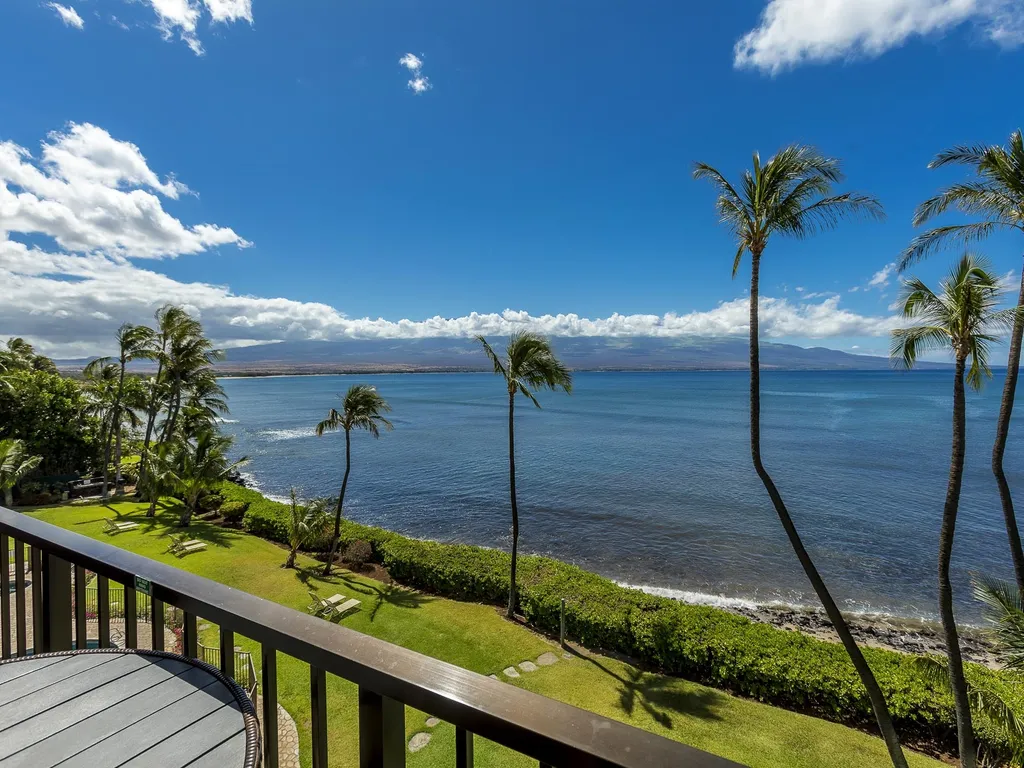 condo6.4 mi1 / 58Photo 1 of 58
 condo6.4 mi1 / 49Photo 1 of 49
 condo6.4 mi1 / 41Photo 1 of 41
 condo6.5 mi1 / 56Photo 1 of 56
 condo6.5 mi1 / 54Photo 1 of 54
 condo6.5 mi1 / 34Photo 1 of 34
 condo6.5 mi1 / 30Photo 1 of 30
 condo6.6 mi1 / 64Photo 1 of 64
 condo7.5 mi1 / 20Photo 1 of 20
 condo7.5 mi1 / 26Photo 1 of 26
The Bailey House is one of the oldest Western buildings on Maui, a sturdy home of plastered stone and timber built in stages between 1833 and 1850. It was the residence of Edward and Caroline Bailey — he a missionary, teacher, and later manager of the Wailuku Female Seminary that once stood here — and it sits on land that was the royal compound of Kahekili, the powerful chief who ruled Maui in the late 1700s. That overlay of histories is the point: you stand in a missionary's parlor on the ground of a Hawaiian king, in a town that became the center of Maui's plantation era. The Maui Historical Society has run it as Hale Hōʻikeʻike — 'house of display' — since the 1950s.
The collection inside is small but rich. Pre-contact Hawaiian artifacts include kapa (bark cloth), stone poi pounders, fishhooks, weapons, and koa calabashes, alongside a koa-wood surfboard and items tied to Hawaiian watermen. A standout is the group of Edward Bailey's own oil paintings — careful 19th-century landscapes of Wailuku, ʻĪao Valley, and a Maui shoreline that has since changed beyond recognition, valued as much as historical records as art. Other rooms cover the missionary household and the sugar-plantation decades. It's an easy hour, and because it sits at the foot of ʻĪao Valley Road, it pairs naturally with the Kepaniwai Heritage Gardens and the ʻĪao Needle just up the hill.
A short loop through the exhibits, encounters, and shows that make this stop worth a half-day on its own.
Built between 1833 and 1850 with thick plastered stone walls, the Bailey House is among the oldest Western buildings on Maui and the historic home of missionary-teacher Edward Bailey.
The house stands on land that was the compound of Kahekili, Maui's last ruling chief in the late 1700s — layering pre-contact royal history beneath the mission-era building.
The collection holds kapa bark cloth, stone poi pounders, fishhooks, weapons, and koa calabashes — everyday and ceremonial objects from Hawaiian Maui before Western contact.
A gallery of Bailey's own 19th-century oil landscapes records Wailuku, ʻĪao Valley, and a Maui coastline long since transformed — prized as historical documents as much as art.
Among the highlights is a traditional koa-wood surfboard and items connected to early Hawaiian surfing and watermen, tracing the islands' deep surf heritage.
The museum sits on Main Street at the foot of ʻĪao Valley Road, making it an easy pairing with the Kepaniwai Heritage Gardens and the ʻĪao Needle just a few minutes uphill.
Open Monday–Saturday 10:00 AM–4:00 PM and closed Sundays, on Main Street in historic Wailuku near the entrance to ʻĪao Valley. The museum is small — allow about an hour — and easily paired with Kepaniwai Gardens and the ʻĪao Needle up the road.
Note · Last admission is around 3:30 PM; the historic house has stairs and narrow period rooms.
Per-person admission. Buy in advance to skip the gate line.
Admission supports the nonprofit Maui Historical Society. Prices shown are representative; kamaʻāina rates are available with ID.
Plan your visit


