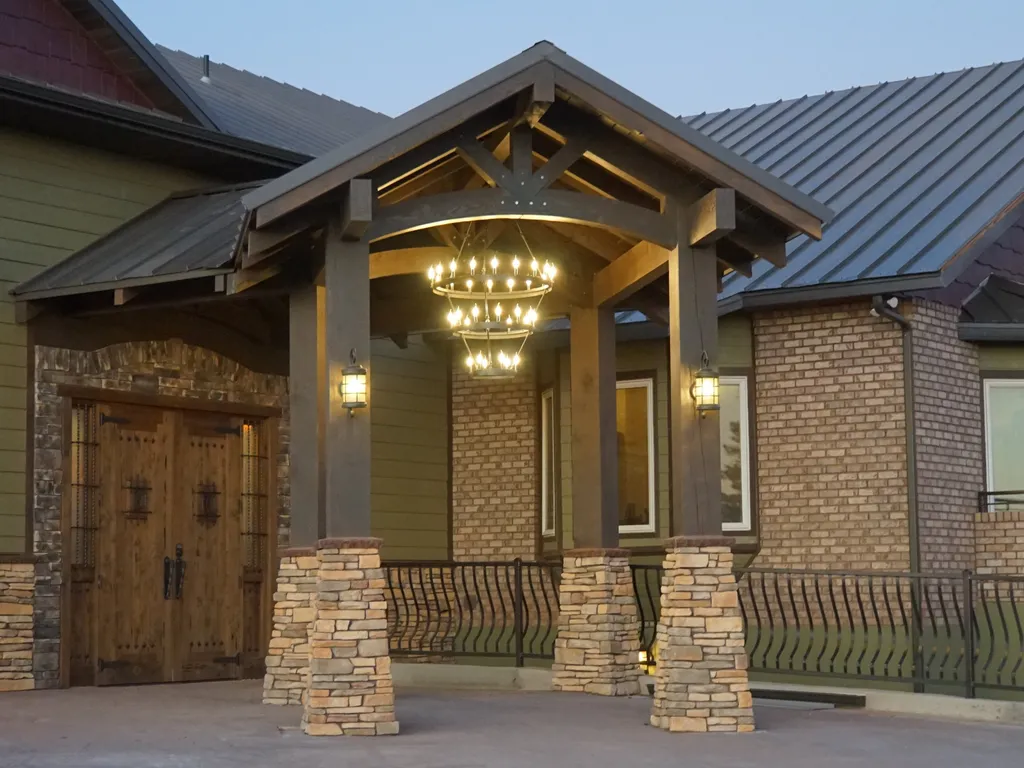
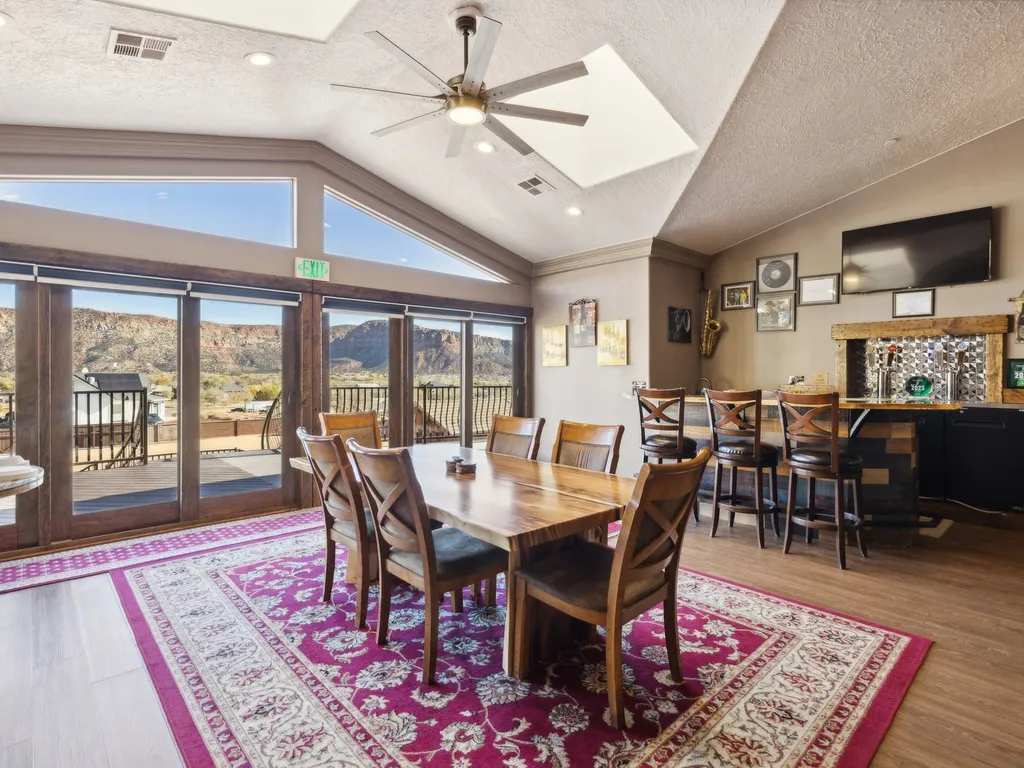
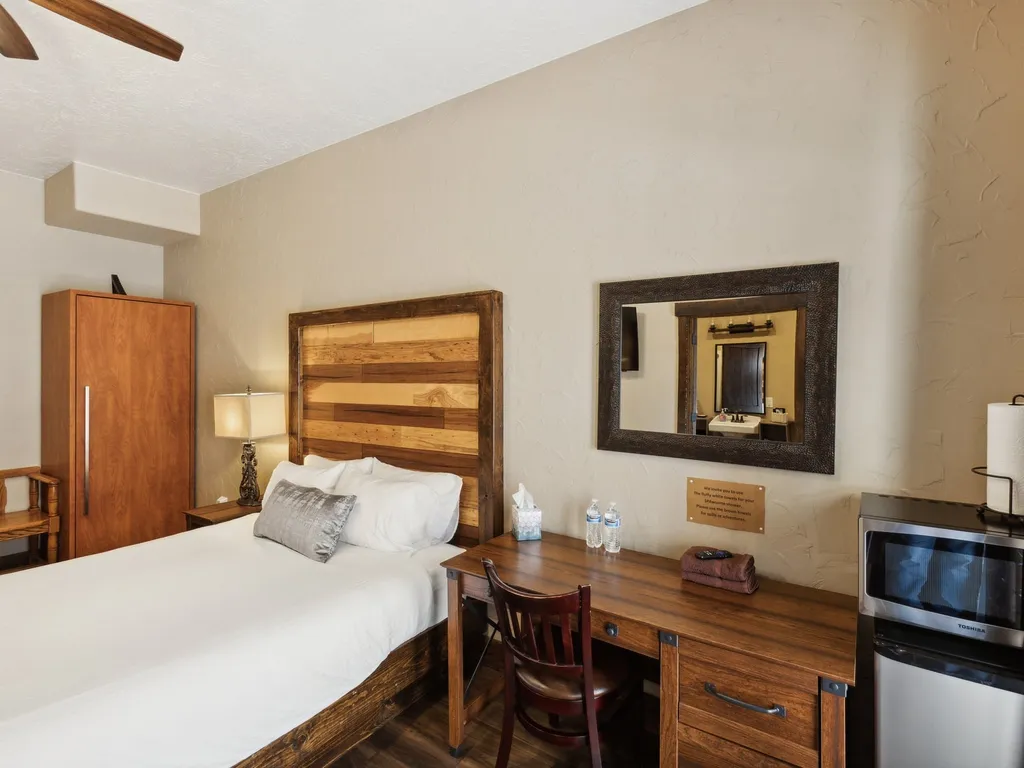
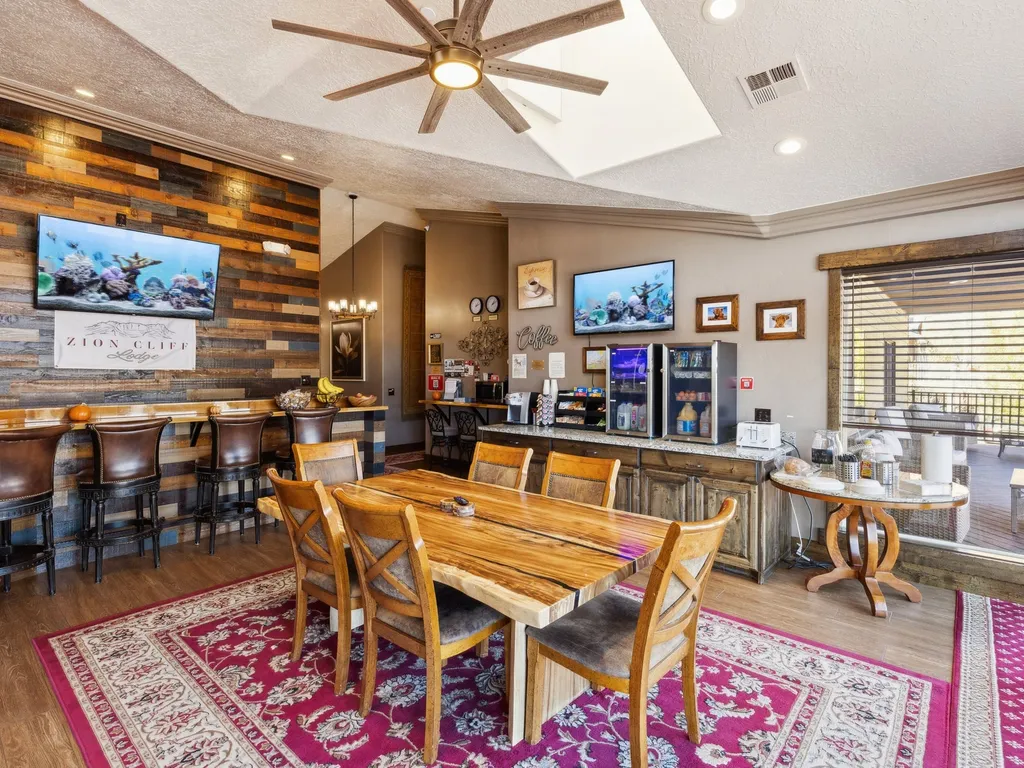
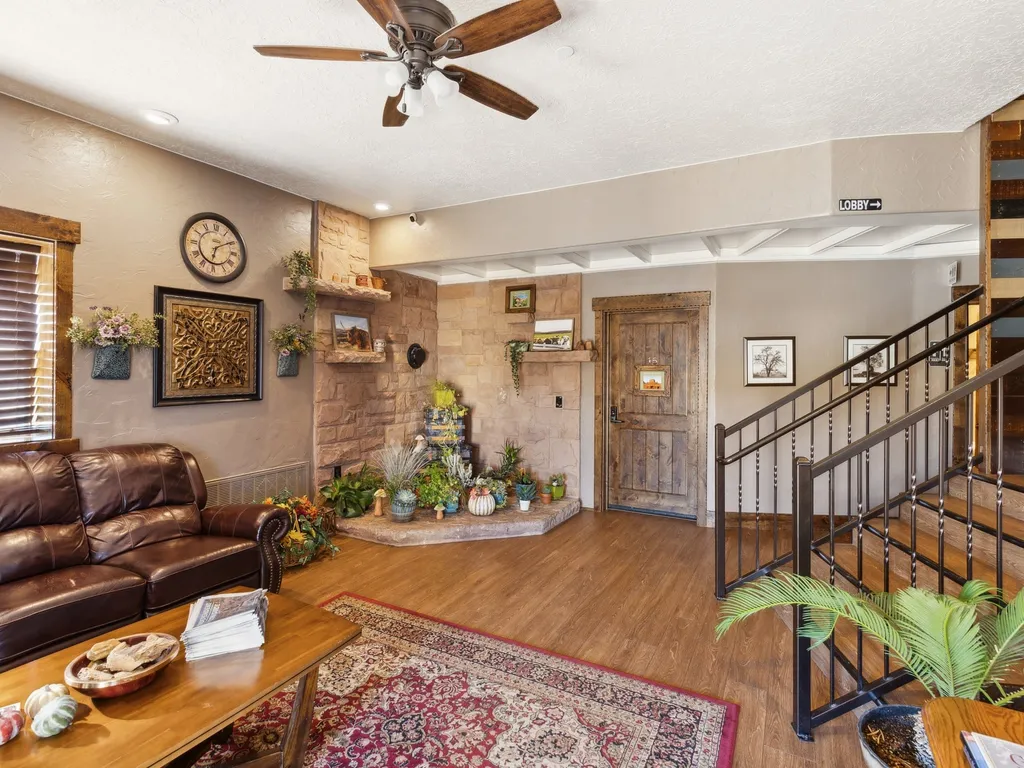
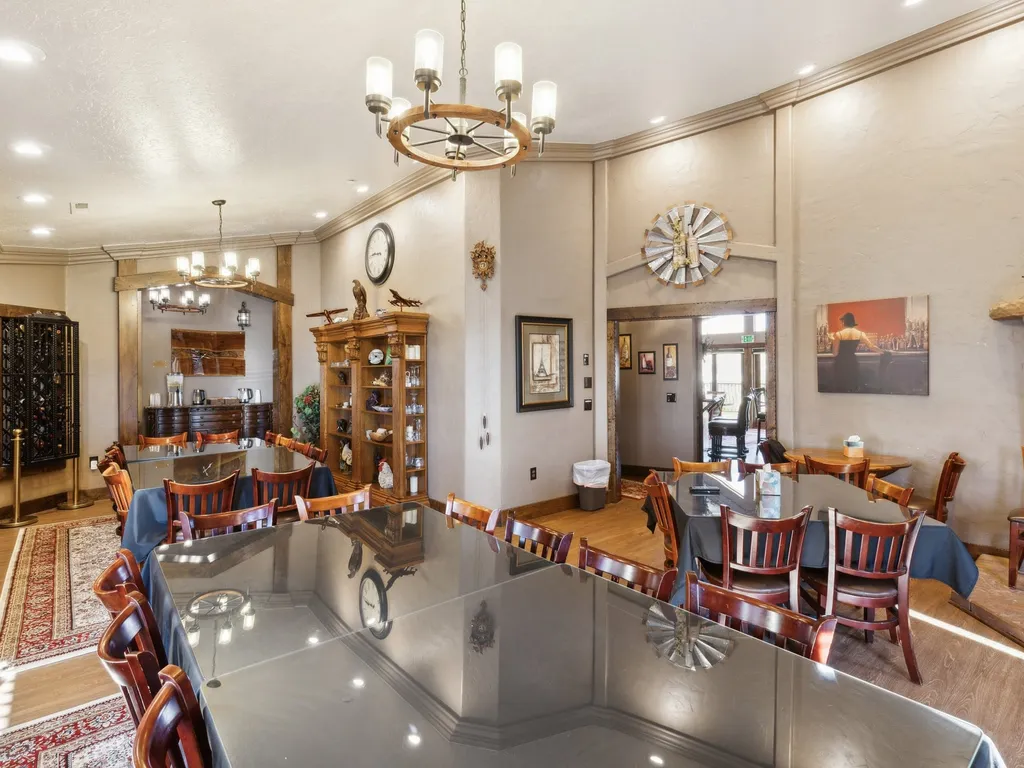
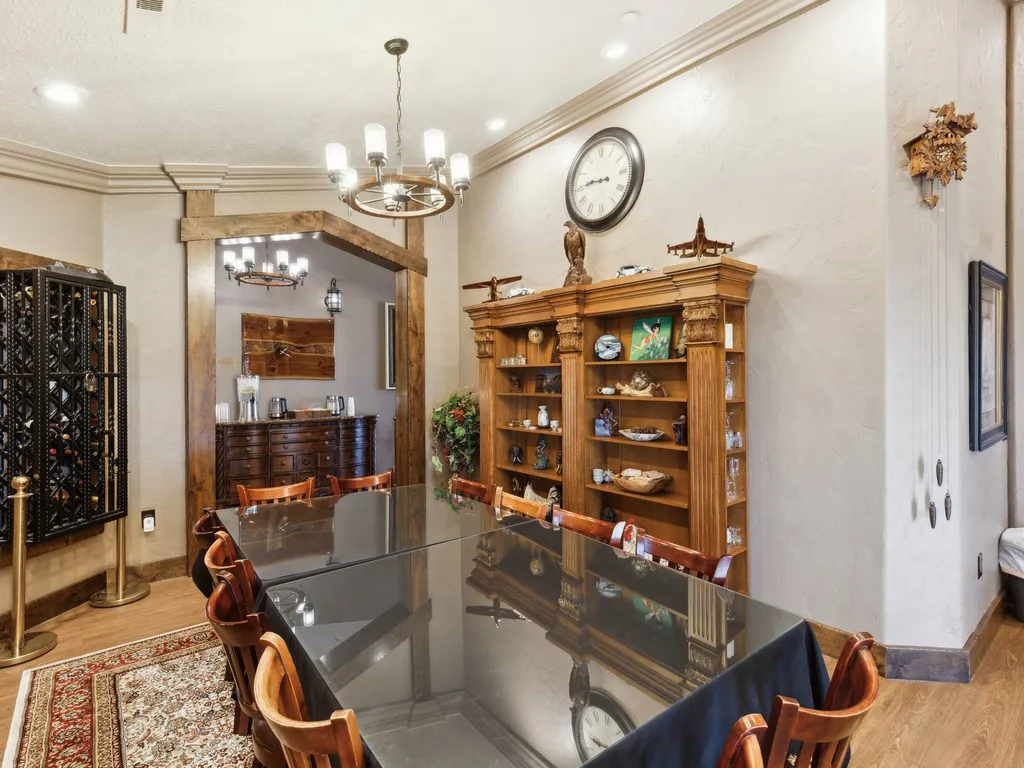
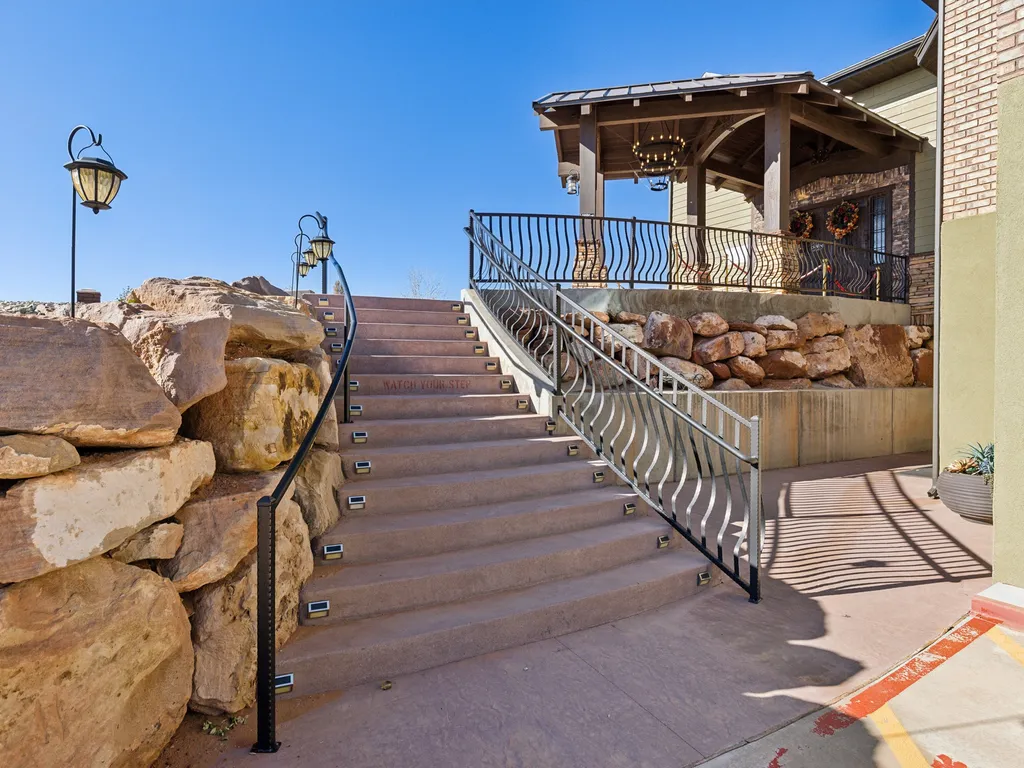
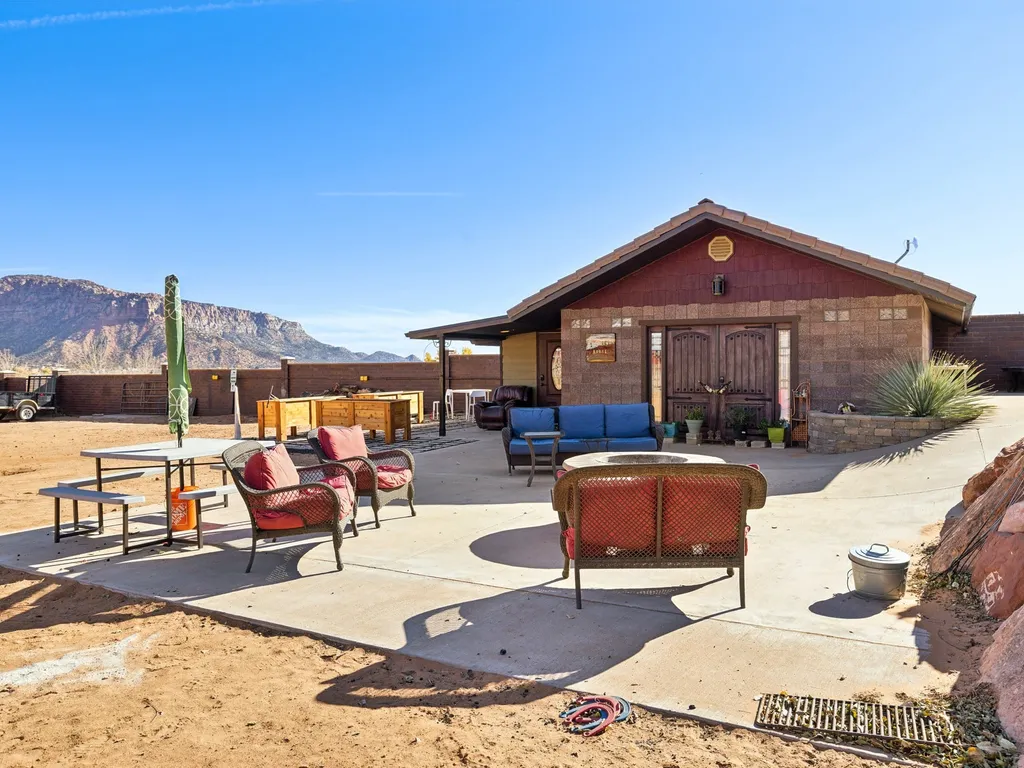
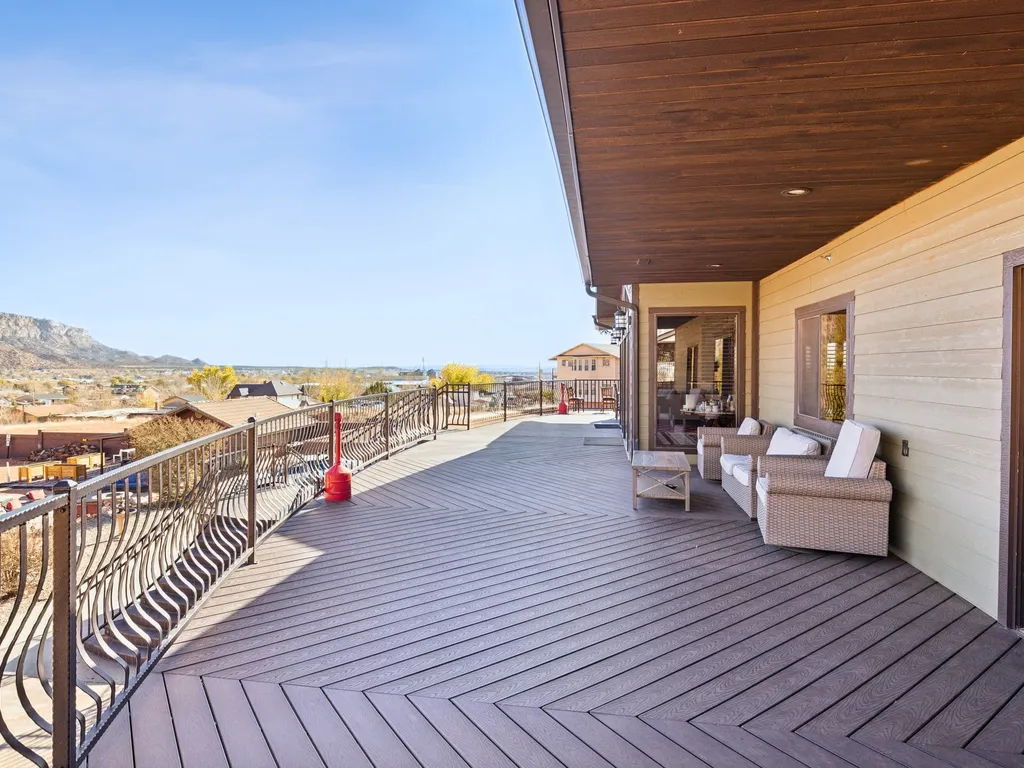
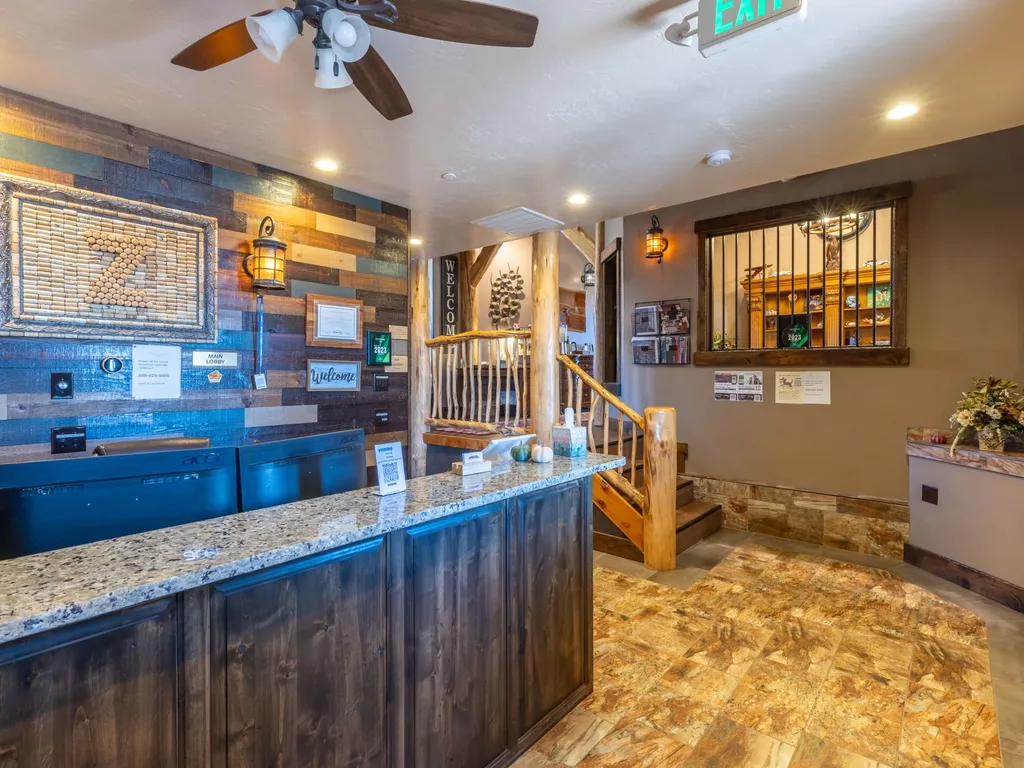
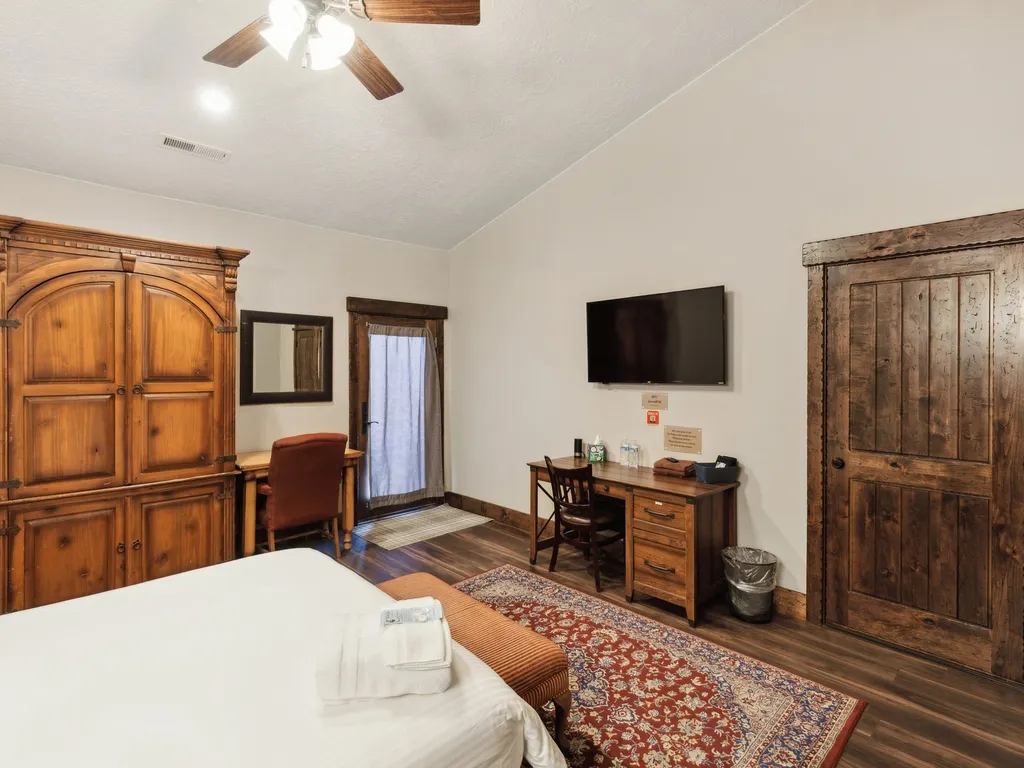
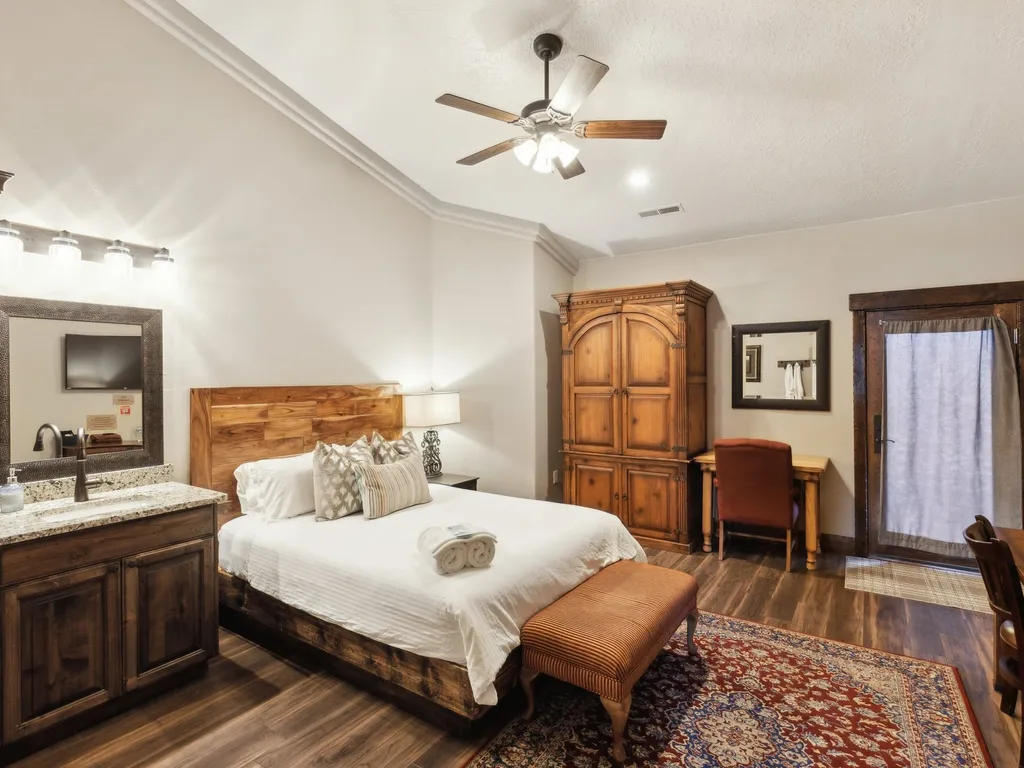
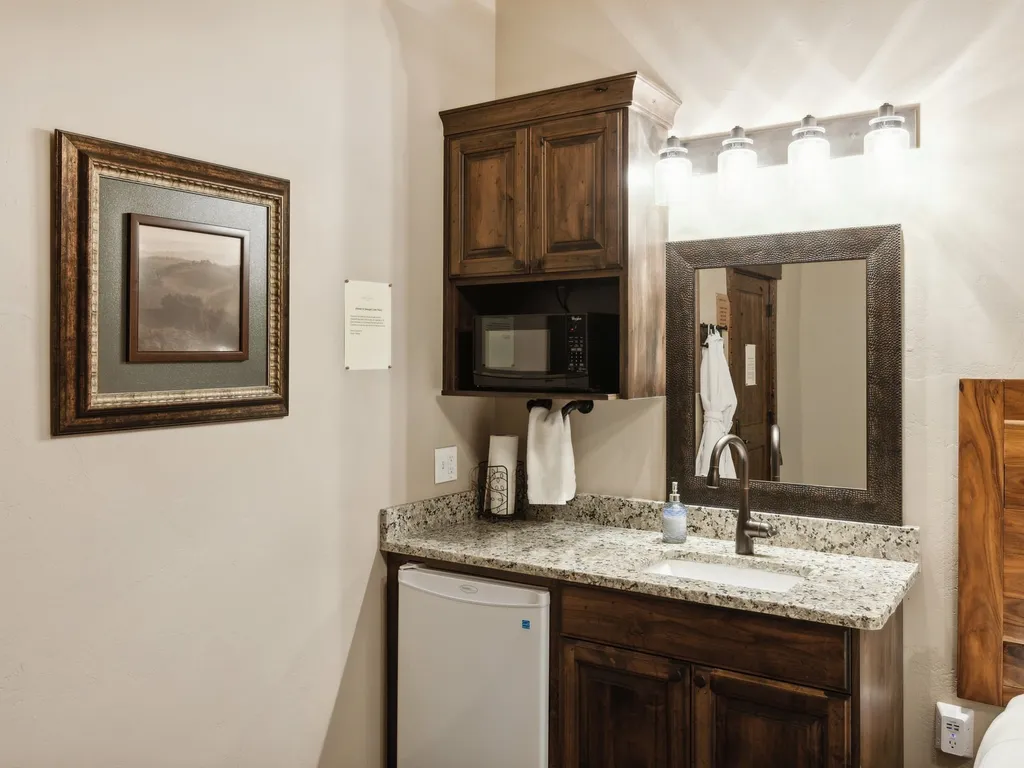
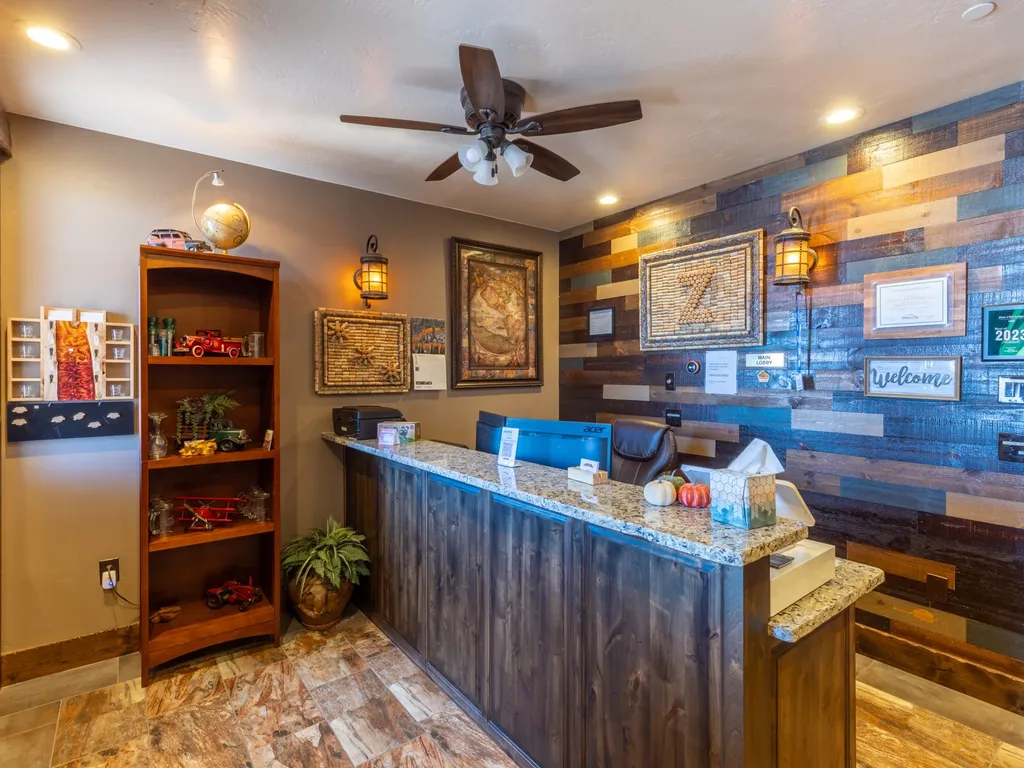
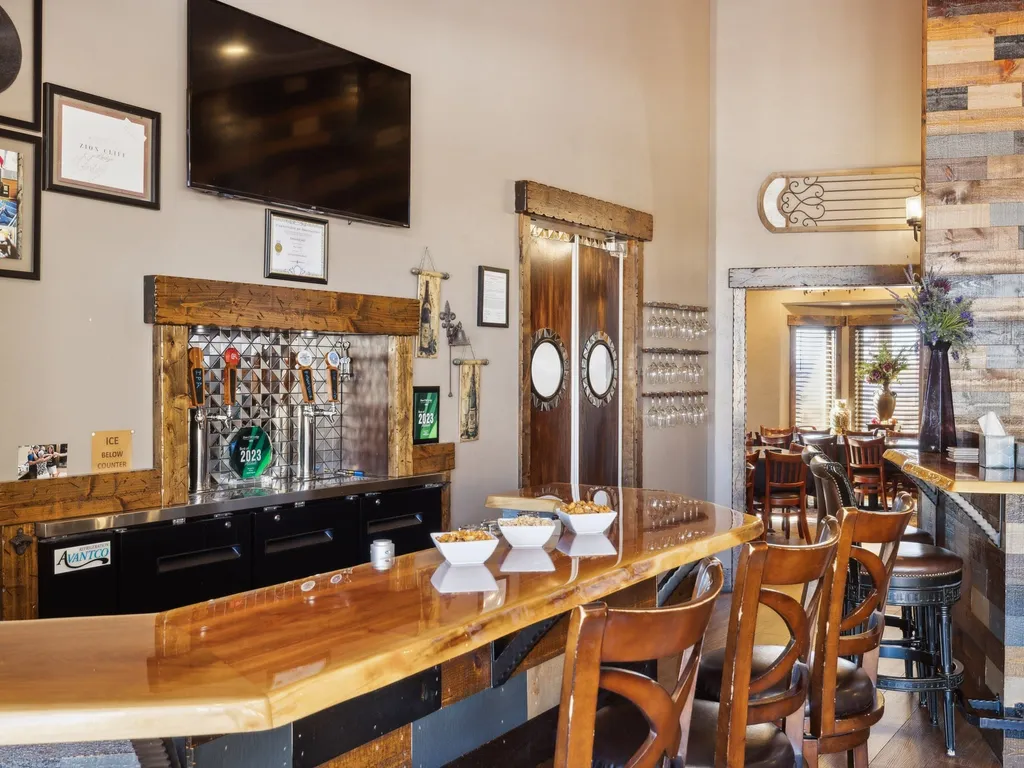
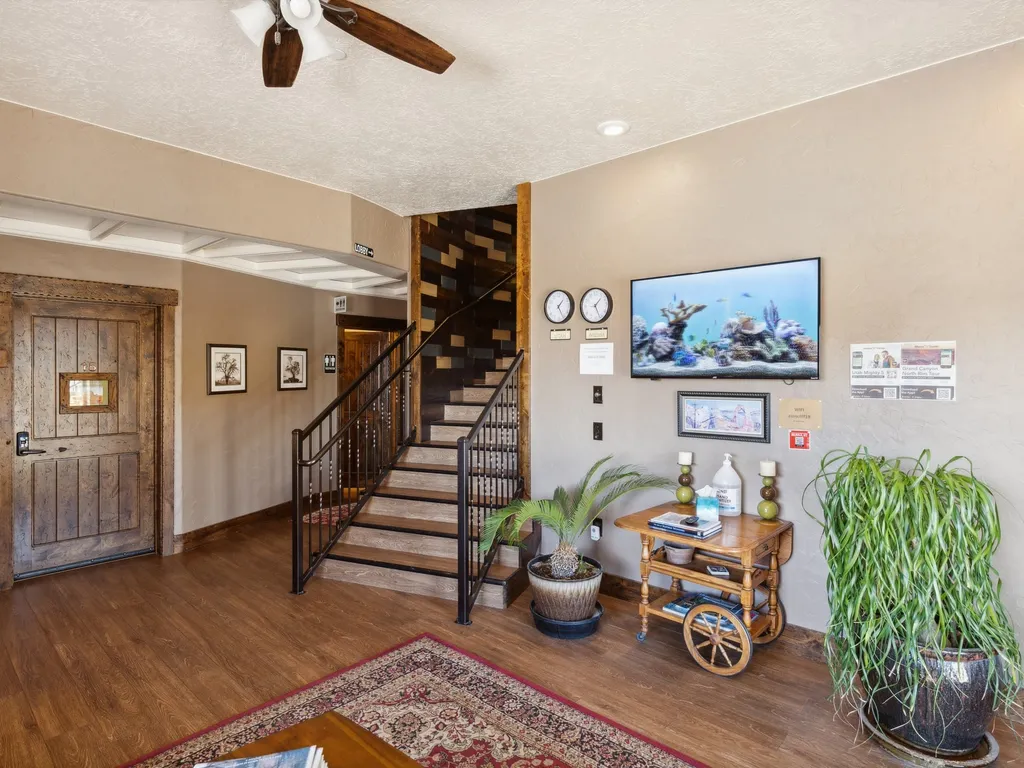
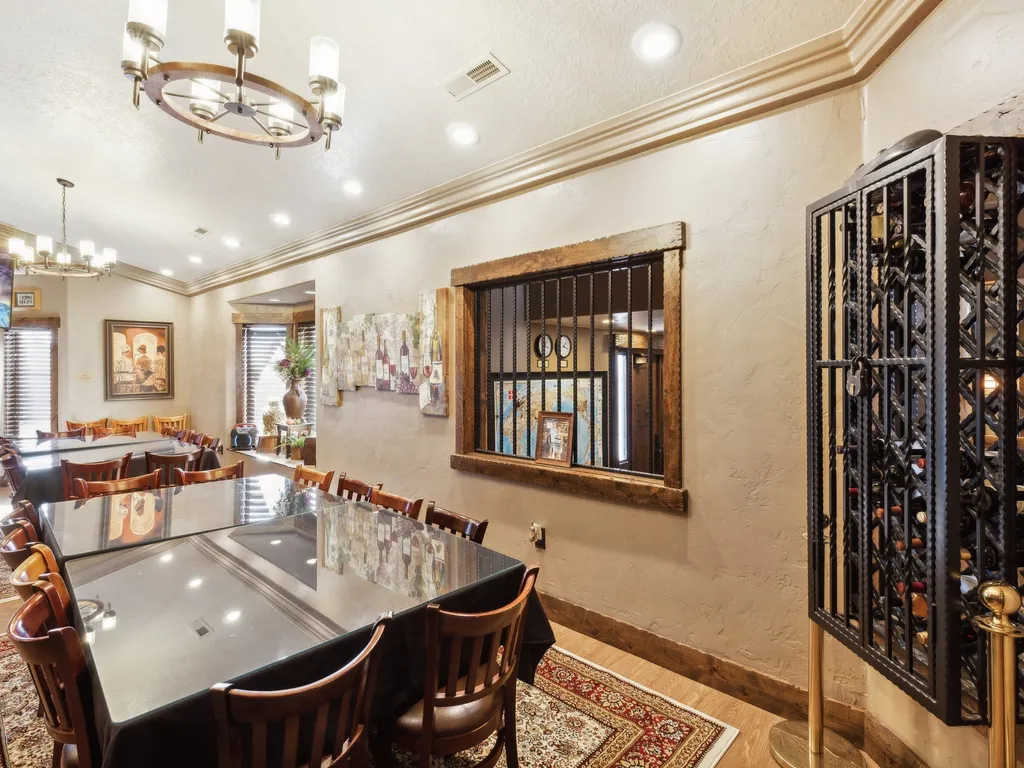
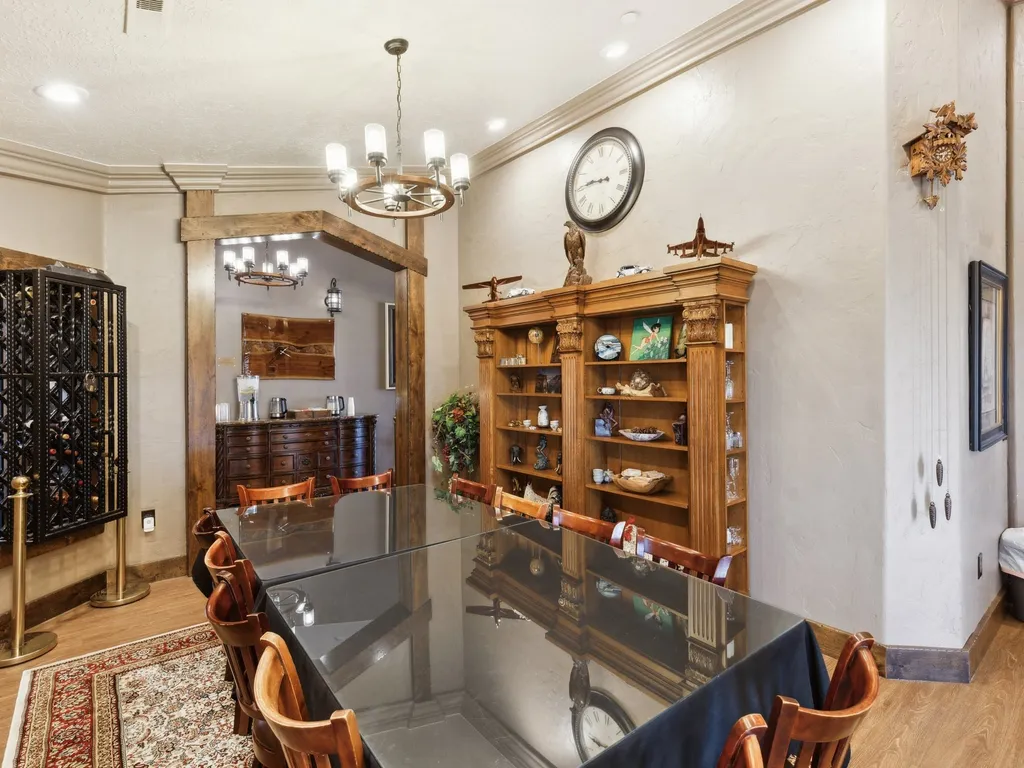
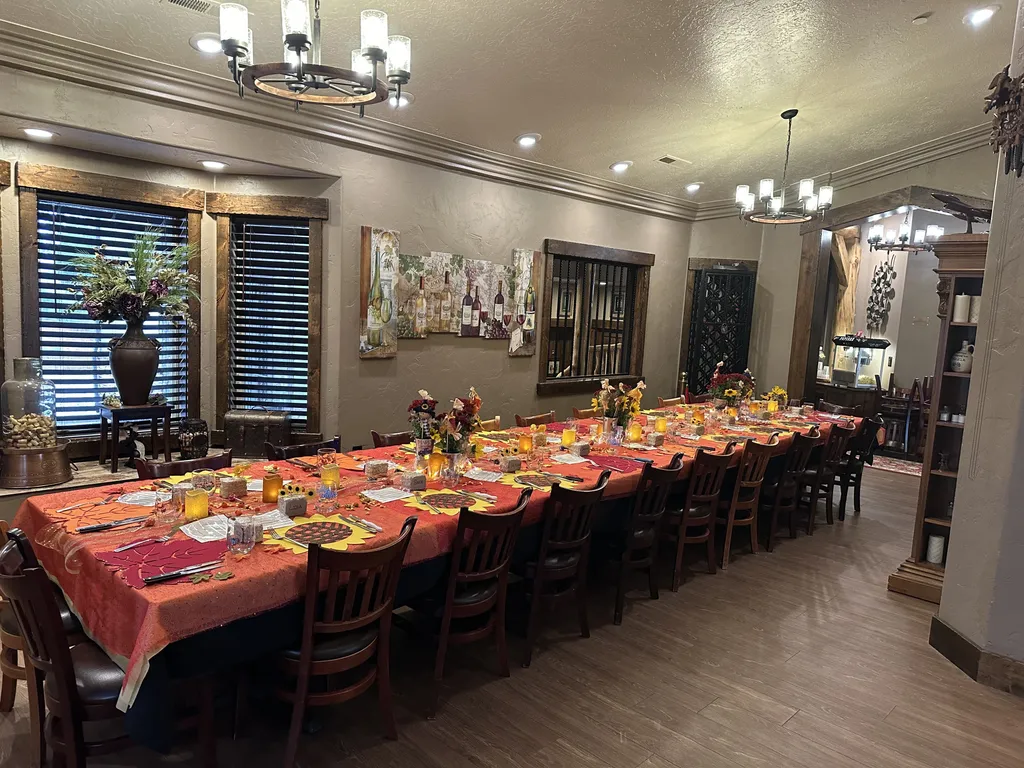
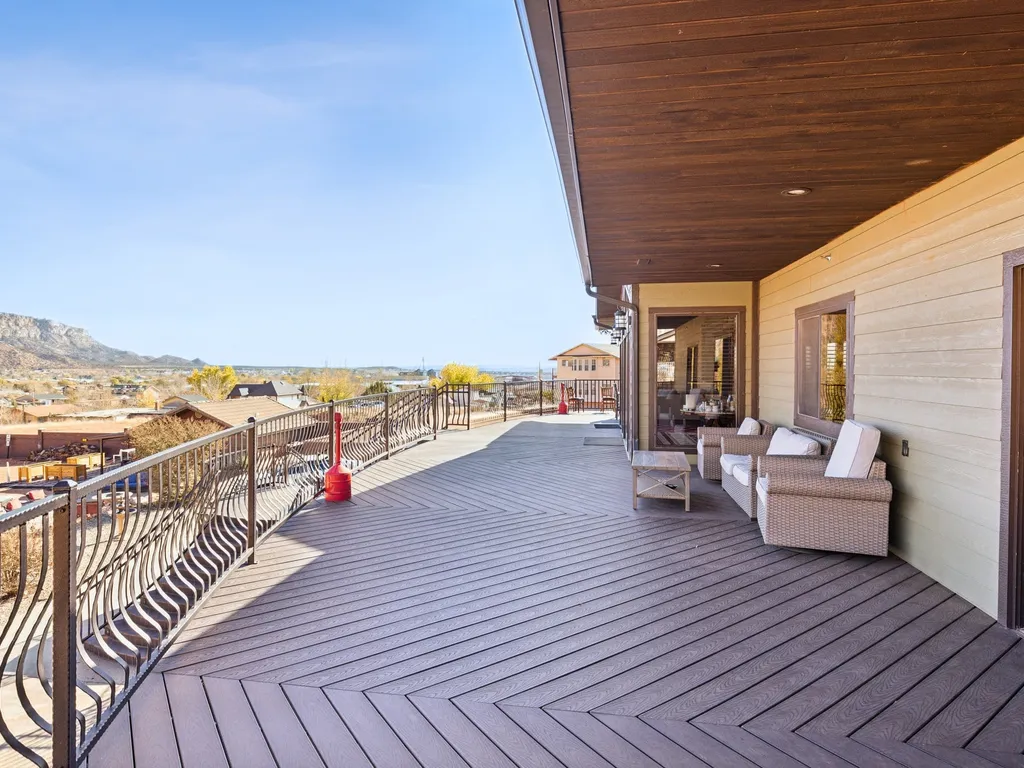
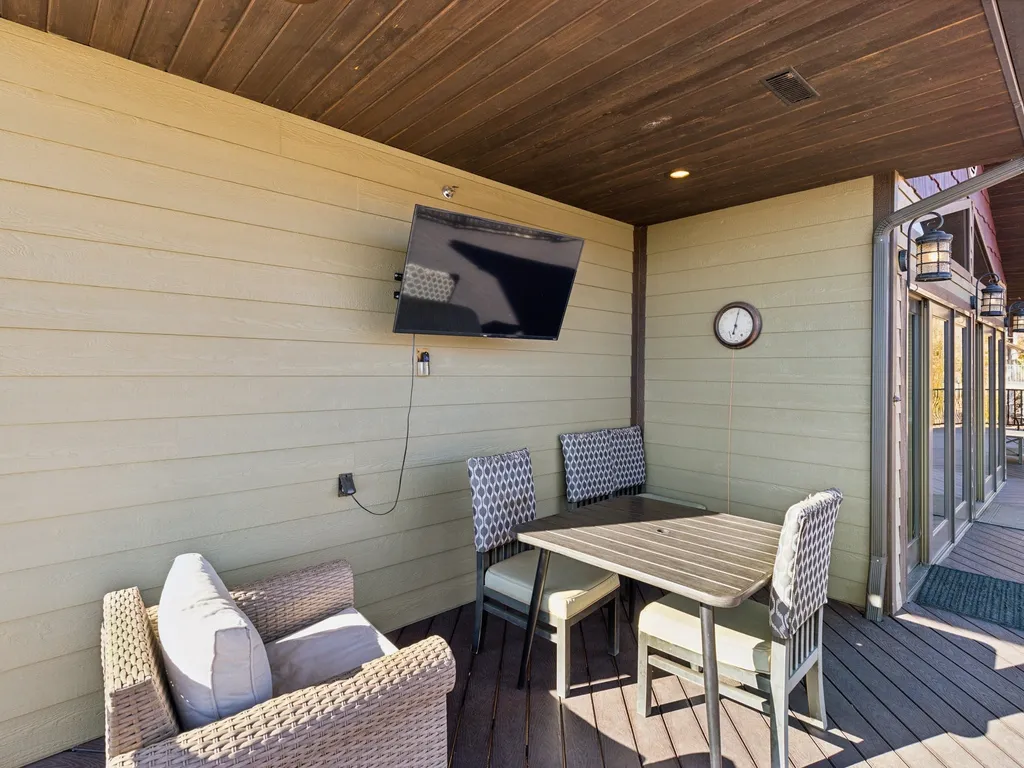
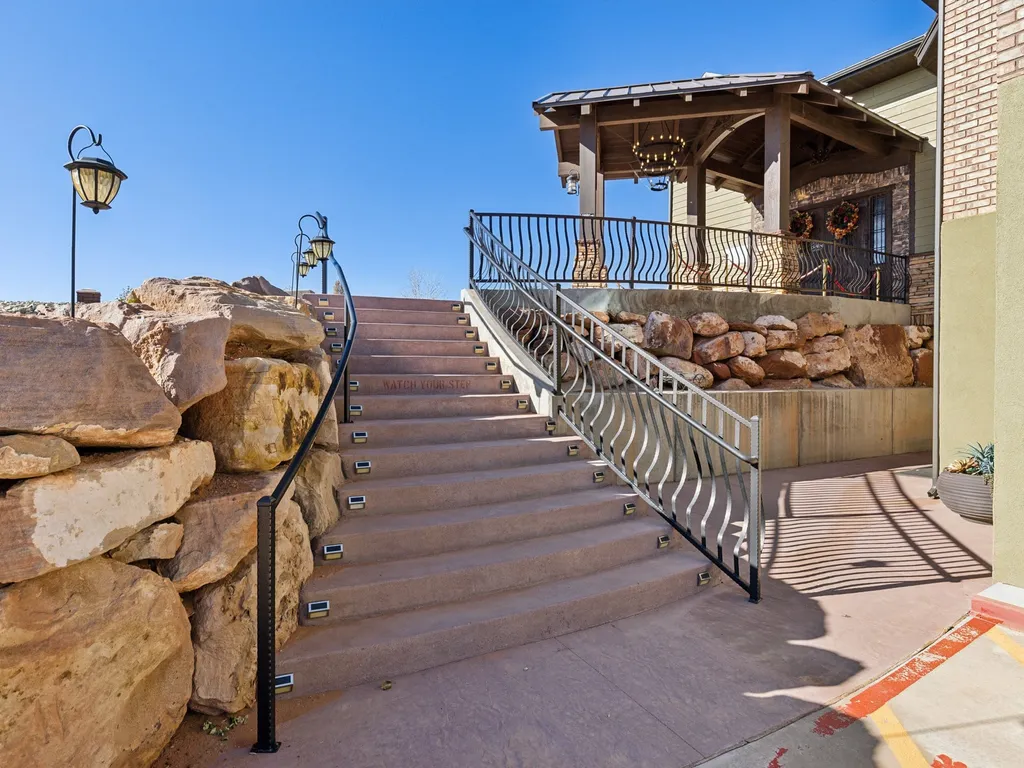
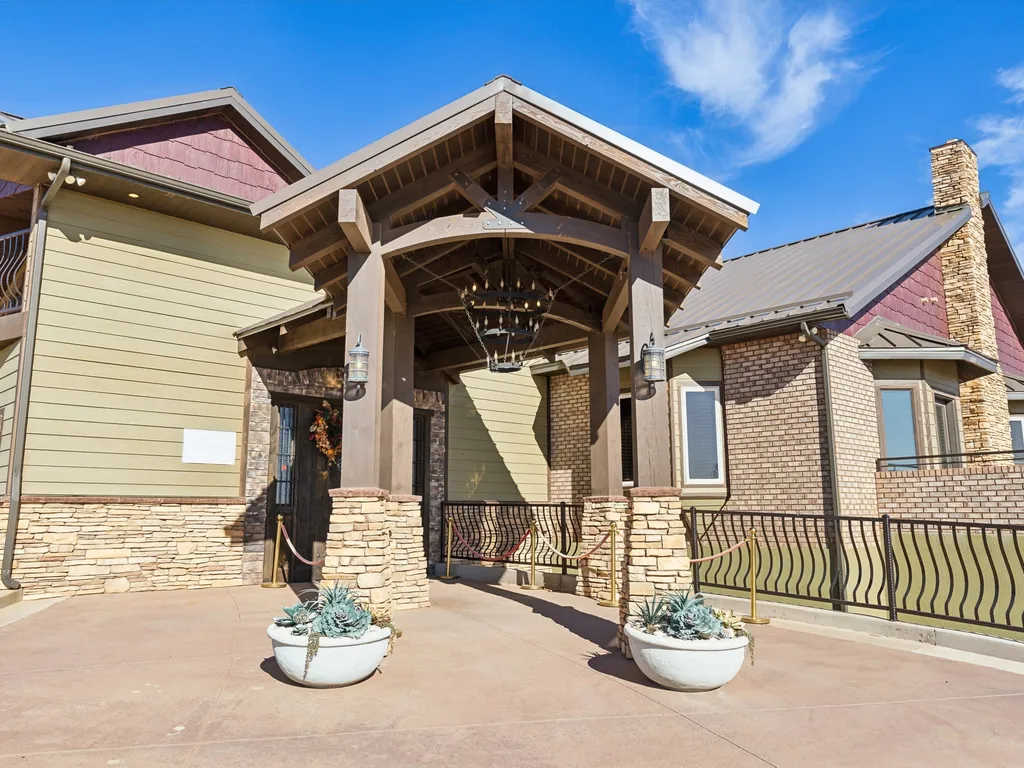
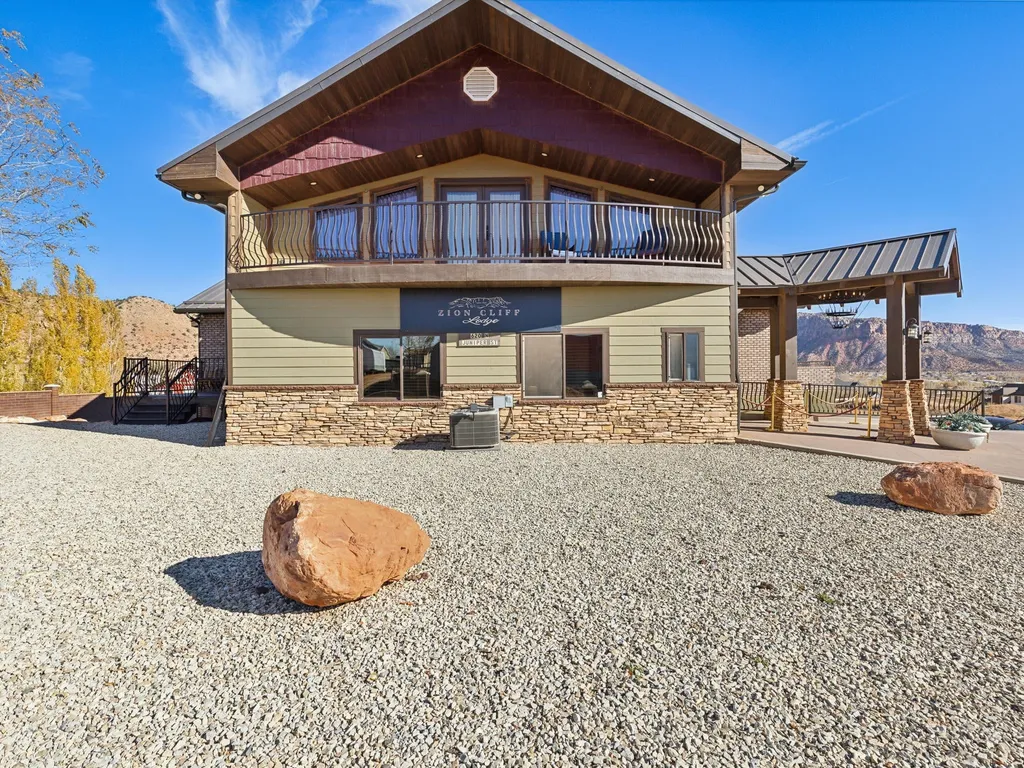
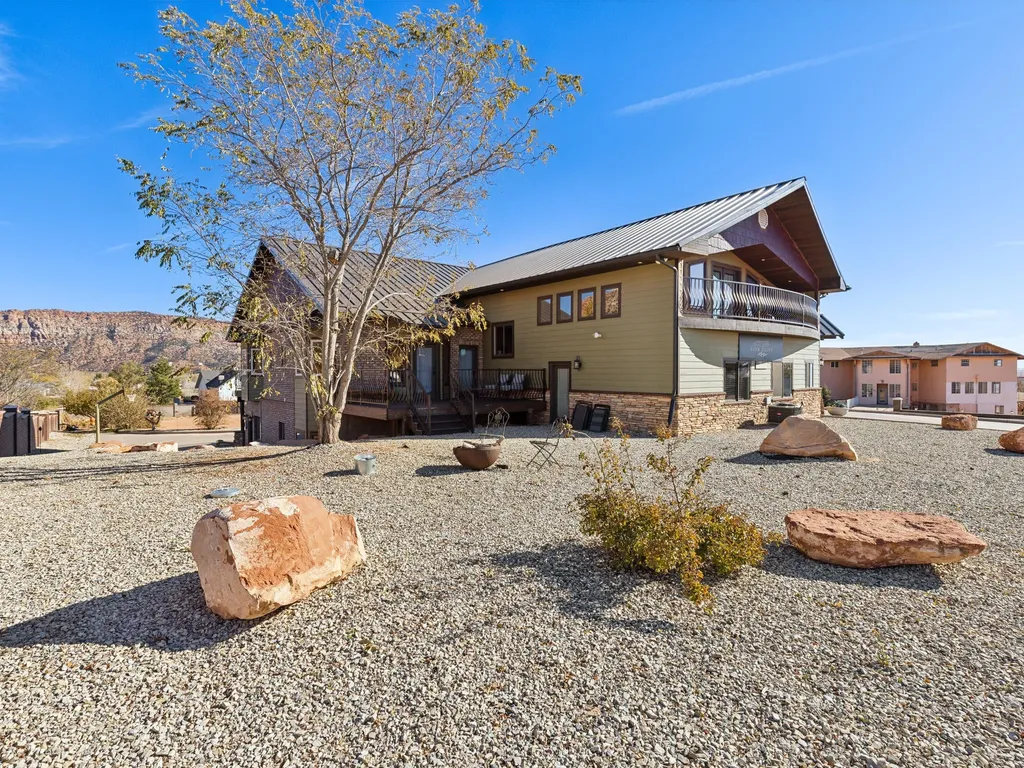
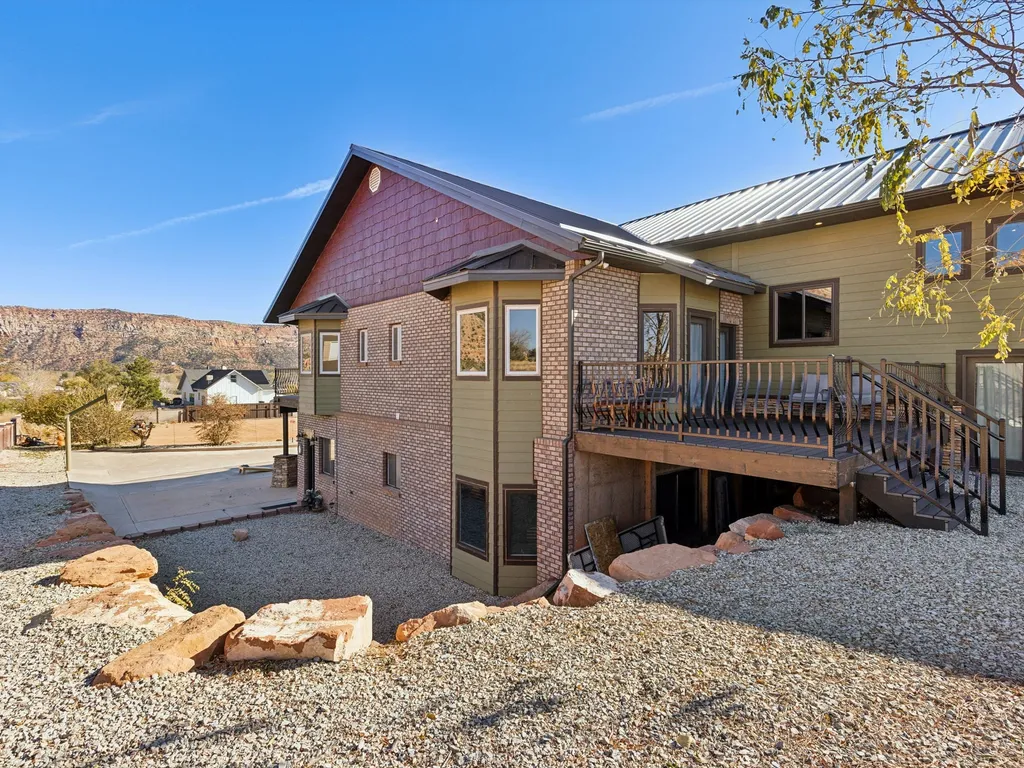
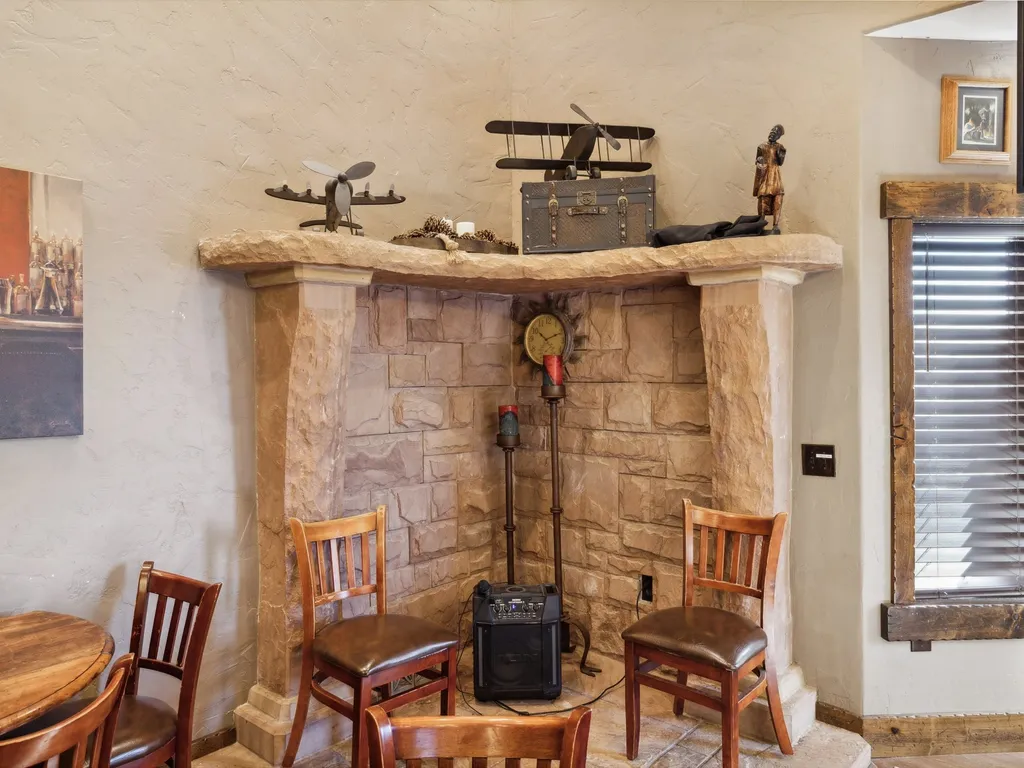
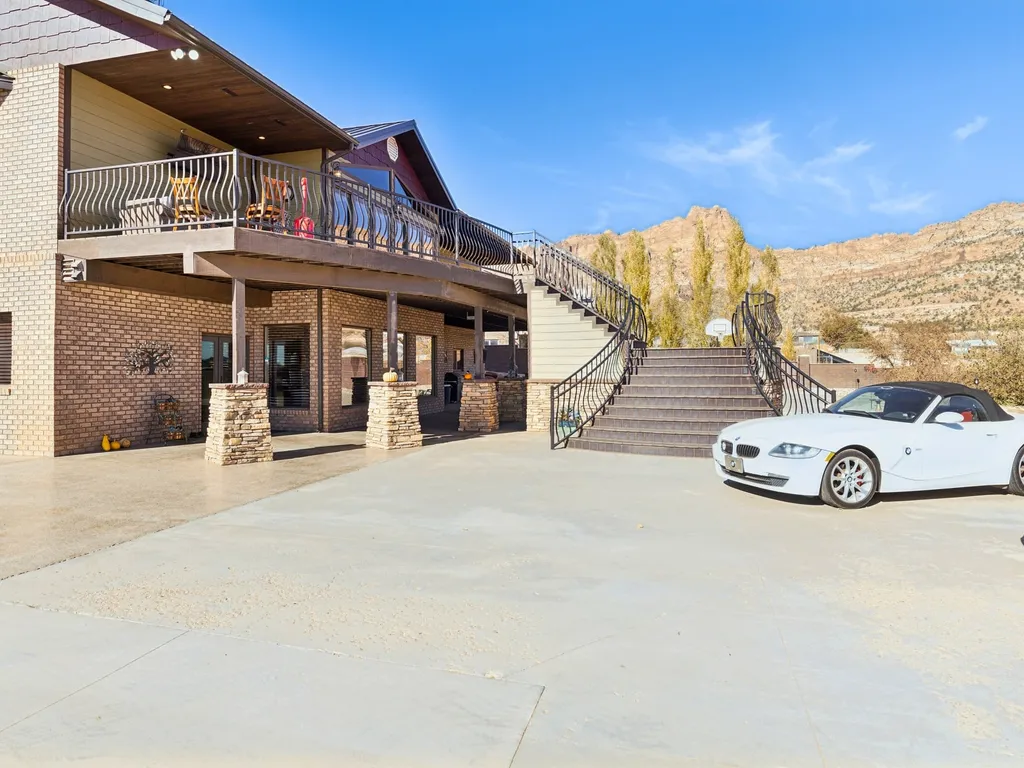
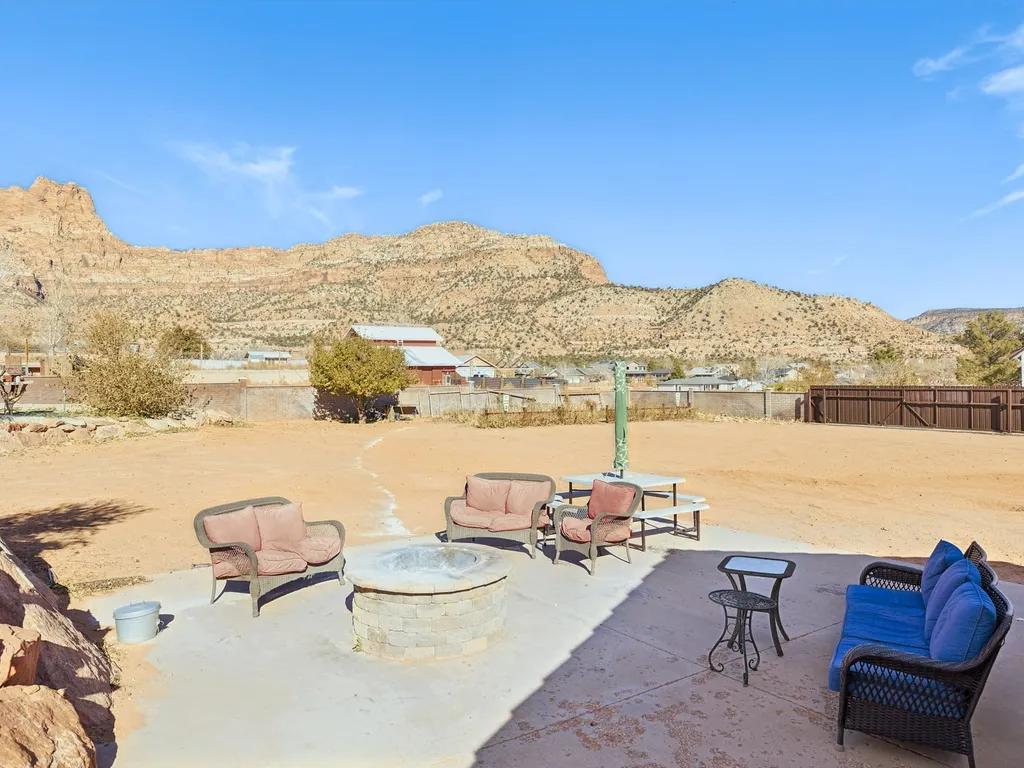
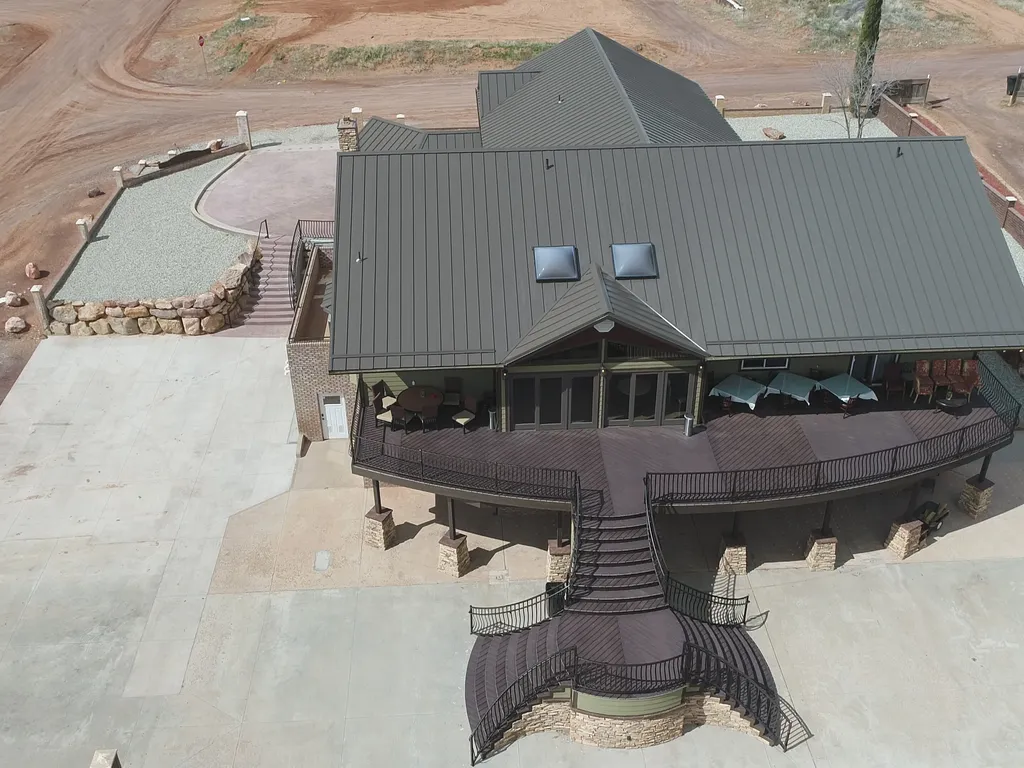
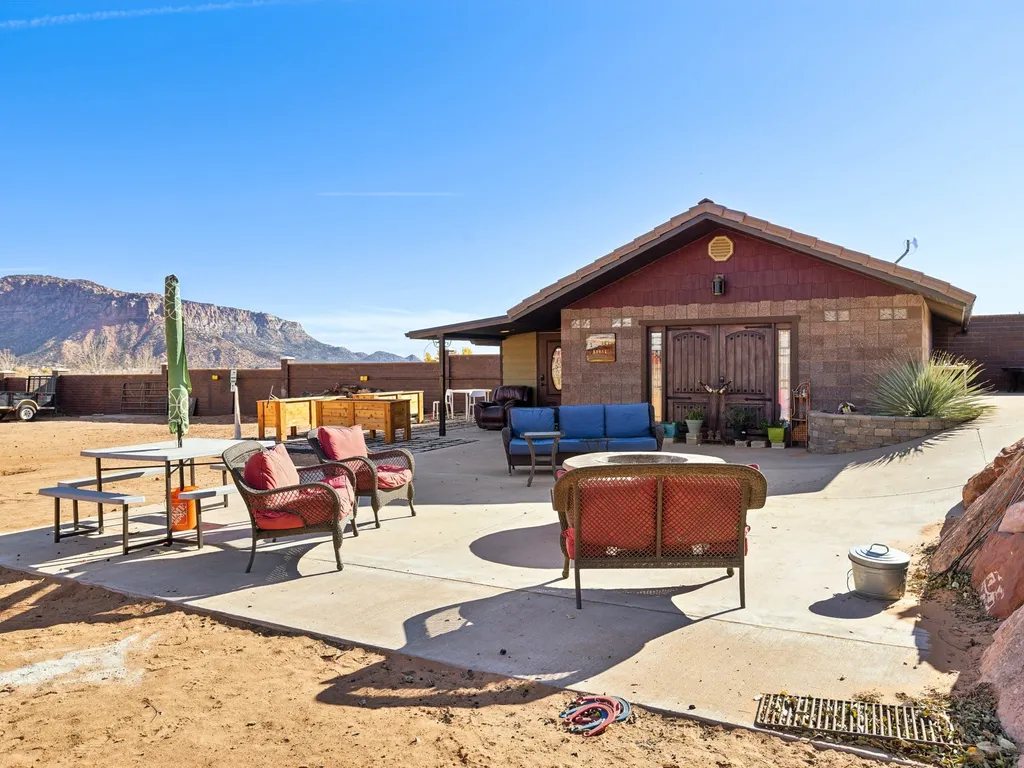
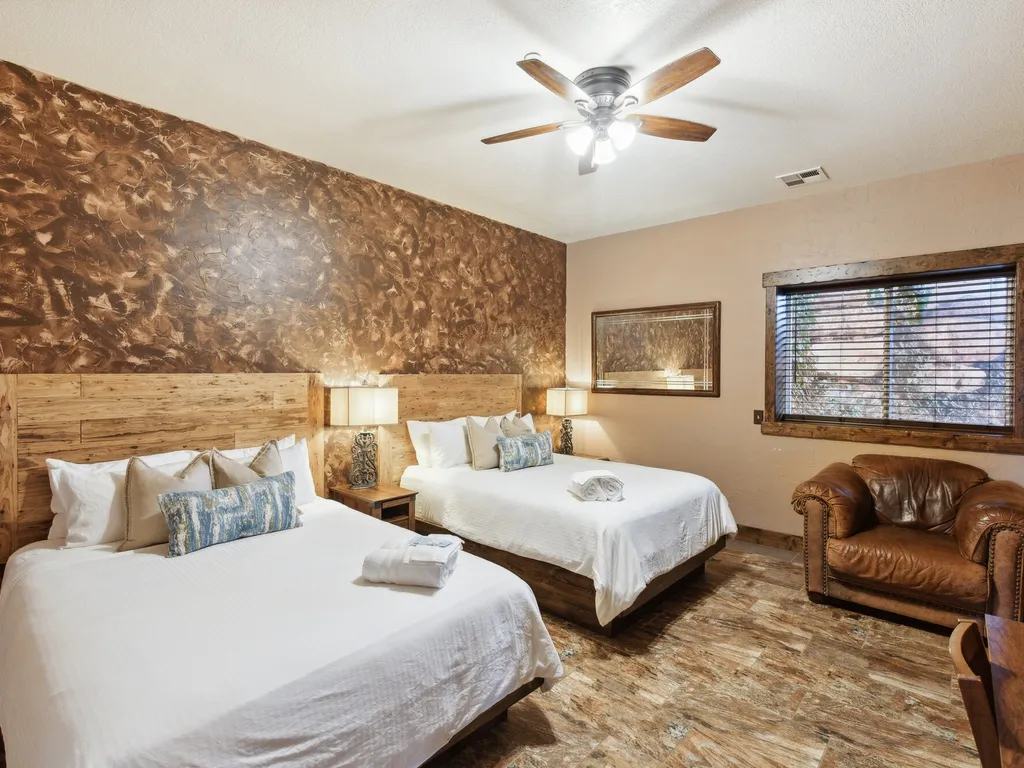
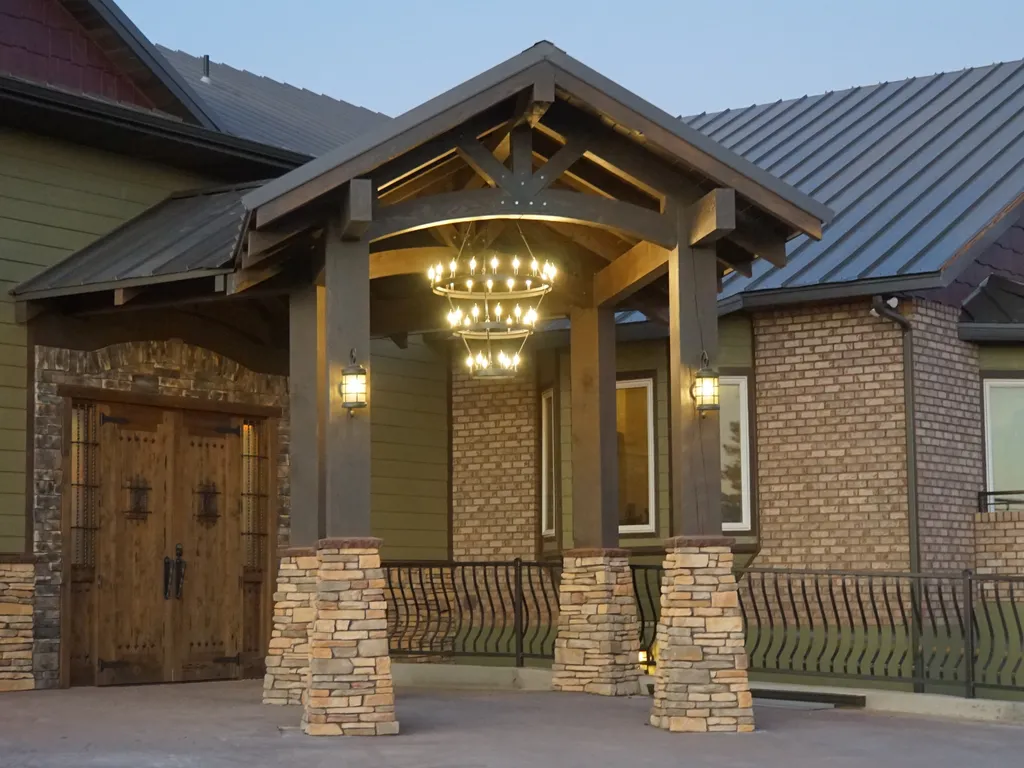
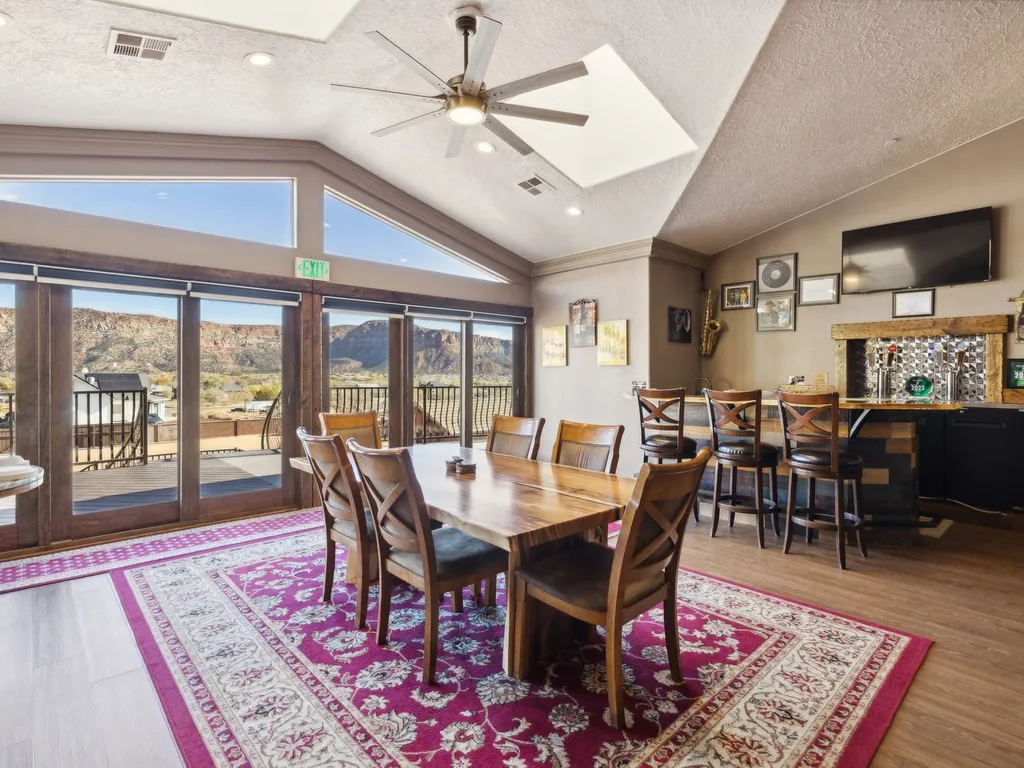
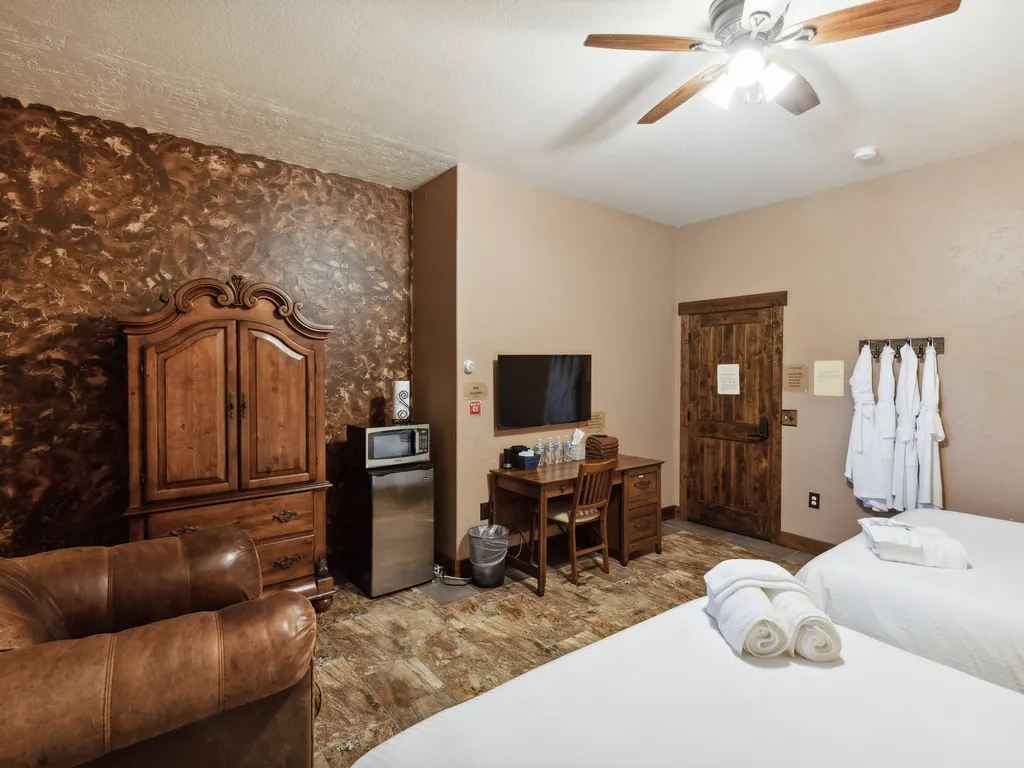
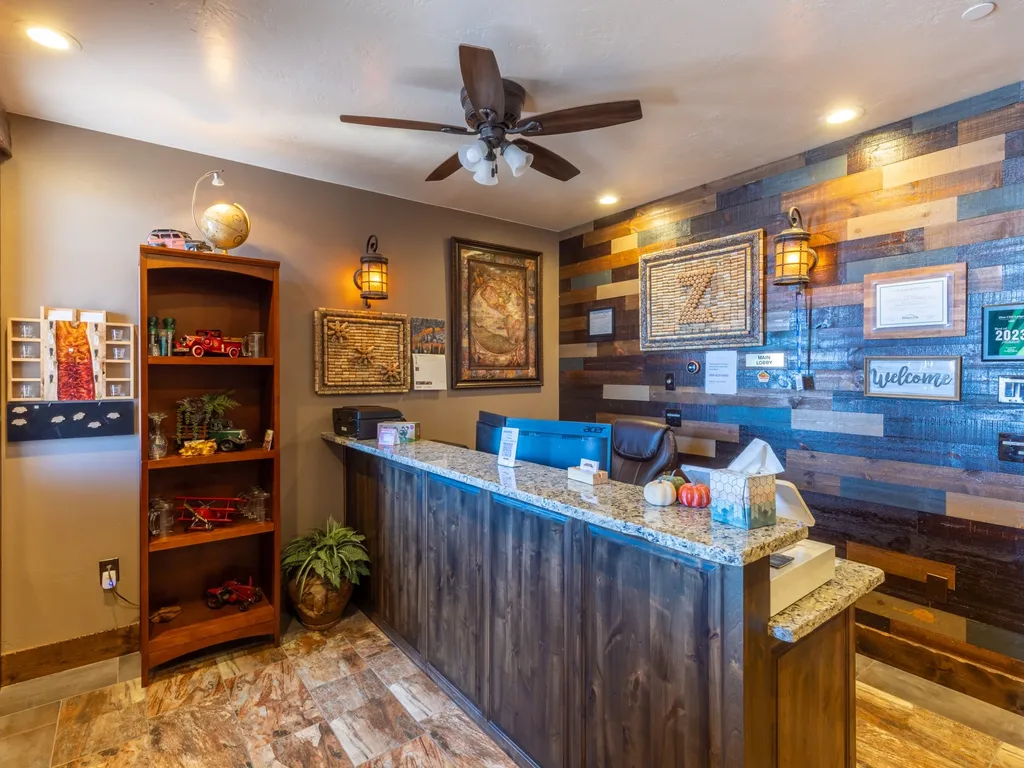
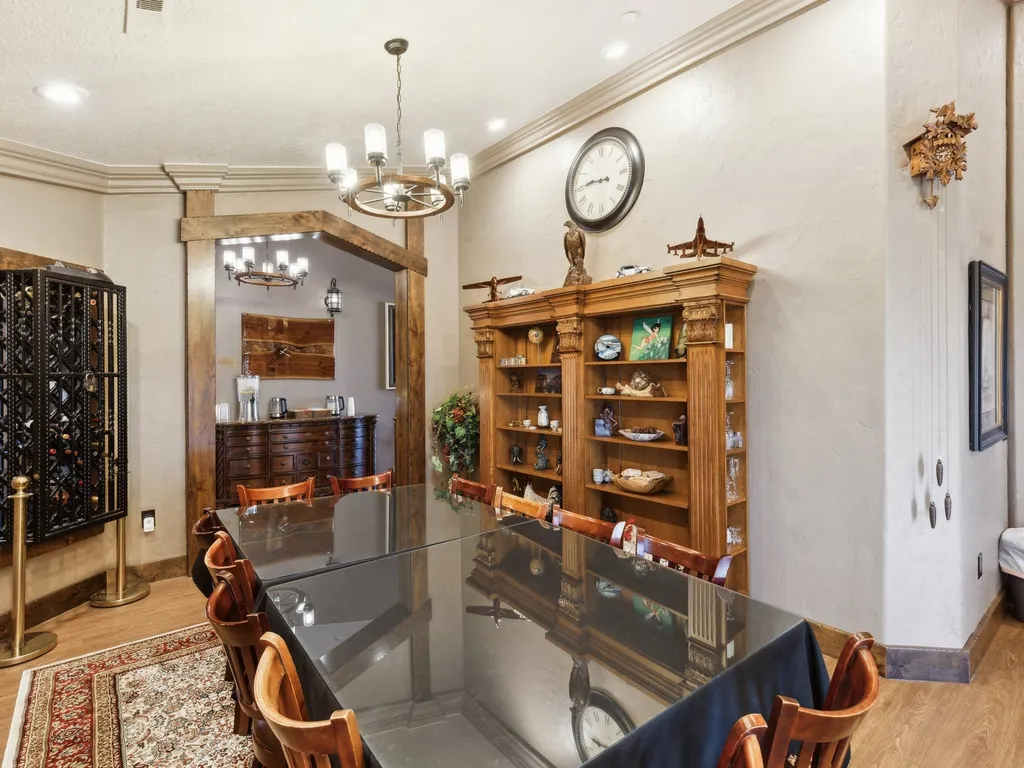
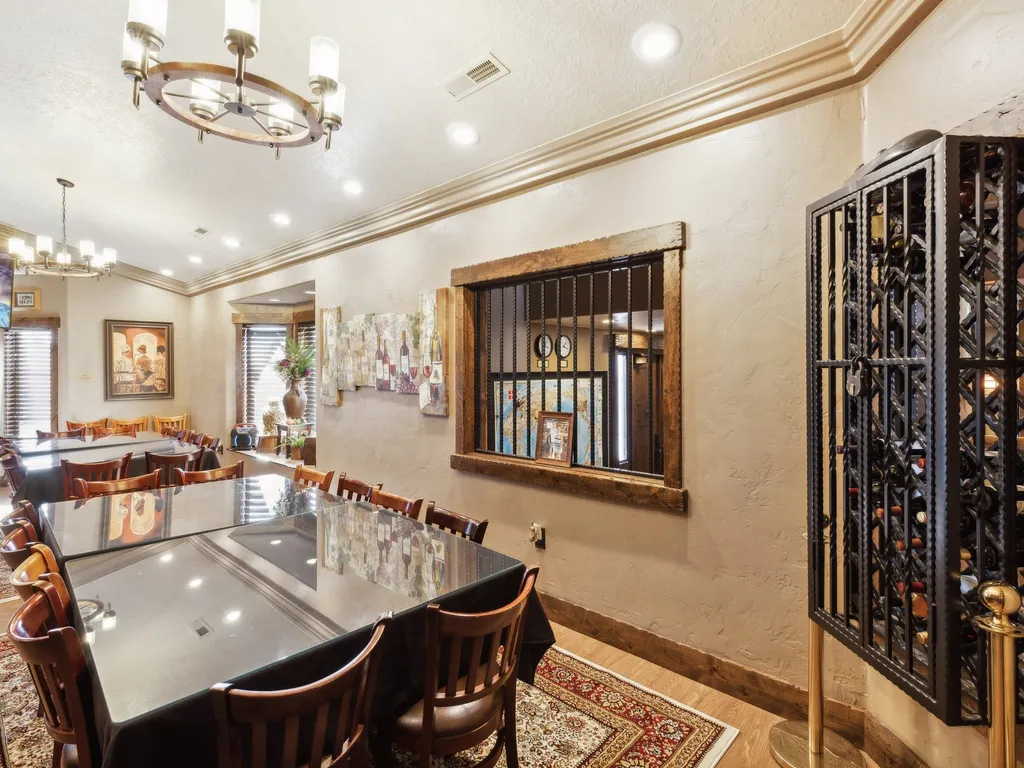
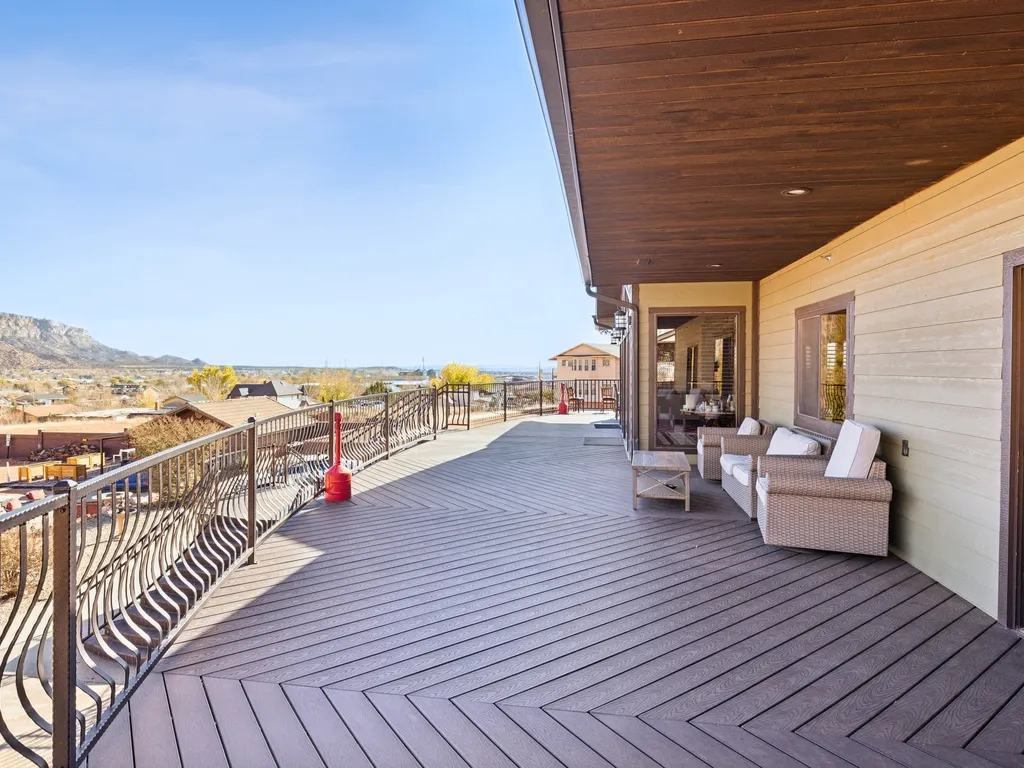
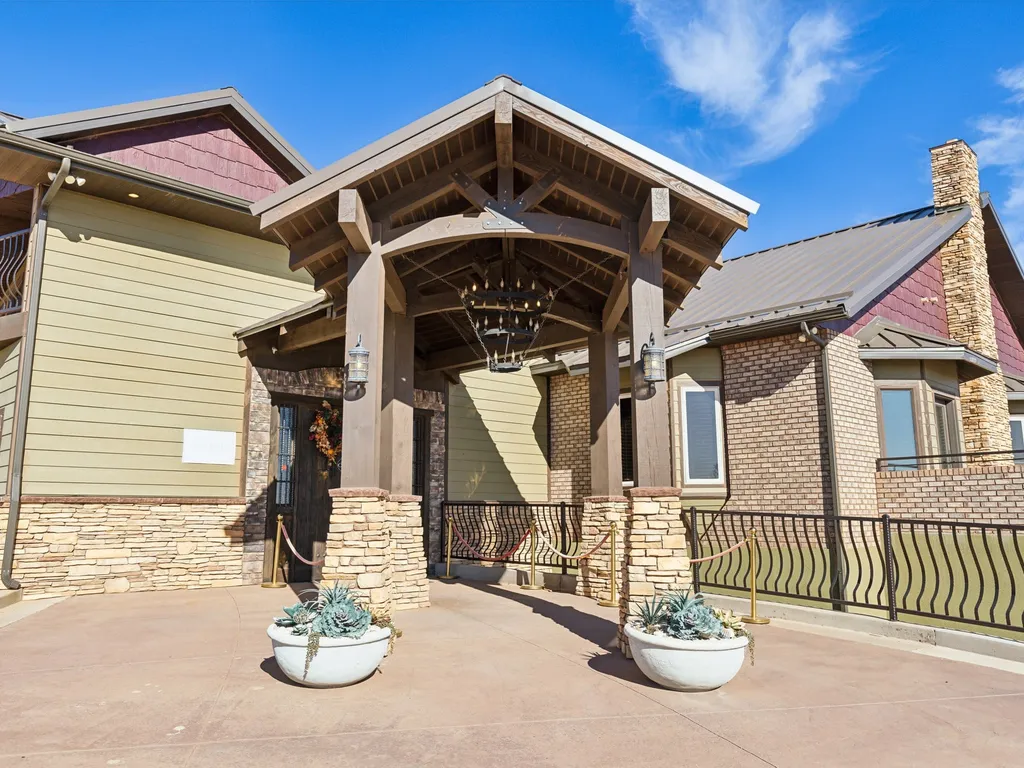
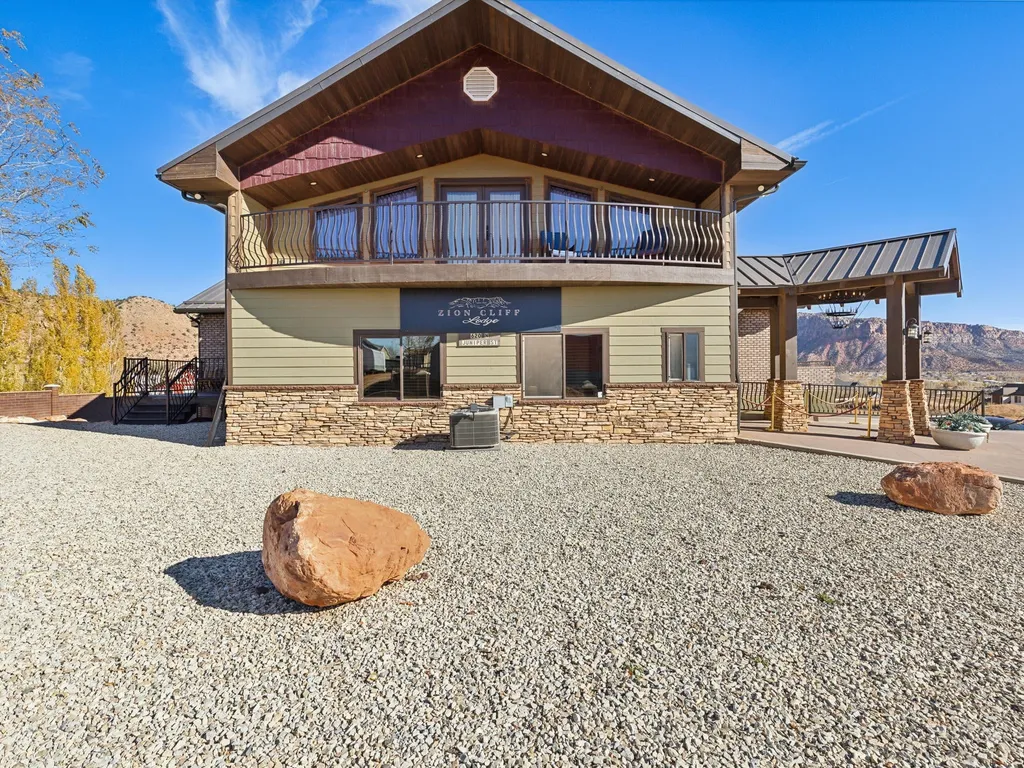
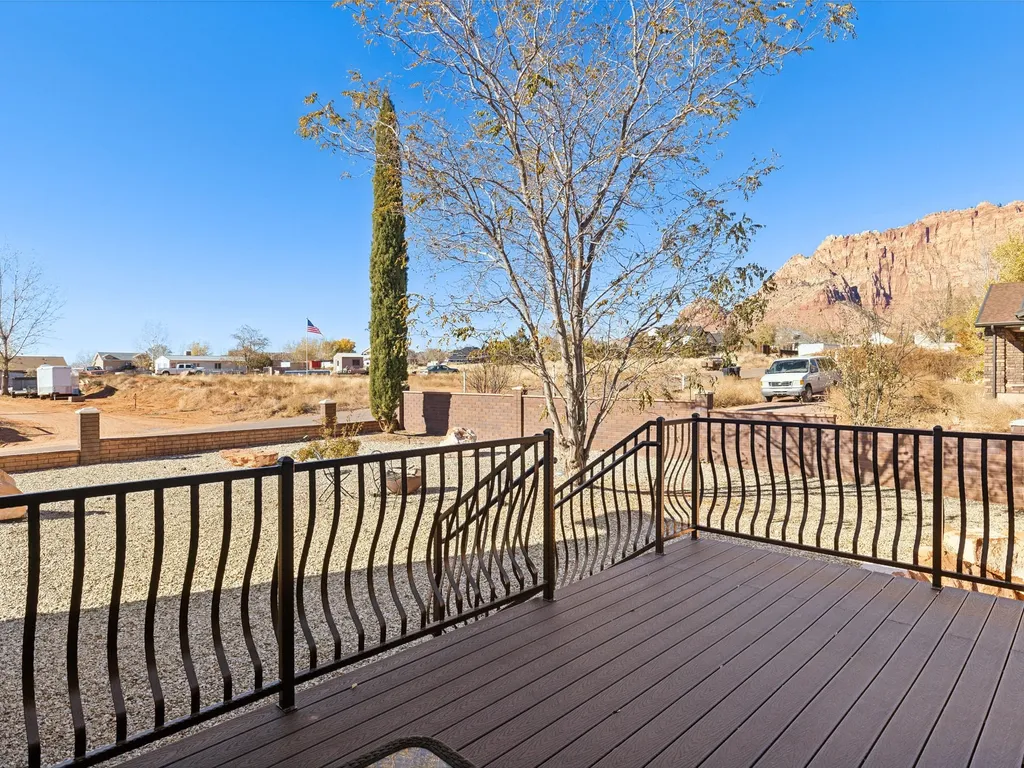
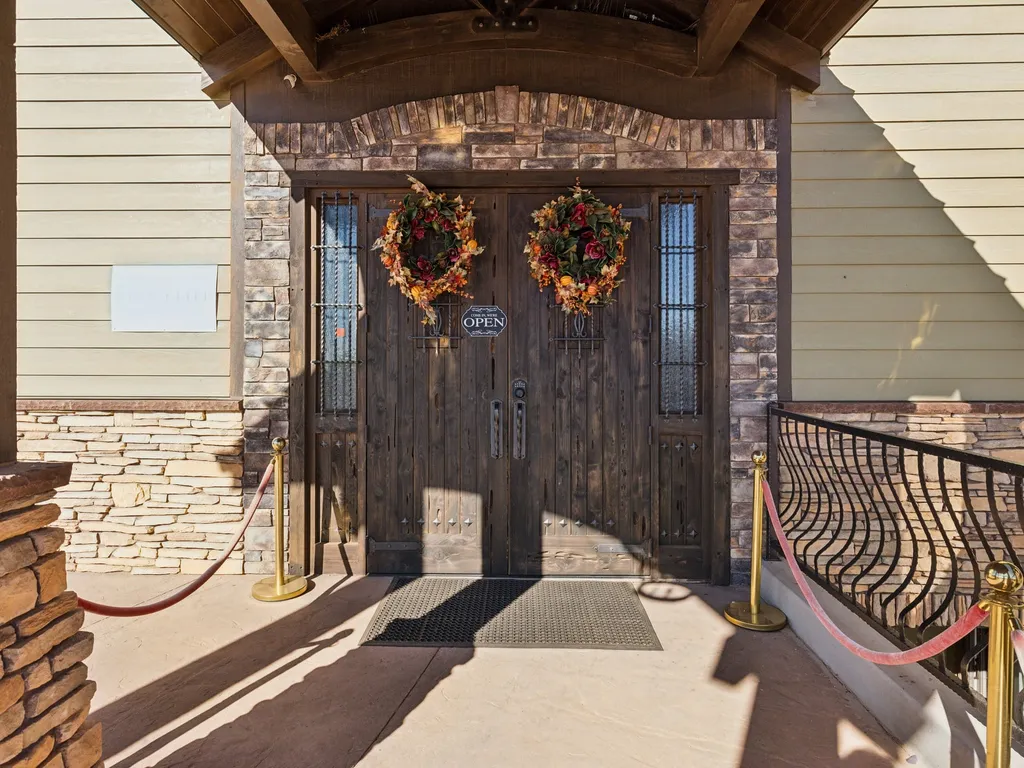
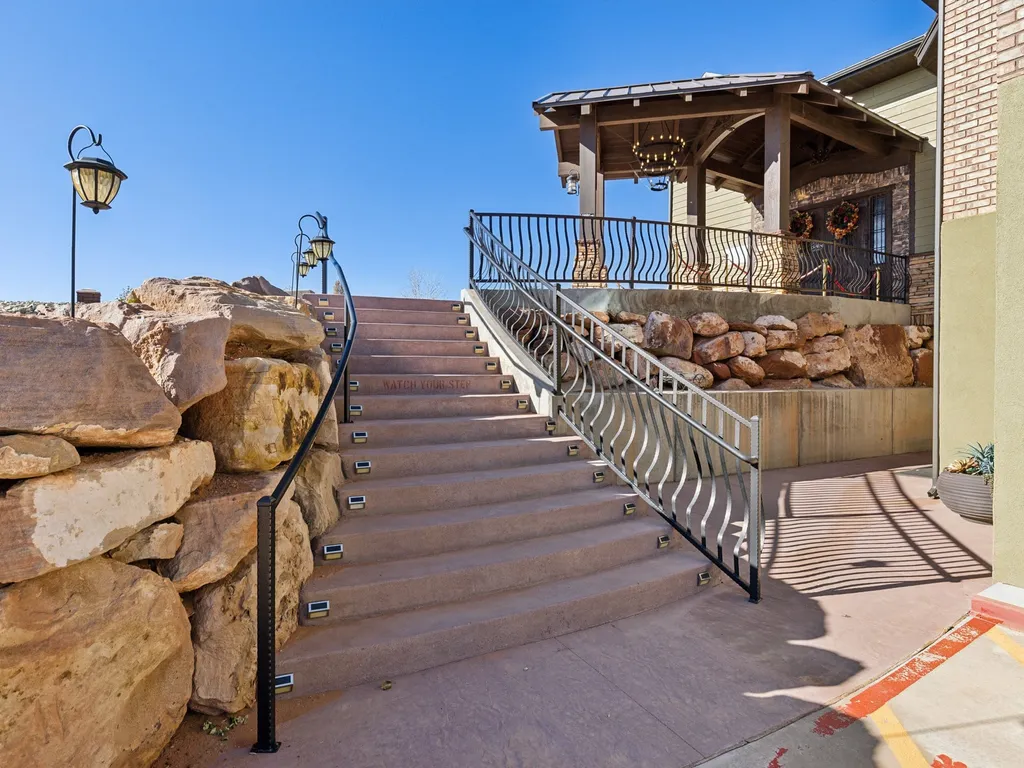
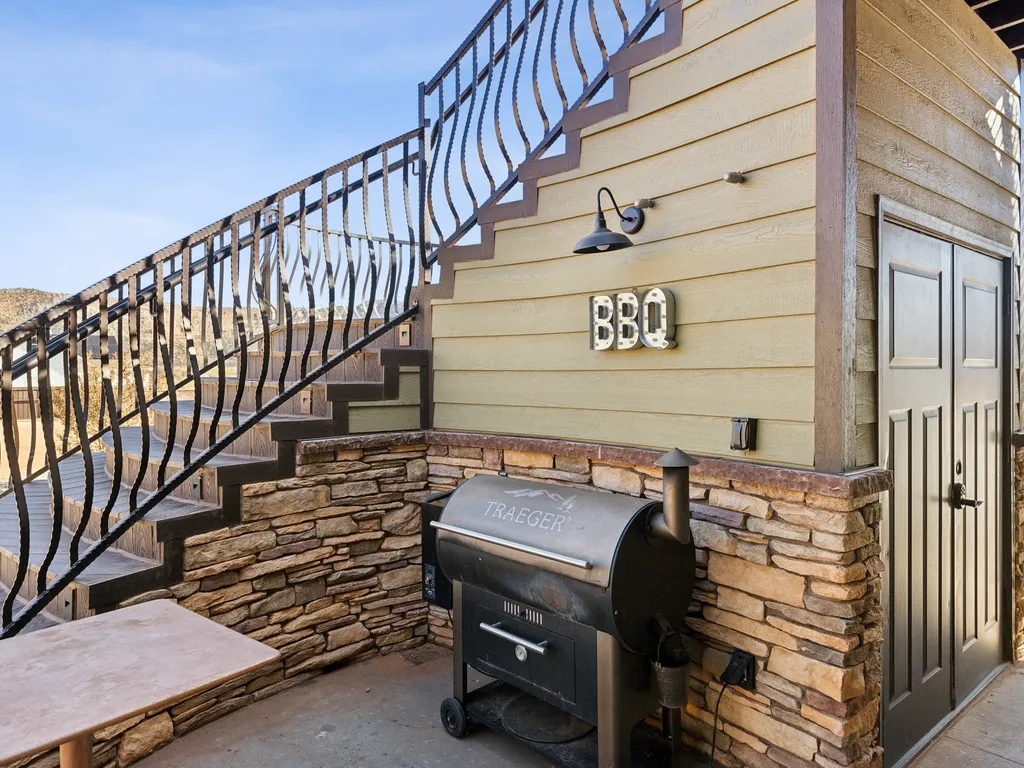
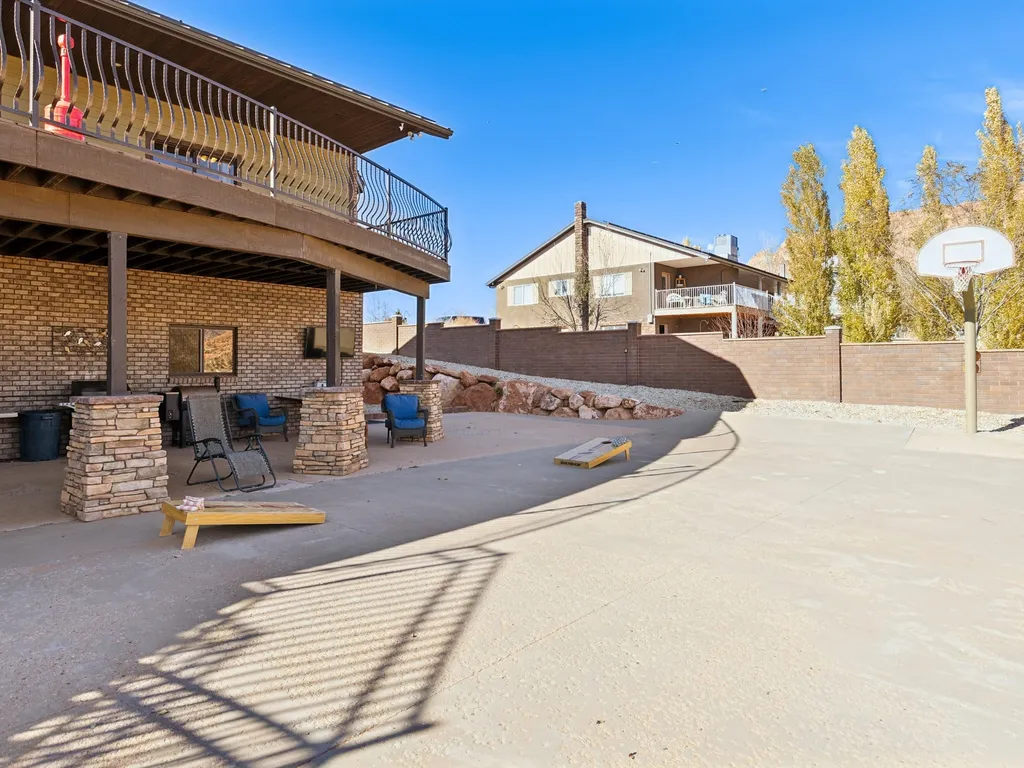
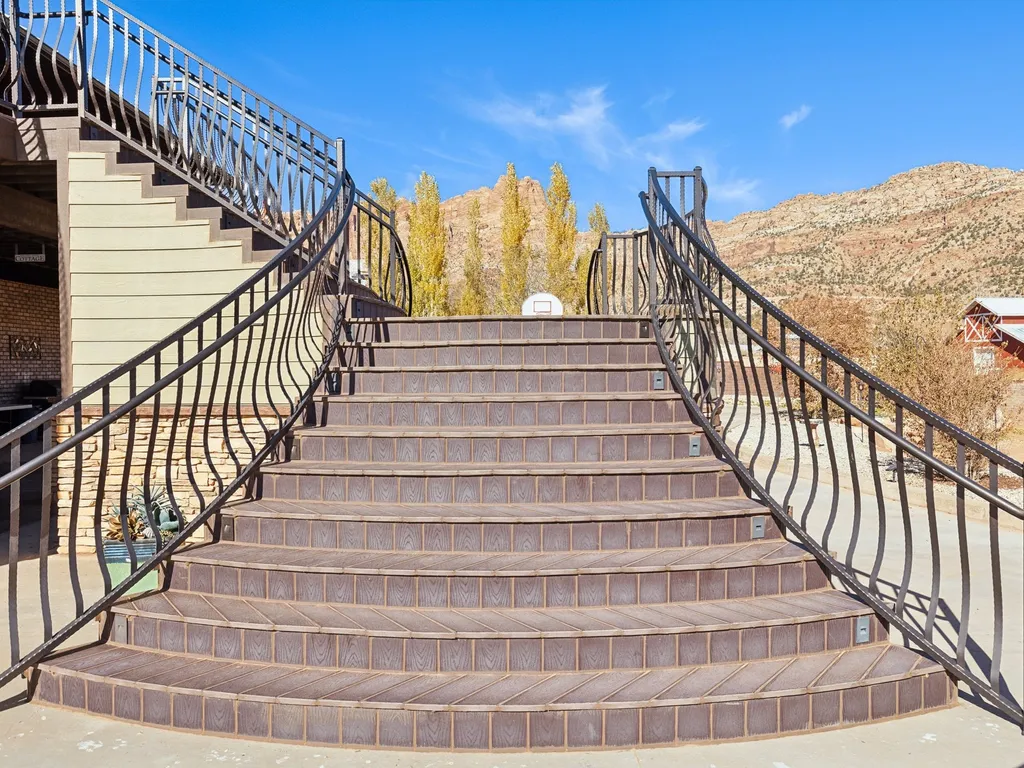
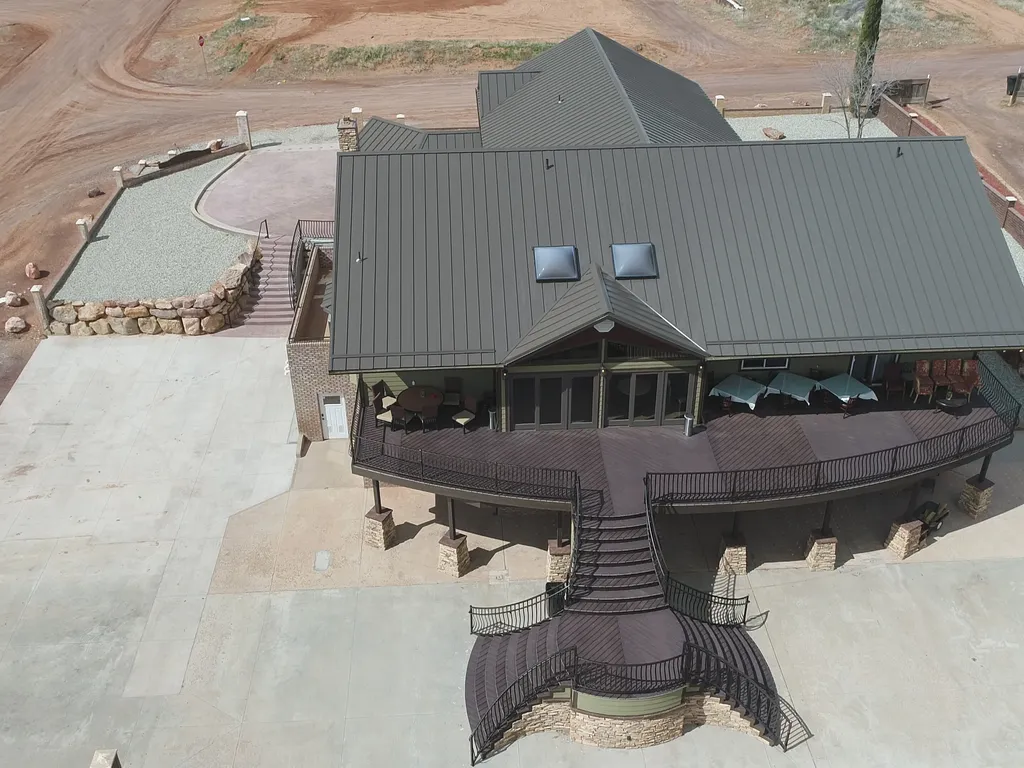
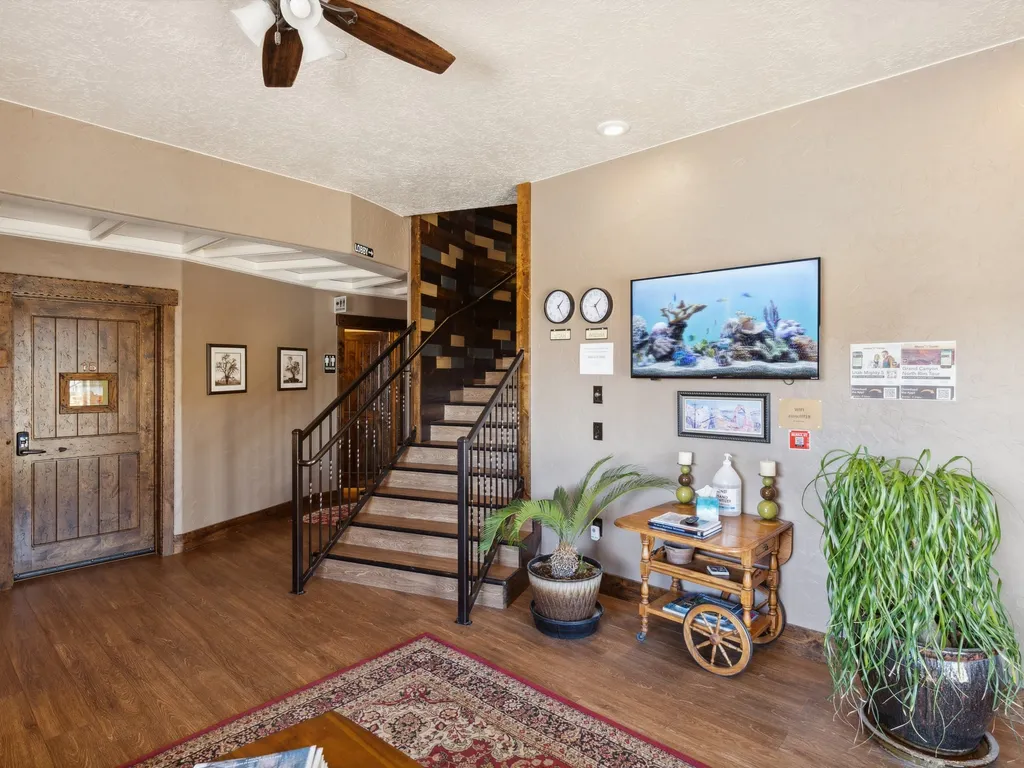
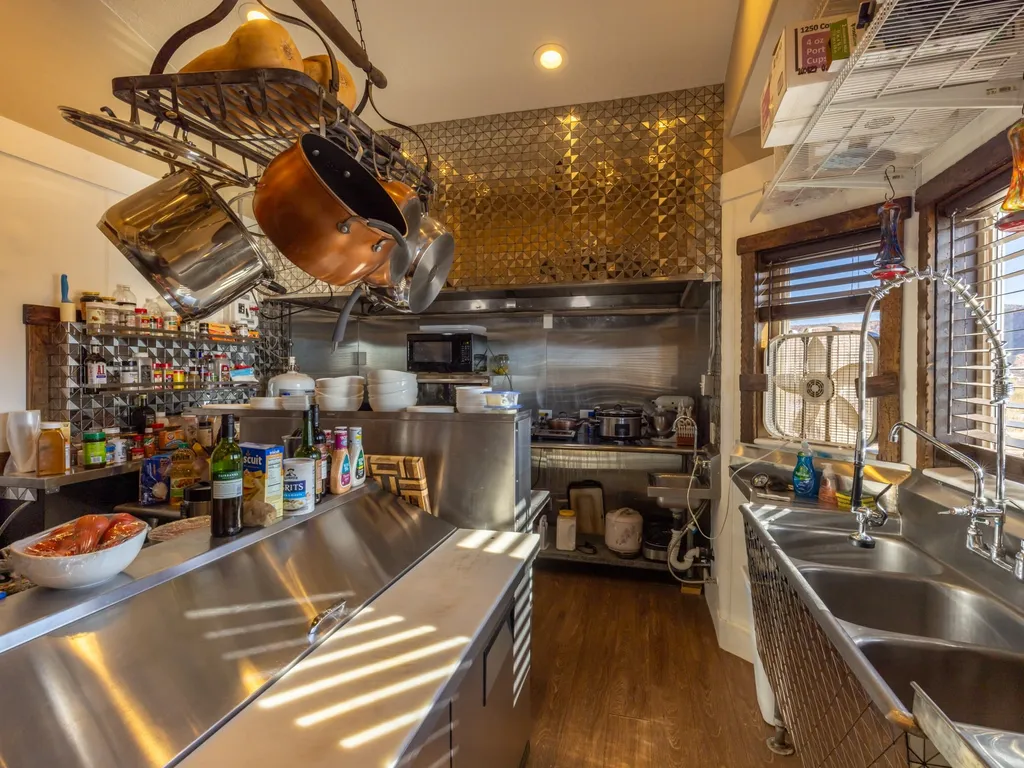
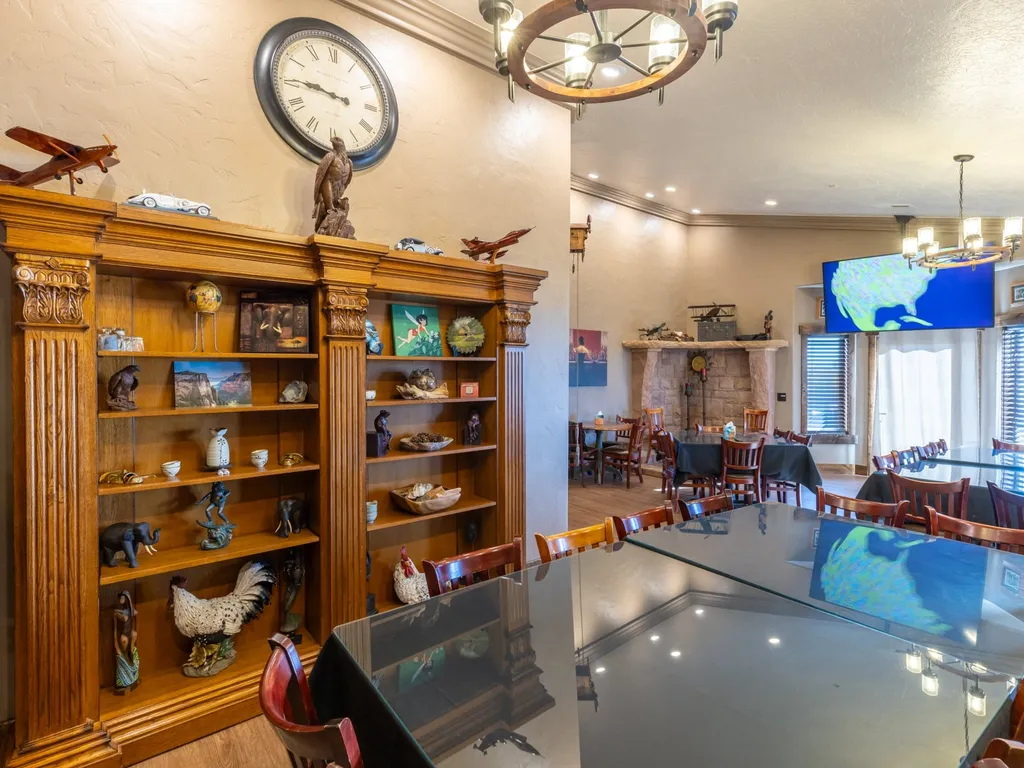
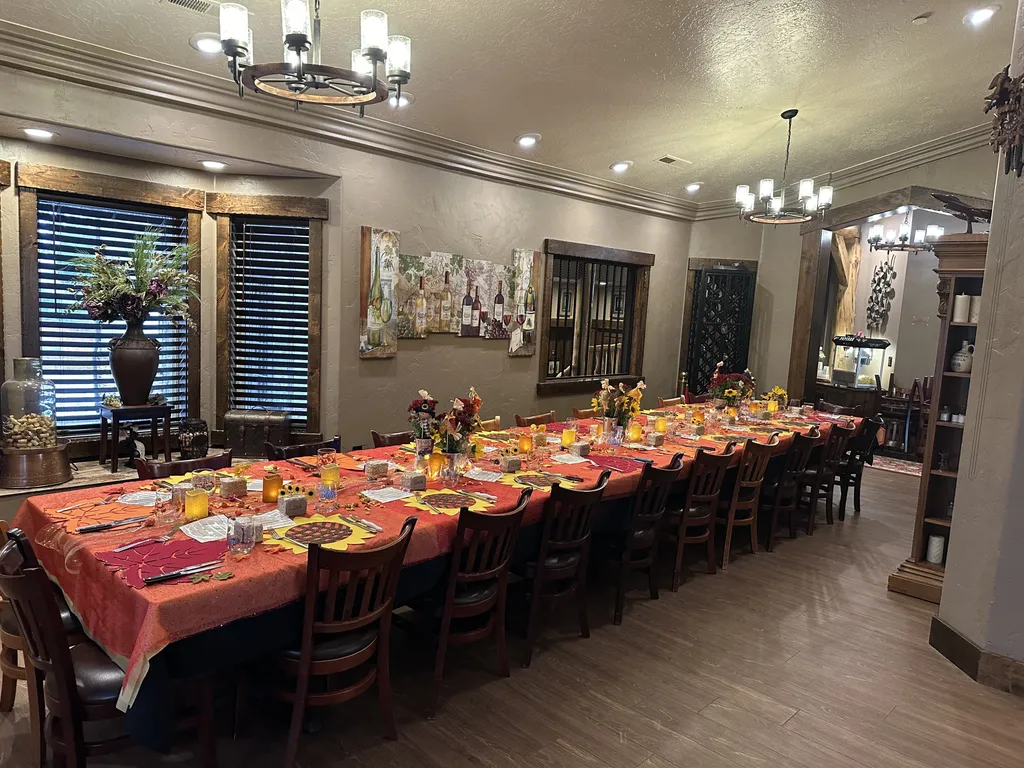
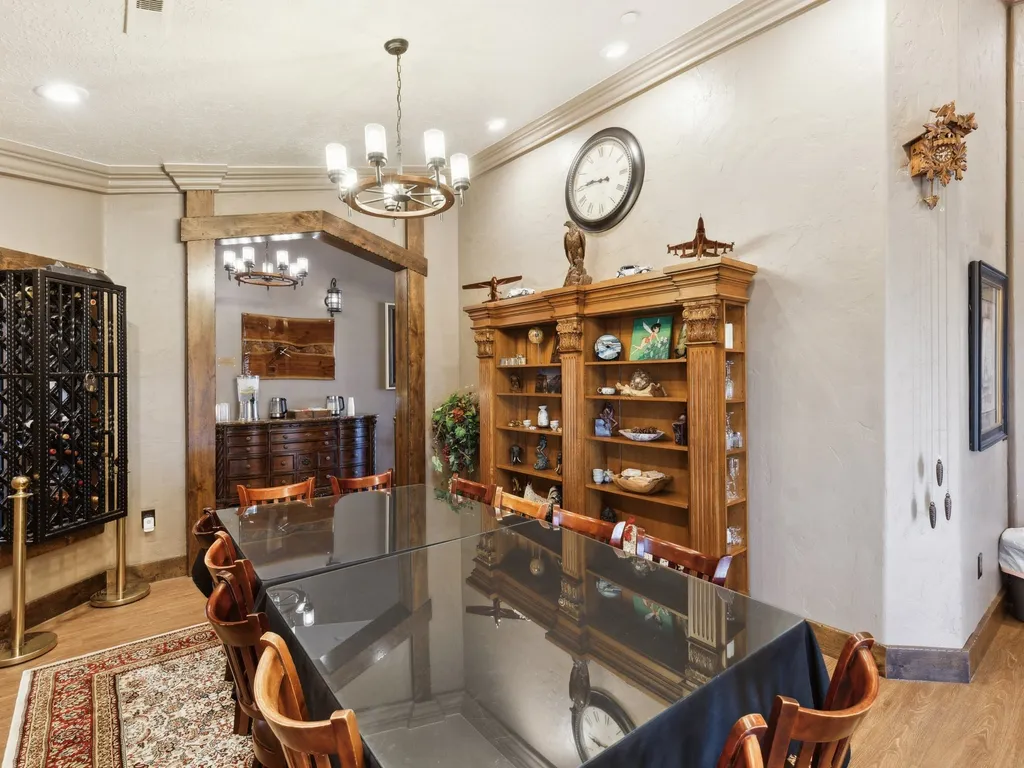
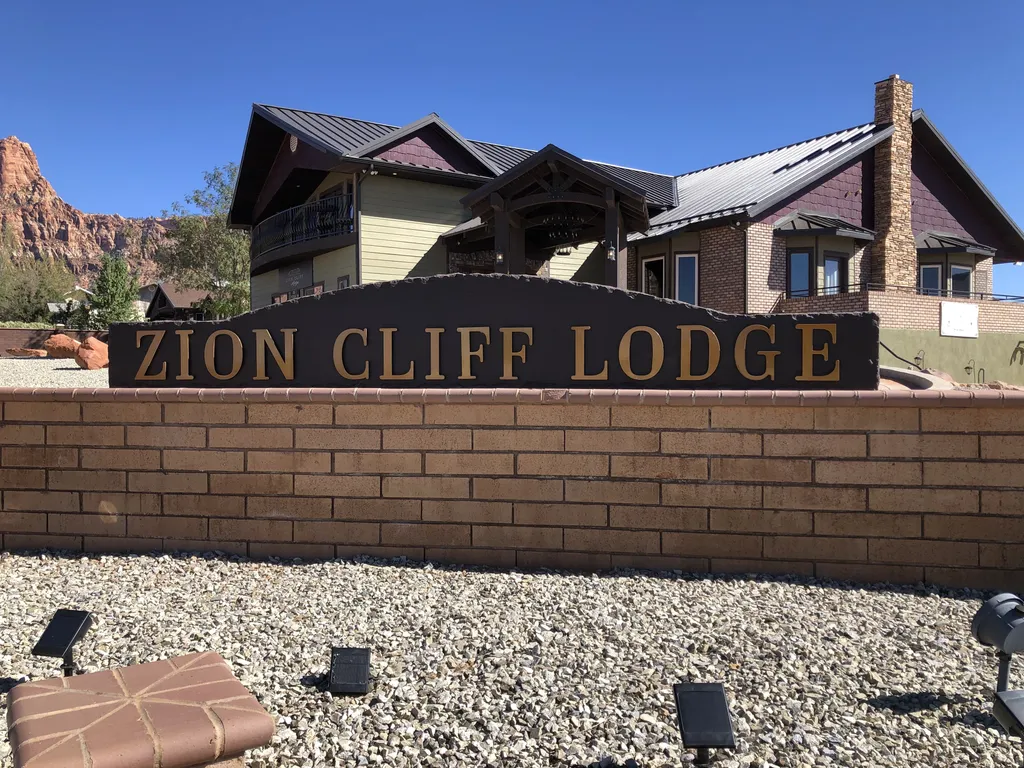
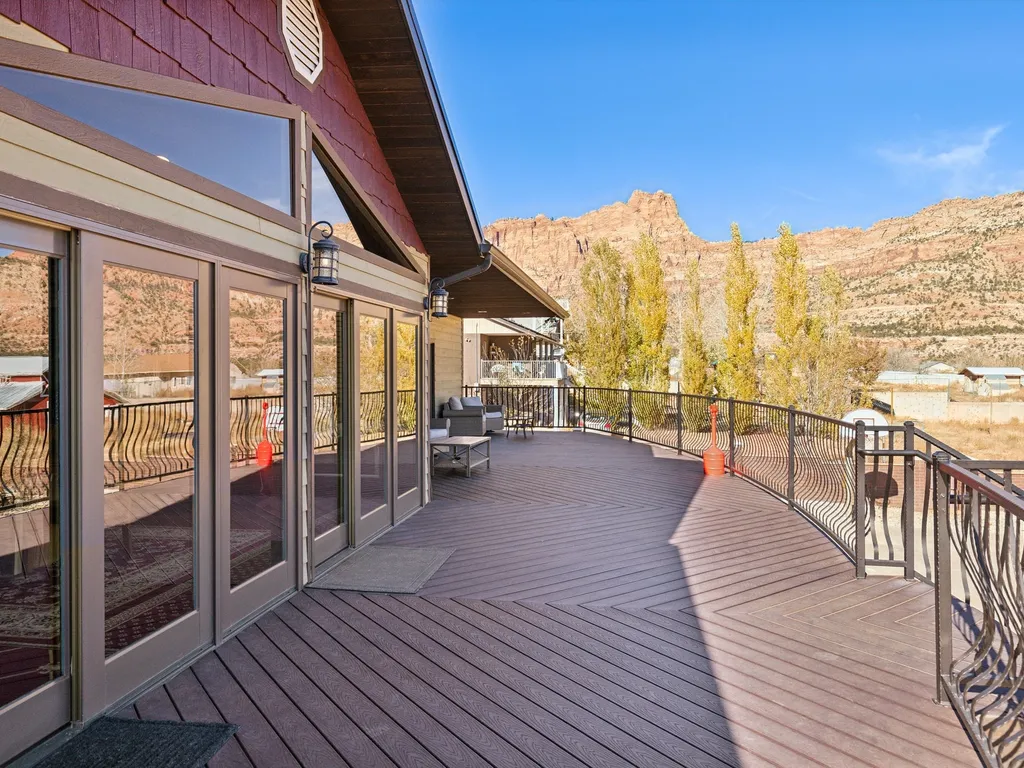
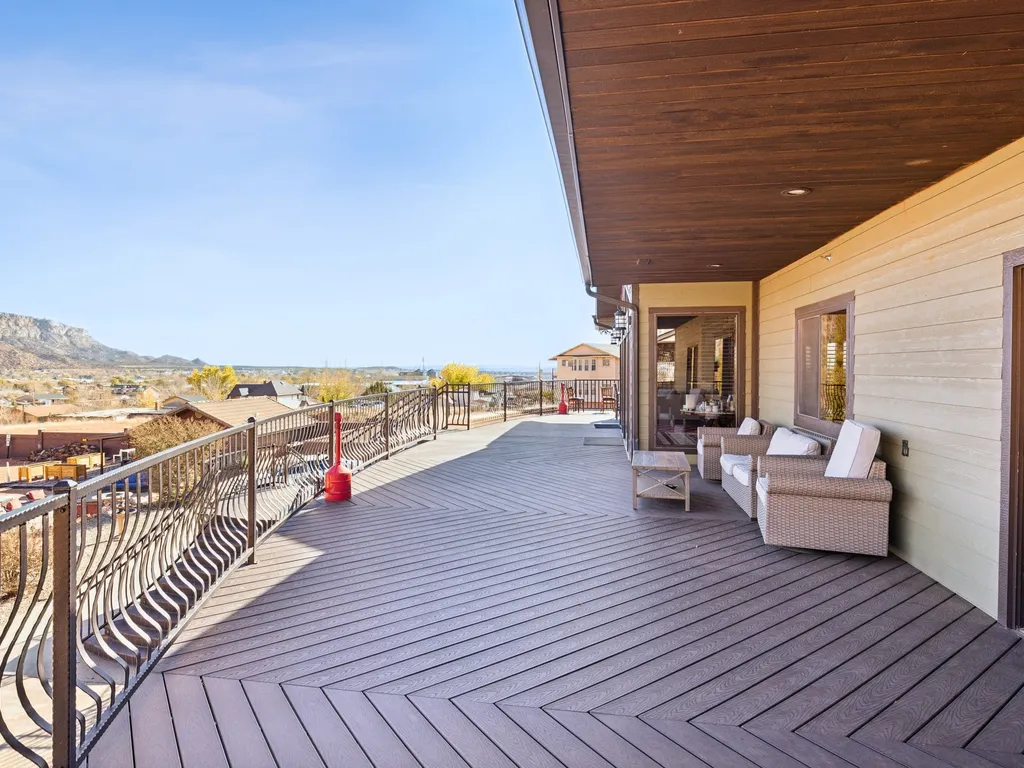
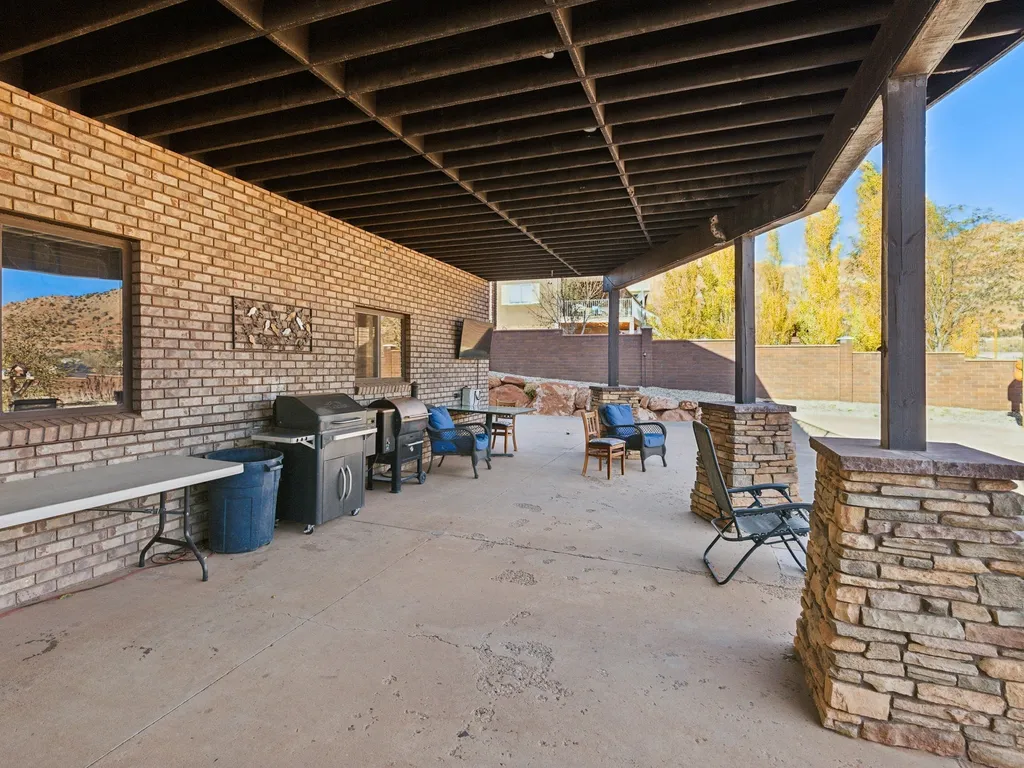
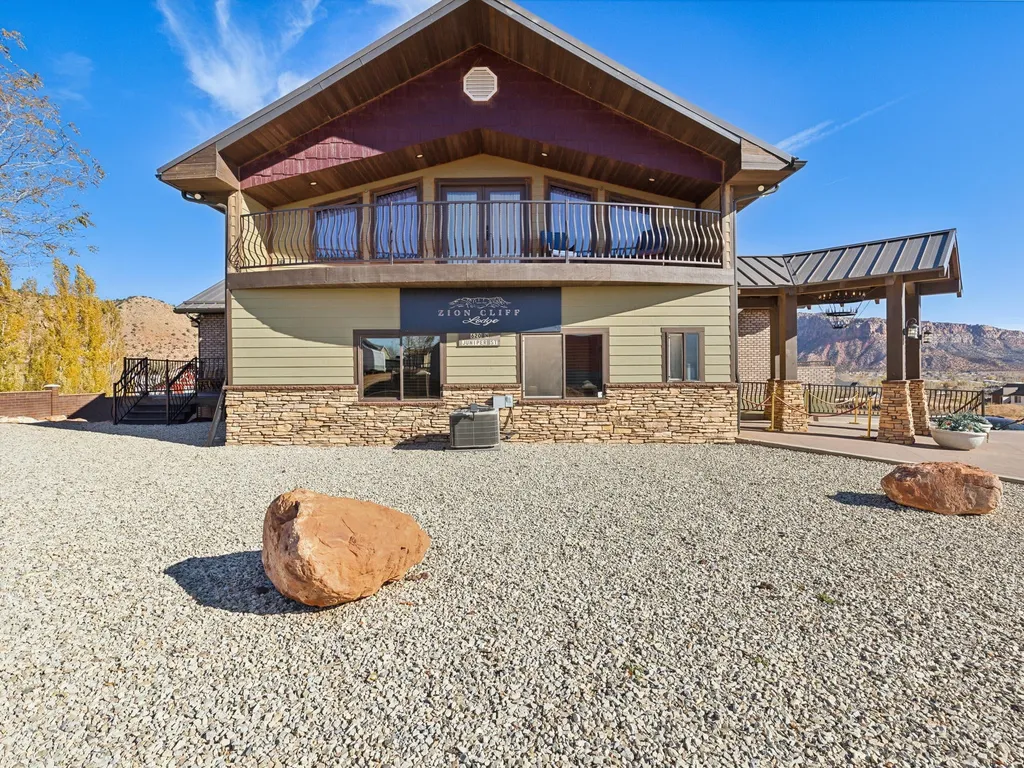
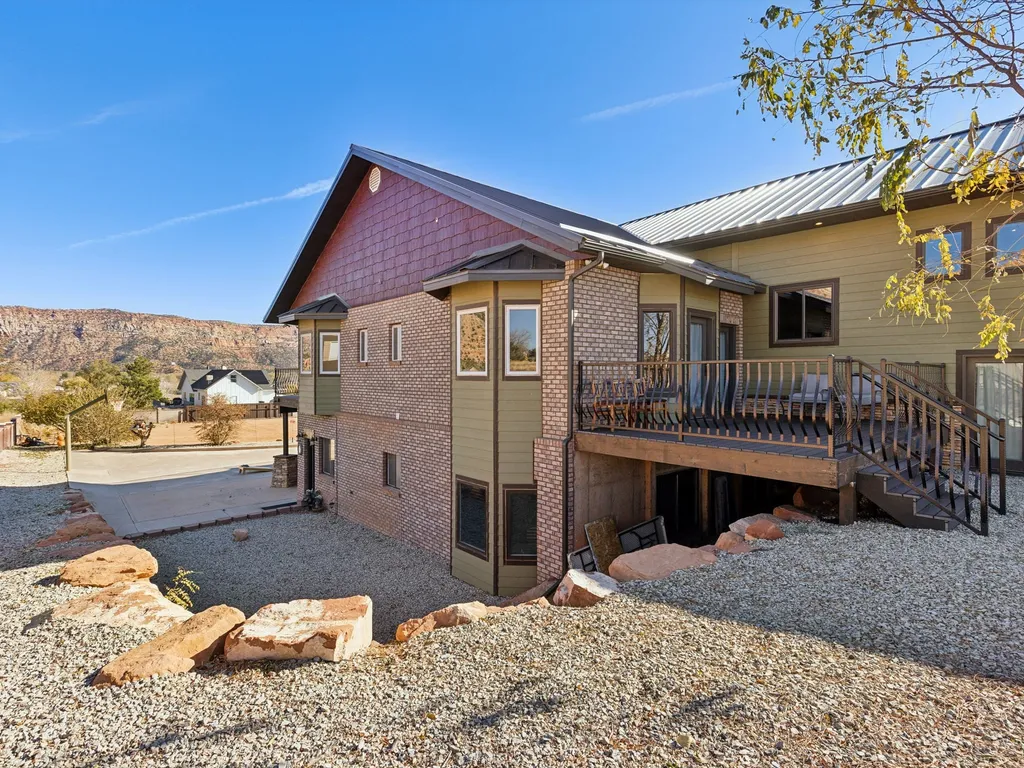
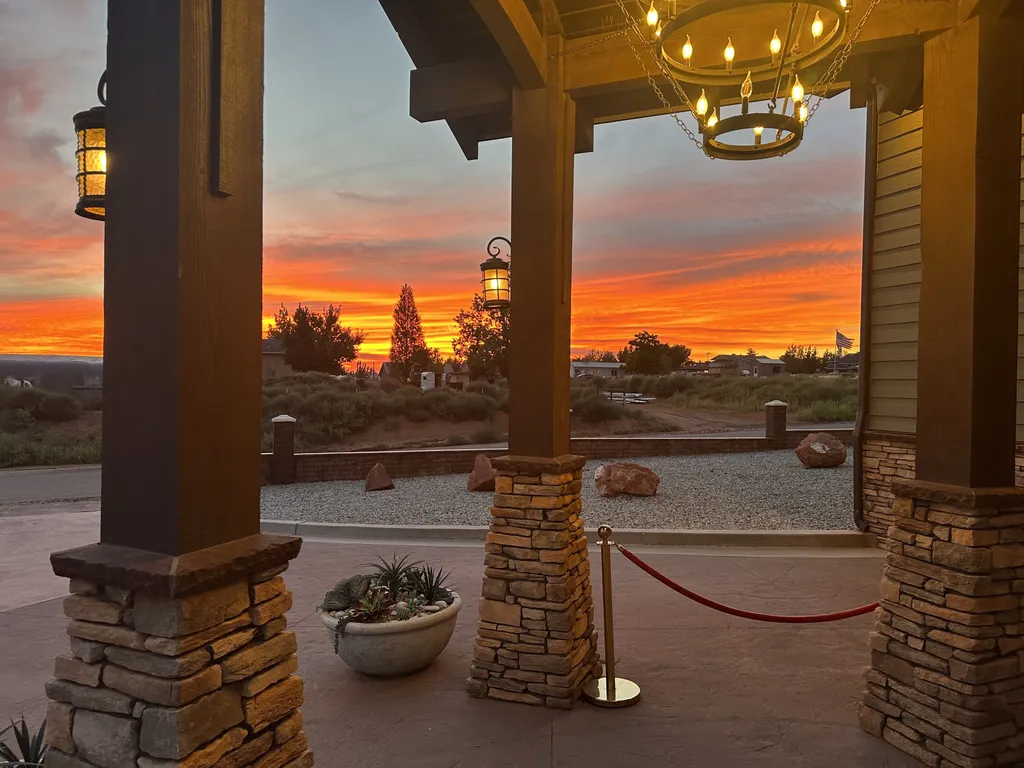
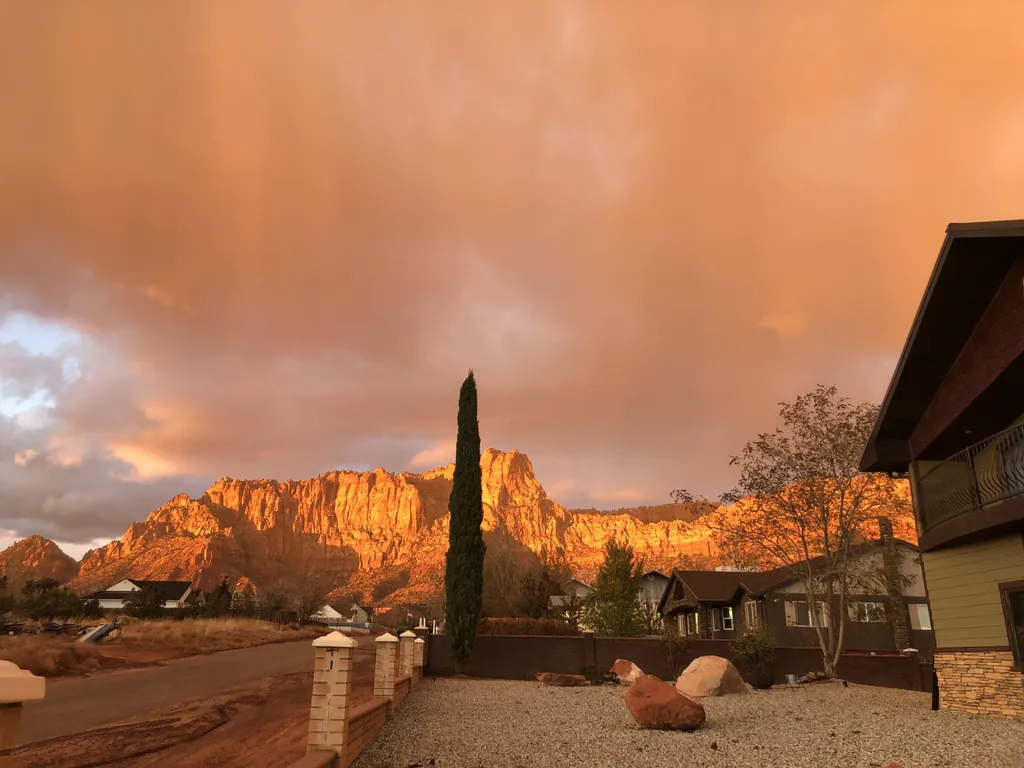
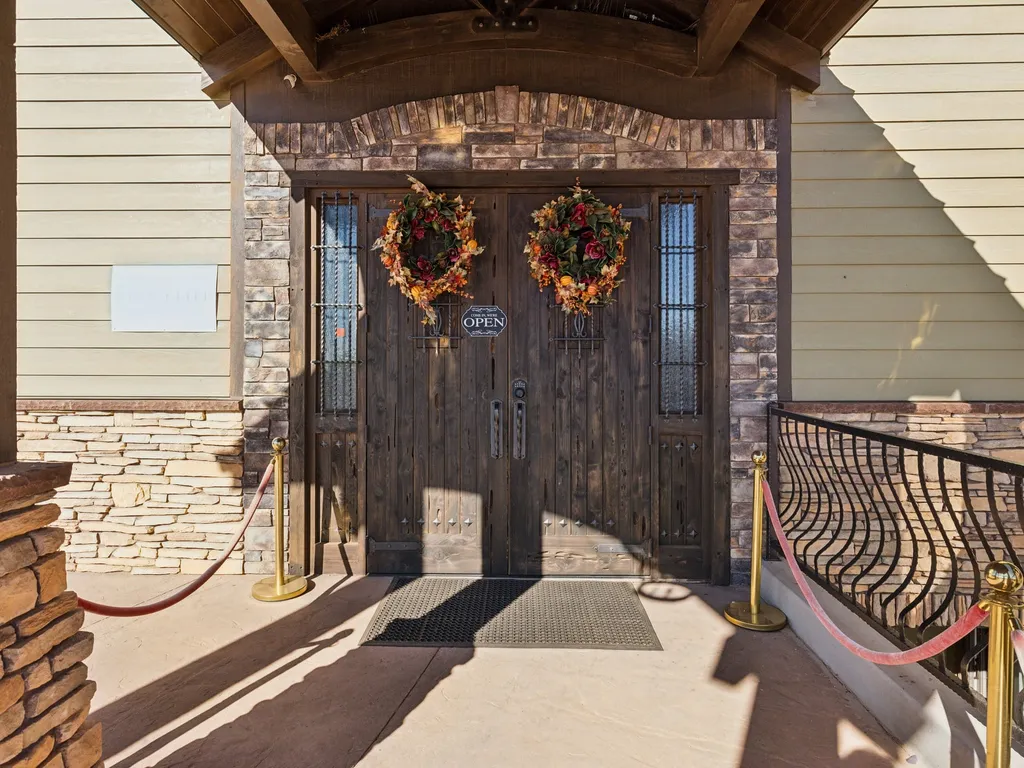
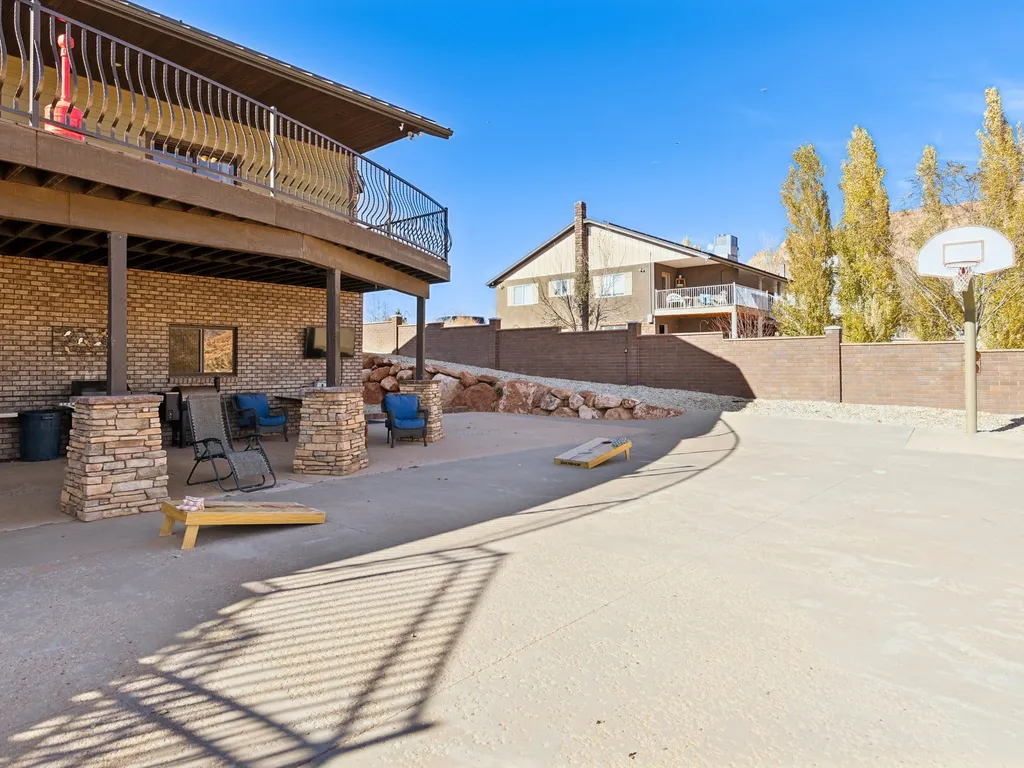
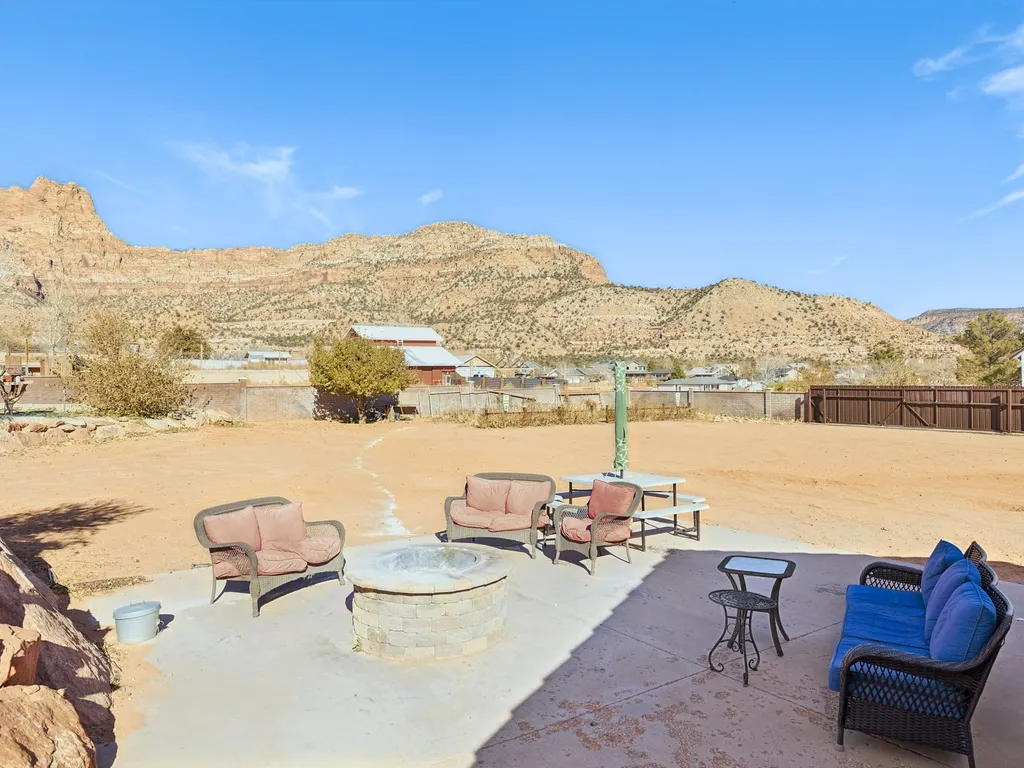
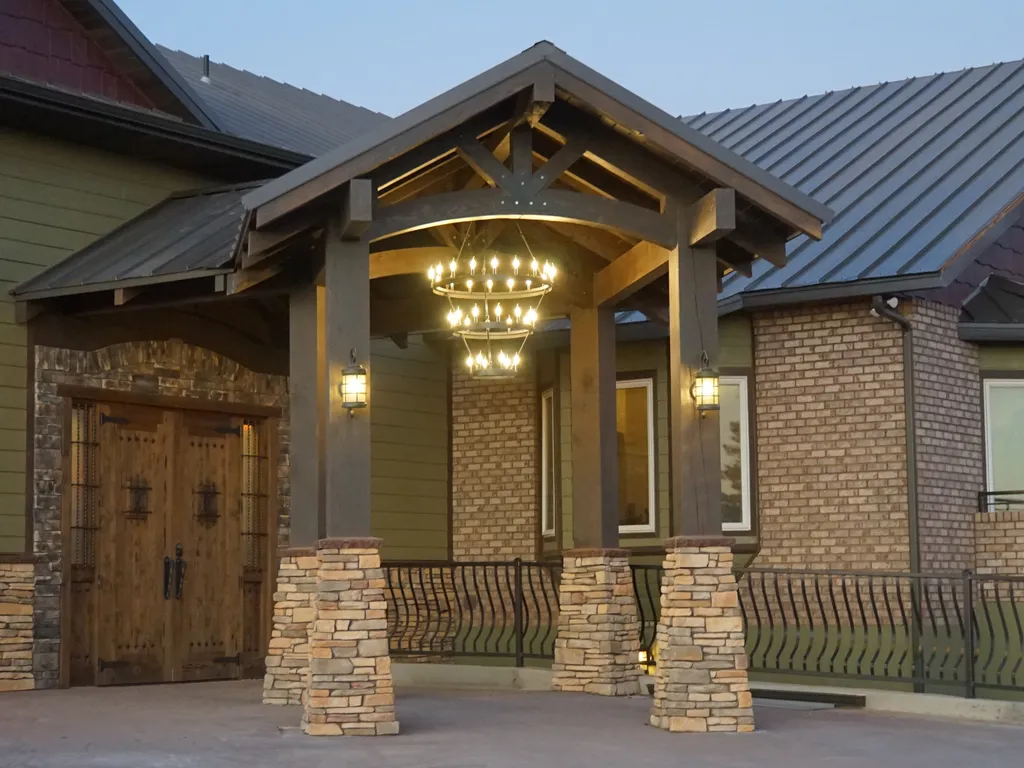
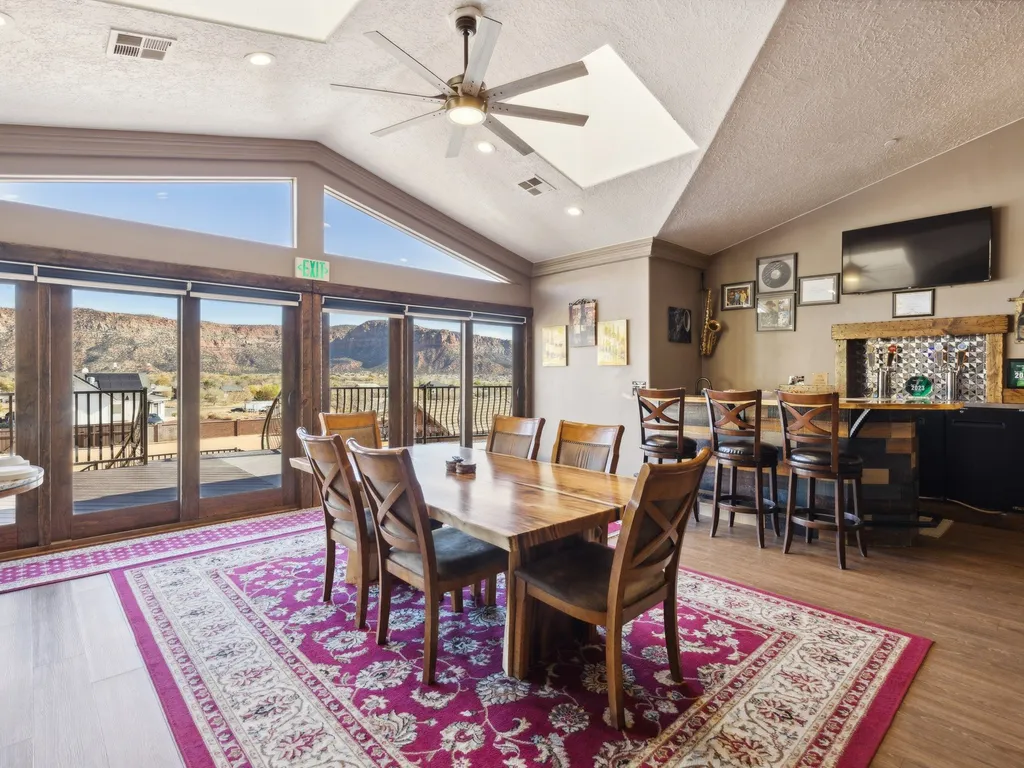
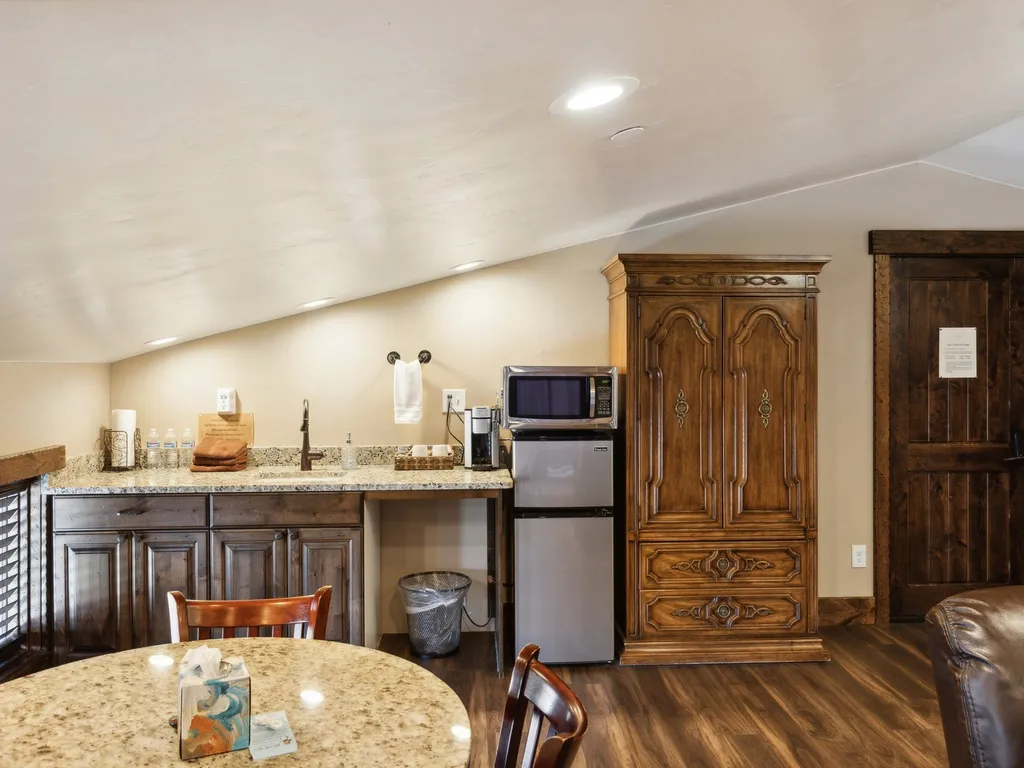
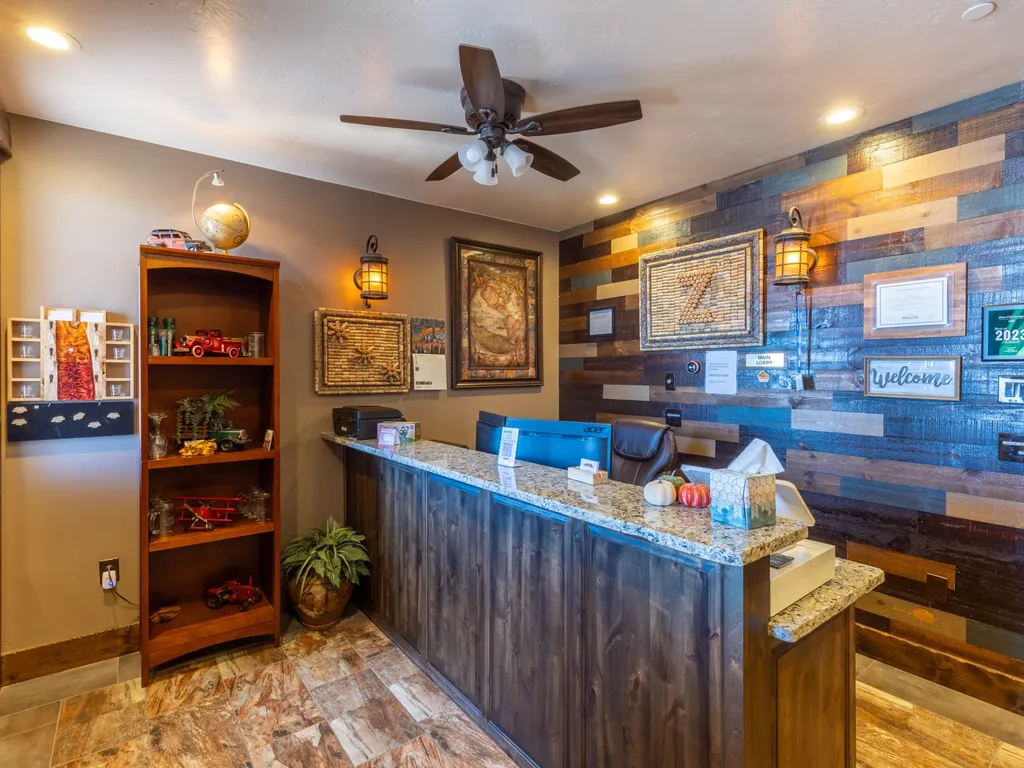
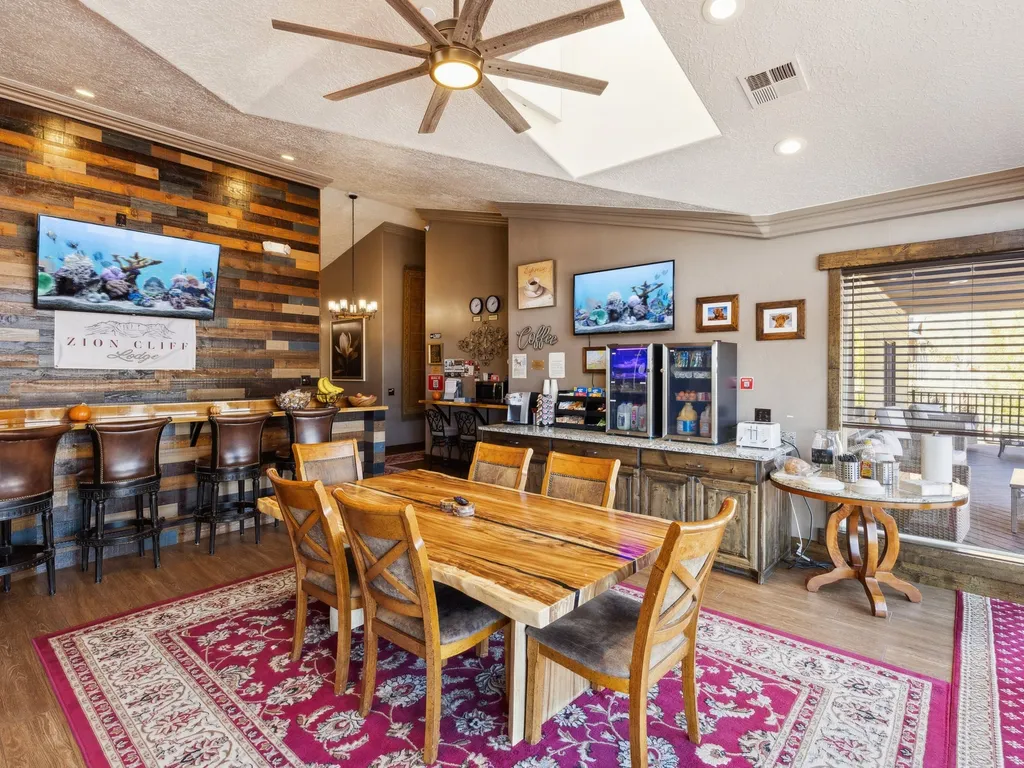
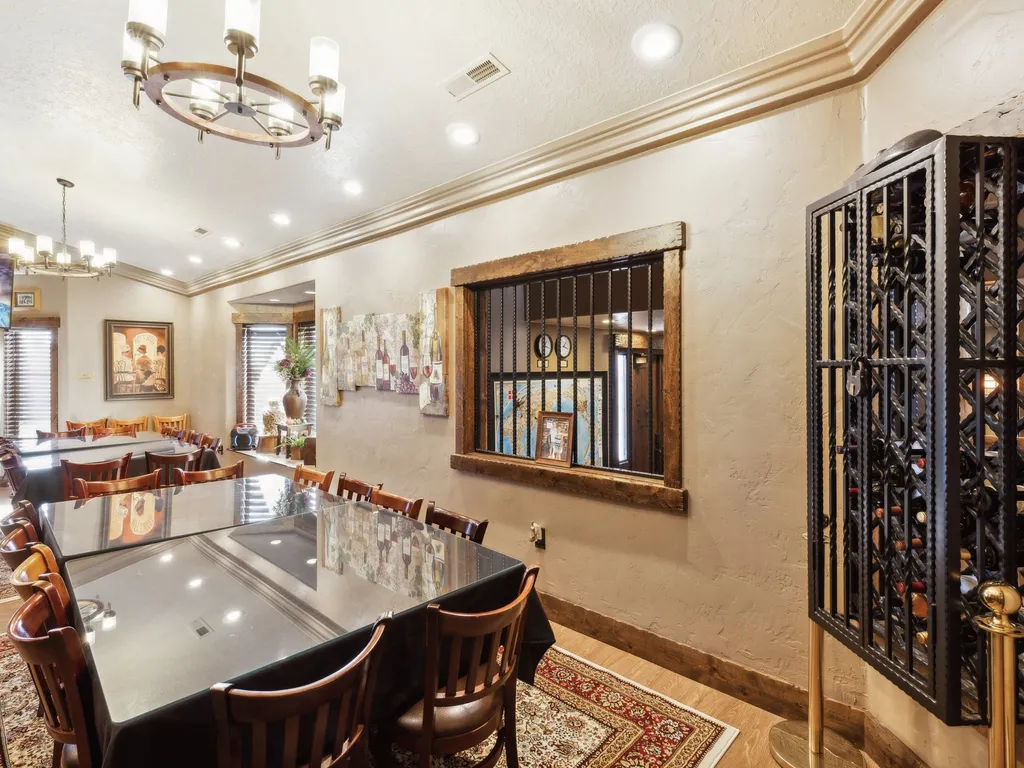
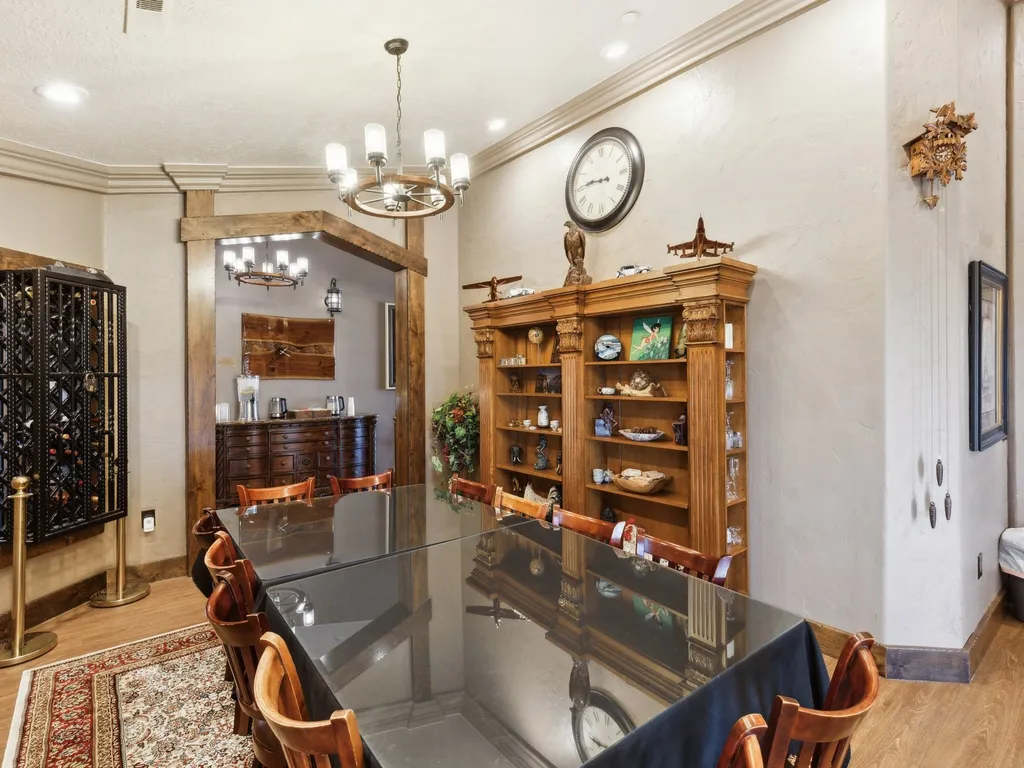
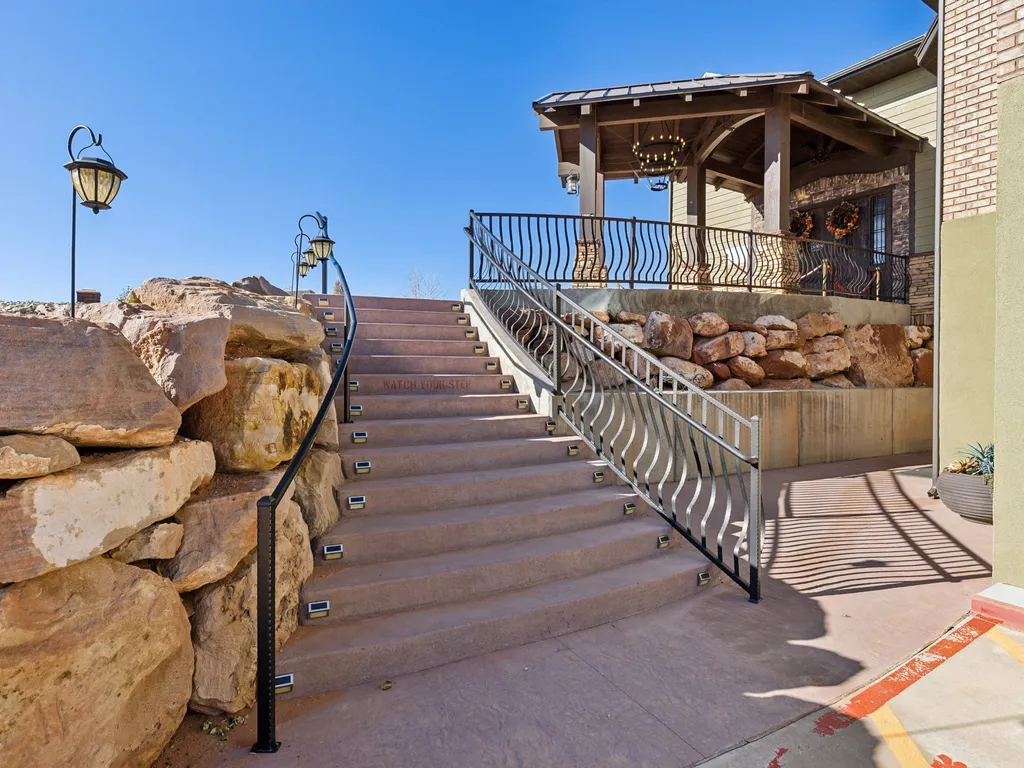
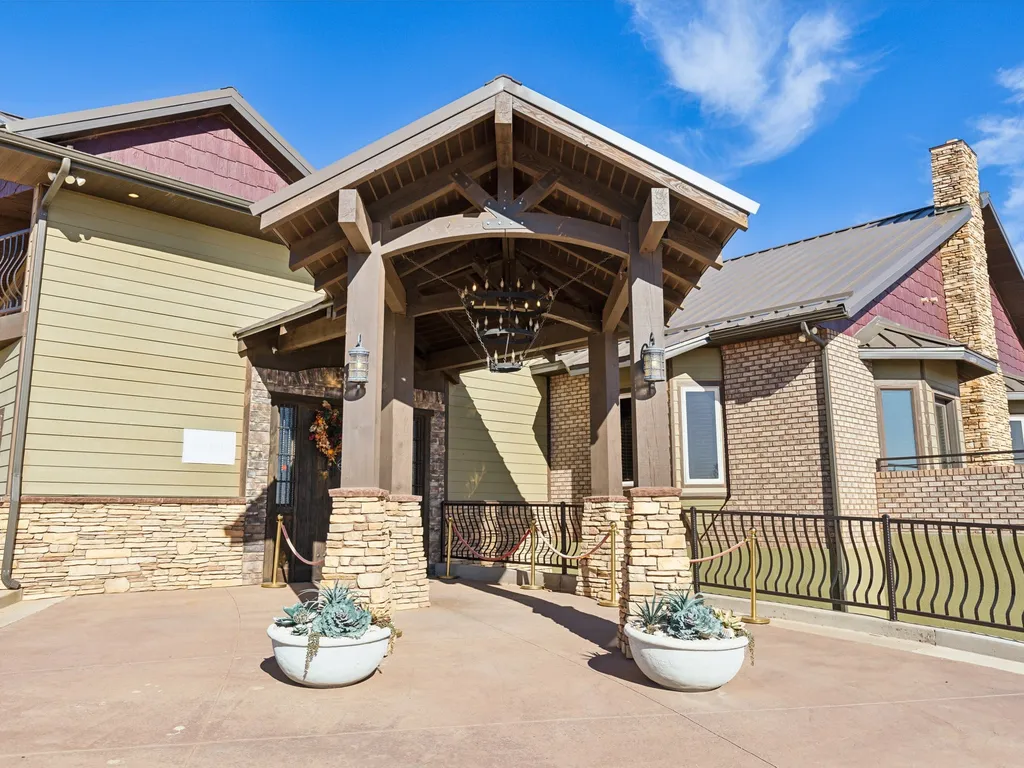
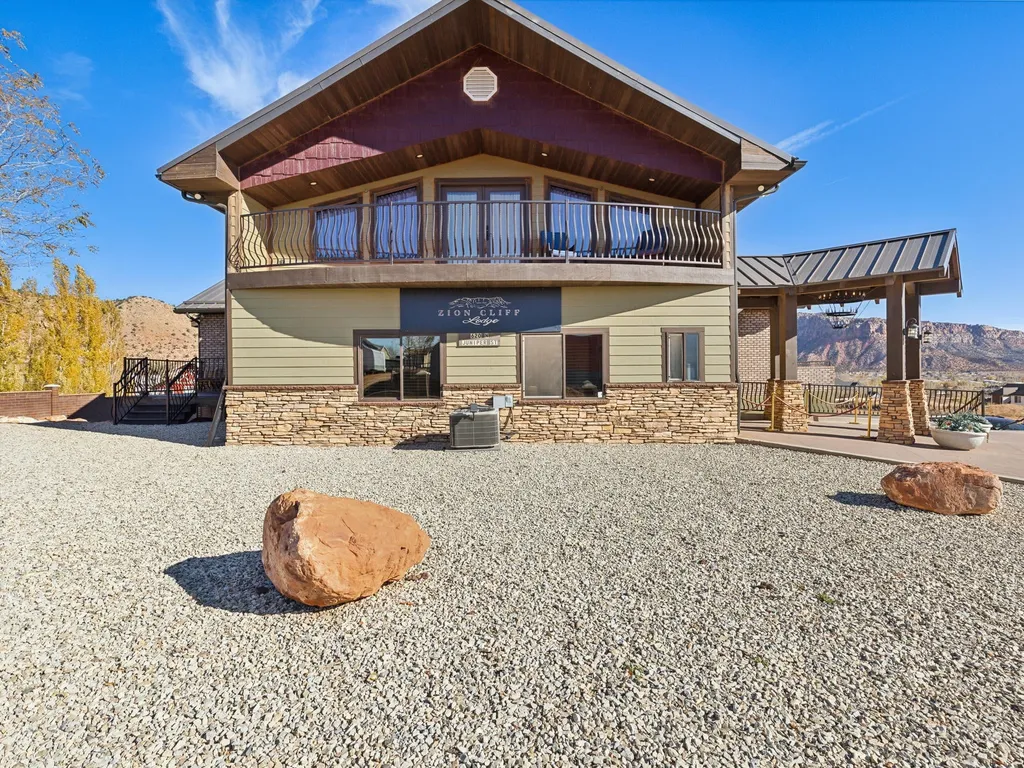
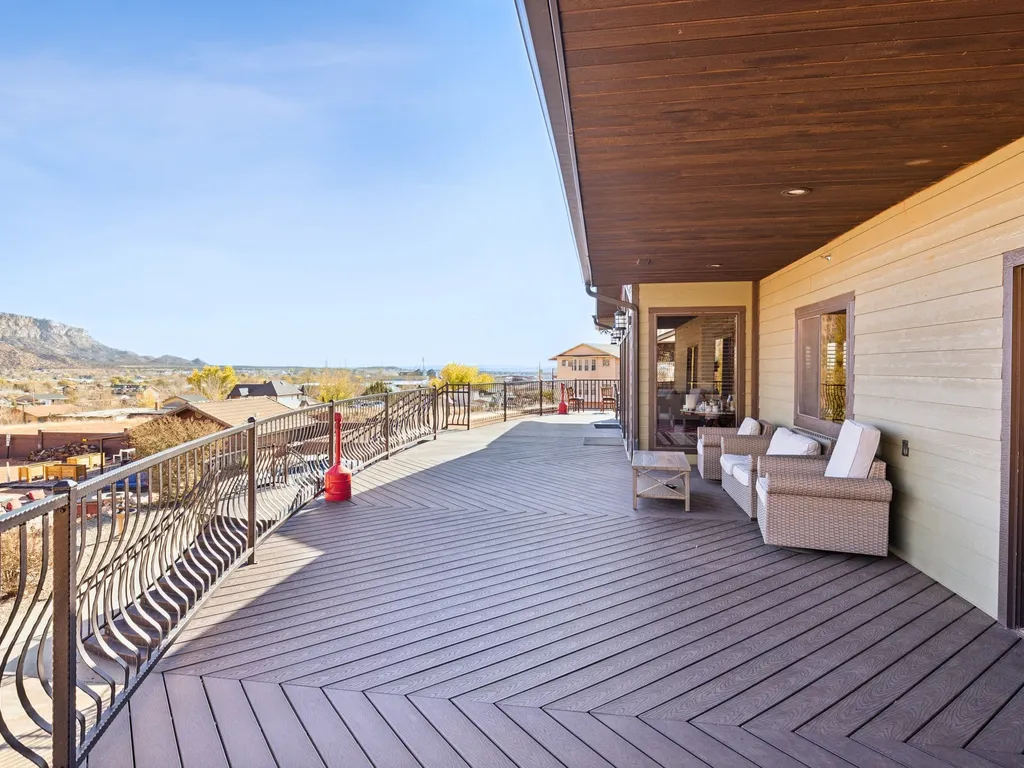
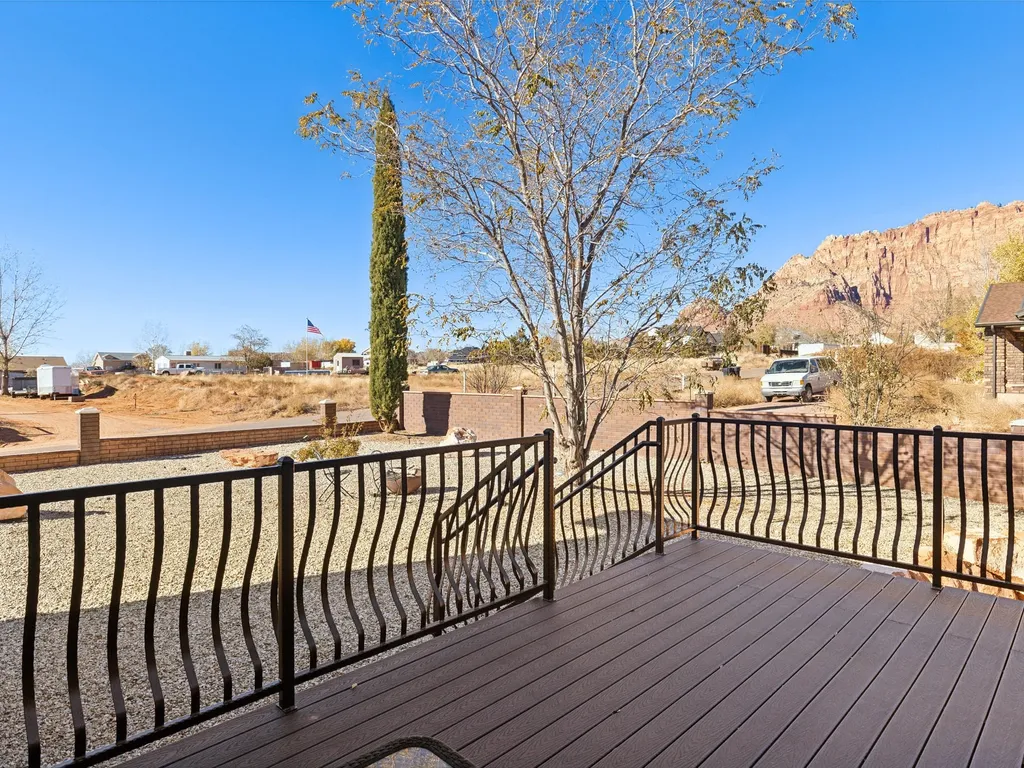
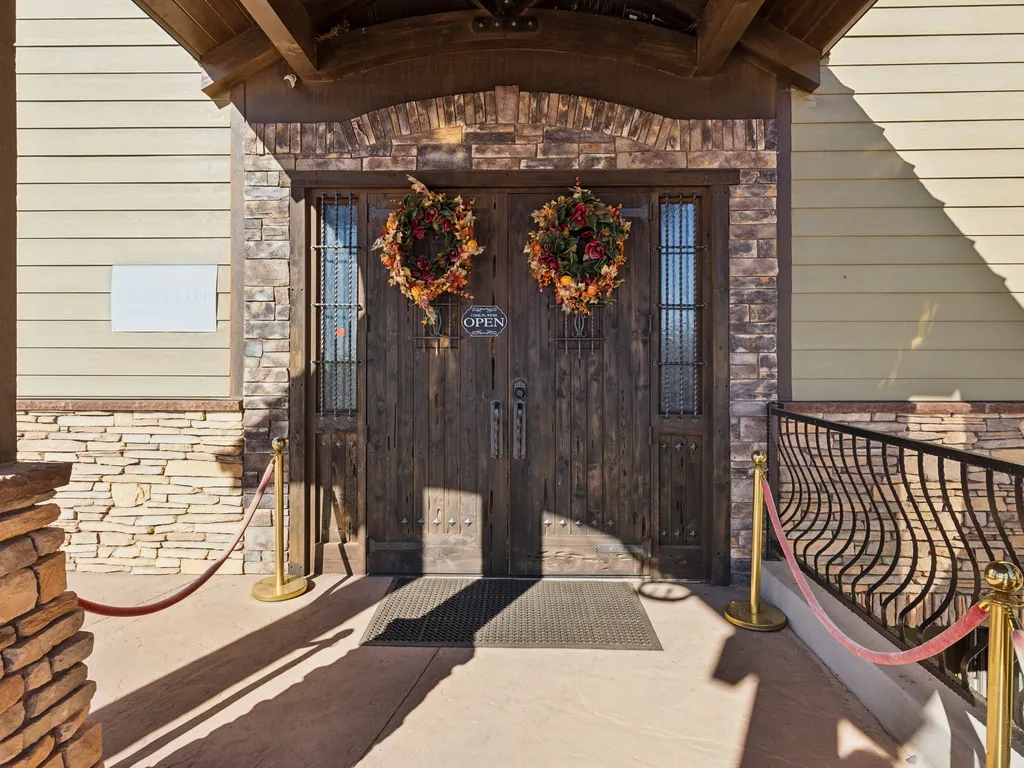
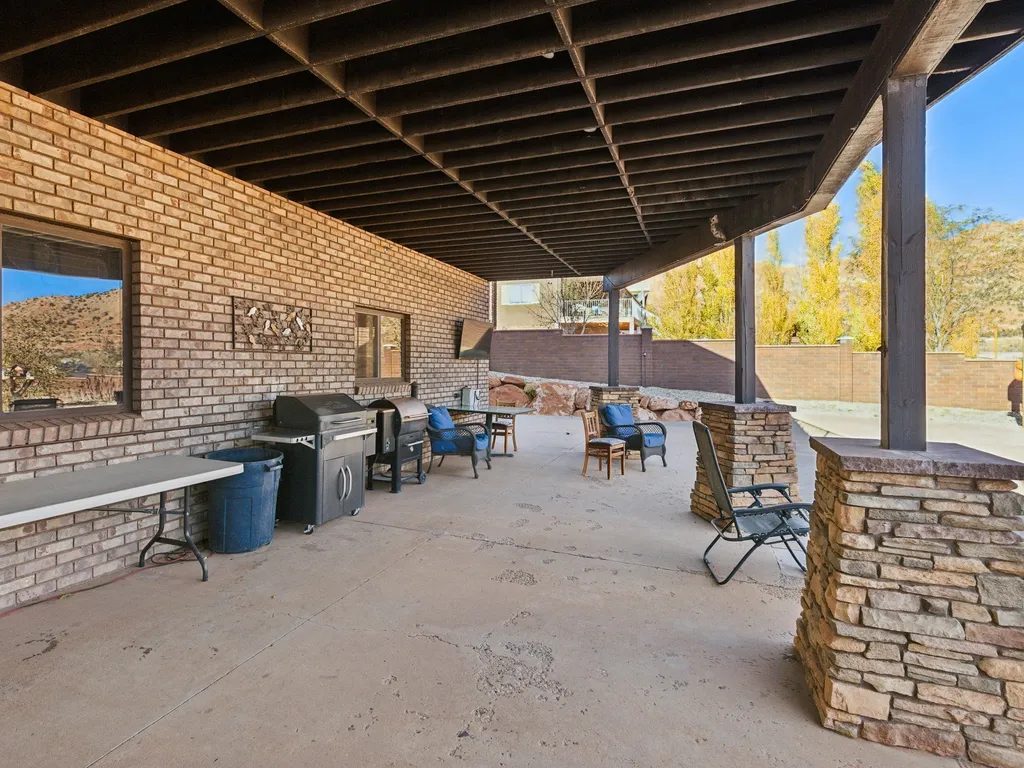
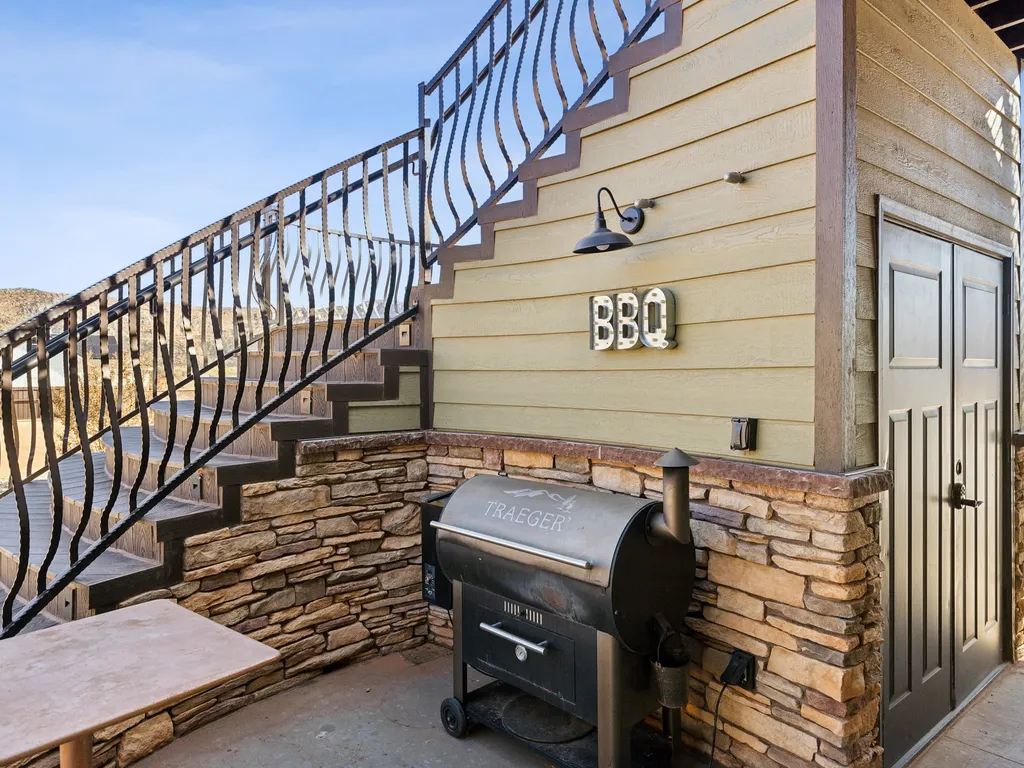
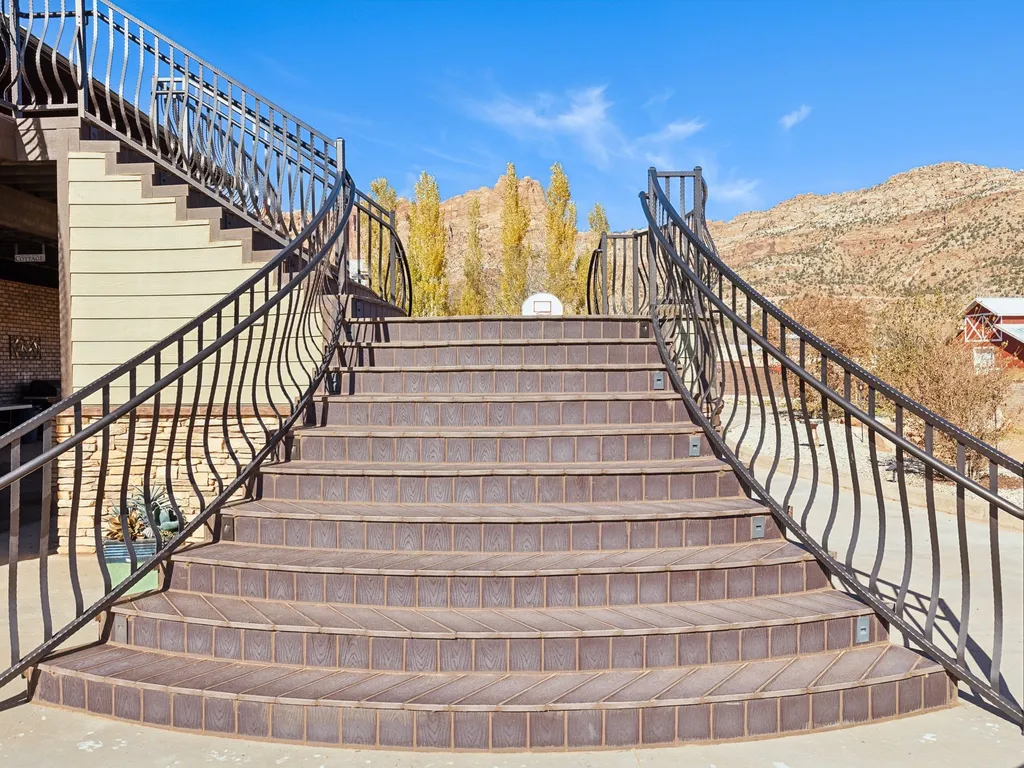
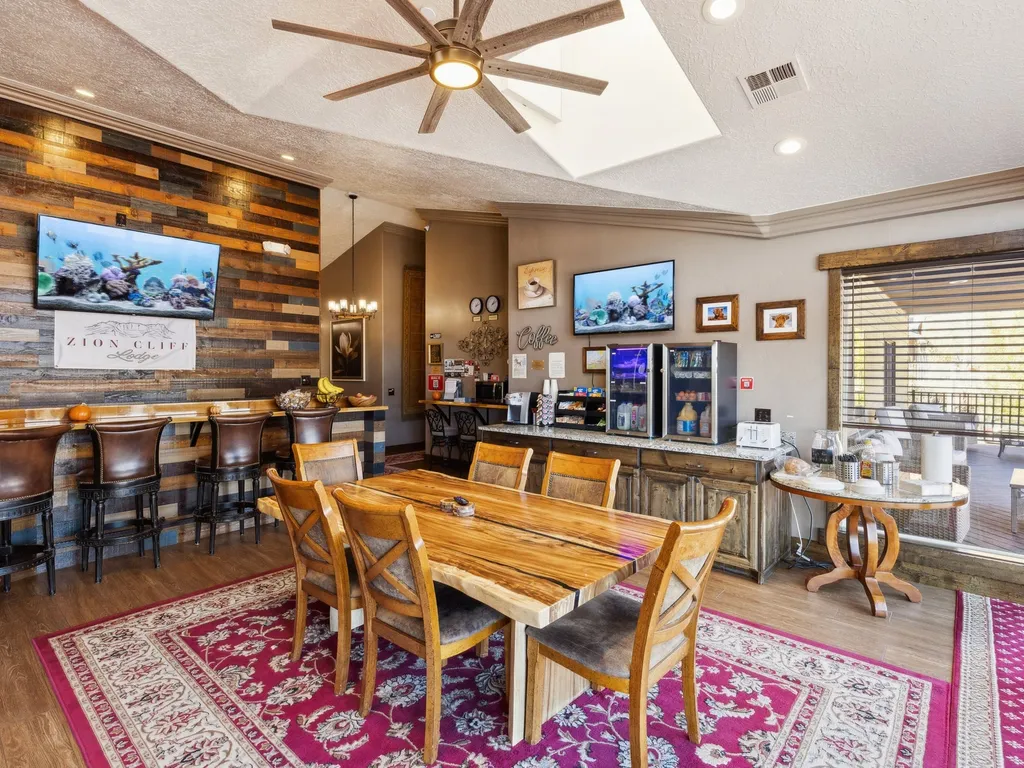
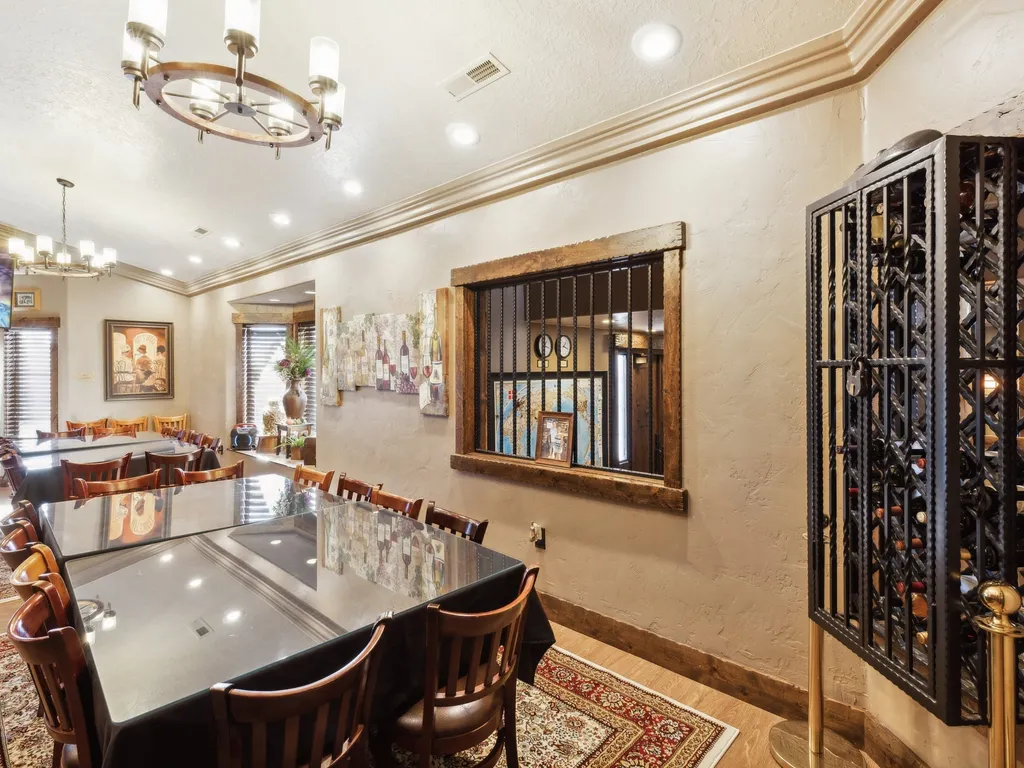
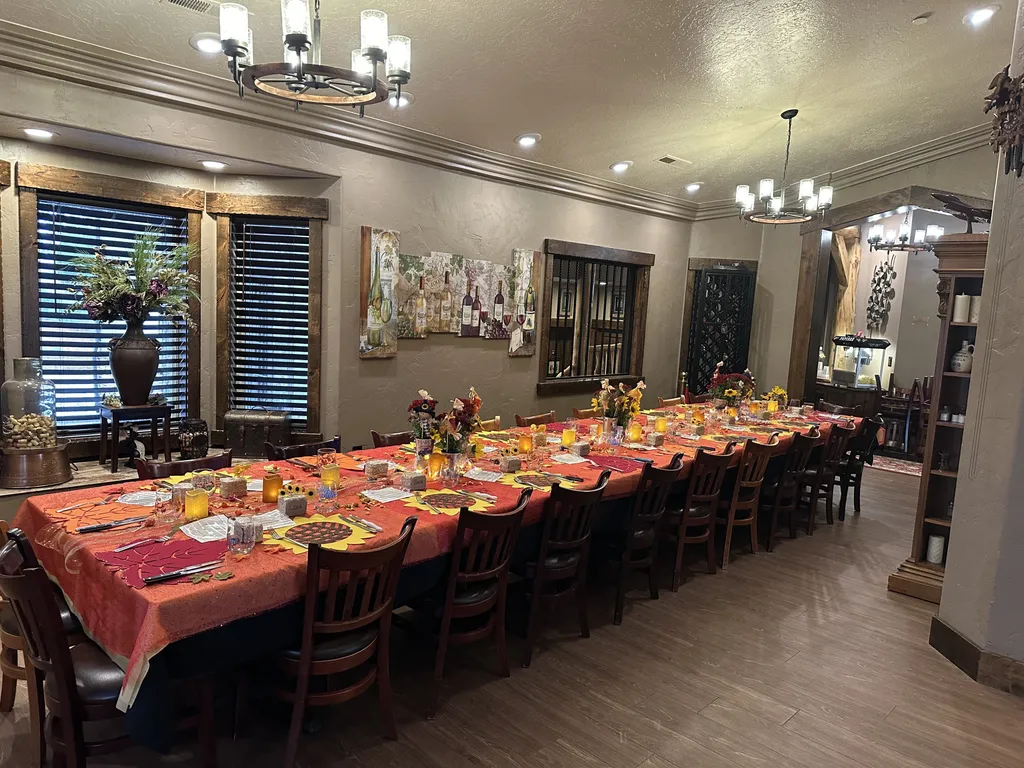
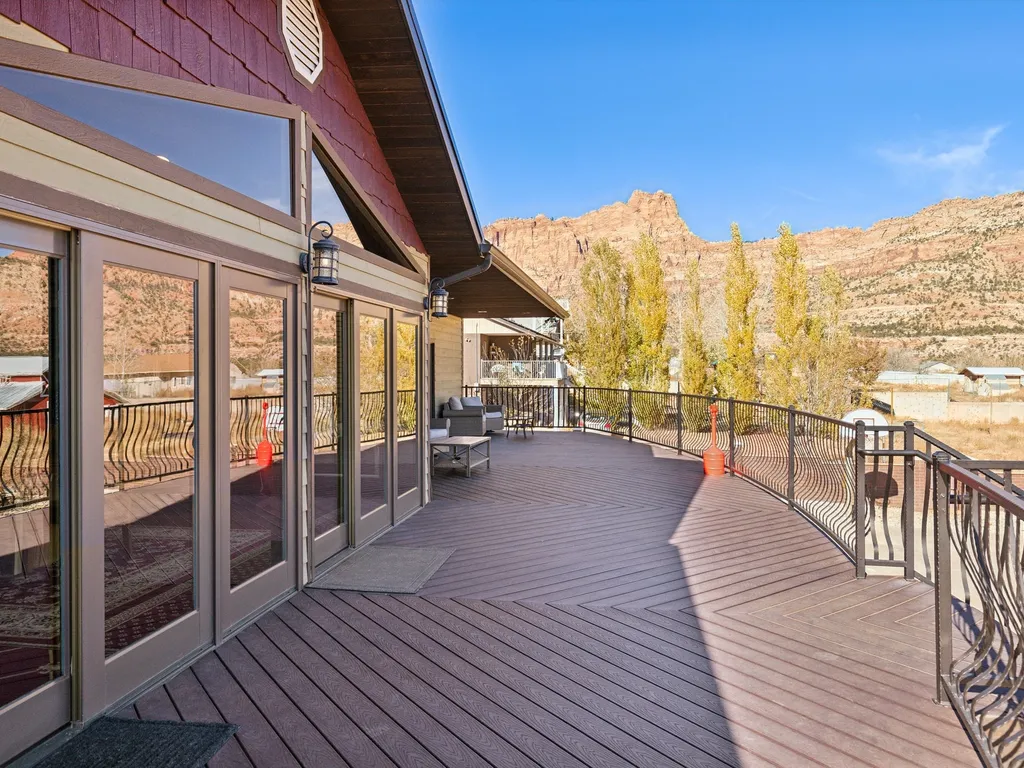
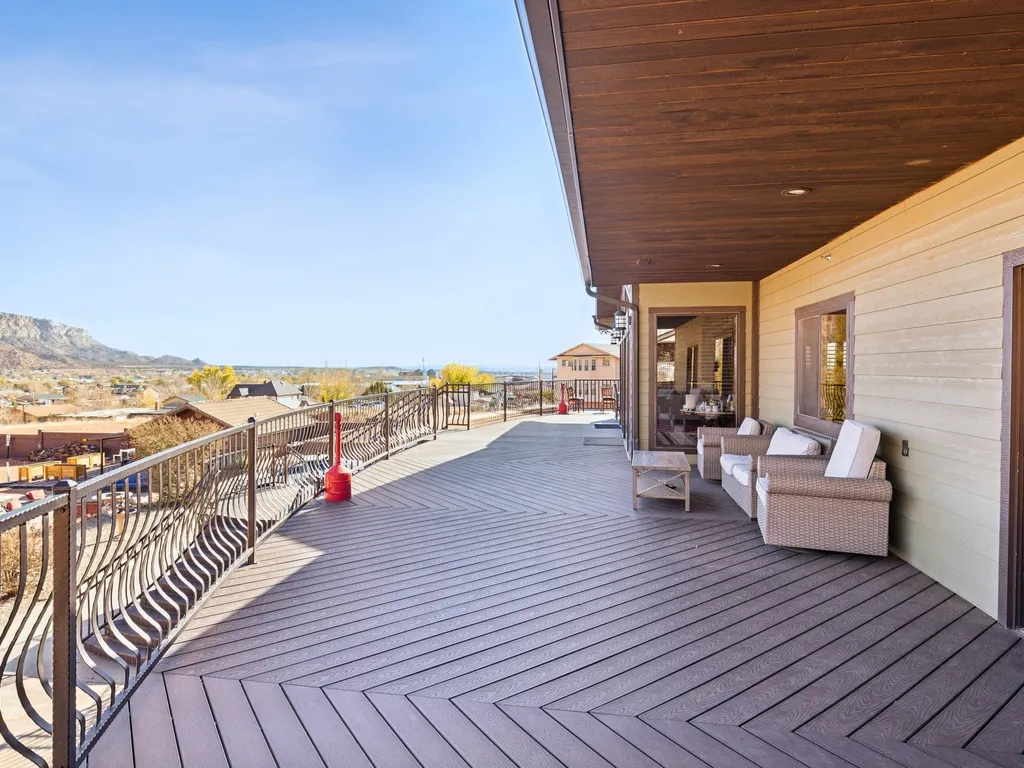
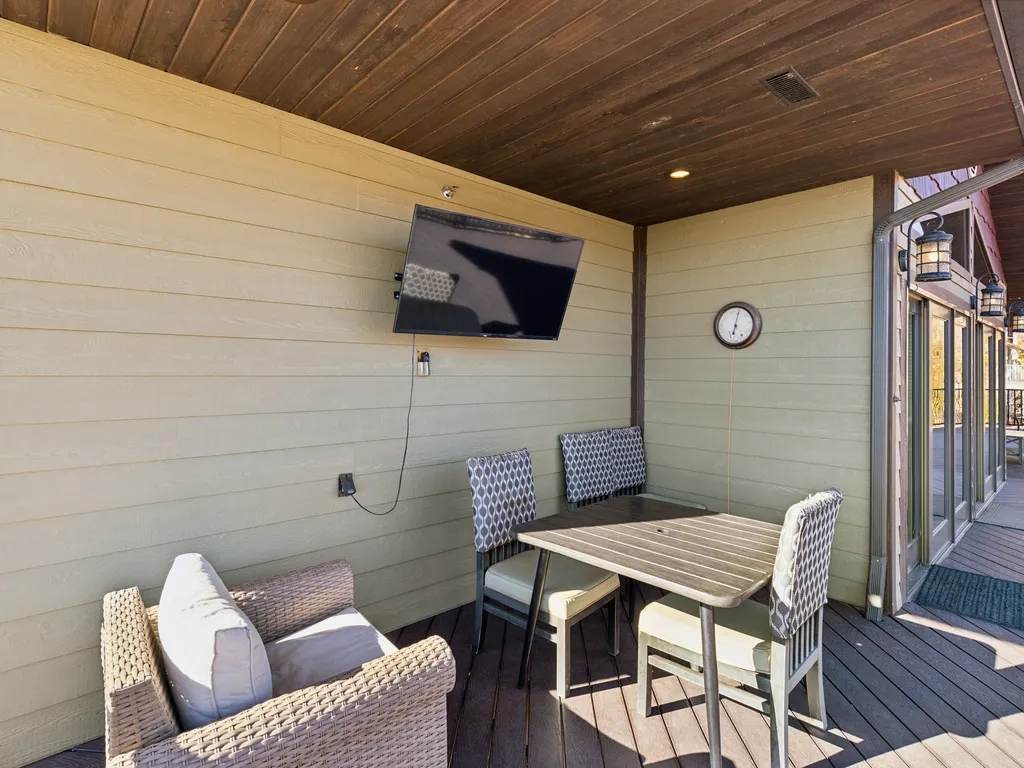
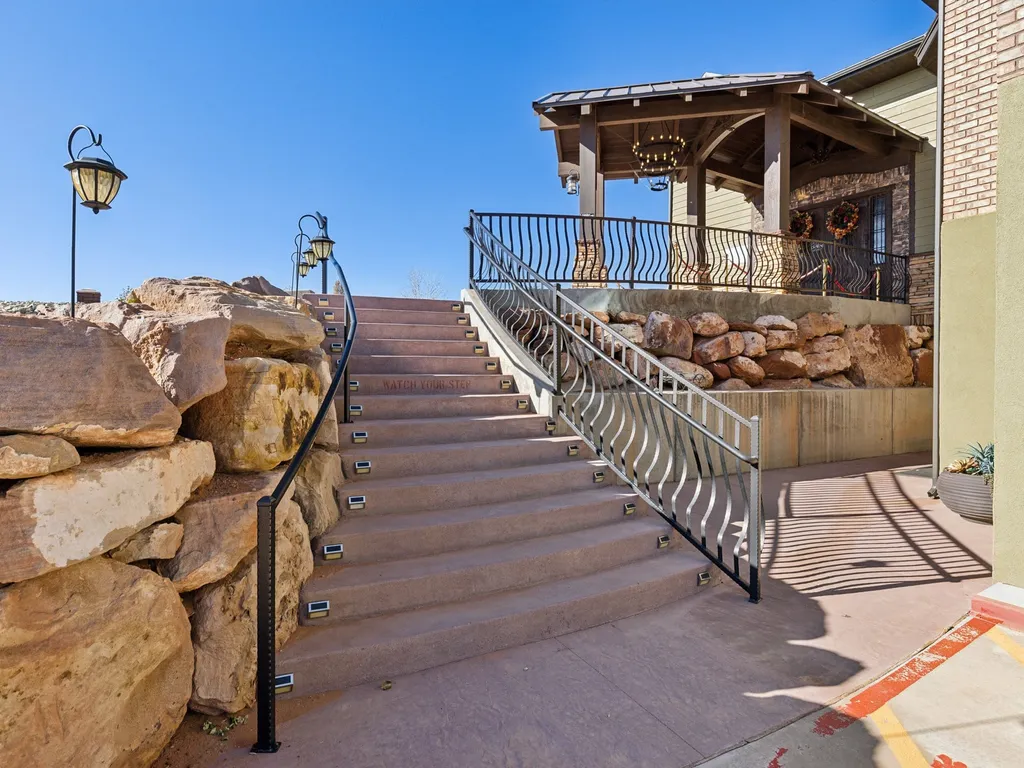
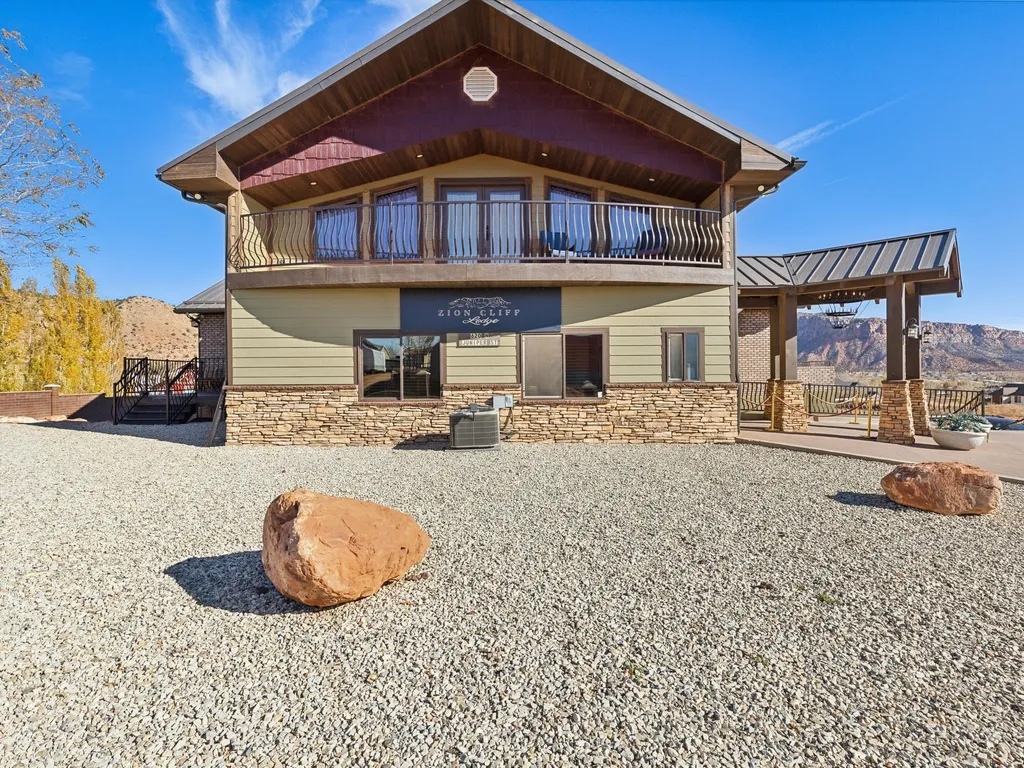
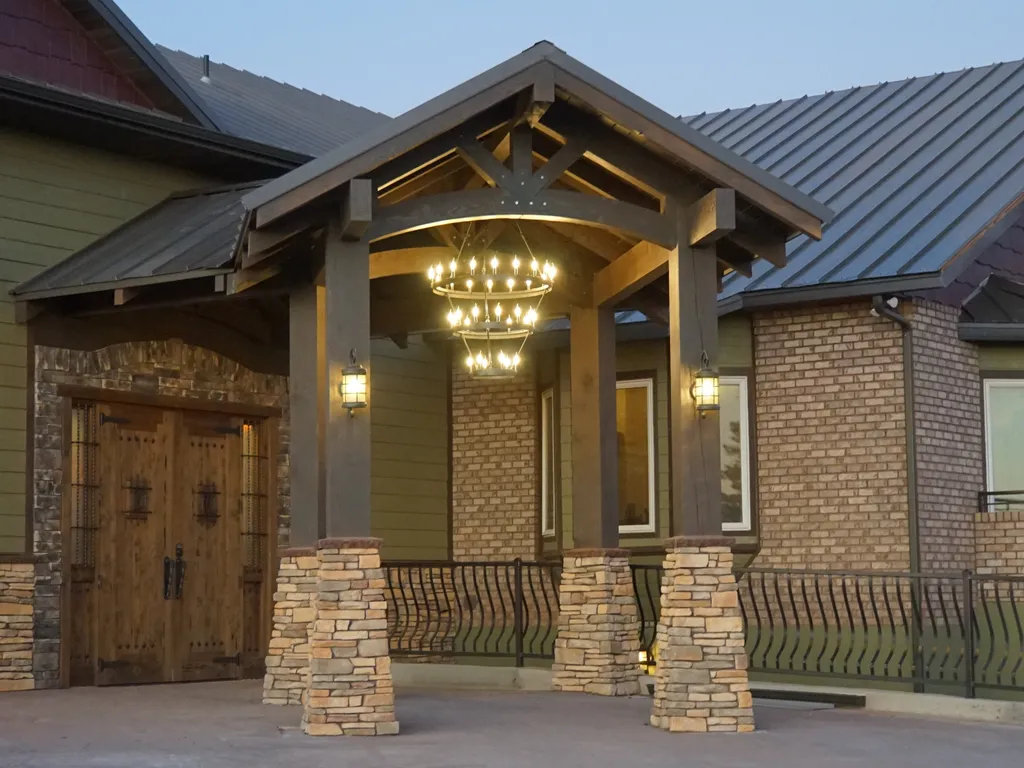
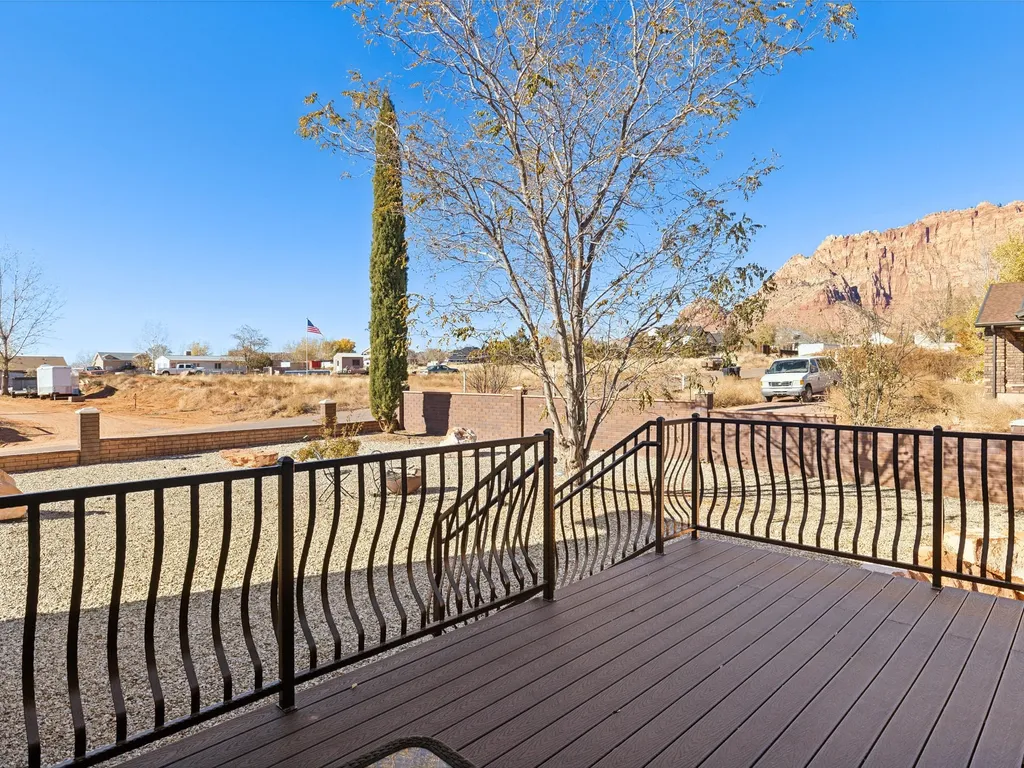
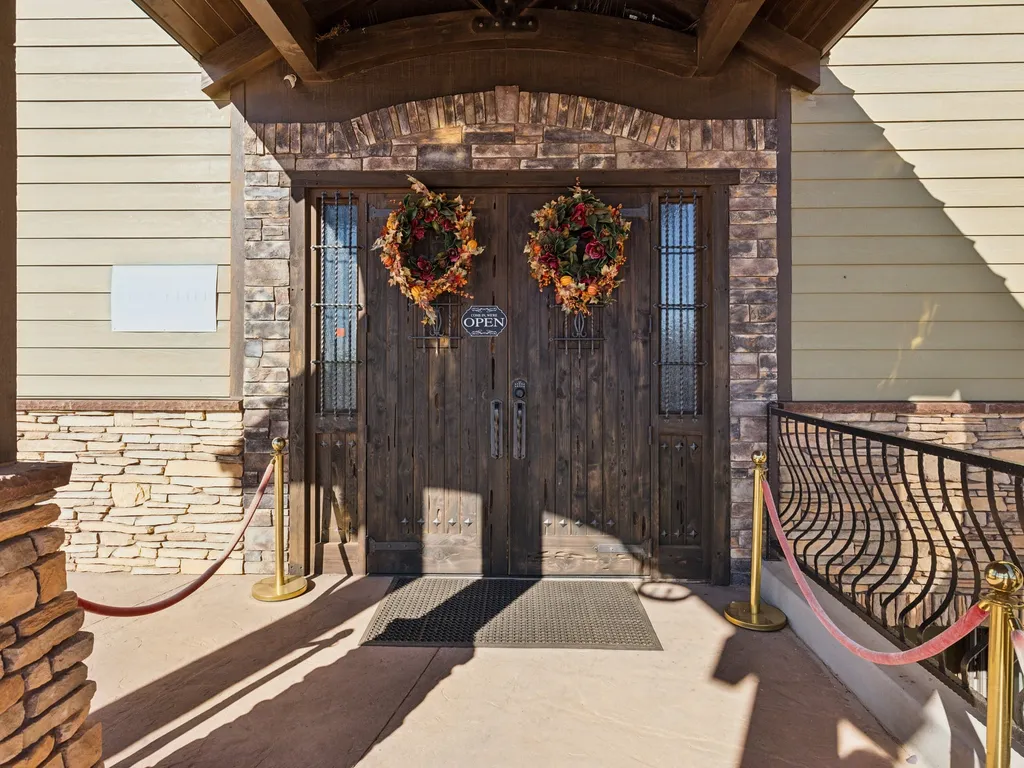
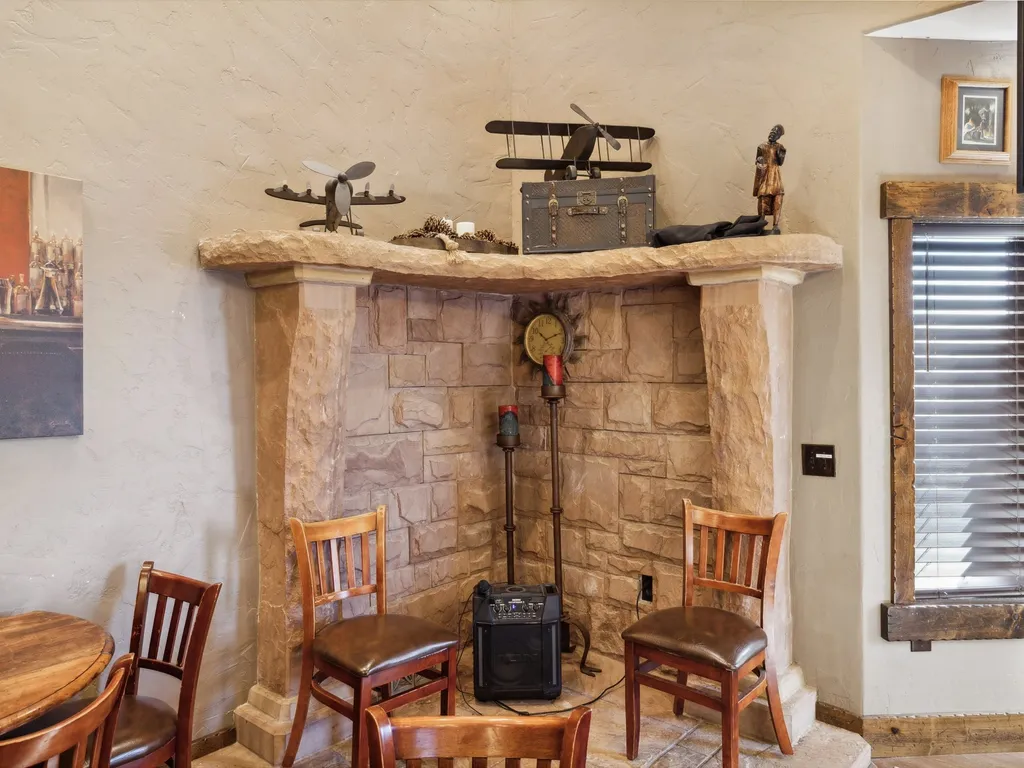
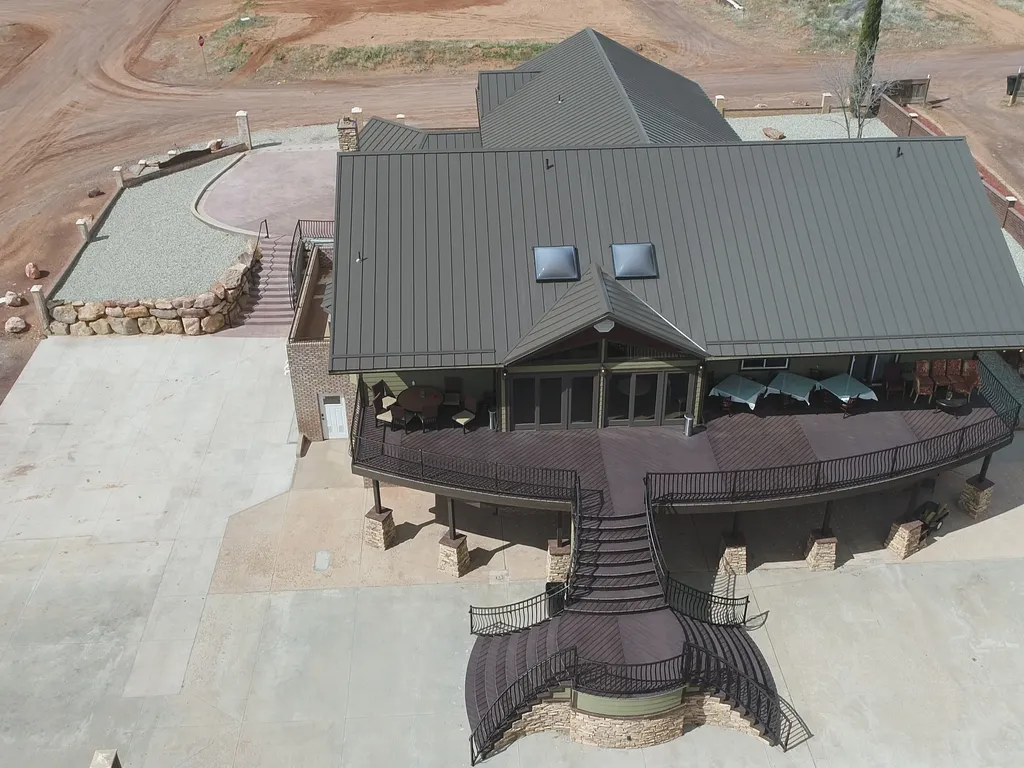
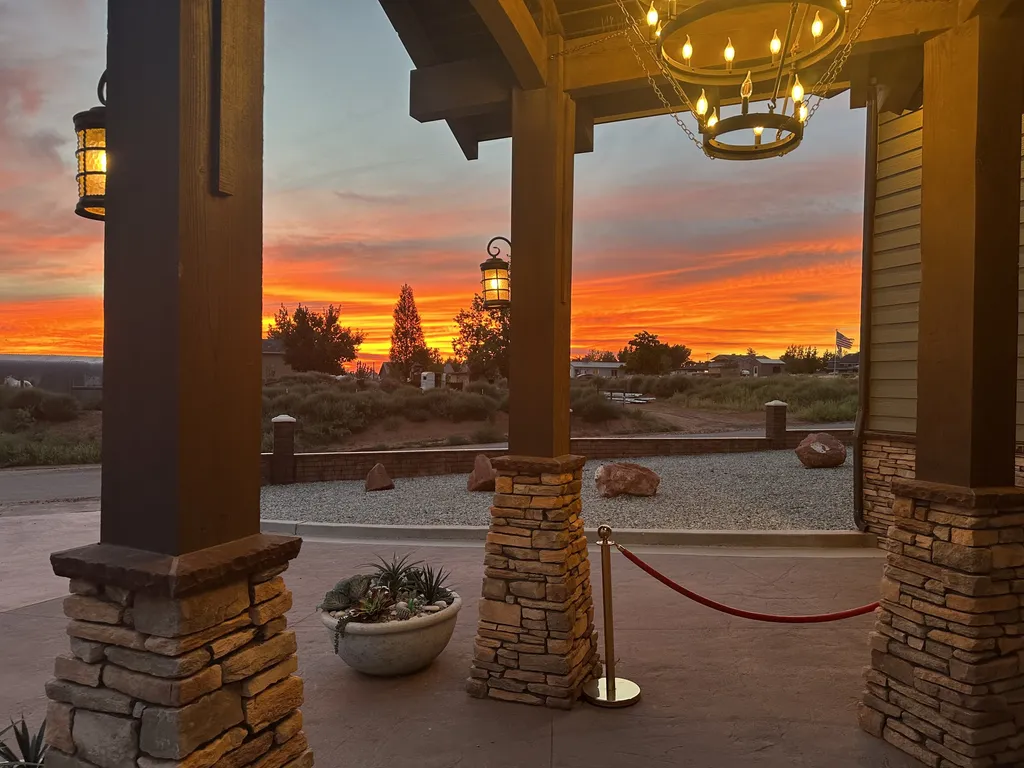
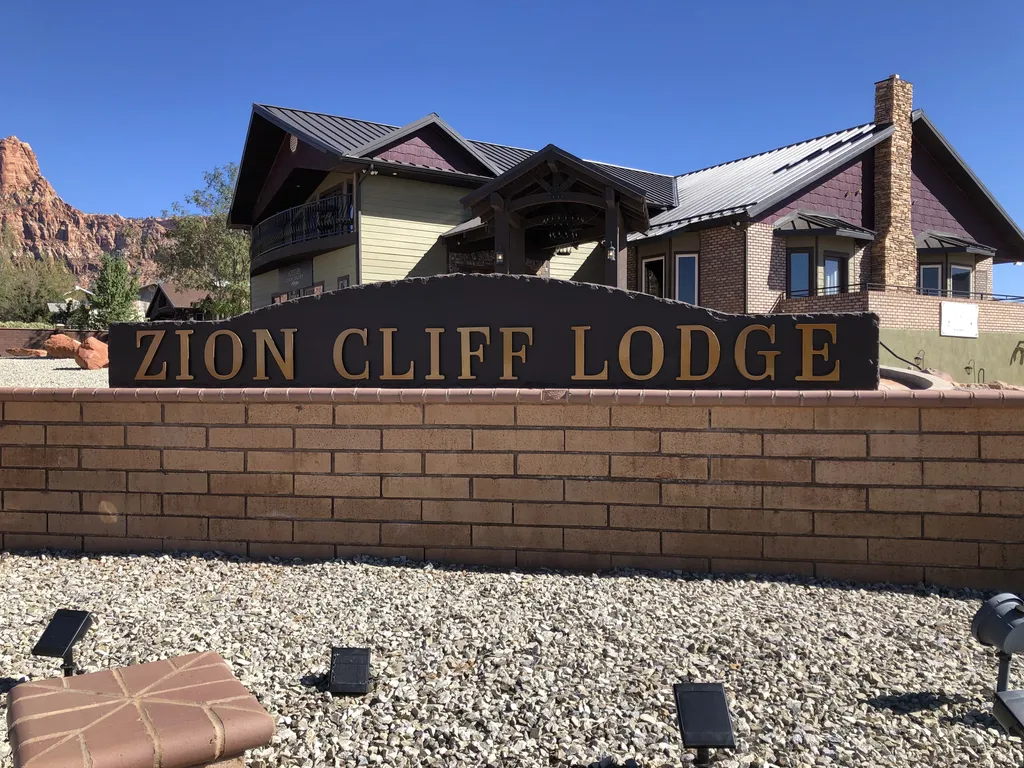
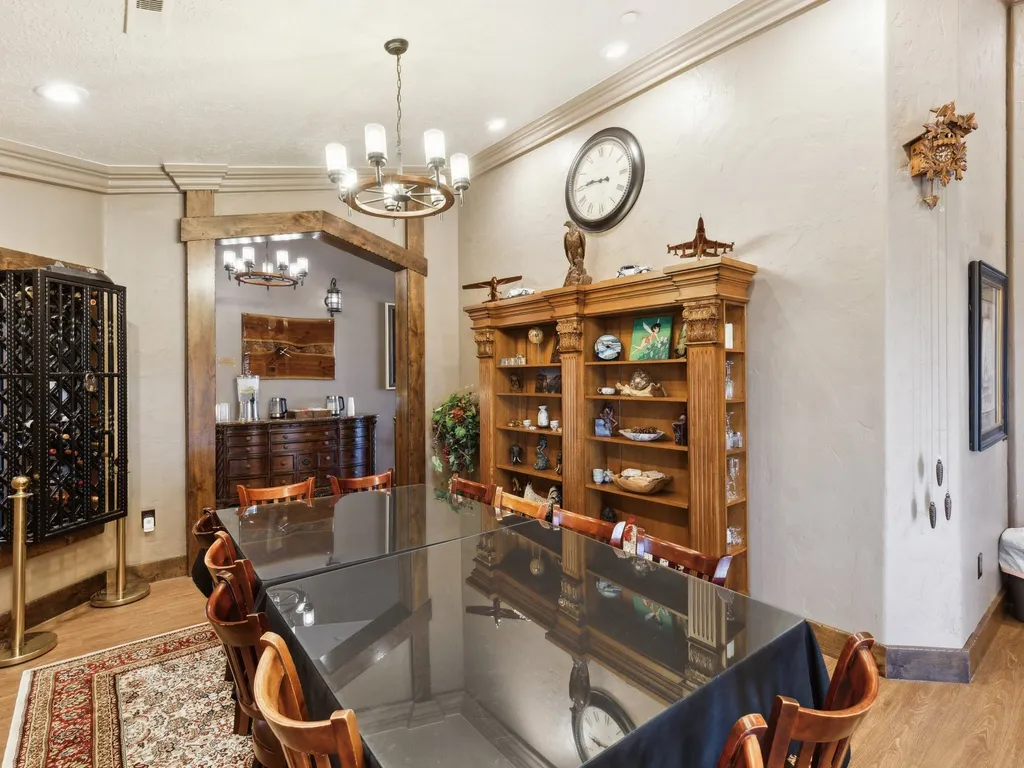
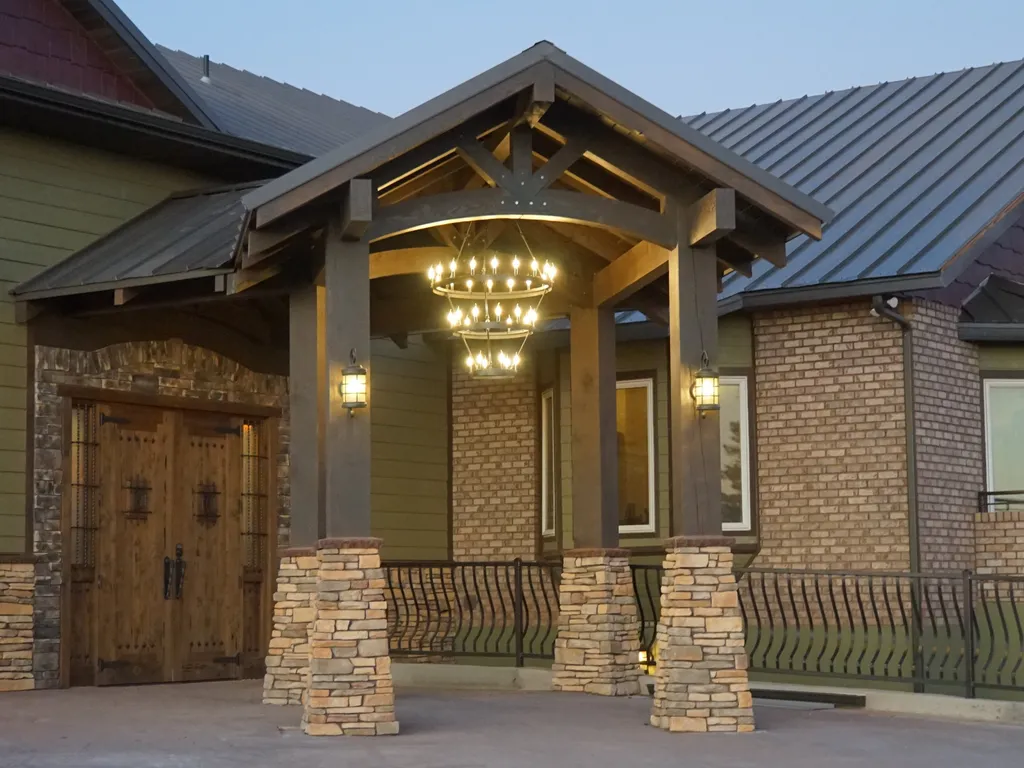
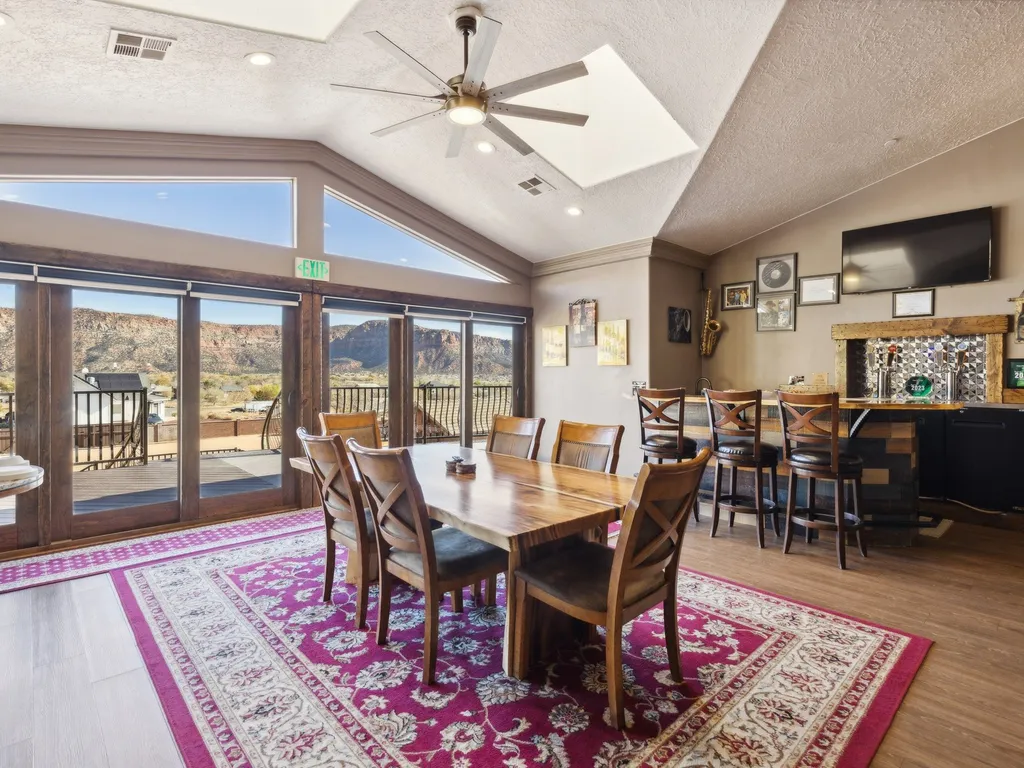
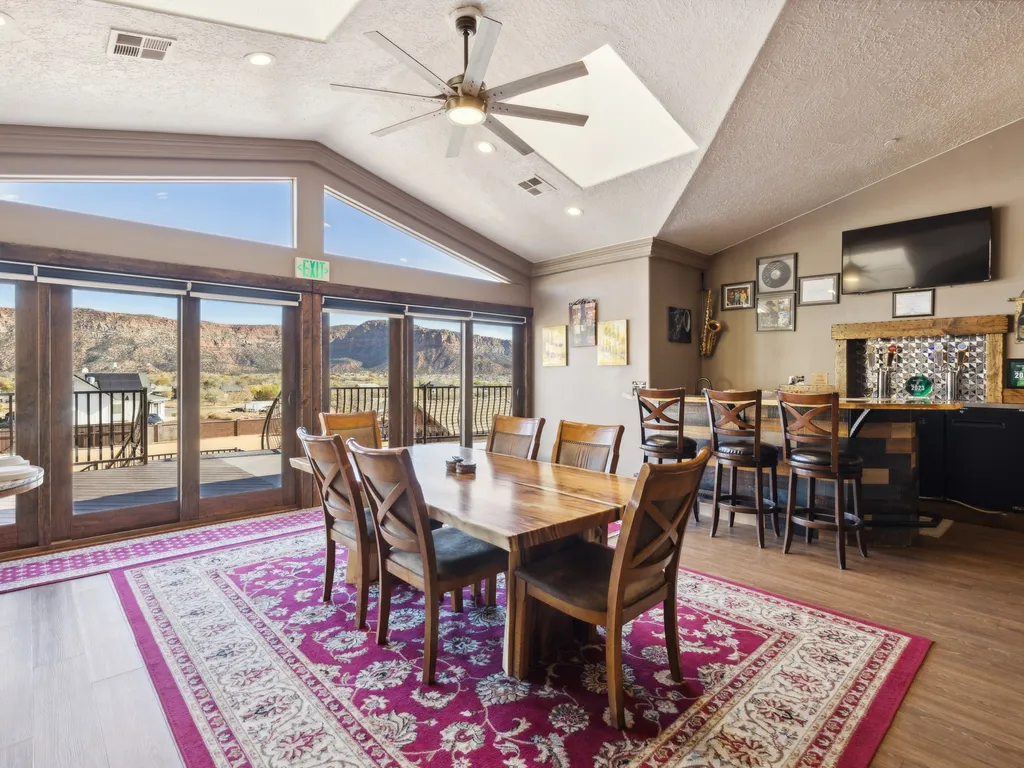
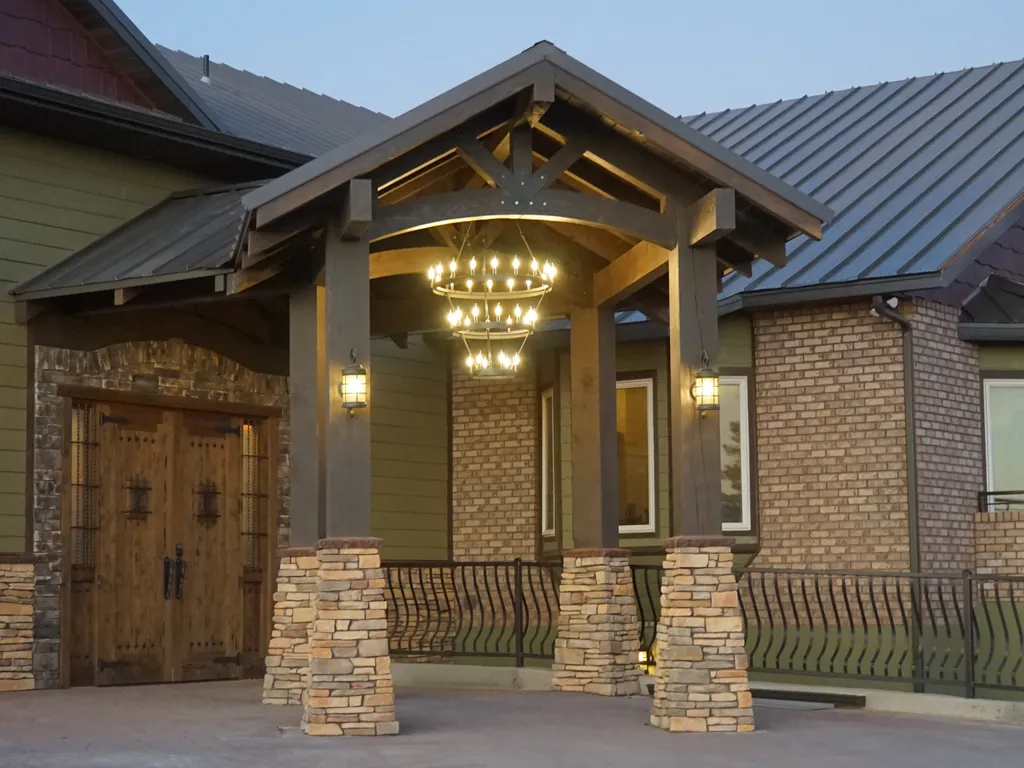
home17 mi1 / 75Photo 1 of 75


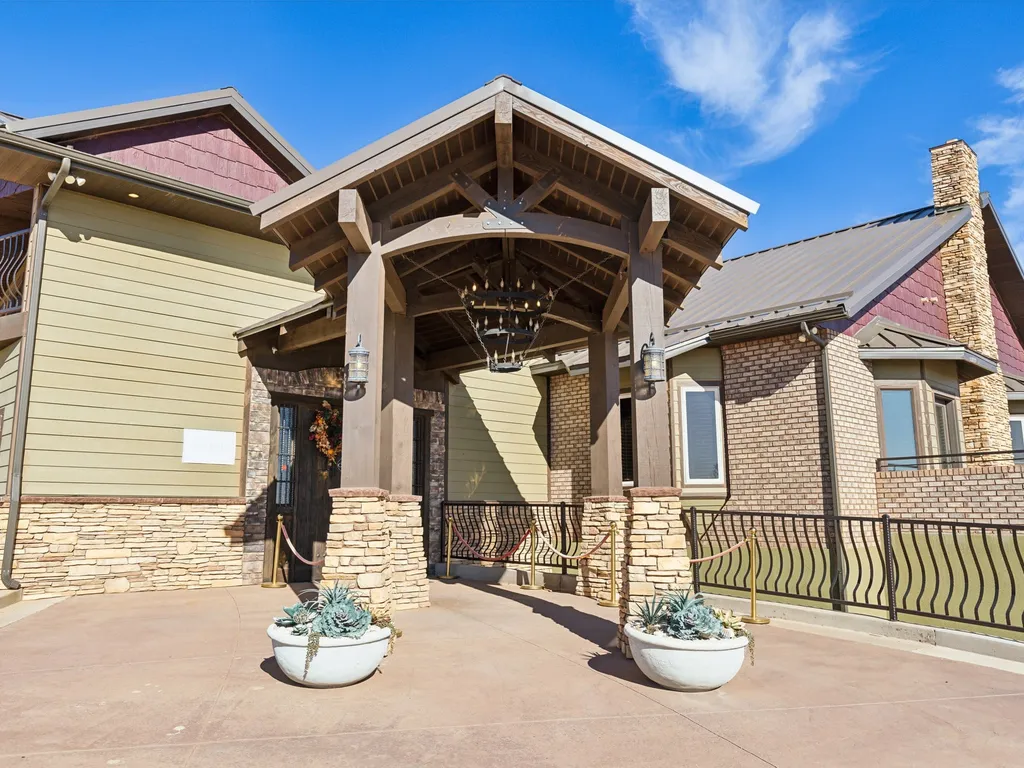
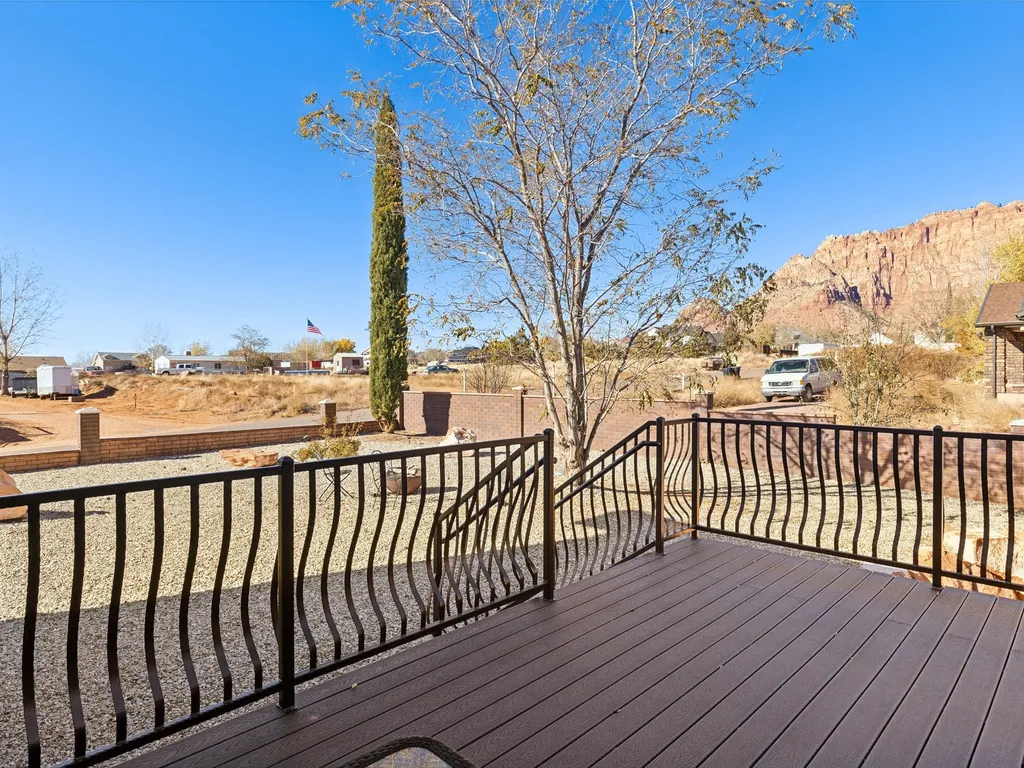
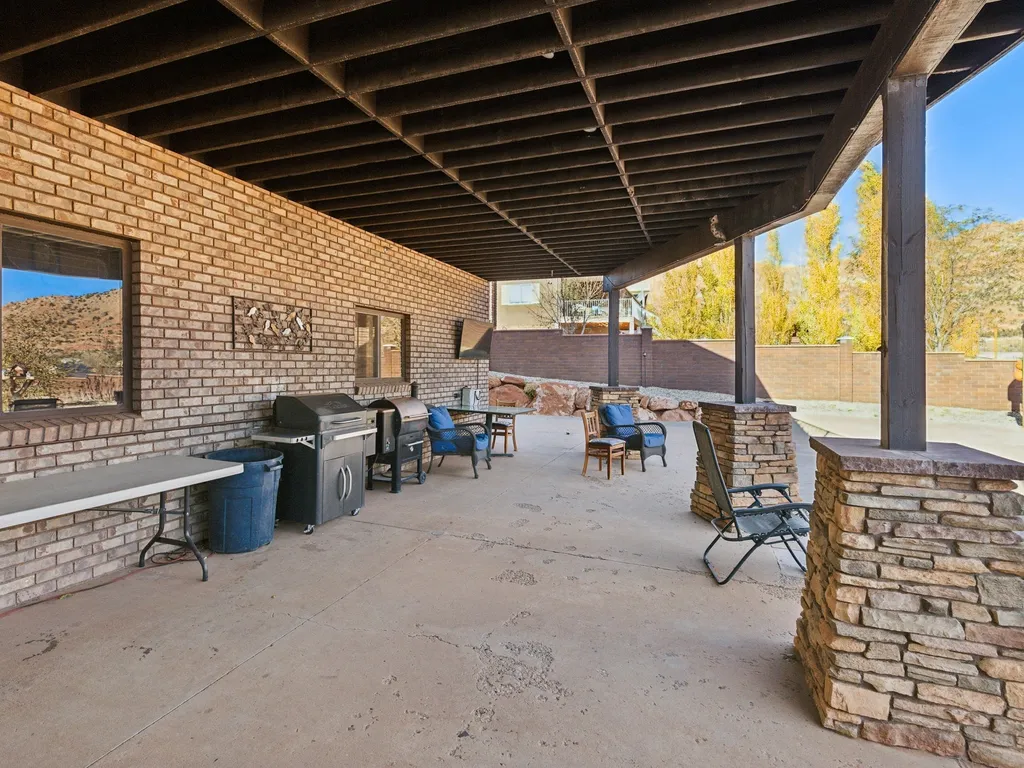
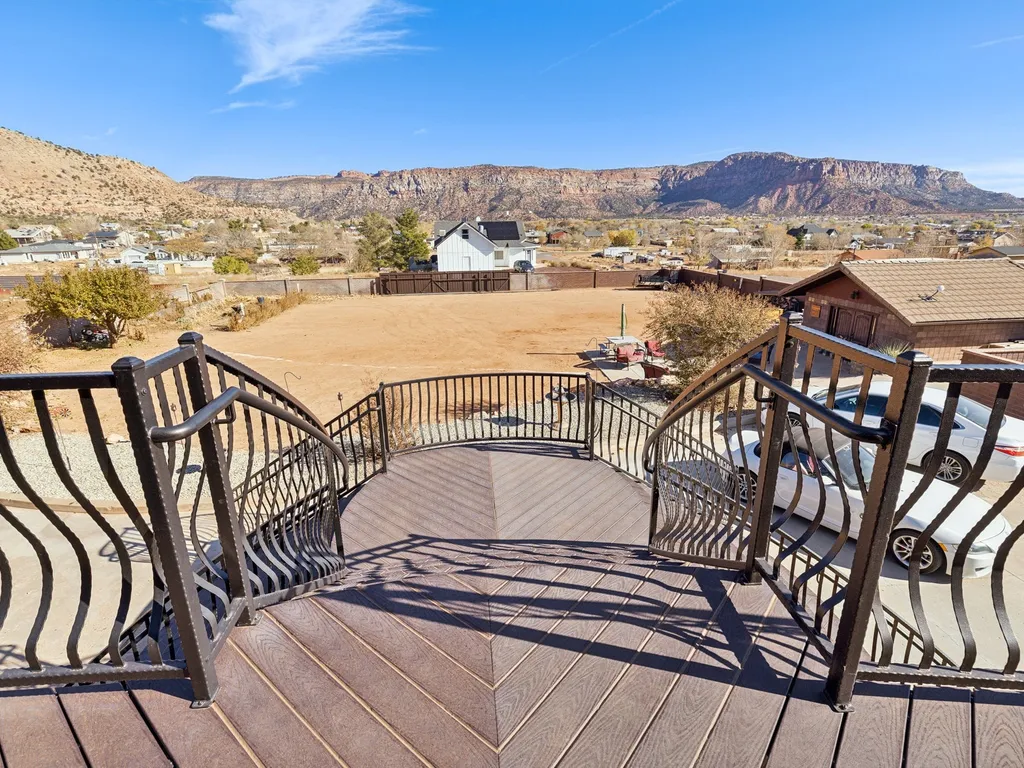
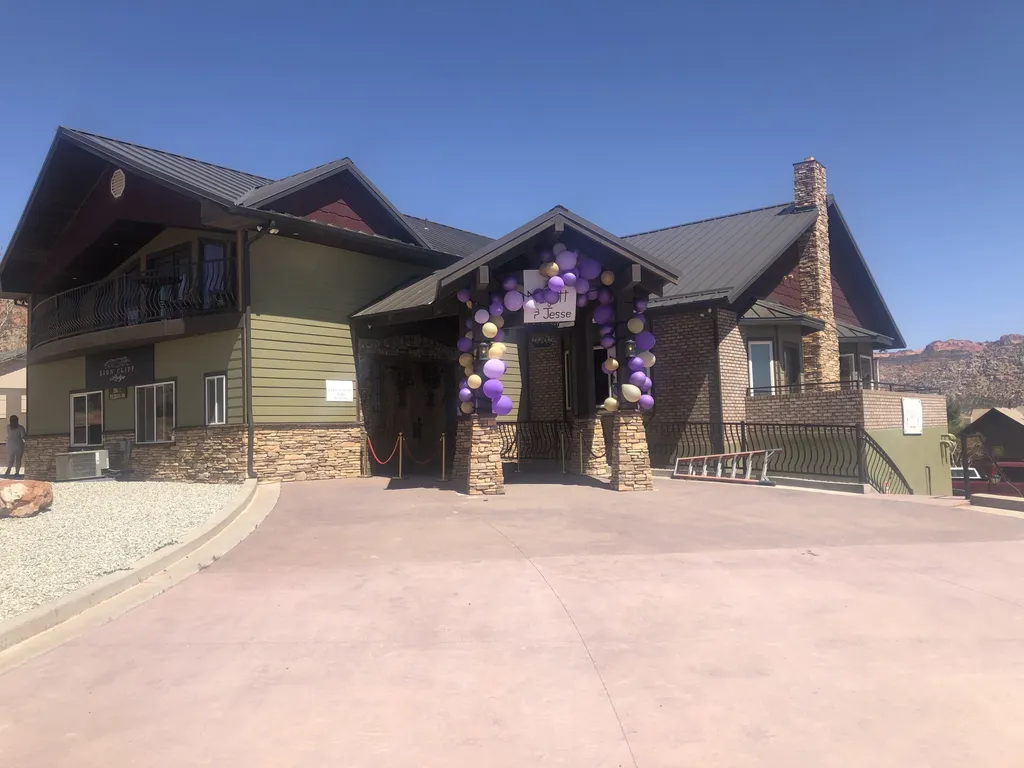
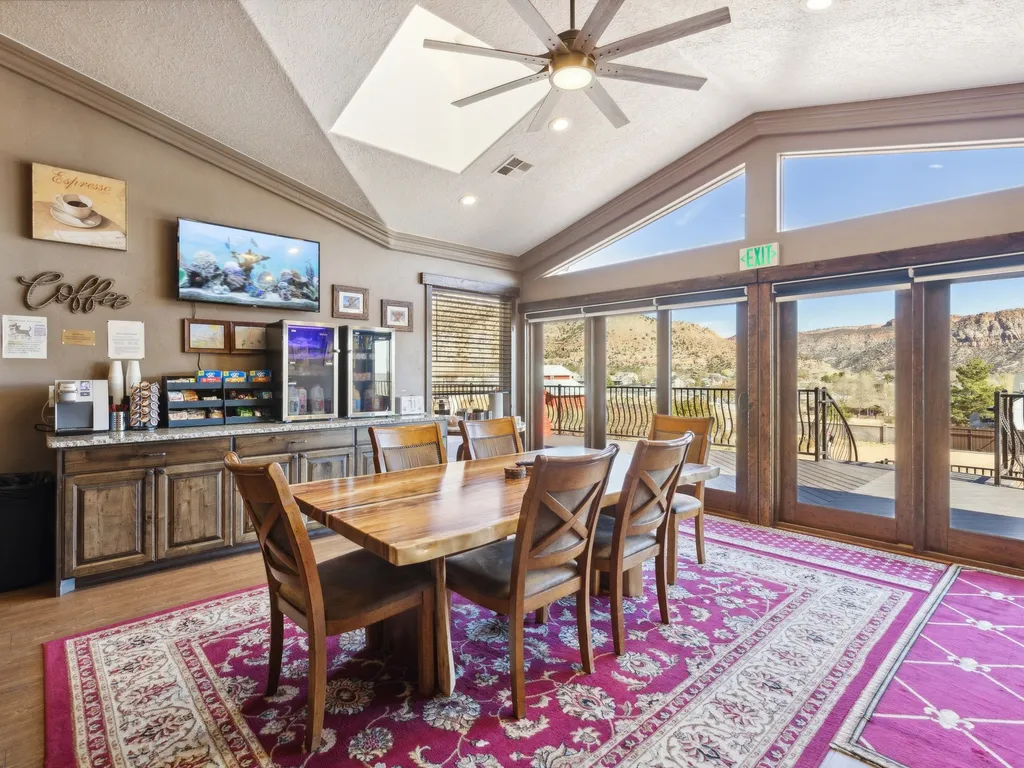
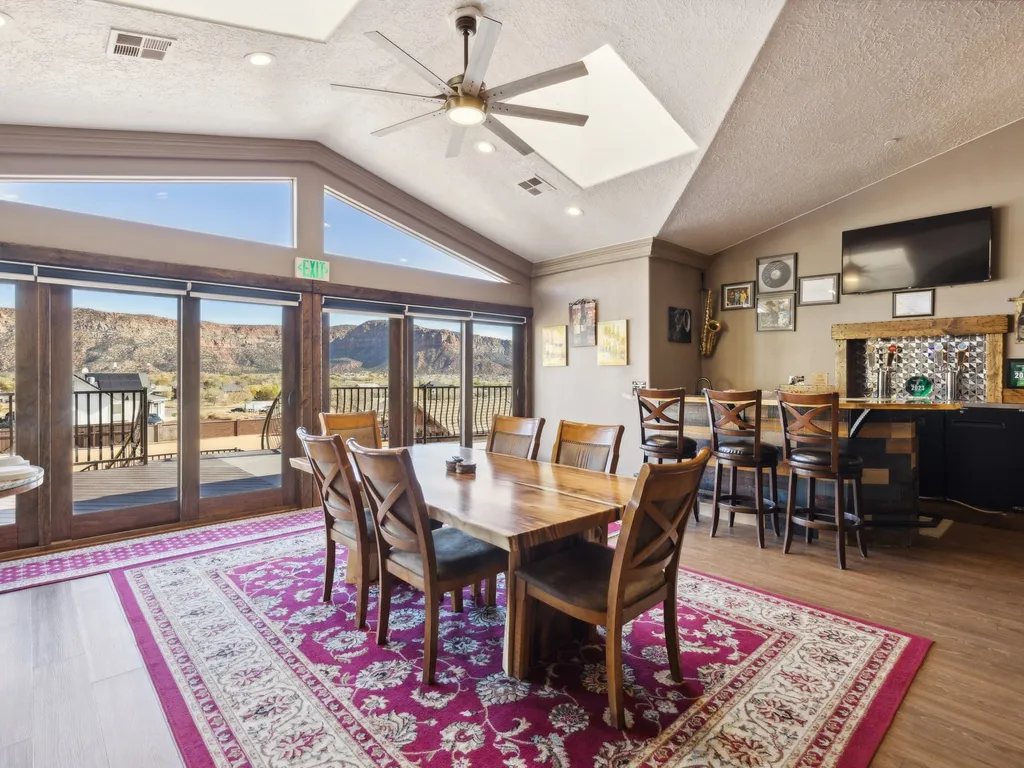
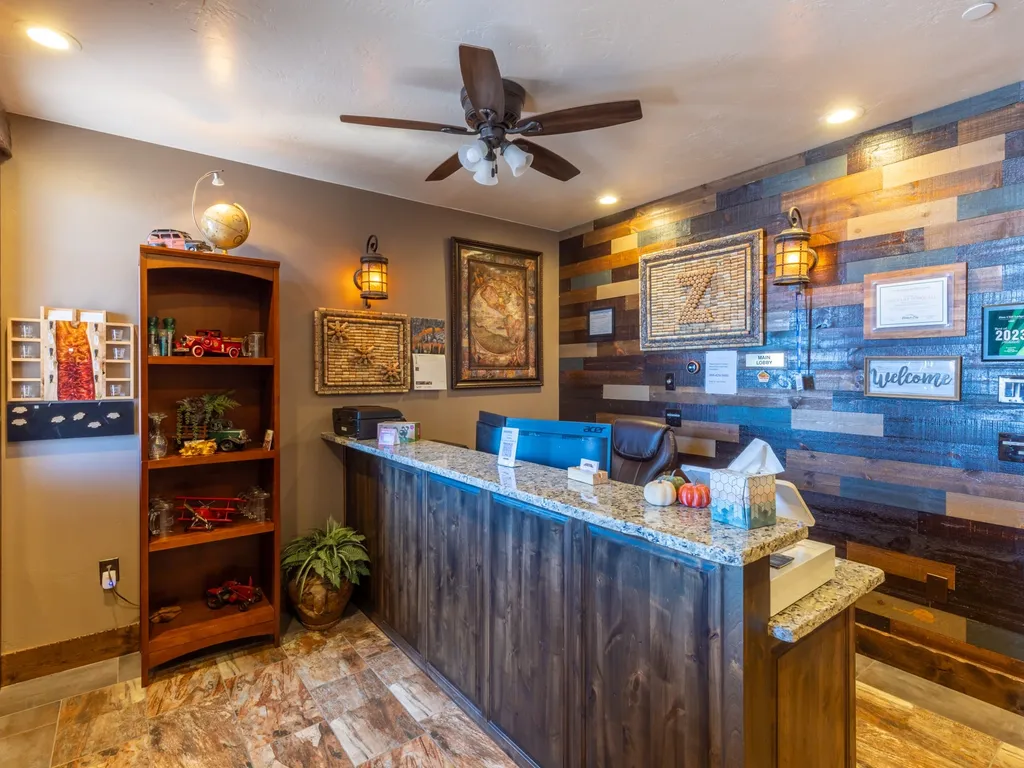
The Country House
- Free Cancellation

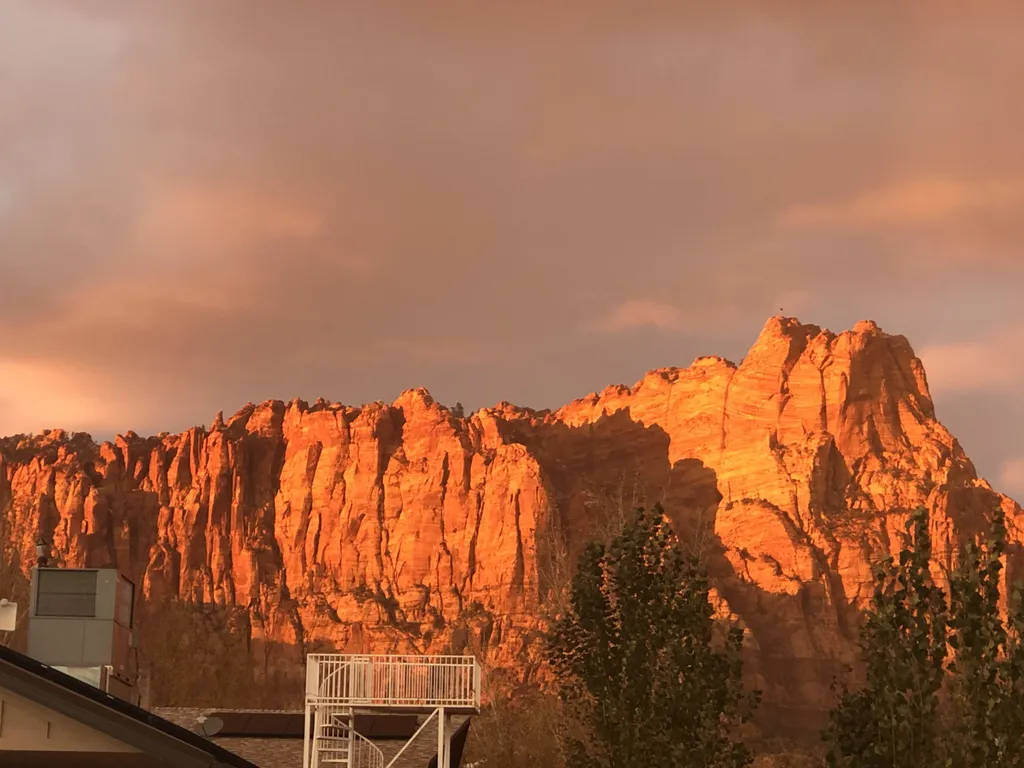
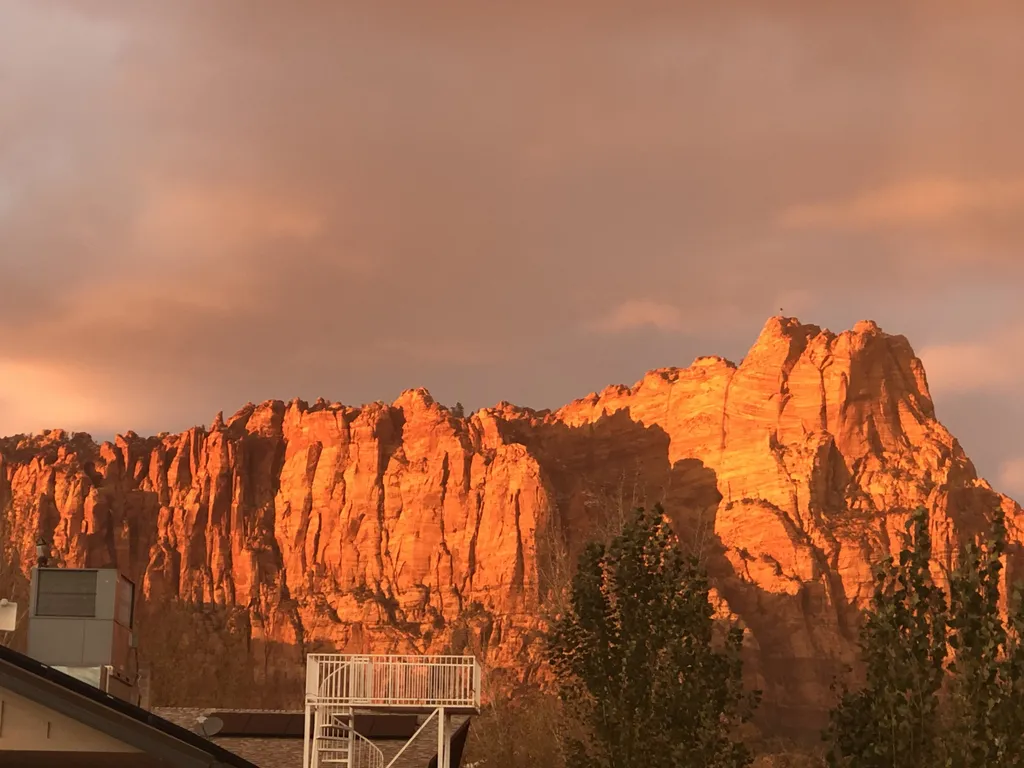
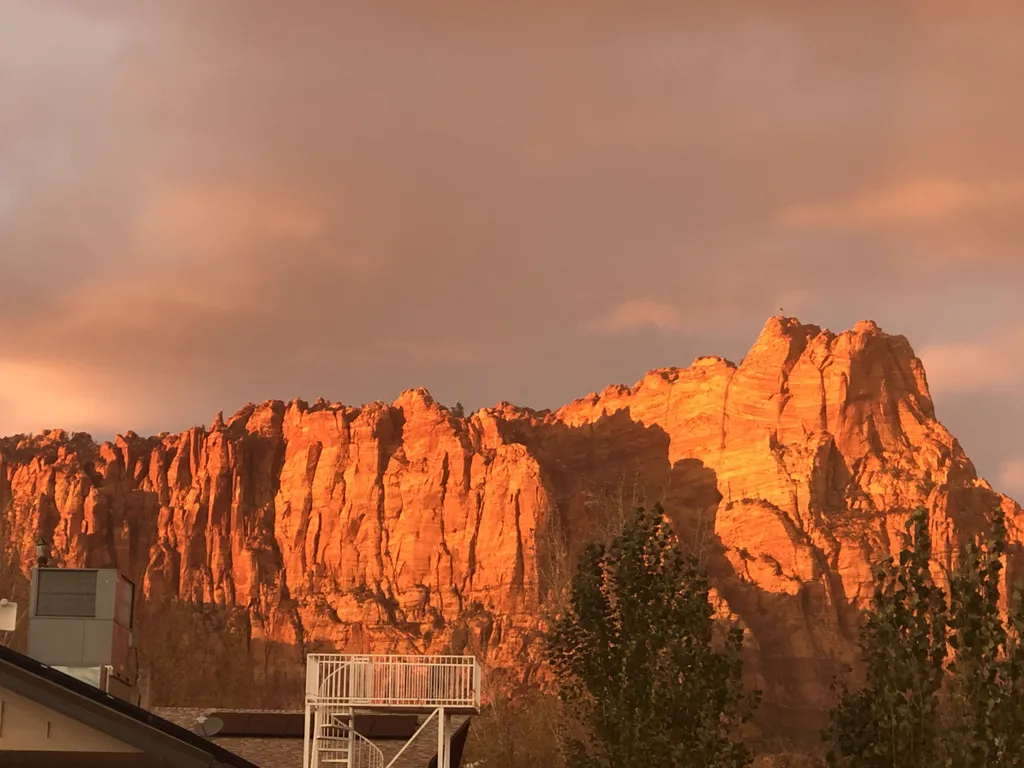
229 square miles of Navajo sandstone canyon and slickrock plateau in southwestern Utah — the cliffs of Zion Canyon (2,000–3,000 feet), the Angels Landing chain-route, the slot-canyon walk of The Narrows up the Virgin River, the Pa'rus and Riverside paved trails, and the Kolob Canyons unit thirty miles north. Established as Mukuntuweap National Monument in 1909 and renamed Zion National Park in 1919.
Zion was set aside as Mukuntuweap National Monument by President William Howard Taft in 1909, expanded and renamed Zion in 1918, and elevated to national park status by Congress on November 19, 1919 — Utah's first. The 229-square-mile park protects the spectacular sandstone canyon carved by the Virgin River, the high plateau of Kolob Terrace, and the parallel finger canyons of Kolob Canyons in the park's northwest corner.
The headline trails sit inside Zion Canyon: the 5.4-mile Angels Landing route up Walter's Wiggles to the chain-bolted spine (1,488 feet of gain, lottery permit required for the final half-mile); The Narrows wading hike up the Virgin River through 2,000-foot-tall slot walls (bottom-up day-hike up to 9.4 miles round trip; top-down 16-mile wilderness permit); the easy paved Riverside Walk to the Temple of Sinawava; the Emerald Pools loop; and the 1.0-mile slickrock haul up to Canyon Overlook off the Mount Carmel Highway. Outside the canyon, Observation Point (8.0 miles via East Mesa), the Kolob Arch backpack, and the Subway technical canyoneering route round out the park's signature objectives.
Plan two to four full days. From late February through late November, Zion Canyon Scenic Drive is closed to private cars — park at the Springdale lots or visitor center and take the free Zion Canyon Shuttle (every 7–15 minutes, 9 stops between Canyon Junction and the Temple of Sinawava). Summer afternoons hit 100°F — start hikes by 7 AM and watch for flash-flood warnings before entering The Narrows or any slot canyon. Spring (April–May) and fall (October) are the sweet spots; winter brings empty trails but icy chains on Angels Landing.
A short loop through the exhibits, encounters, and shows that make this stop worth a half-day on its own.
A 5.4-mile round-trip from the Grotto trailhead via Walter's Wiggles' 21 switchbacks to Scout Lookout, then a 0.5-mile chain-bolted spine to the 5,790-foot summit — 1,488 feet of gain, exposure on both sides. Final half-mile requires a permit from the lottery (recreation.gov). Allow 4–6 hours.
A wade-the-river slot-canyon hike up the Virgin River from the Temple of Sinawava — bottom-up day hikers can go up to 9.4 miles round trip to Big Spring without a permit, while the top-down 16-mile thru-route from Chamberlain's Ranch requires a wilderness permit. Best done June–early October when river flow drops below 150 cfs.
A free propane-powered shuttle running every 7–15 minutes from the visitor center to nine stops along the Scenic Drive — the only way private vehicles can reach the canyon's main trailheads March through late November. Operates roughly 6:00 AM to 8:30 PM in peak summer.
A 1.0-mile round-trip slickrock hike just east of the Zion–Mount Carmel Tunnel — minimal gain (160 ft), ends at a 1,000-foot platform looking straight down the canyon at the West Temple, the Towers of the Virgin, and Pine Creek. The easiest big-view payoff in the park; allow 45–90 minutes.
A three-tier waterfall and pool system reached by a 1.2-mile lower-pool paved trail (wheelchair-accessible), 2.0-mile middle-pool spur, or 3.0-mile upper-pool round-trip from the Zion Lodge shuttle stop. Best in spring snowmelt and early fall after monsoon storms.
A 6.5-mile round-trip from the East Mesa trailhead off Highway 9 — climbs gently 700 feet onto the rim and ends at the 6,521-foot Observation Point platform, looking 700 feet down on Angels Landing. The original 8.0-mile Weeping Rock route is closed indefinitely after a 2019 rockfall.
The park's northwest section, accessed via Exit 40 off I-15 — a 5-mile scenic drive past the parallel finger canyons of Tucupit, Paria, Beatty, and Nagunt Mesa. The 14-mile round-trip to Kolob Arch (one of the world's longest natural arches at 287 feet) starts here. Far less crowded than the main canyon.
A 3.5-mile paved round-trip along the Virgin River from the visitor center to Canyon Junction — the only park trail that allows bikes, dogs (on leash), and wheelchairs. Low gradient, broad views of the Watchman and the Towers of the Virgin, sunset photographers' favorite.
Park is open 24/7 year-round. The Zion Canyon Scenic Drive is closed to private vehicles March through late November — access is by mandatory free shuttle from the visitor center. Kolob Canyons is open year-round; the Kolob Terrace Road closes seasonally for snow.
Note · Last shuttle departs the visitor center around 6:00–7:00 PM (varies by season); last shuttle from the Temple of Sinawava back is roughly an hour later. Always confirm the day's schedule at the visitor center.
Per-person admission. Buy in advance to skip the gate line.
Children 15 and under enter free. Angels Landing requires a permit obtained through the seasonal lottery (recreation.gov, $6 application + $3 per person if awarded) — needed for the chain section above Scout Lookout. Wilderness permits required for The Narrows top-down route, the Subway, and all overnight backcountry. Park shuttle is free with admission.
Plan your visithome17 mi1 / 75Photo 1 of 75 townhouse18 mi1 / 60Photo 1 of 60
 townhouse18 mi1 / 62Photo 1 of 62
 home21 mi1 / 66Photo 1 of 66
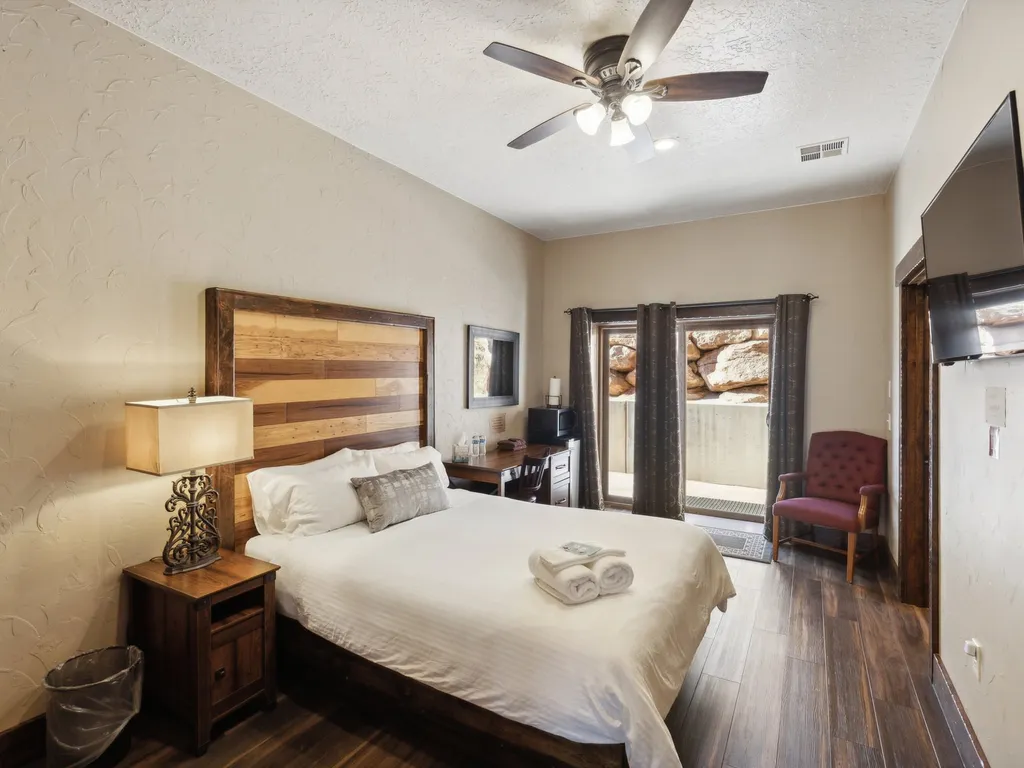 Hotel Room21 mi1 / 53Photo 1 of 53
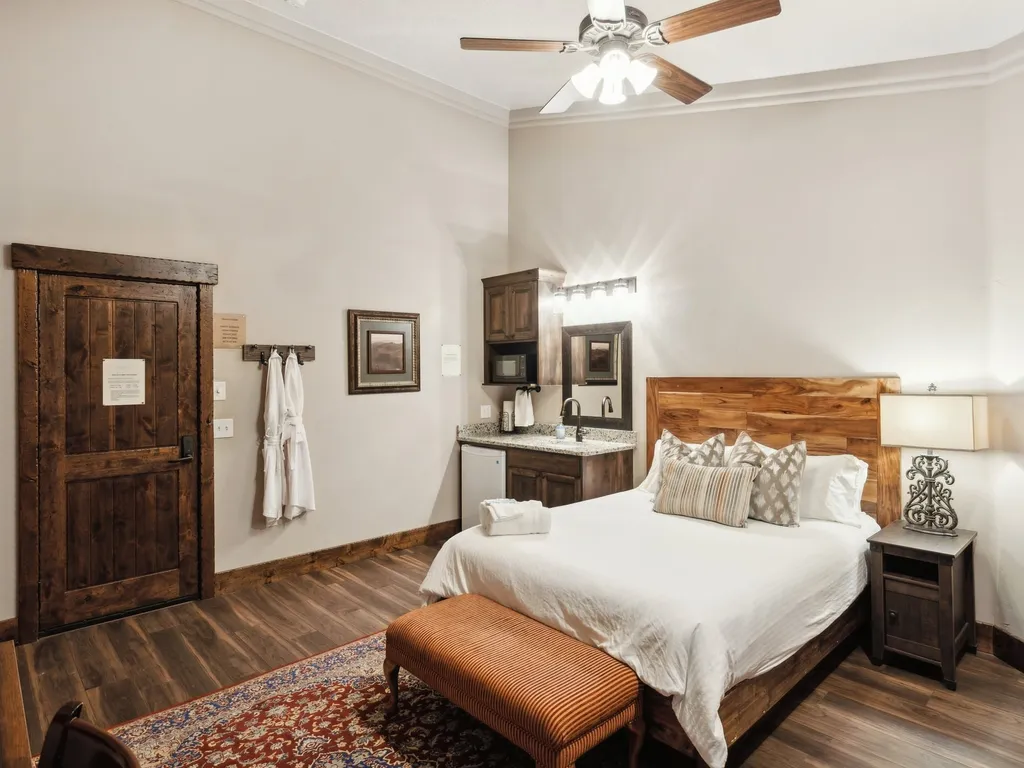 Hotel Room21 mi1 / 52Photo 1 of 52
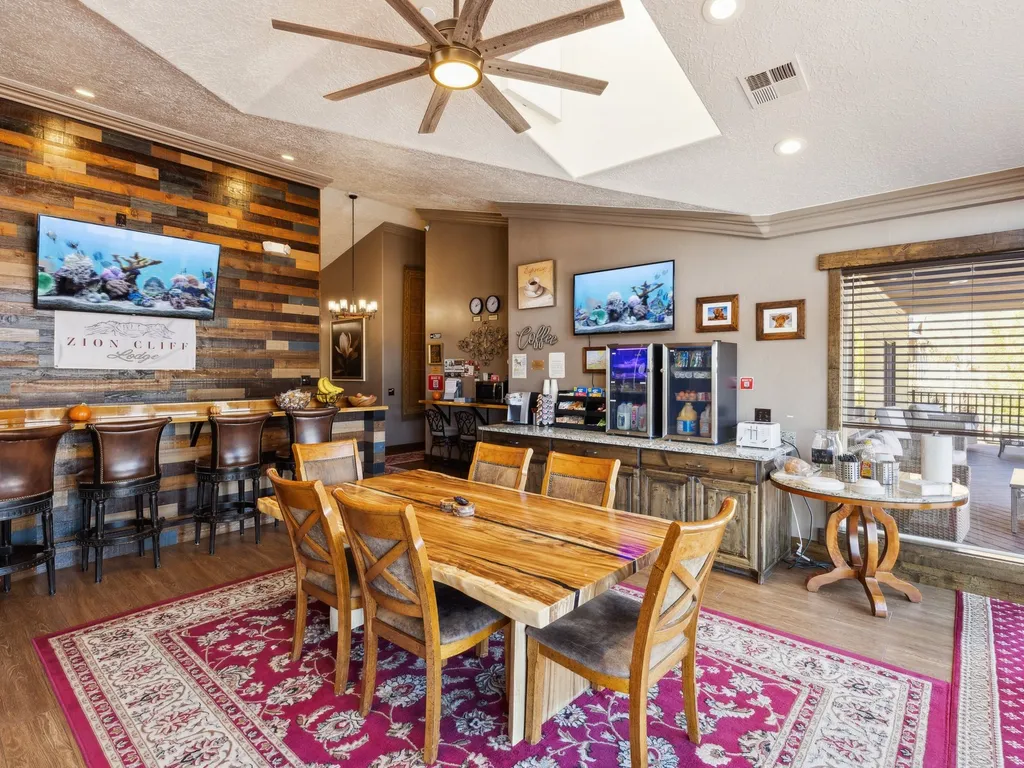 Hotel Room21 mi1 / 52Photo 1 of 52
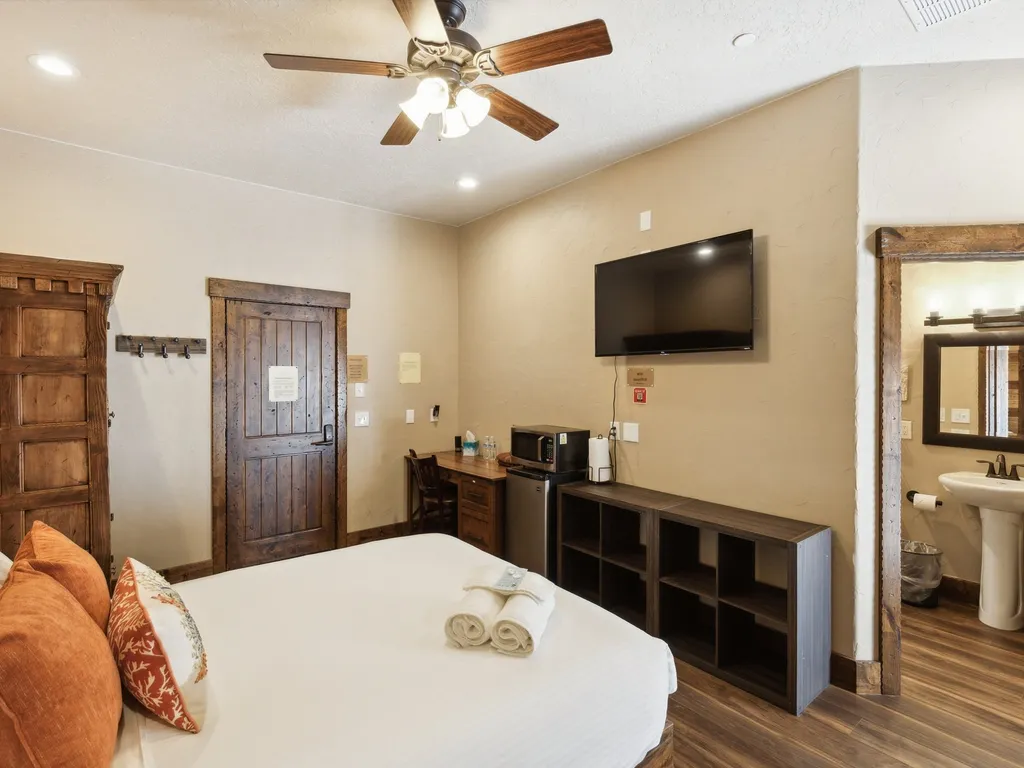 Hotel Room21 mi1 / 50Photo 1 of 50
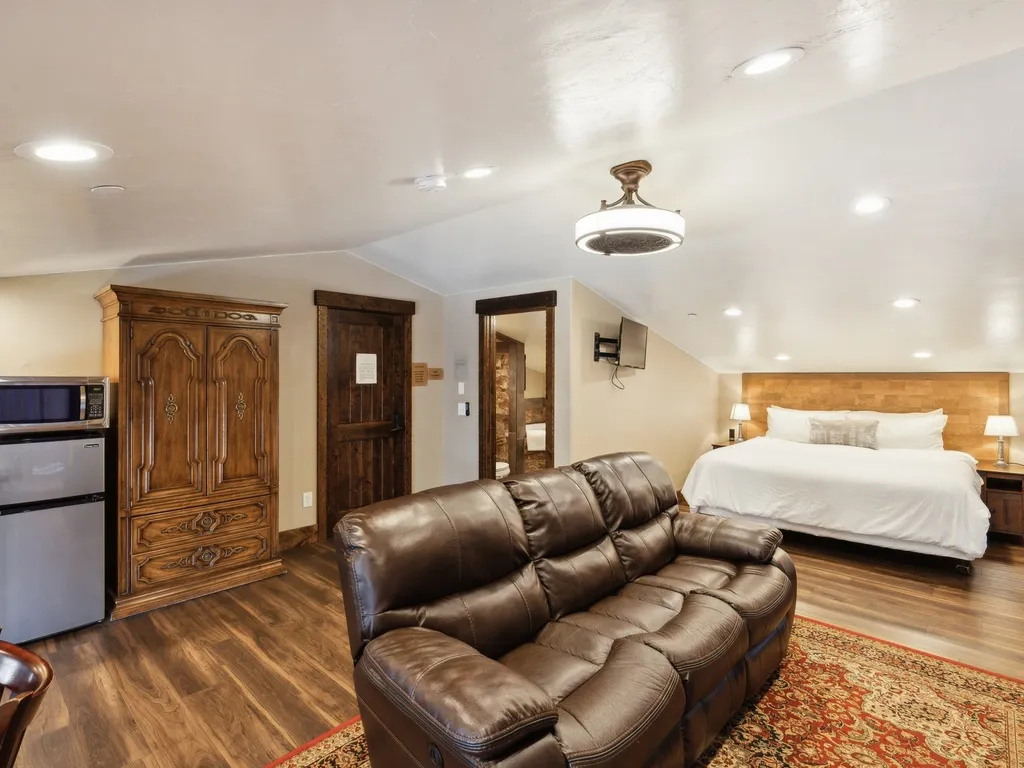 suite21 mi1 / 51Photo 1 of 51
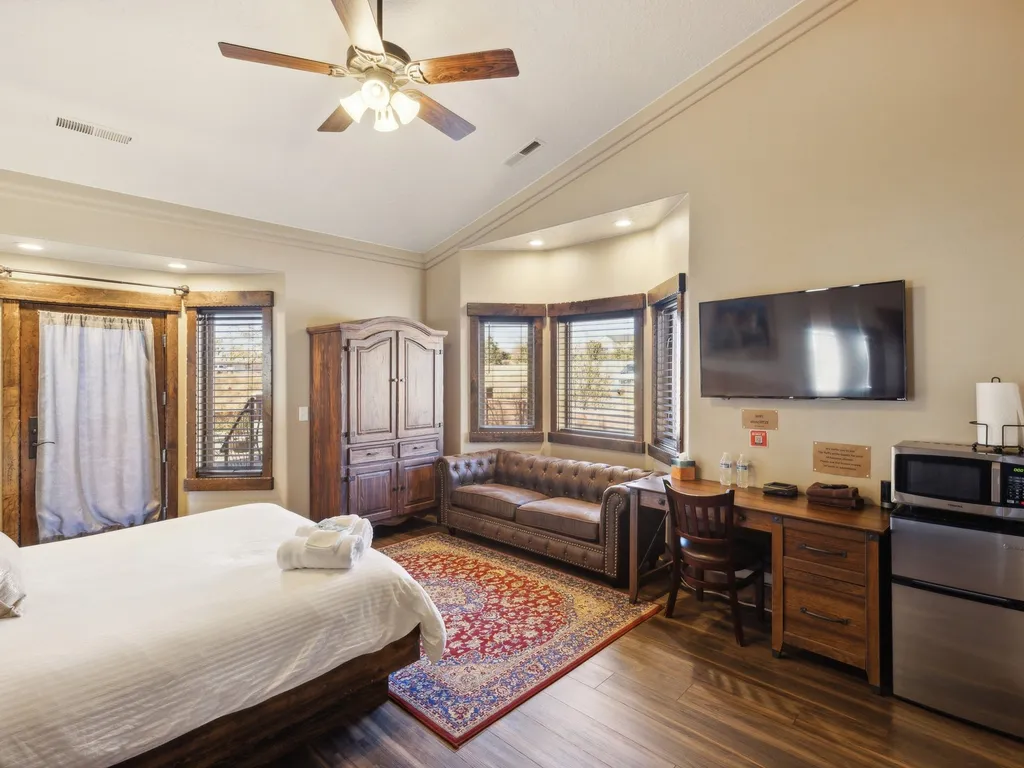 Hotel Room21 mi1 / 52Photo 1 of 52
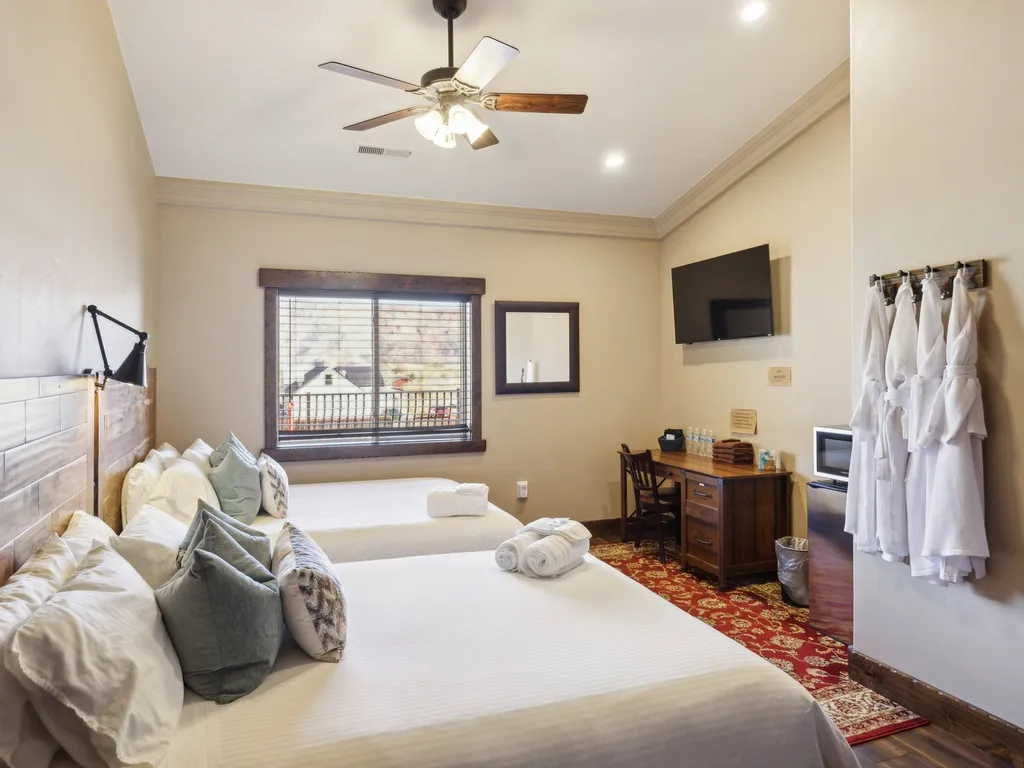 Hotel Room21 mi1 / 52Photo 1 of 52
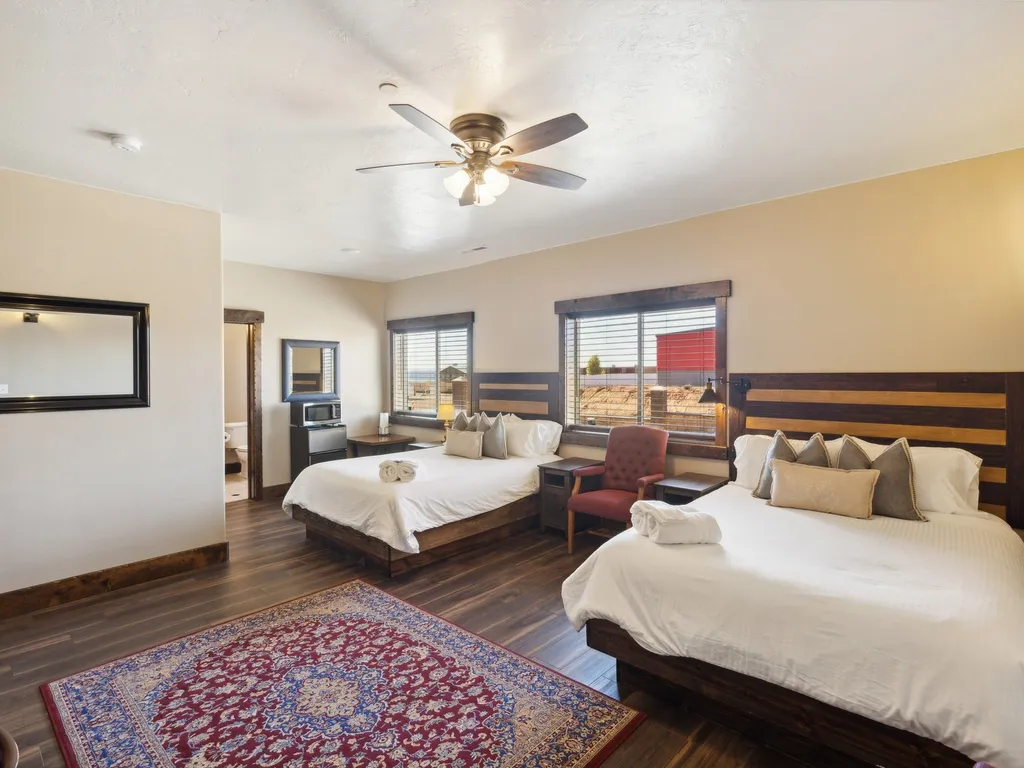 Hotel Room21 mi1 / 52Photo 1 of 52