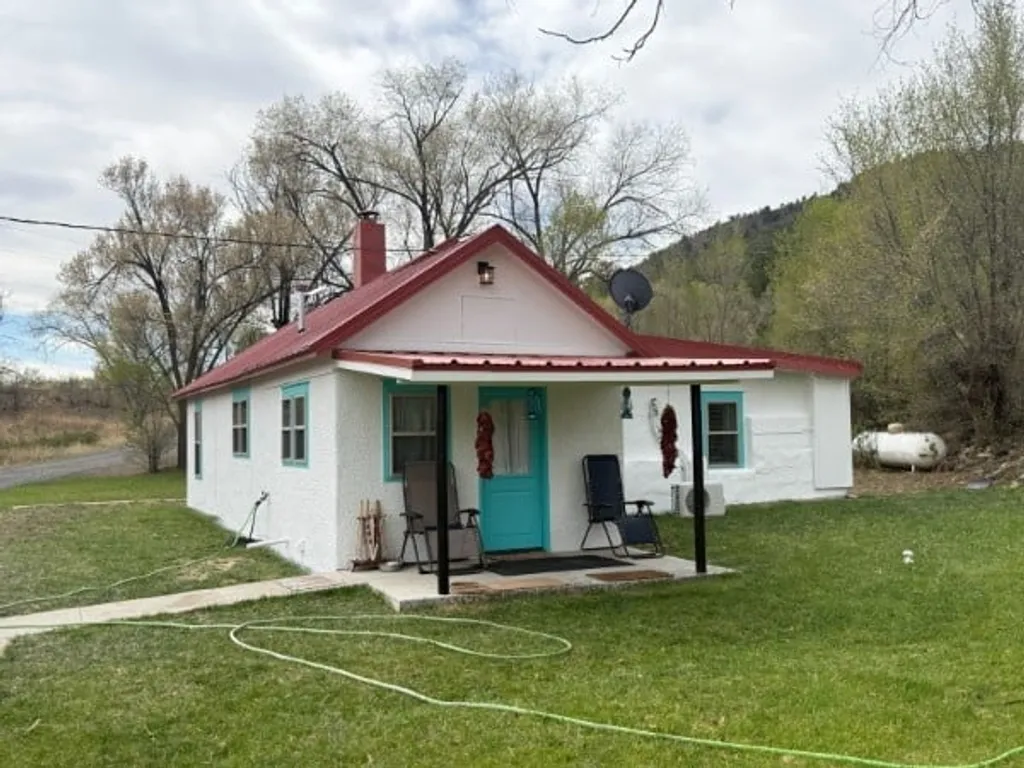
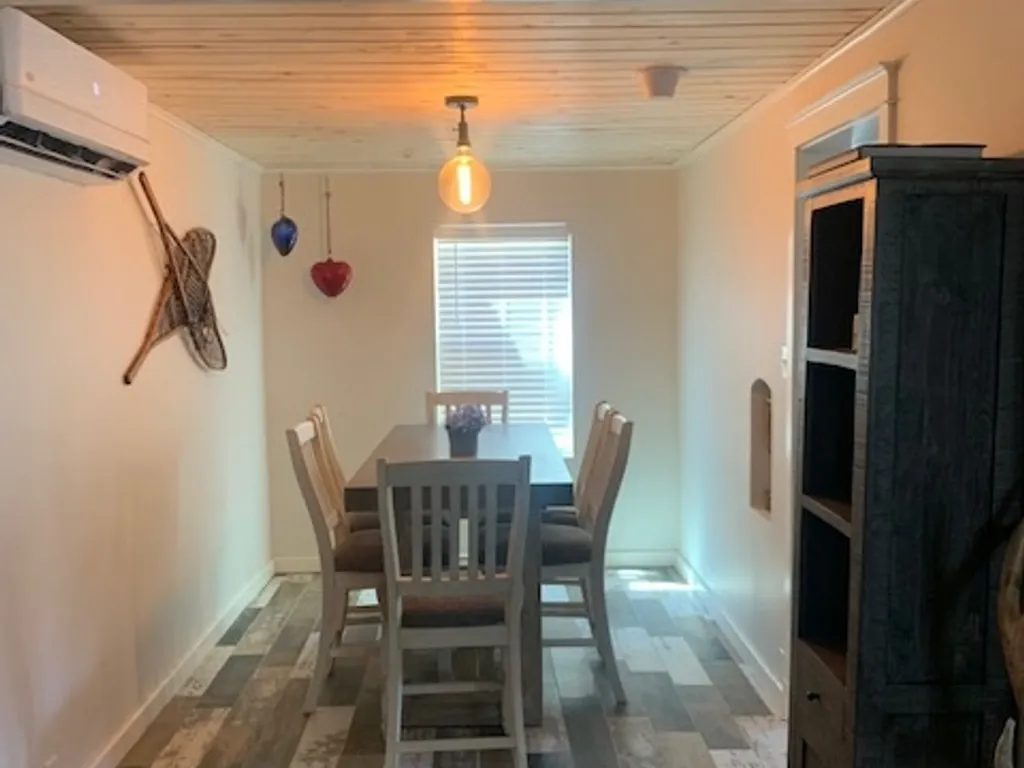
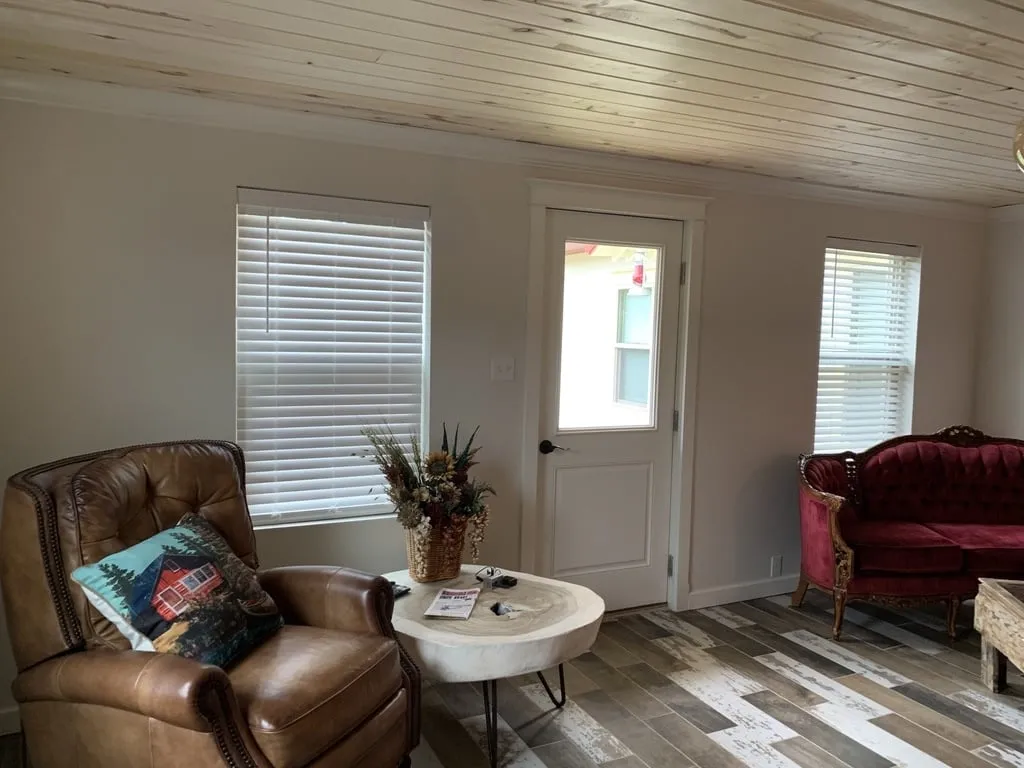
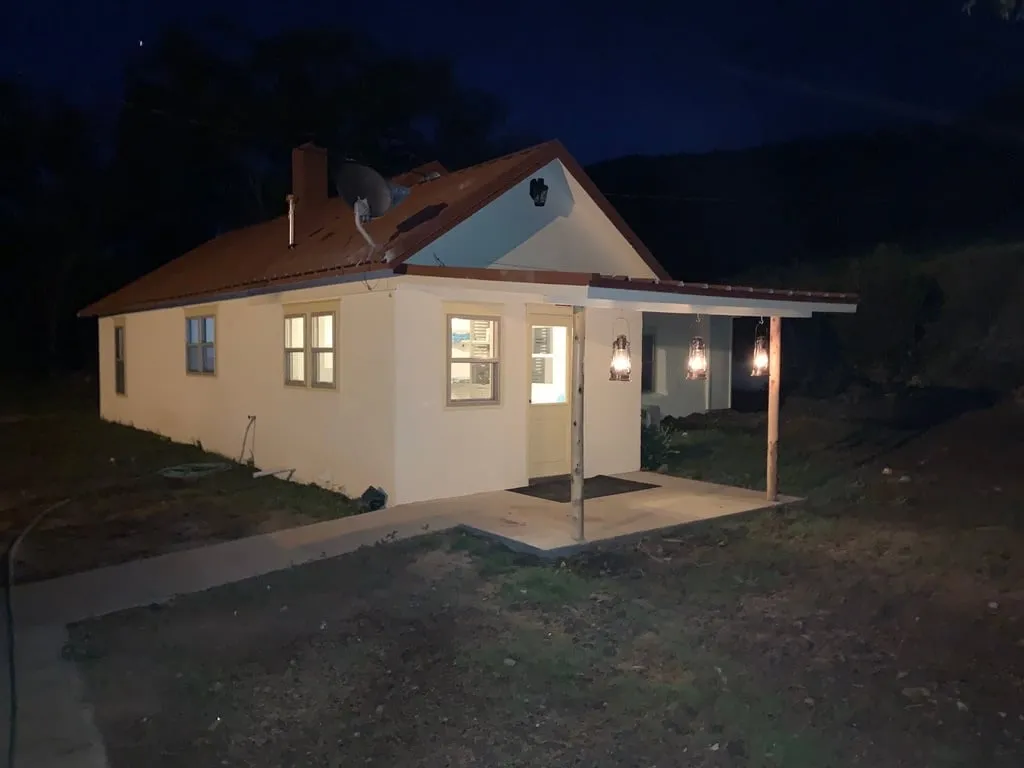
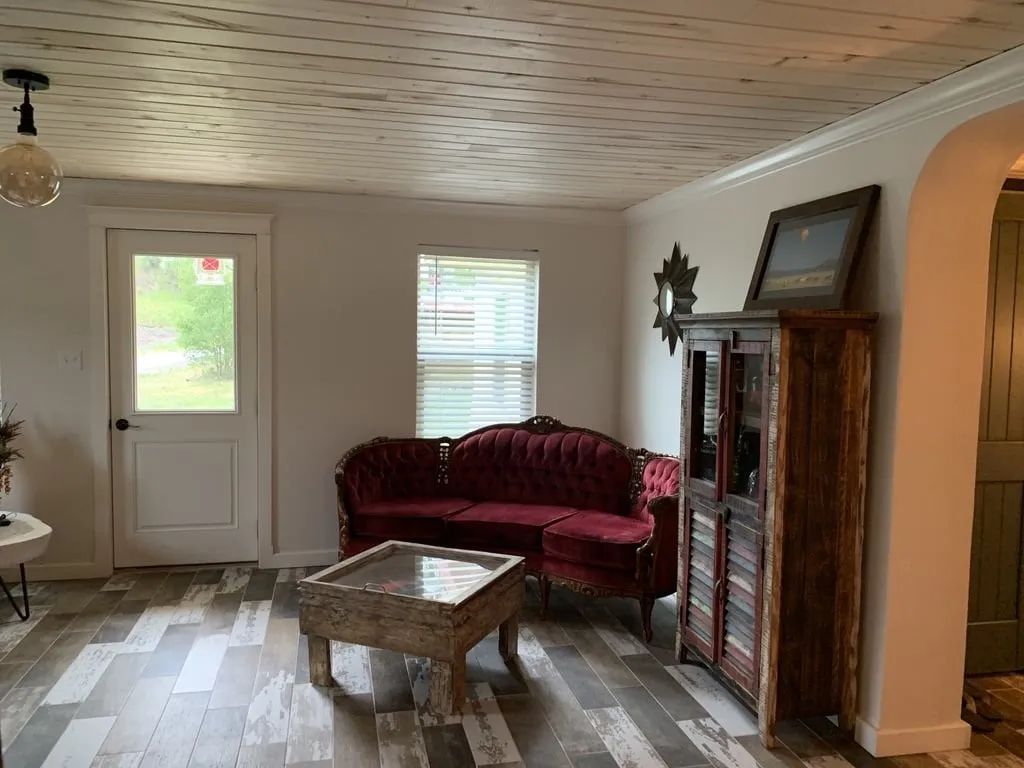
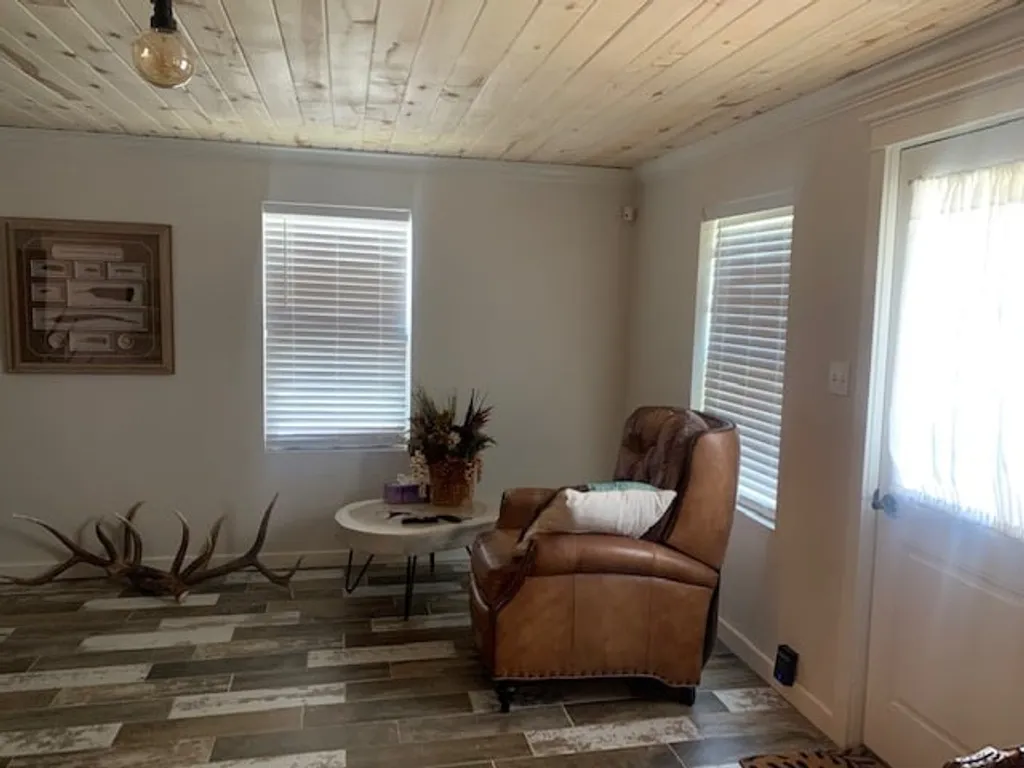
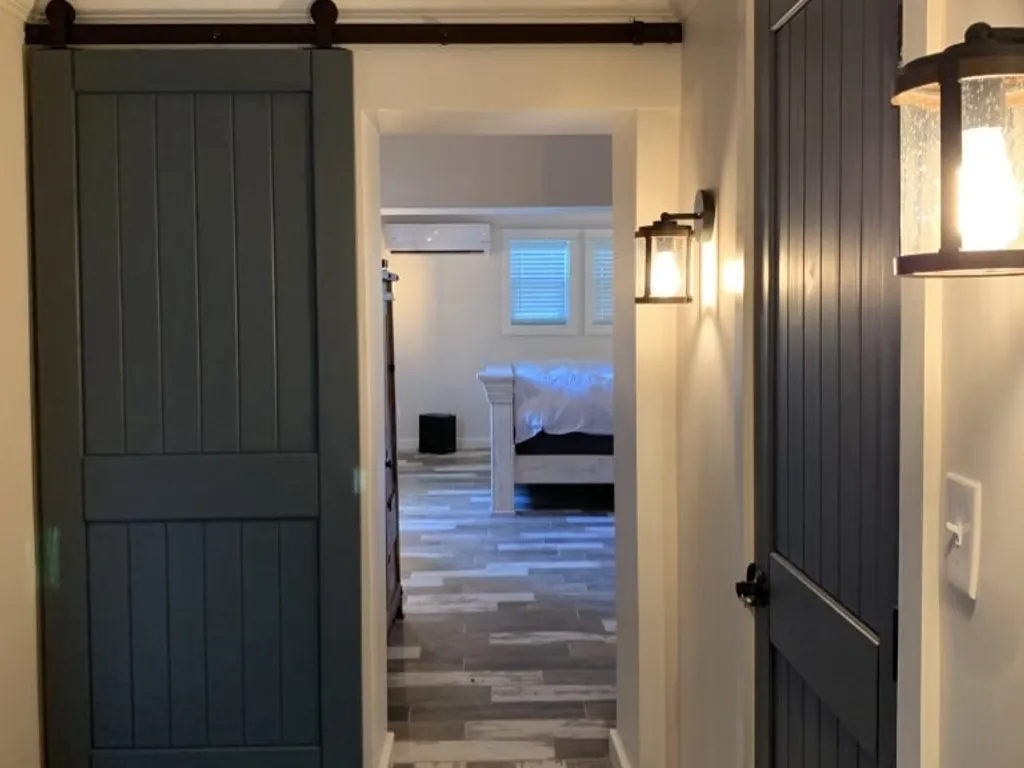
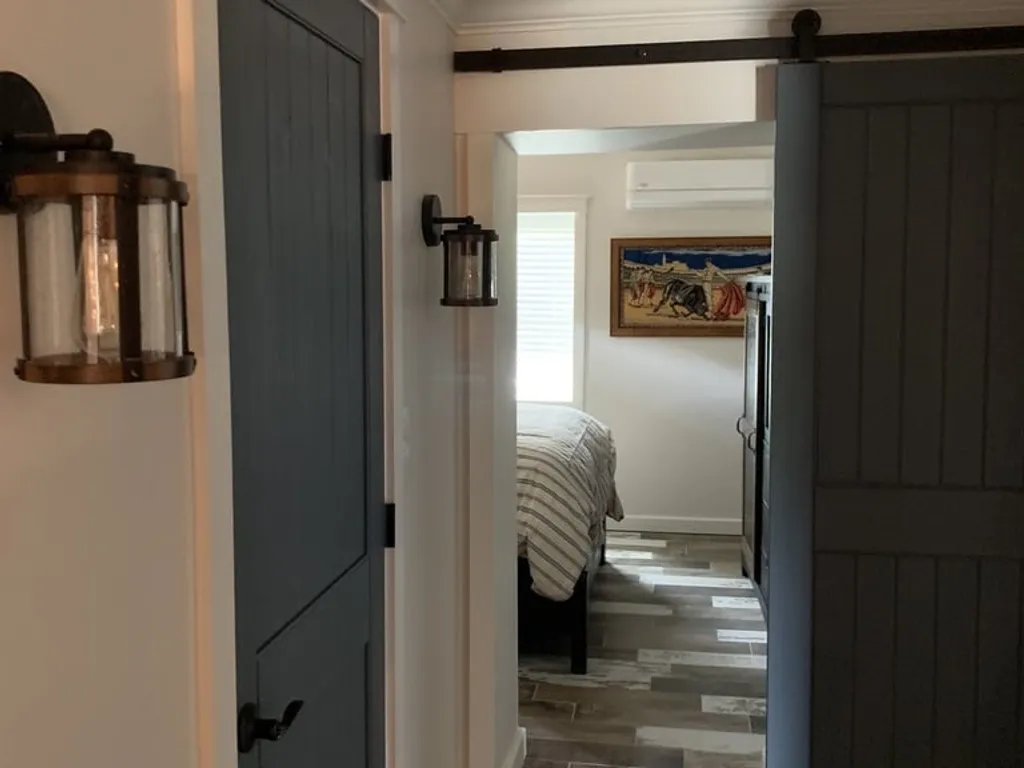
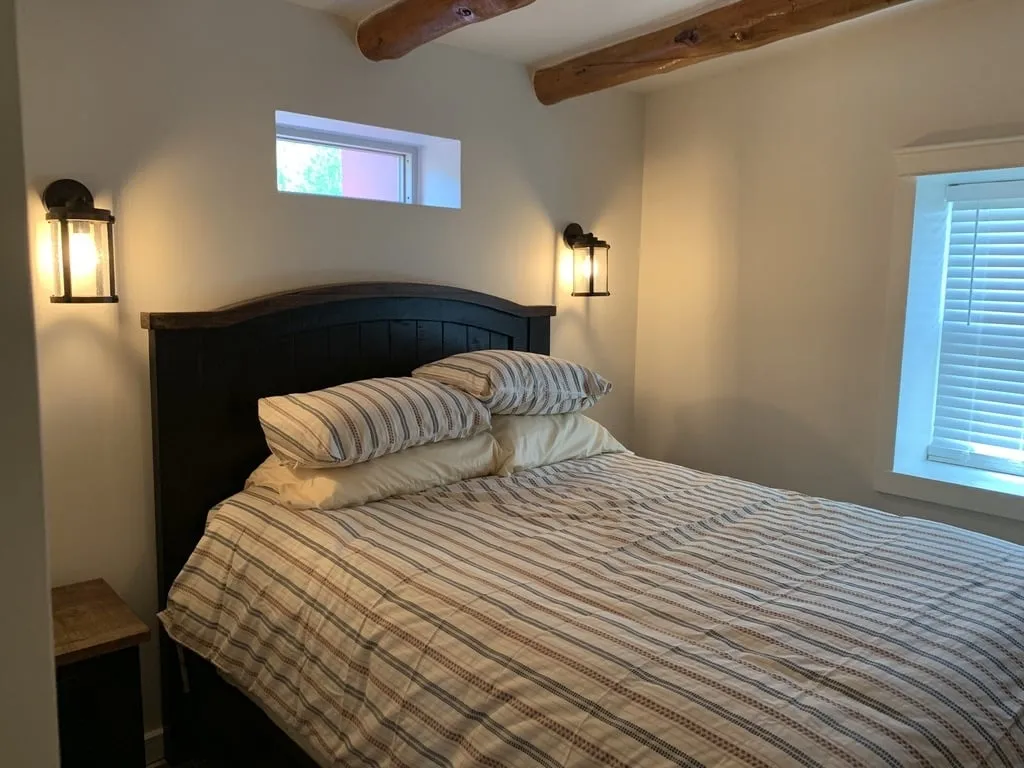
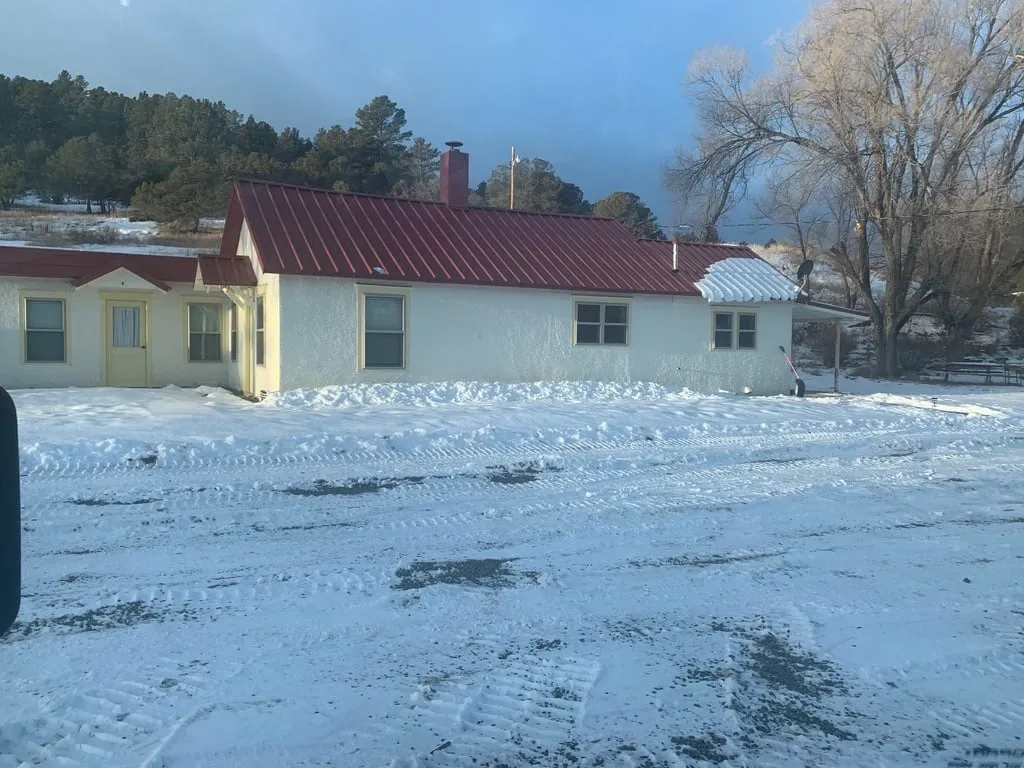
 cabin84 mi1 / 56Photo 1 of 56
Mosca · RedAwning
Great Sand Dunes National Park & PreserveThe tallest dunes in North America at 750 feet, the seasonal Medano Creek surge flow, and an International Dark Sky Park backed by 13,000-foot Sangre de Cristo peaks
149,028 acres at the foot of the Sangre de Cristo Range in Colorado's San Luis Valley — Star Dune and Hidden Dune both rise about 750 feet above the surrounding valley floor, the tallest in North America. Designated a national monument by President Hoover in 1932 and upgraded to a national park and preserve in 2004. Medano Creek runs along the dunefield's eastern edge each May and June with a unique 'surge flow' that turns the base of the dunes into a temporary beach. International Dark Sky Park since 2019.
- 149,028Acres
- ~750 ftTallest dune
- 2004Park established
- 2019Dark Sky designation
Welcome to Great Sand Dunesthe tallest dunes in North America since the last ice age.
The dunefield sits in a natural pocket against the western face of the Sangre de Cristo Range, where prevailing southwesterly winds funnel sand from the floor of the San Luis Valley and pile it against the mountain wall. The result, after roughly 440,000 years of accumulation, is a 30-square-mile dunefield with Star Dune and Hidden Dune both at about 750 feet — the tallest dunes in North America. President Hoover protected the site as a national monument in 1932; in 2004, Congress redesignated it as Great Sand Dunes National Park and Preserve, expanding it to 149,028 acres and adding the surrounding wetlands, alpine lakes, and Sangre de Cristo peaks above 13,000 feet.
The signature visit is straightforward: park at the Dunes Parking Lot, wade across Medano Creek (in spring), and hike up. High Dune on First Ridge — about 650 feet of climb in 1.25 miles each way — is the most-attempted summit and reachable by most fit visitors in two to three hours round trip. Star Dune is a six-mile, full-day commitment; the route requires a separate creek crossing at the base of Castle Creek and roughly 1,200 feet of cumulative elevation gain on shifting sand. Sand sleds and sandboards (rented from Oasis Store, two miles outside the park gate) are the easy way to get back down.
Time the visit to the season. Late May through mid-June is when Medano Creek runs at peak surge flow — the creek pulses every 20 seconds as small sand dams build and break, creating the best 'beach' day in landlocked Colorado. July and August are clear-air monsoon-afternoon storms; mid-September through October is the cleanest weather window with cooler sand. The park became an International Dark Sky Park in 2019; on a moonless night the Milky Way runs straight up over the Sangre de Cristos and the dunes glow softly under starlight. Ranger astronomy programs run weekly in summer at the Amphitheater near Pinyon Flats Campground.
What to see
What you'll seehighlights of Great Sand Dunes National Park & Preserve.
A short loop through the exhibits, encounters, and shows that make this stop worth a half-day on its own.
High Dune on First Ridge
The most-attempted dune summit — about 650 feet of climb in 1.25 miles from the parking lot, two to three hours round trip. Not the tallest in the park (Star Dune is taller and farther) but the most-photographed, with full Sangre de Cristo views from the summit. Plan the climb before 11 AM in summer; surface sand exceeds 150°F on July afternoons.
Medano Creek surge flow
Each year from late May through mid-June (peak flow usually the first week of June), Medano Creek runs along the dunefield's eastern edge in a pulsing 'surge flow' — small sand dams build, break, and send waves down every 15–25 seconds. The water is shin-deep, the sand is firm, and the base of the dunes becomes a free, lifeguard-less beach. Bring a beach chair and a sandboard.
Sandboarding & sand sledding
Standard snow sleds don't work on sand — the rentals at Oasis Store (2 miles outside the park gate, $25/day for a sandboard, $20 for a sled) come pre-waxed for the dunes. Best descents are off the western side of High Dune; allow 2 hours for the climb, 30 seconds for the ride down. Open daily April through October.
Star Dune — 750 ft
Tied with Hidden Dune for tallest in North America at roughly 750 feet from base to crest. The summit is a 6-mile round-trip from the main parking lot with two creek crossings (Medano and Castle) and about 1,200 feet of cumulative elevation gain on shifting sand — full-day hike. Recently surveyed at the same height as Hidden Dune but more visible from the dunefield approach.
Medano Pass Primitive Road
A 22-mile 4WD route from the parking lot over Medano Pass at 9,950 feet to Highway 69 in Westcliffe — typically open late May through October. The first six miles are deep, dry sand requiring tire deflation to 20 psi; the remainder is rocky two-track over the Sangre de Cristos. Free wilderness permit required for any of the nine backcountry campsites along the road.
Pinyon Flats Campground
The park's only developed campground — 88 sites split between two loops, $20/night, reservable through Recreation.gov from April 1 through October 31 (first-come, first-served the rest of the year). Half a mile from the dunefield, with the cleanest dark-sky overhead view in the park. Loop 1 is open year-round; Loop 2 closes in winter.
International Dark Sky Park
Designated by DarkSky International in 2019. The San Luis Valley's combination of high elevation (8,200 ft), low humidity, and 150-mile distance from any major city makes the park's overhead Milky Way among the brightest in the lower 48. Ranger-led astronomy programs run Friday and Saturday evenings June through August at the Amphitheater. New-moon weekends are the priority booking window.
Mosca Pass & alpine lakes
For visitors who want the Preserve side of the park (the original 'Park' is the dunefield; the 'Preserve' added 41,686 acres of Sangre de Cristos in 2004), the Mosca Pass Trail climbs 1,500 feet in 3.5 miles to a 9,737-foot pass, and Lower Sand Creek Lake sits in a glacier cirque at 11,250 feet, accessed by a 7-mile route off Medano Pass Road. Both are quieter alternatives to the dunefield itself.
Hours & tickets
Open hours
Park grounds are open 24/7 year-round. The Visitor Center is open daily 9 AM–4:30 PM in summer (Memorial Day through Labor Day) and 9 AM–4 PM the rest of the year. Medano Pass Primitive Road (the 22-mile 4WD route over the Sangre de Cristos) is open seasonally — typically late May through October — and requires a high-clearance, low-tire-pressure-capable vehicle.
- MondayOpen 24 hrs
- TuesdayOpen 24 hrs
- WednesdayOpen 24 hrs
- ThursdayOpen 24 hrs
- FridayOpen 24 hrs
- SaturdayTodayOpen 24 hrs
- SundayOpen 24 hrs
Note · Sand surface temperatures hit 150°F on summer afternoons. Plan dune hikes for early morning (before 11 AM) or evening (after 5 PM). Sandboarding rentals from Oasis Store outside the park gate close at 4 PM and require return the same day.
Ticket pricing
Per-person admission. Buy in advance to skip the gate line.
- Private vehicle (1–7 days)$25One vehicle and all passengers, 7 consecutive days
- Per person (foot, bike)$15Individuals 16+, 7 consecutive days
- Motorcycle (1–7 days)$20One motorcycle and rider, 7 consecutive days
- Annual park pass$45Unlimited entry to Great Sand Dunes for 12 months
Children 15 and under enter free. The America the Beautiful Pass is honored at the entrance. Backcountry camping in the dunefield requires a free wilderness permit from the visitor center (issued day of, first-come first-served, 20 permits per night).
Plan your visitStay near Great Sand Dunes National Park & Preservehand-picked vacation rentals nearby.
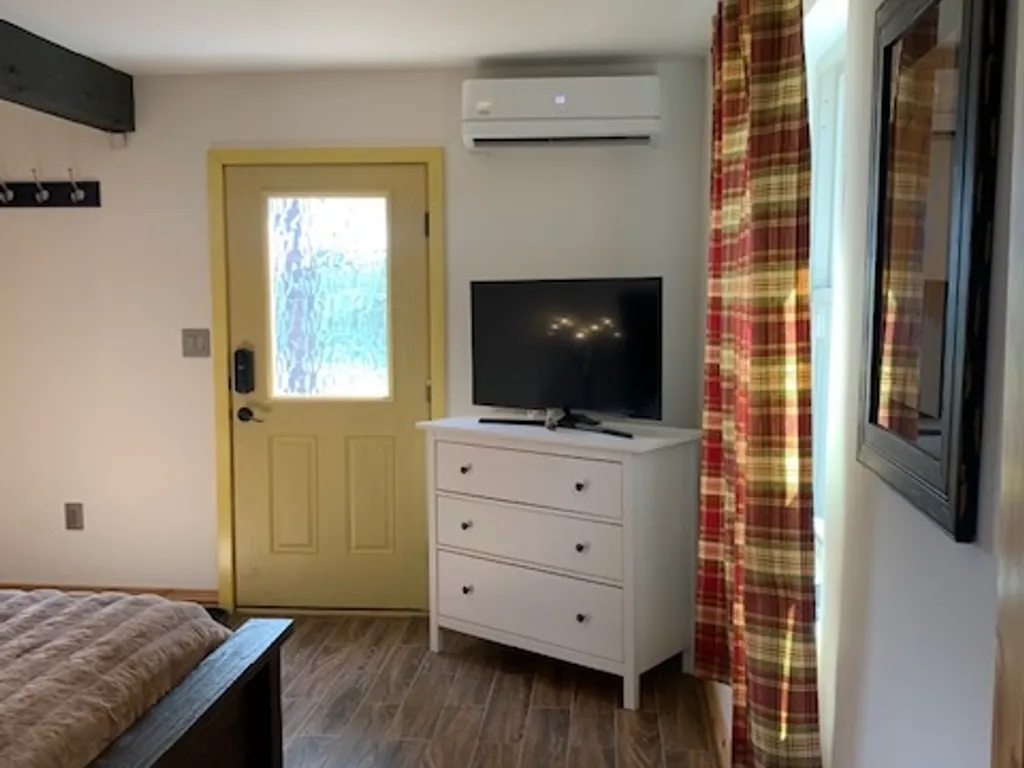
cabin84 mi1 / 56Photo 1 of 56
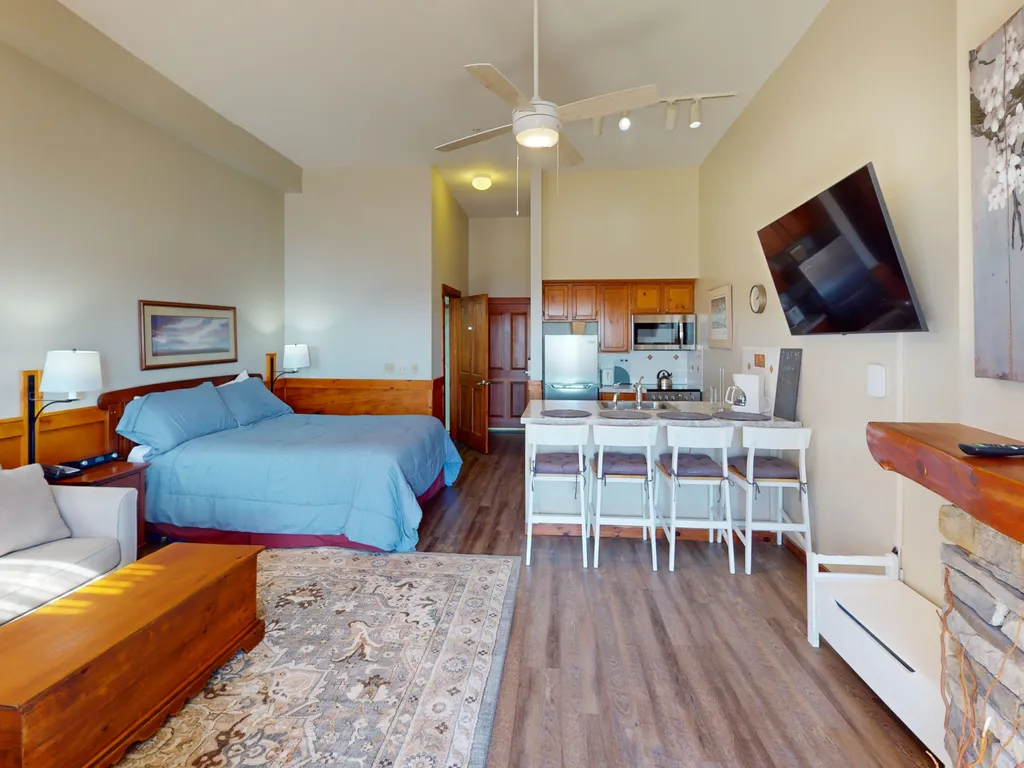 studio86 mi1 / 7Photo 1 of 7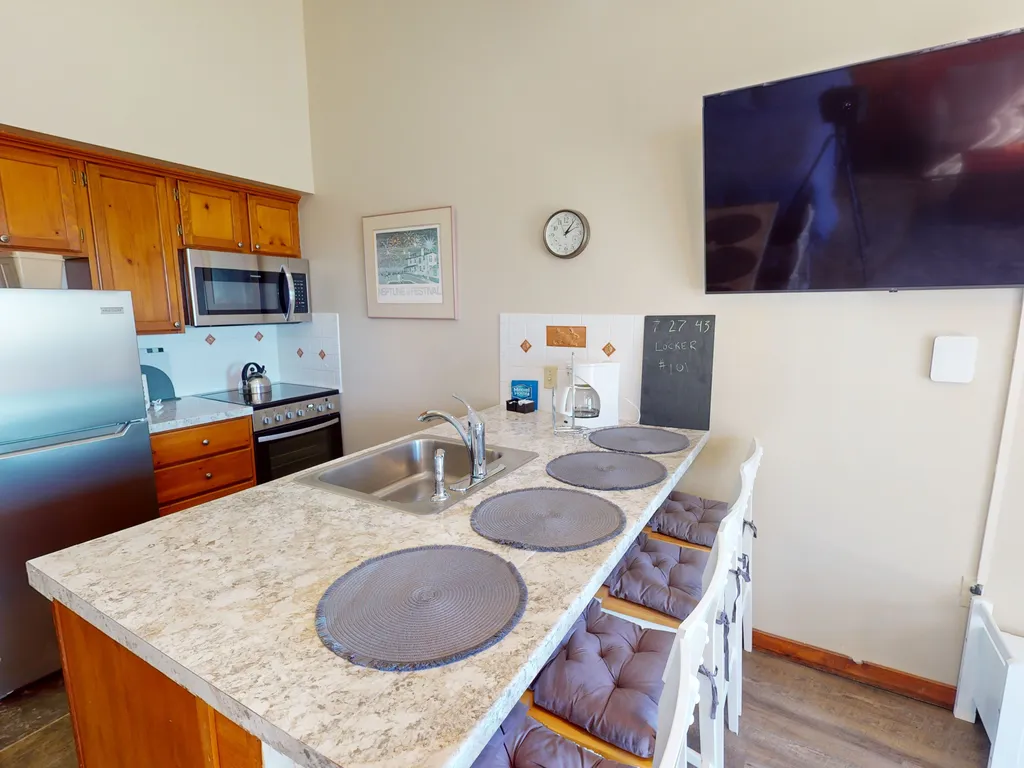
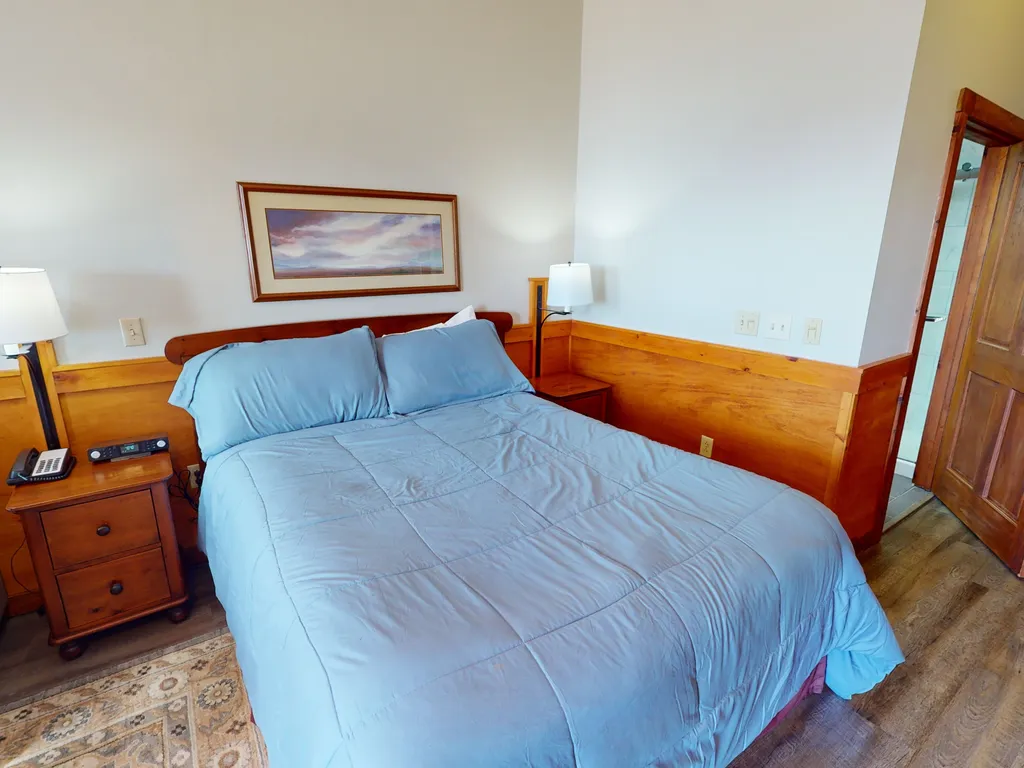
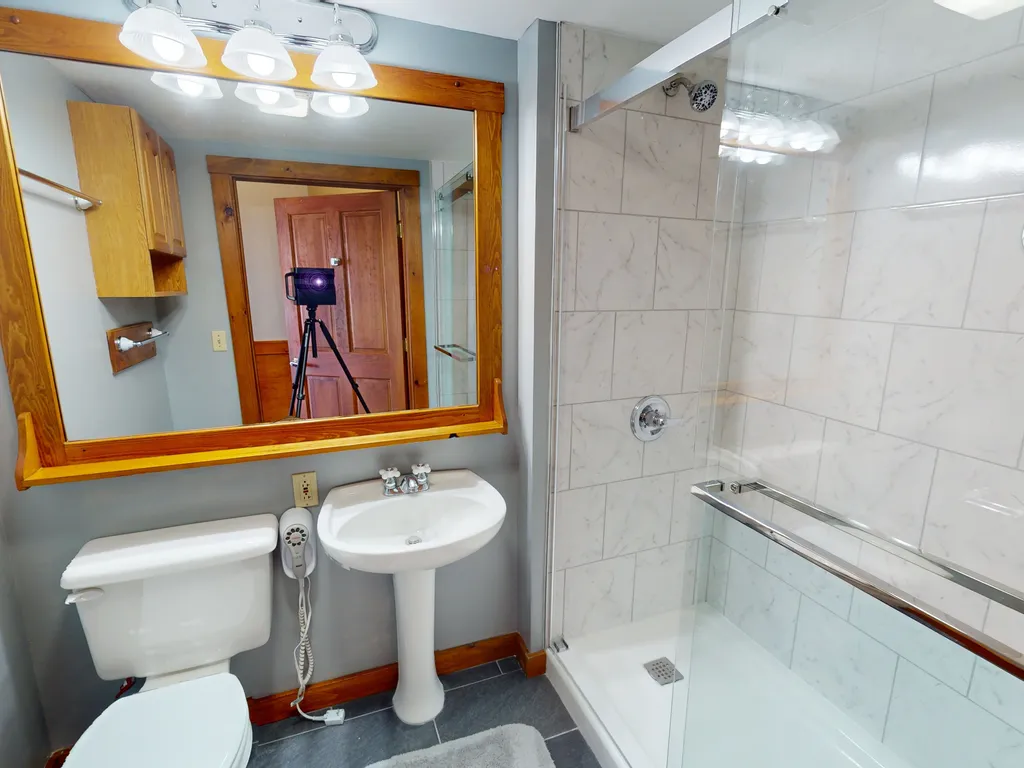
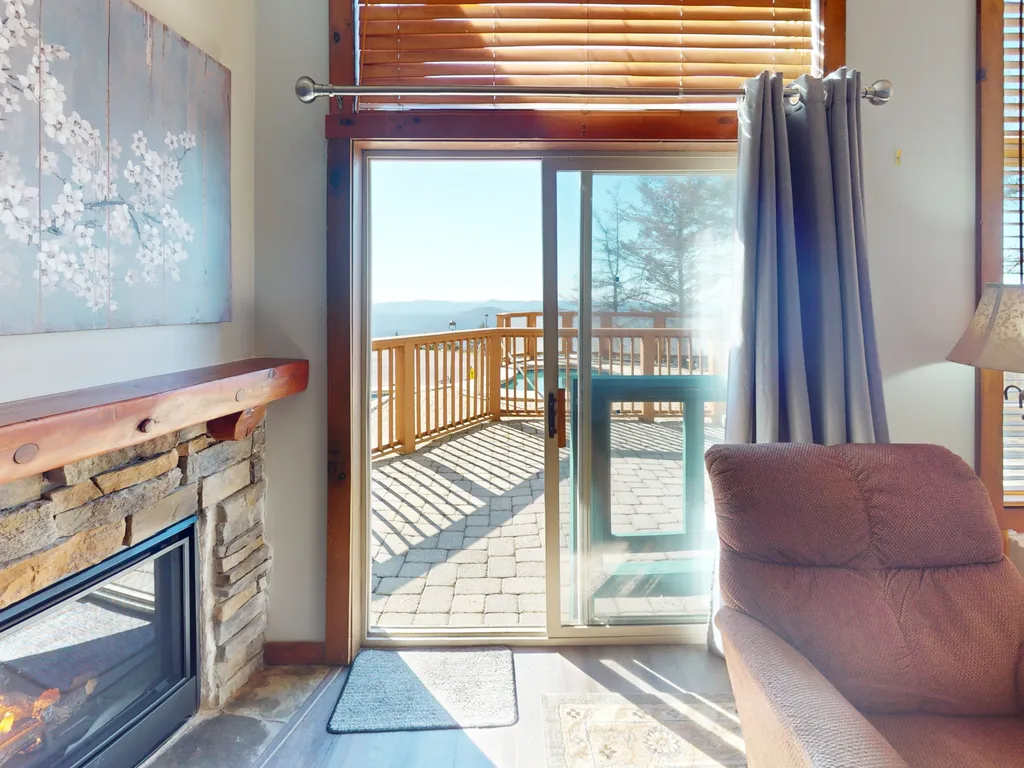
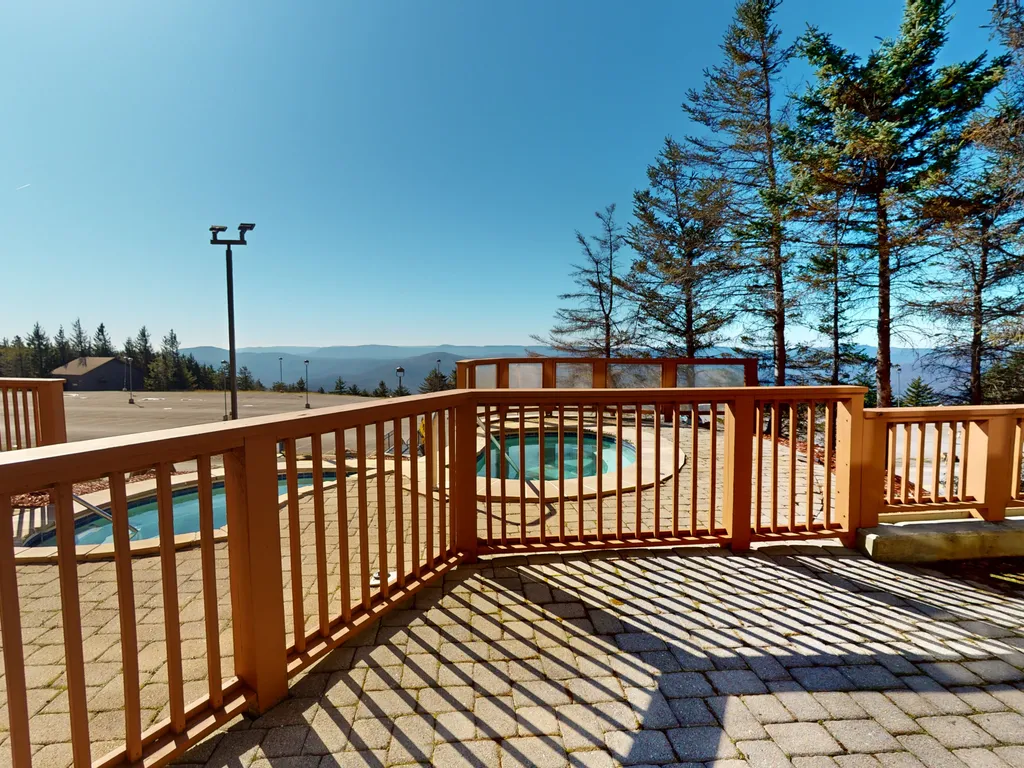
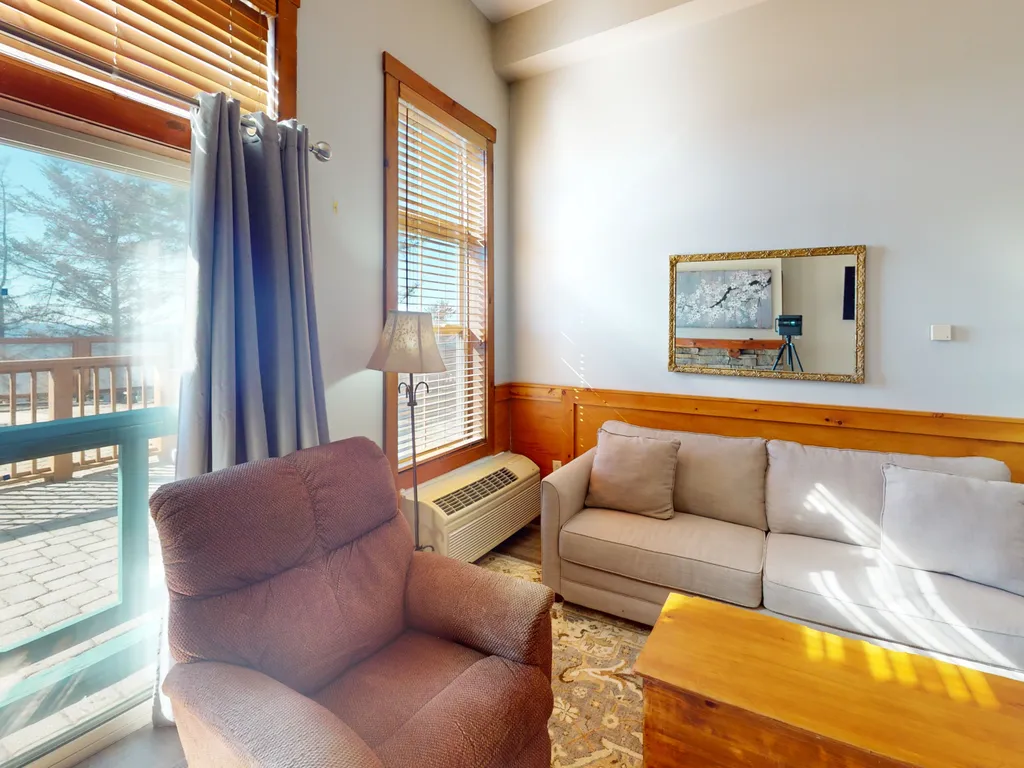
Rimfire 101- Brigham Studio Condo
- Free Cancellation
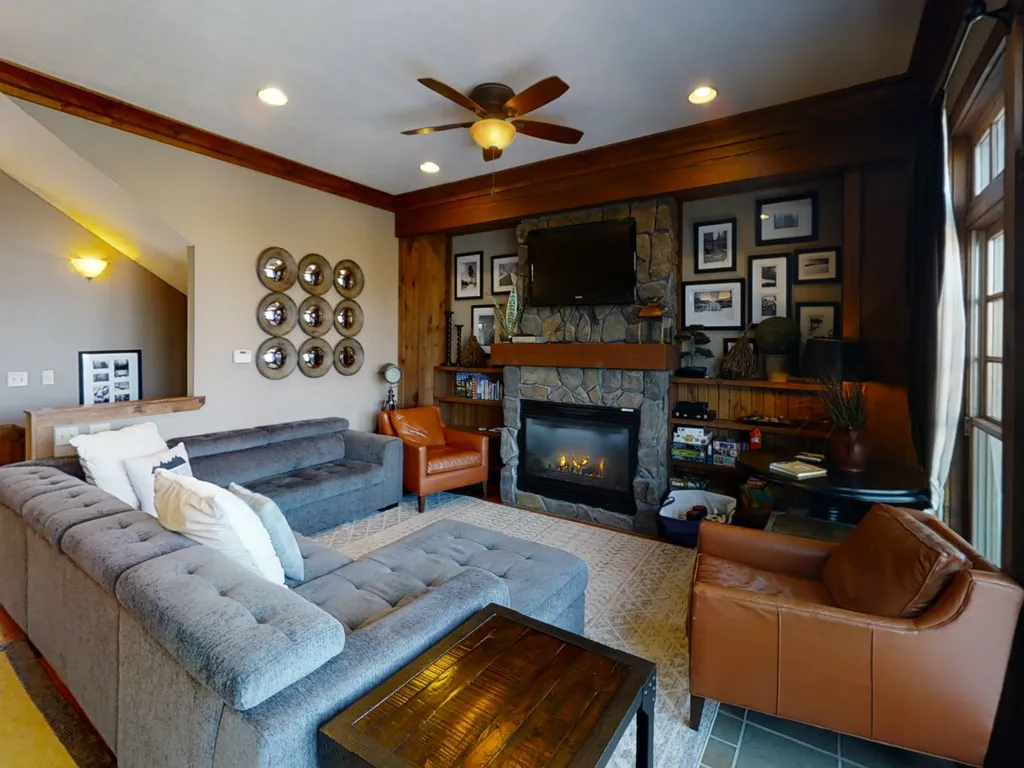 townhouse86 mi1 / 16Photo 1 of 16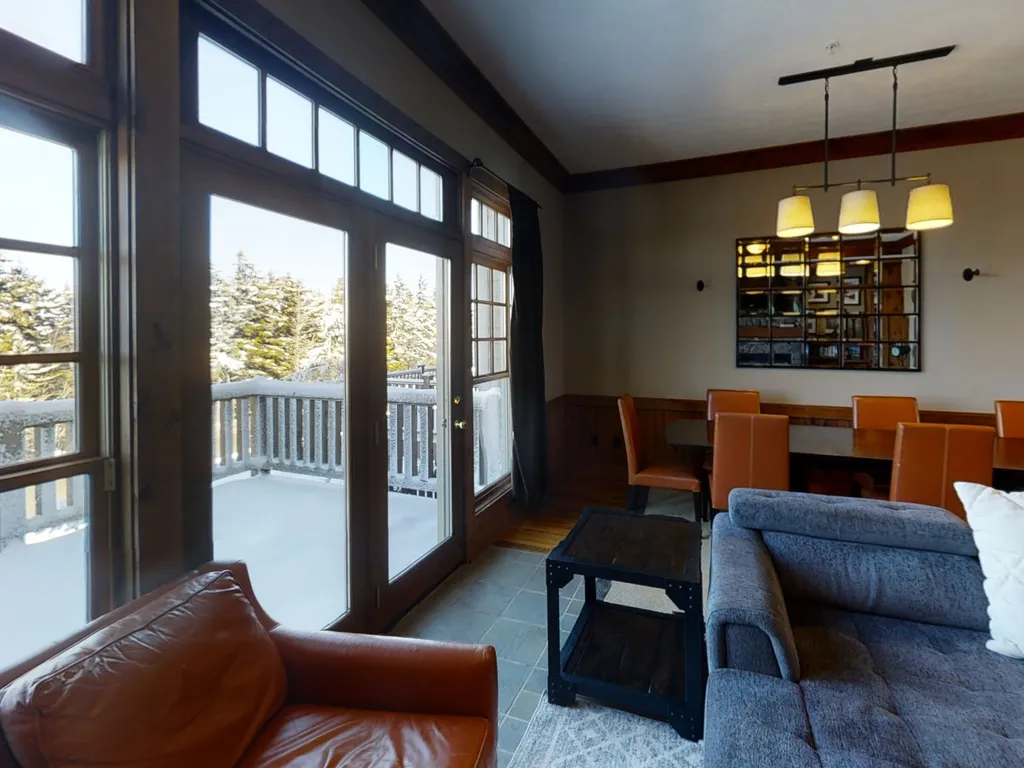
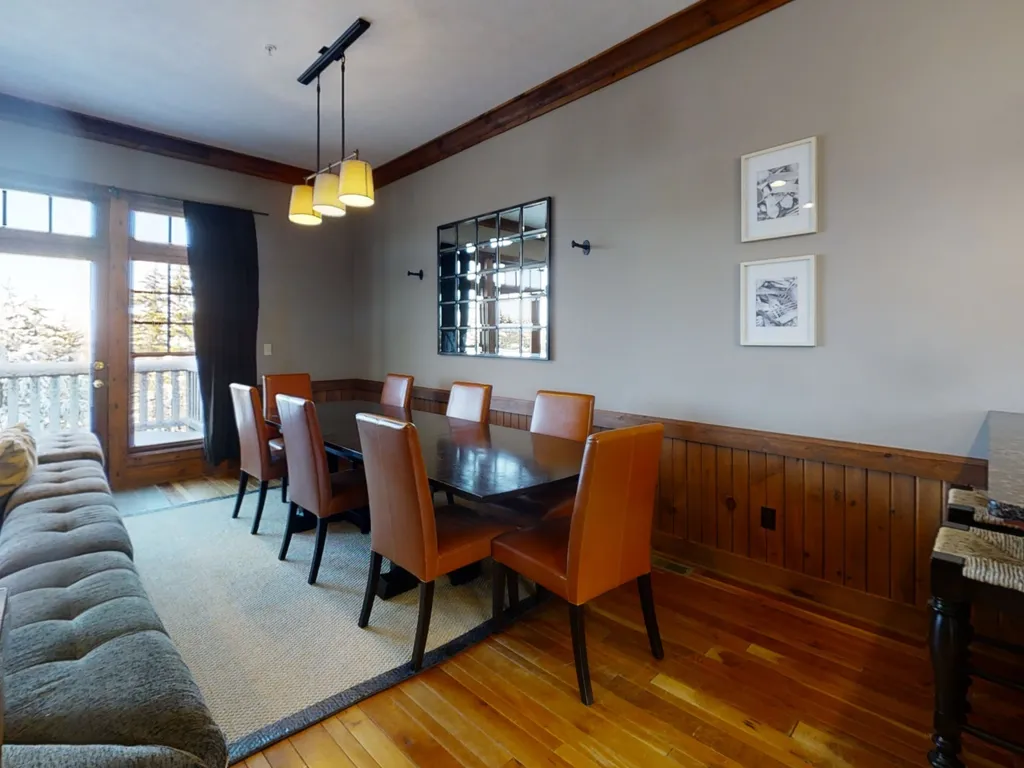
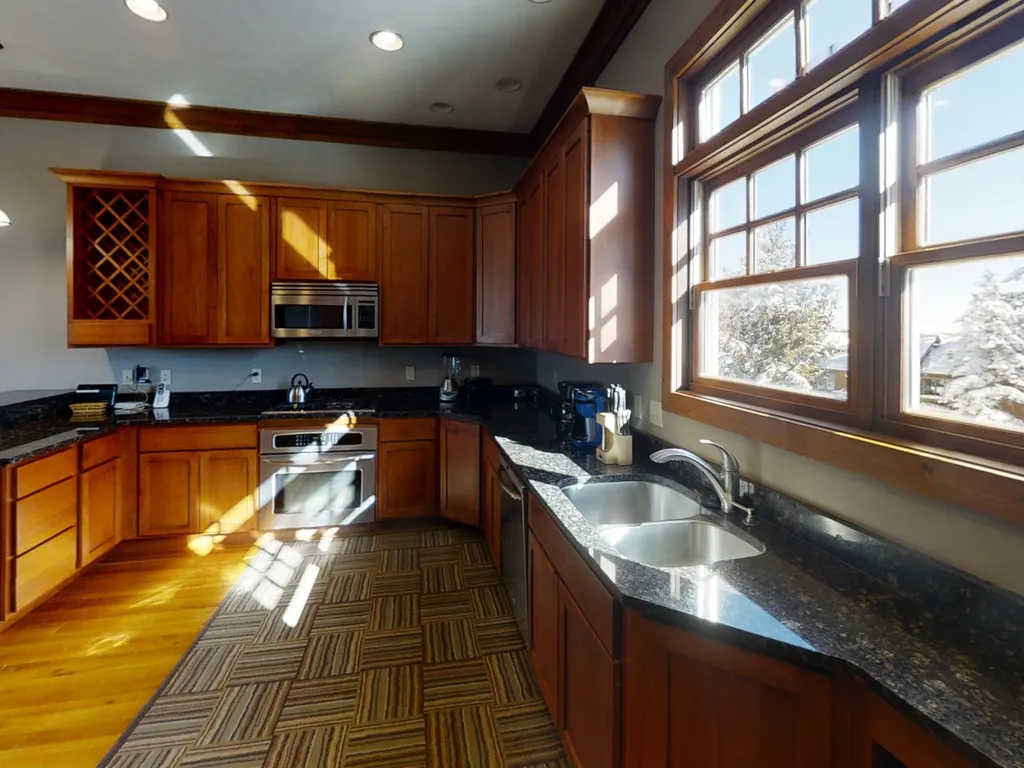
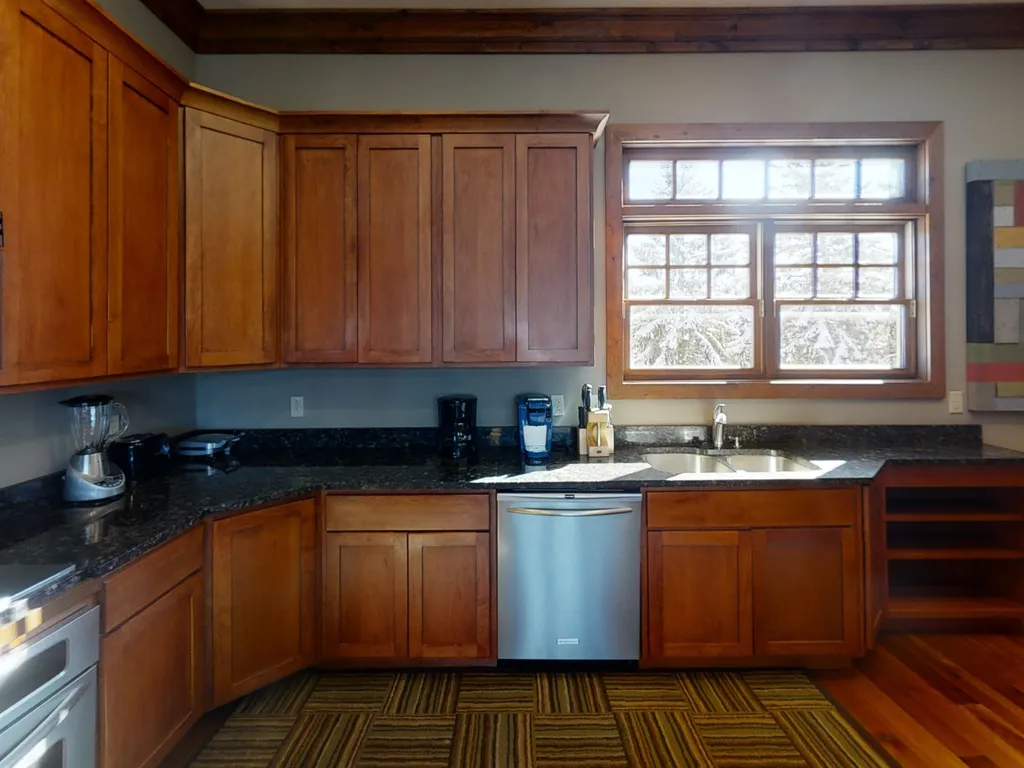
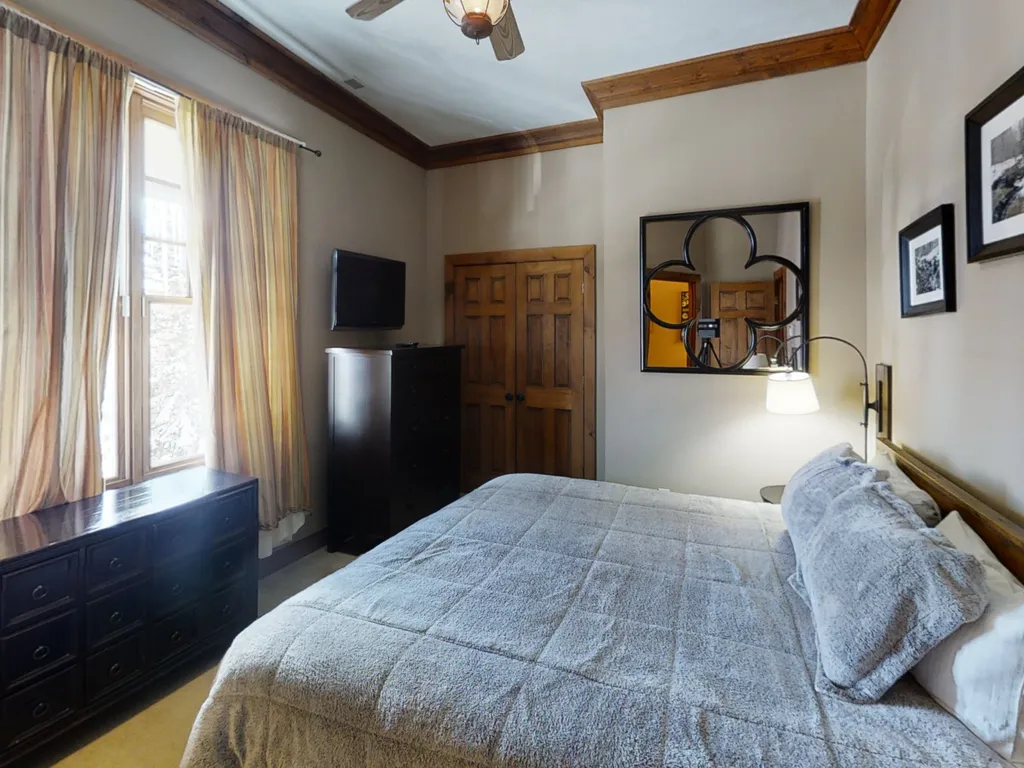
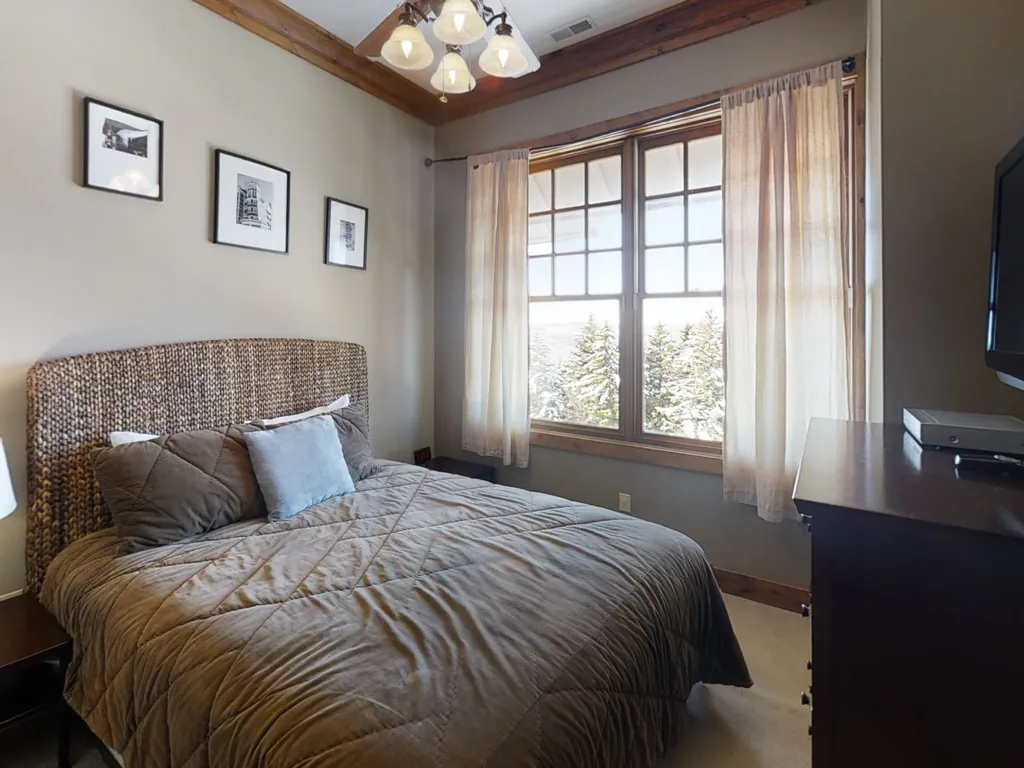
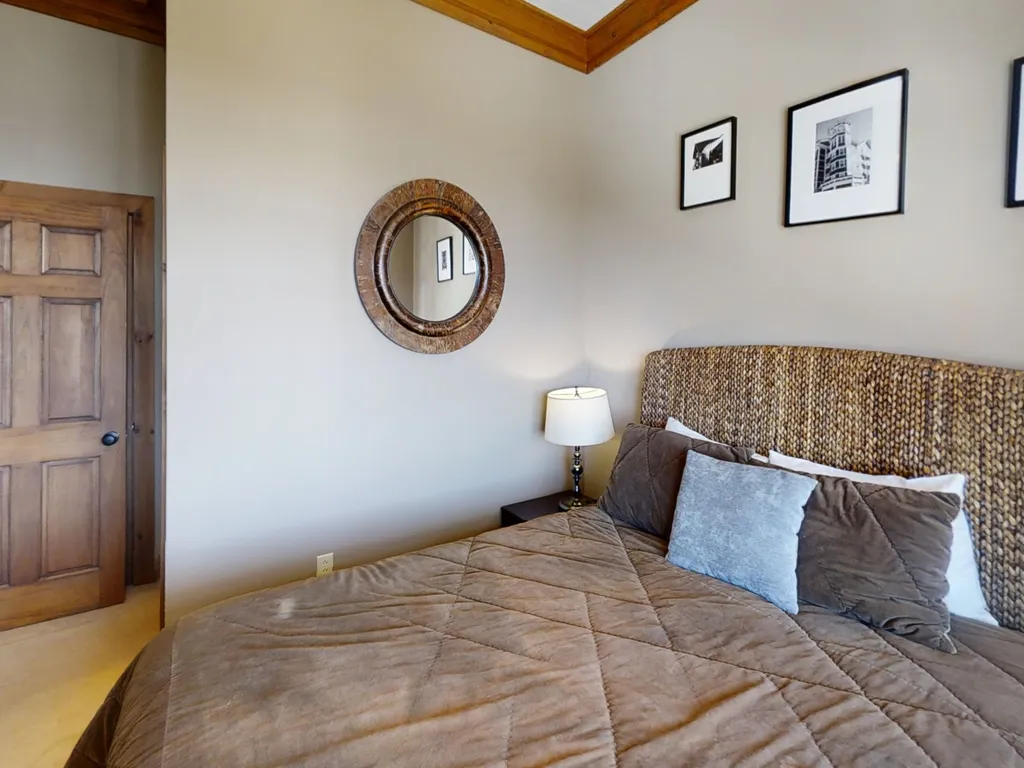
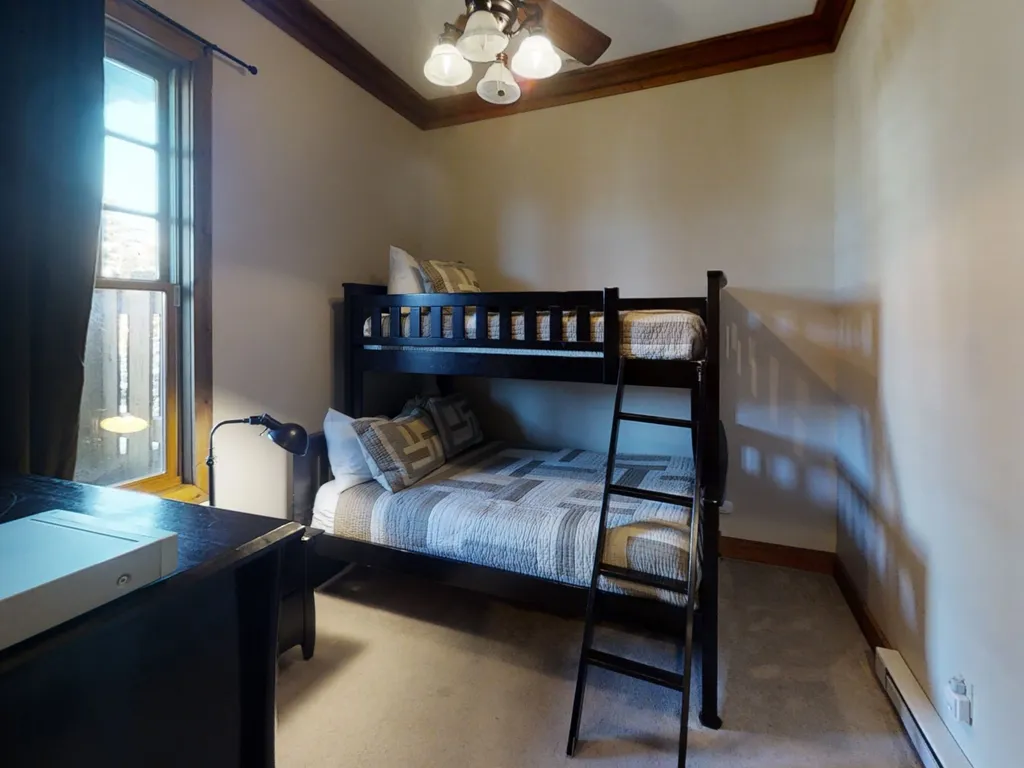
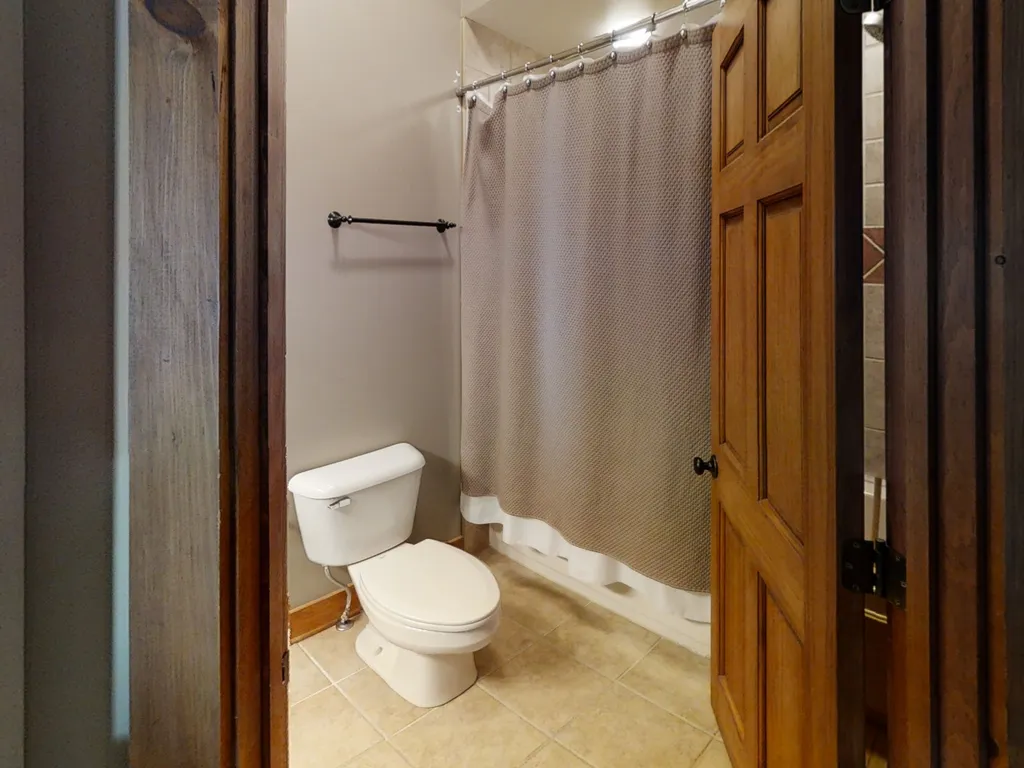
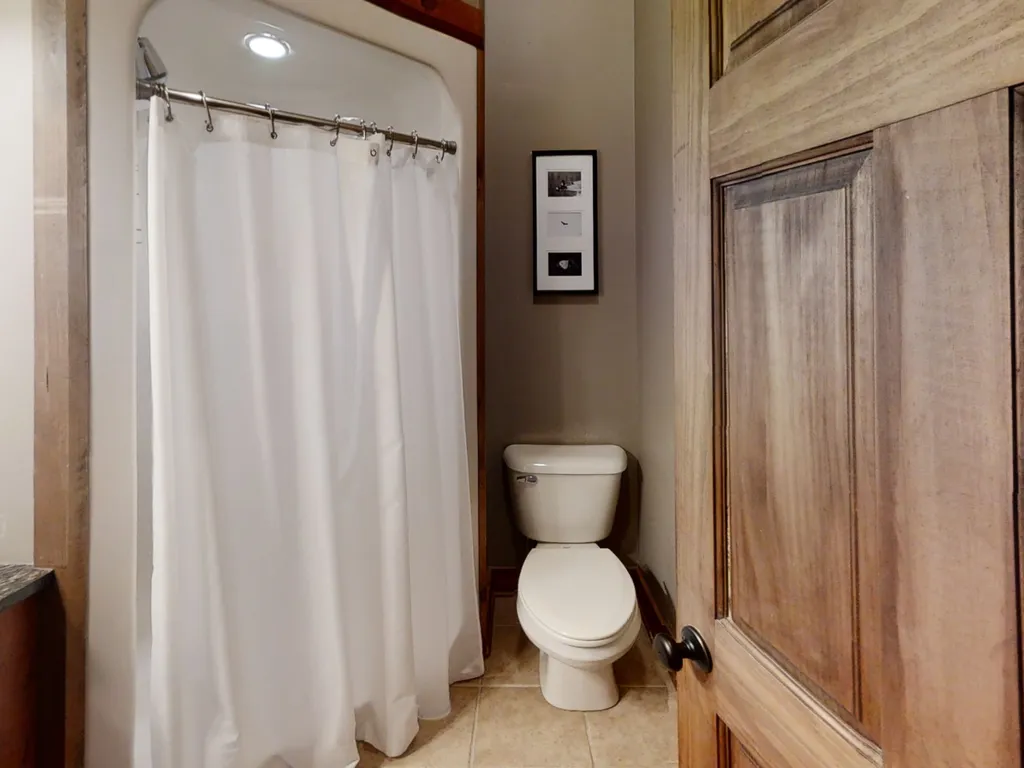
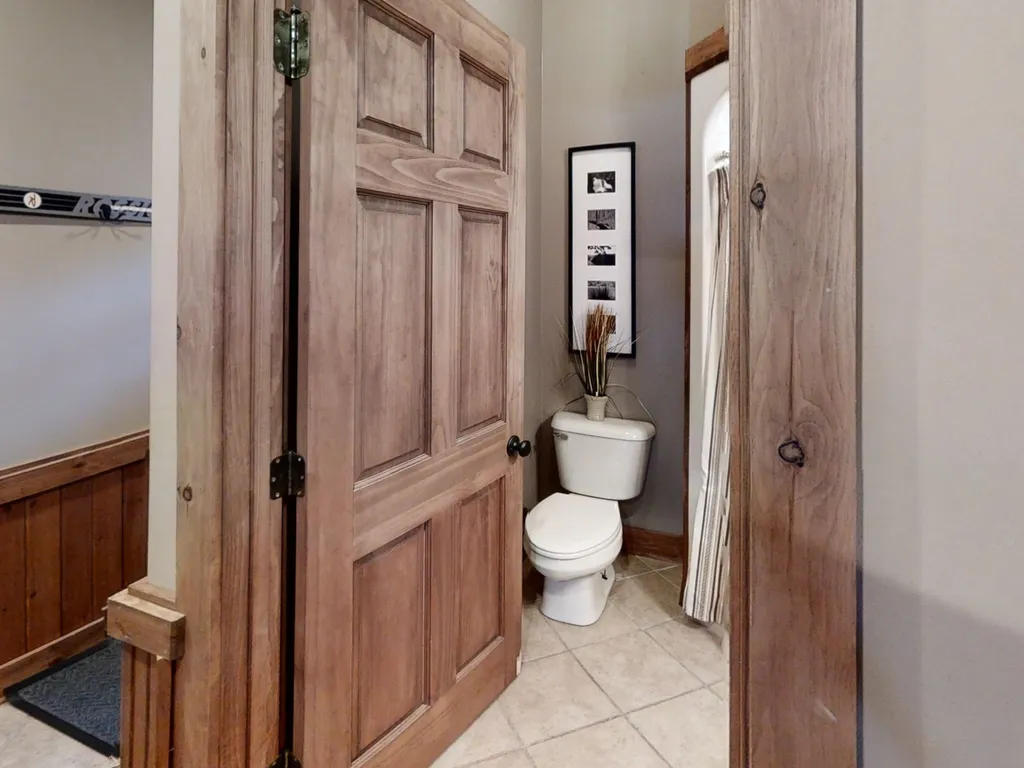
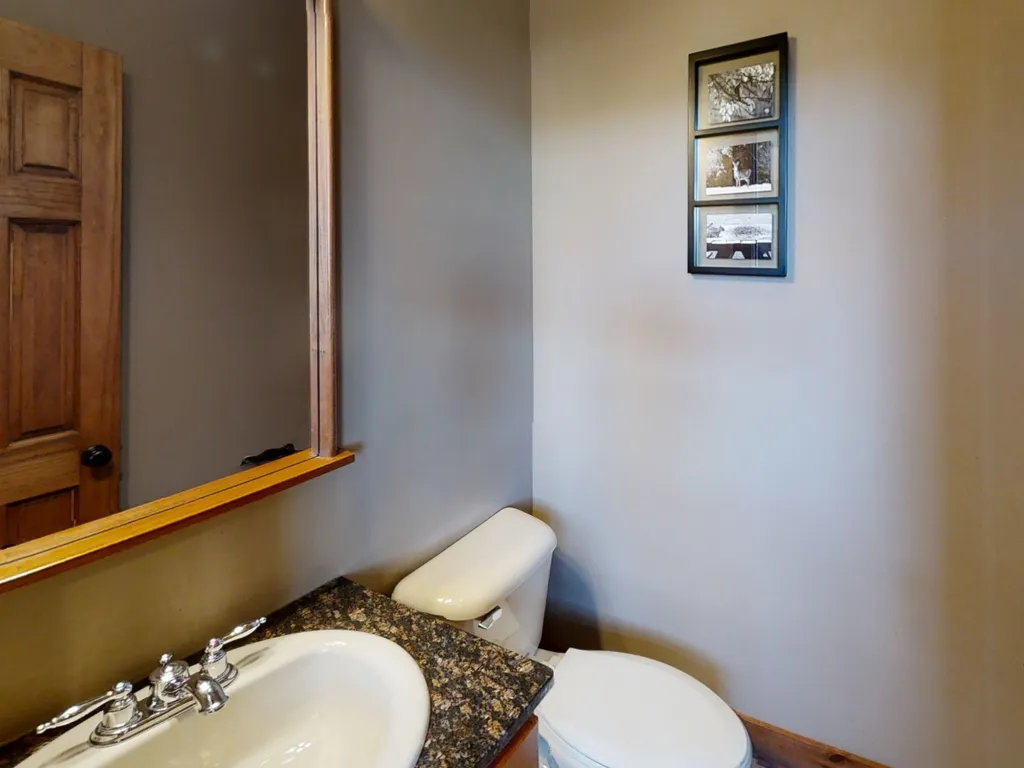
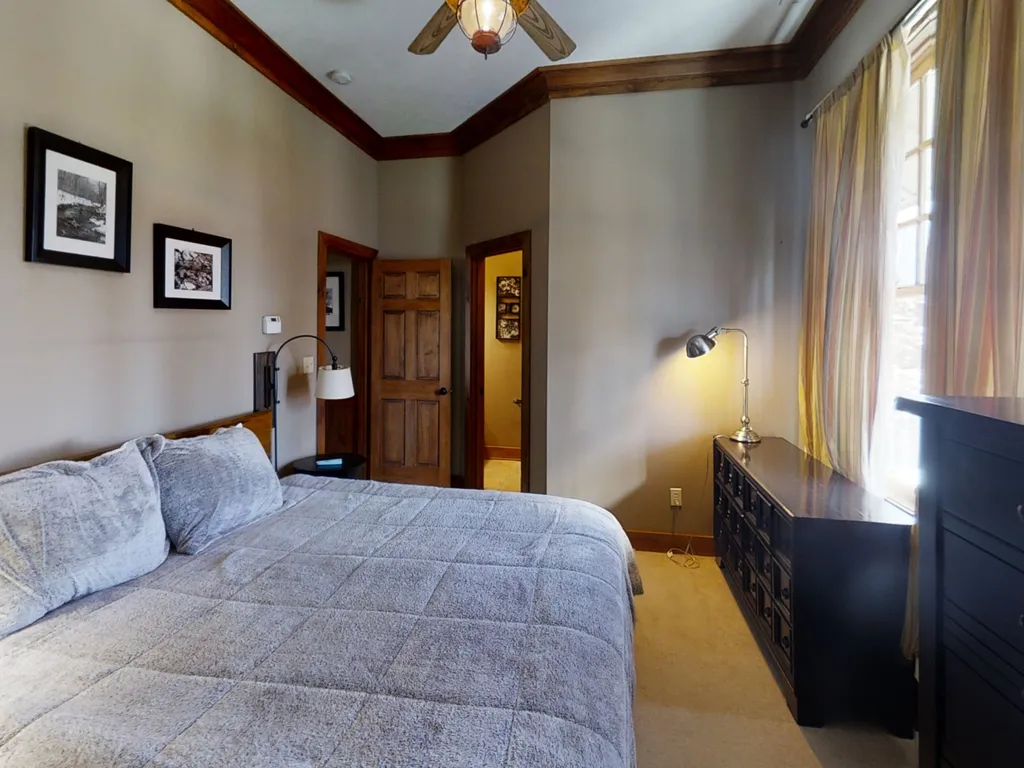
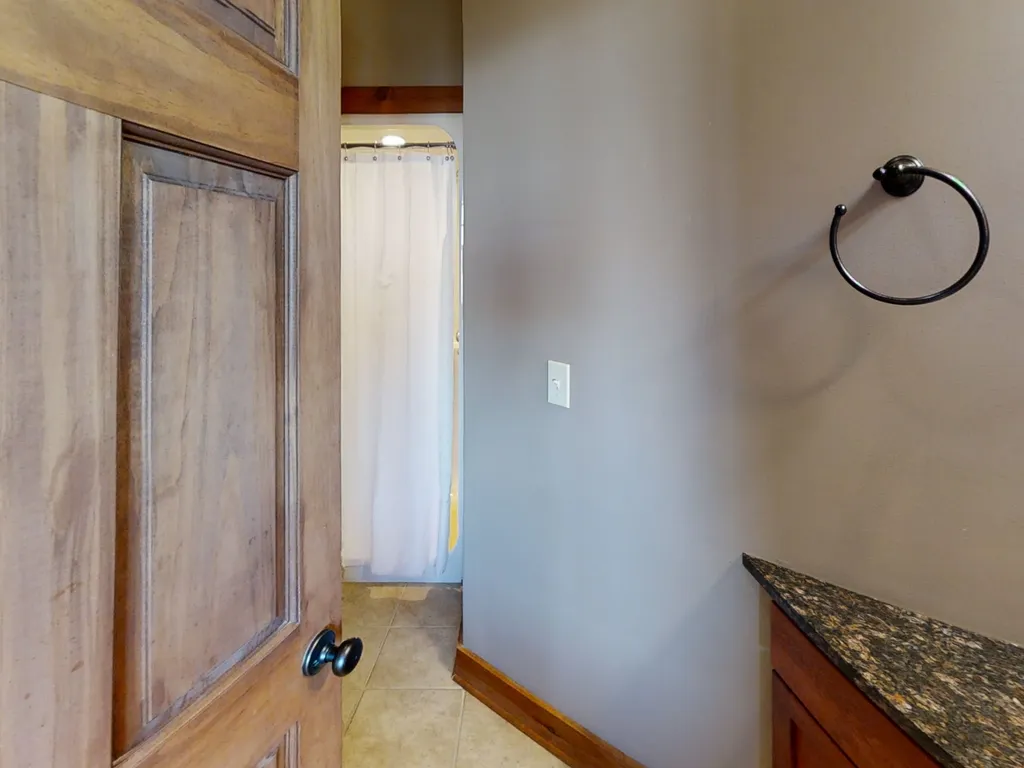
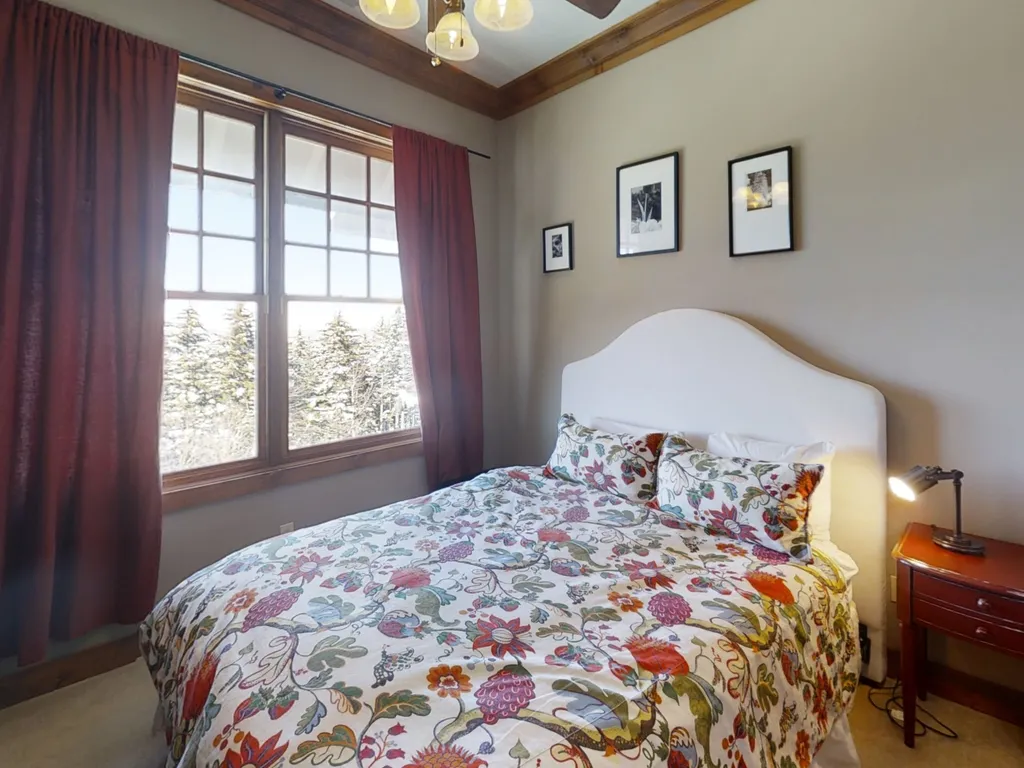
Shay's Landing 2- Four Bedroom Townhome
- Free Cancellation
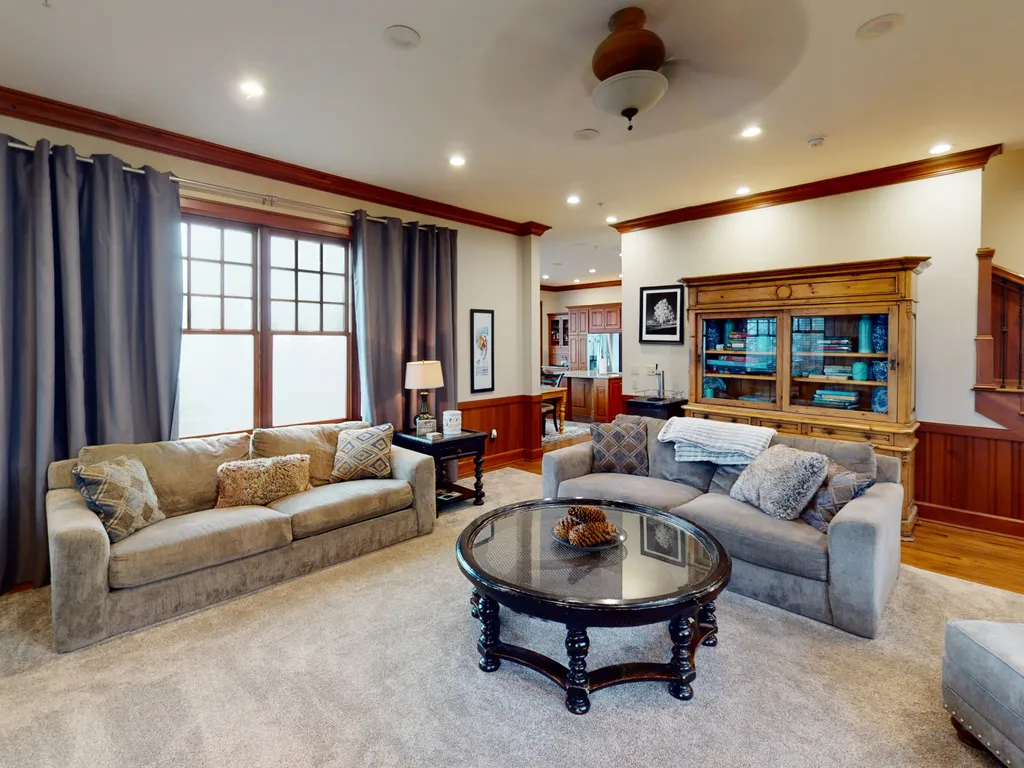 townhouse86 mi1 / 30Photo 1 of 30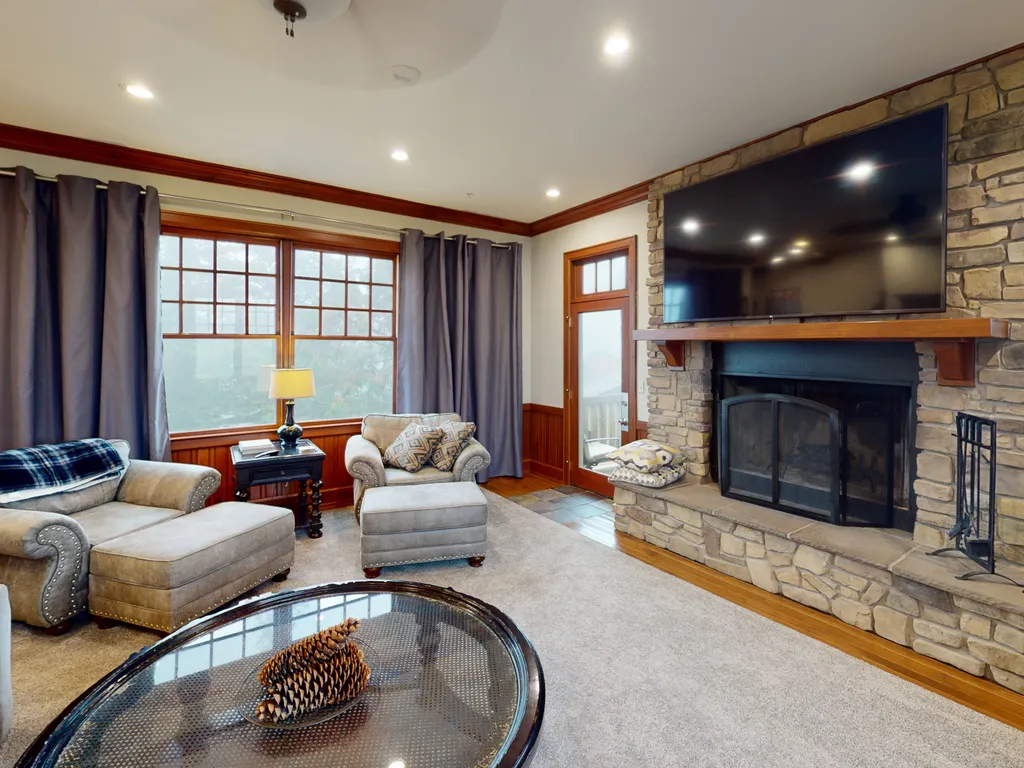
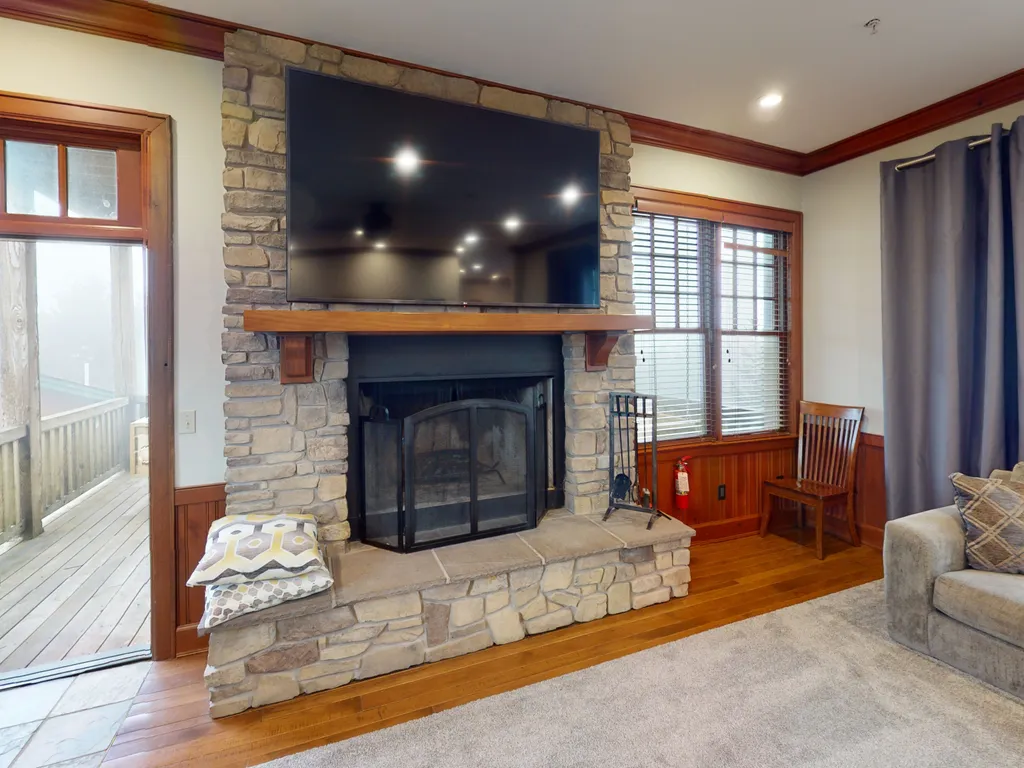
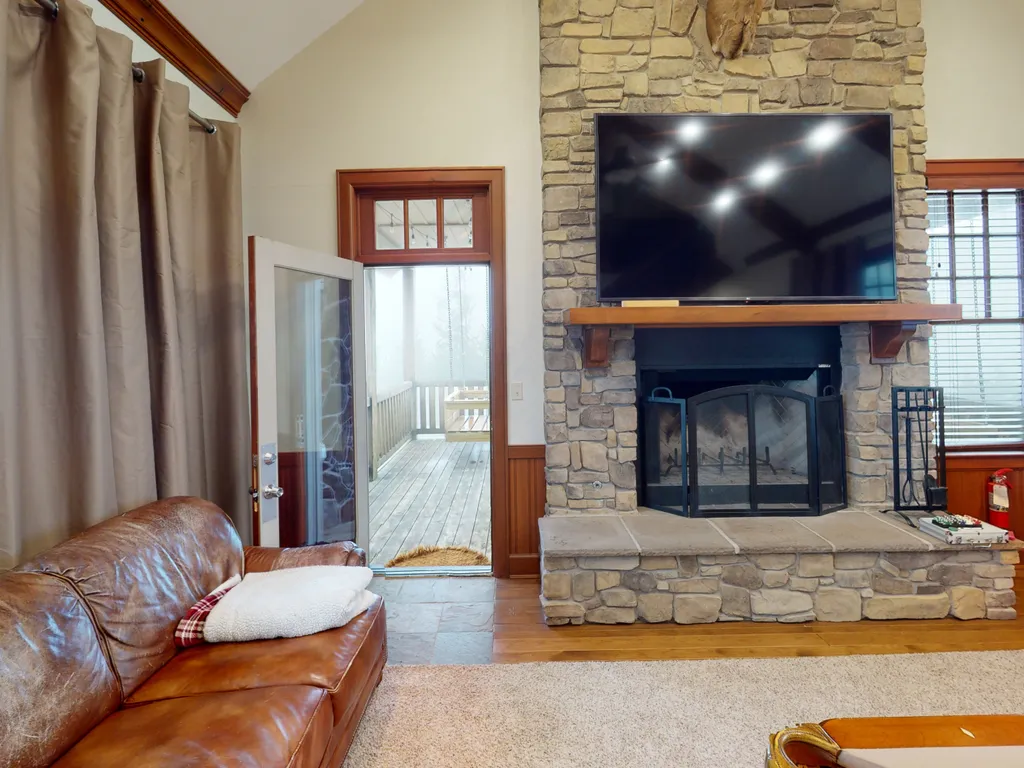
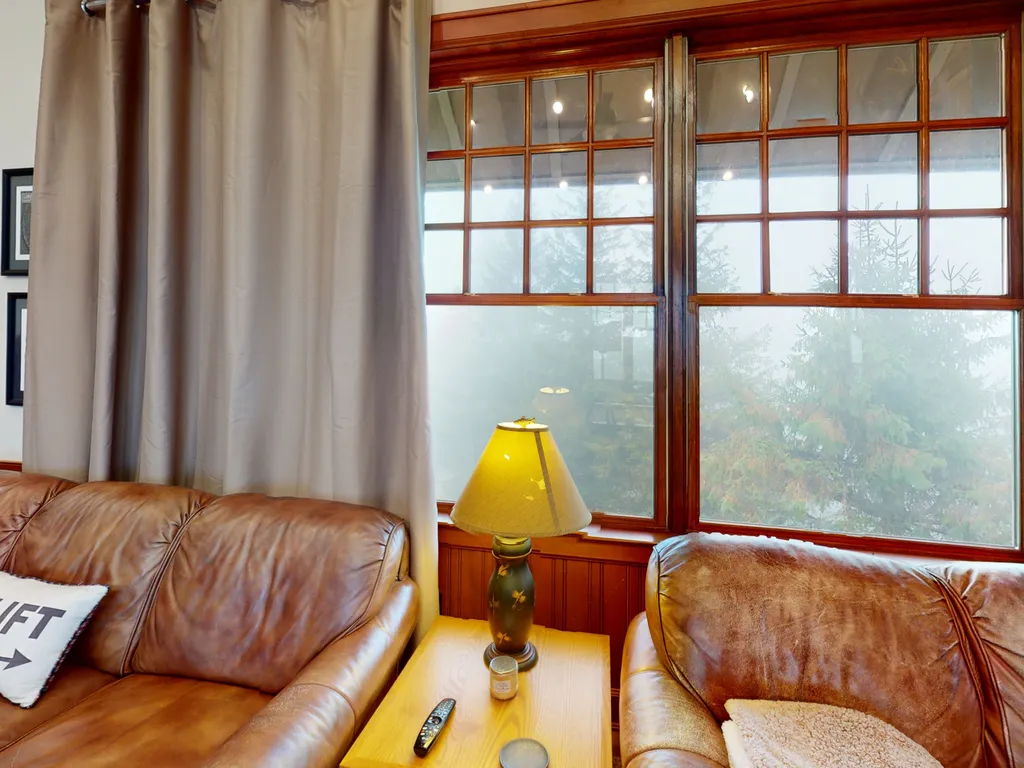
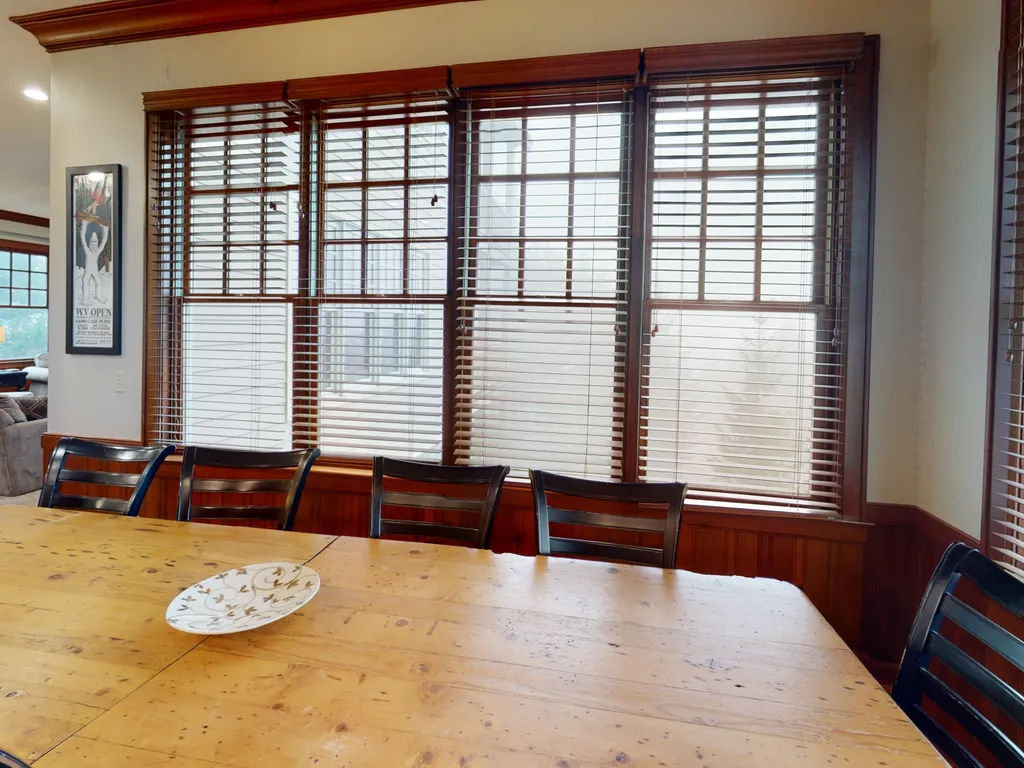
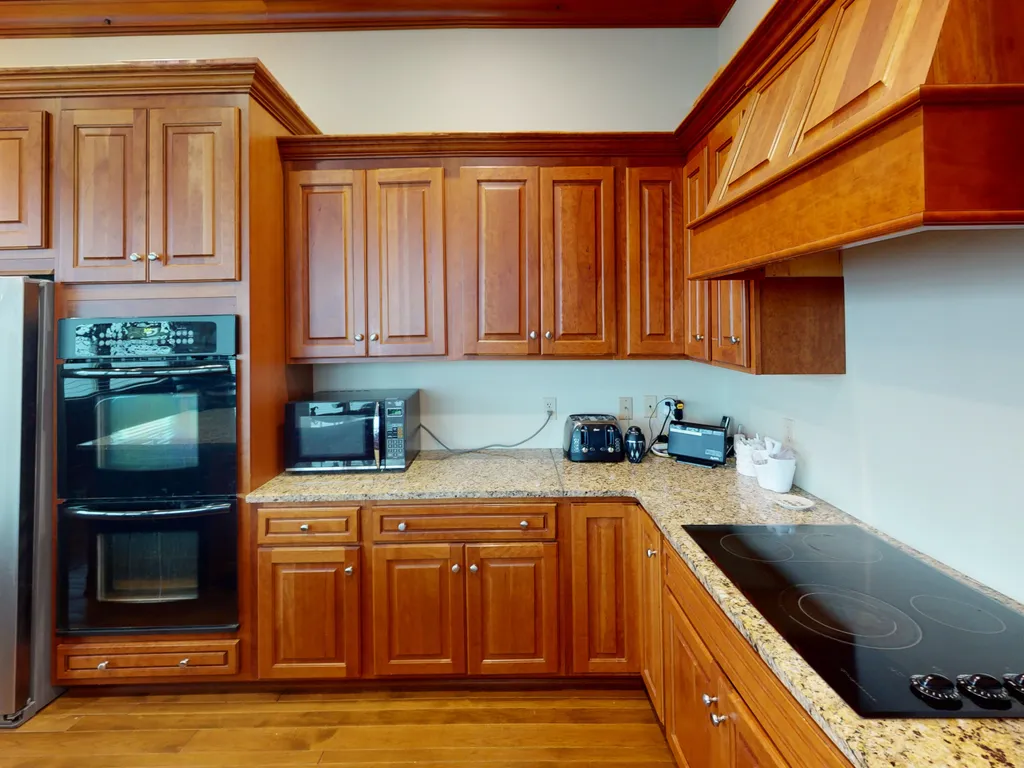

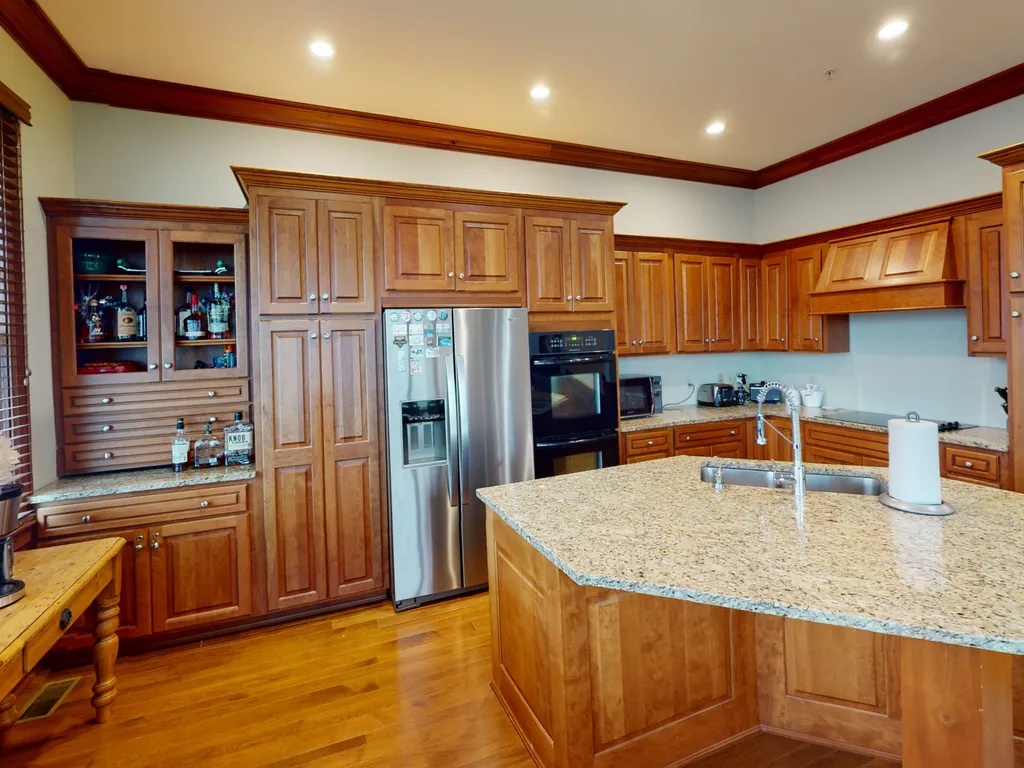
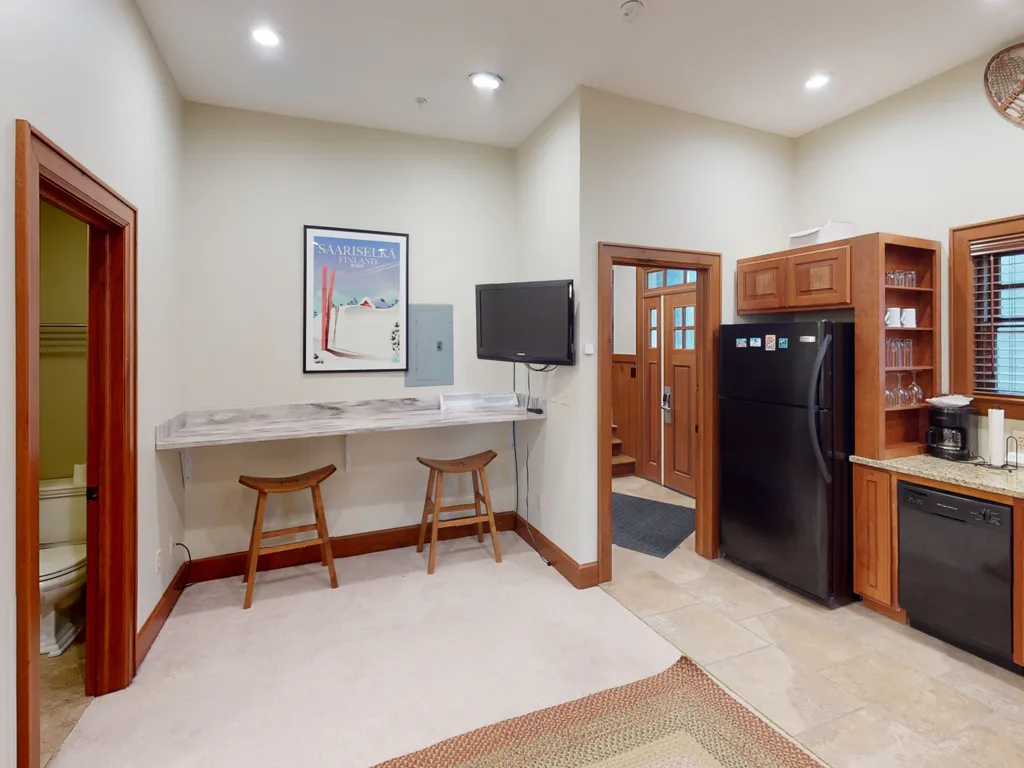
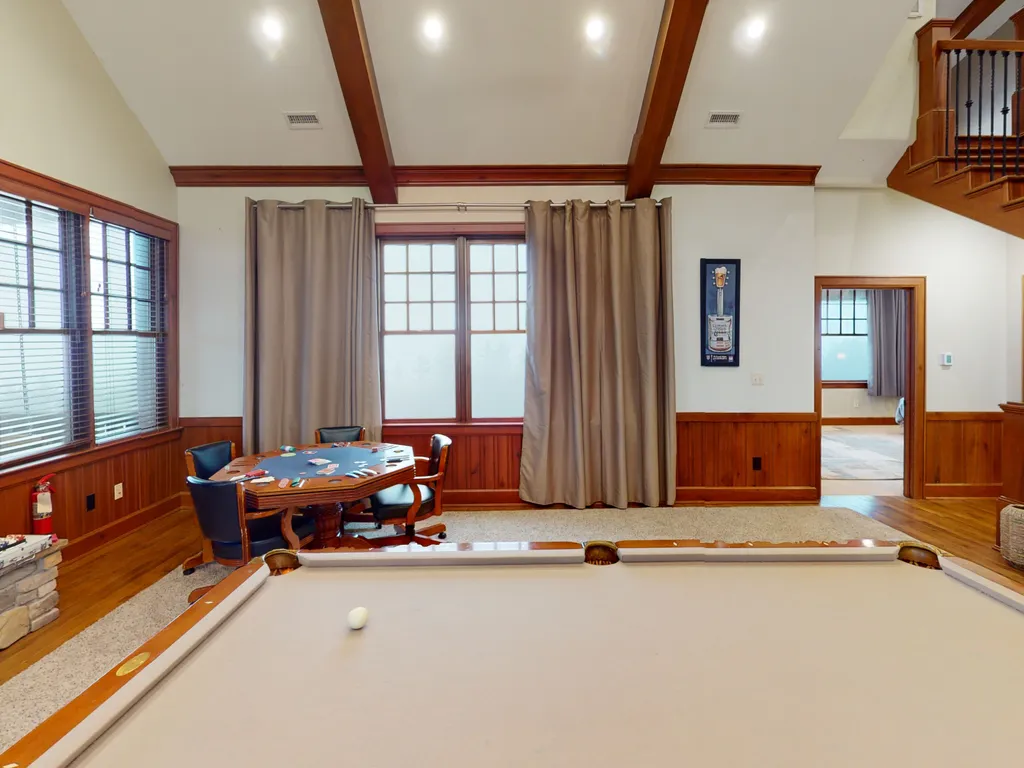
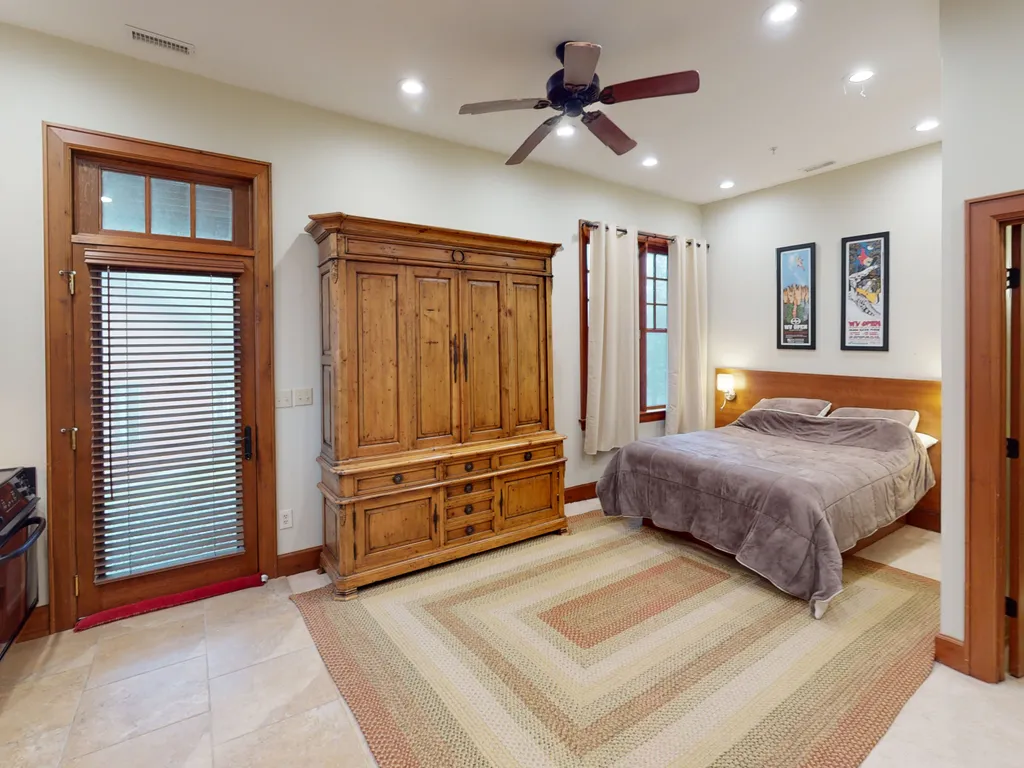
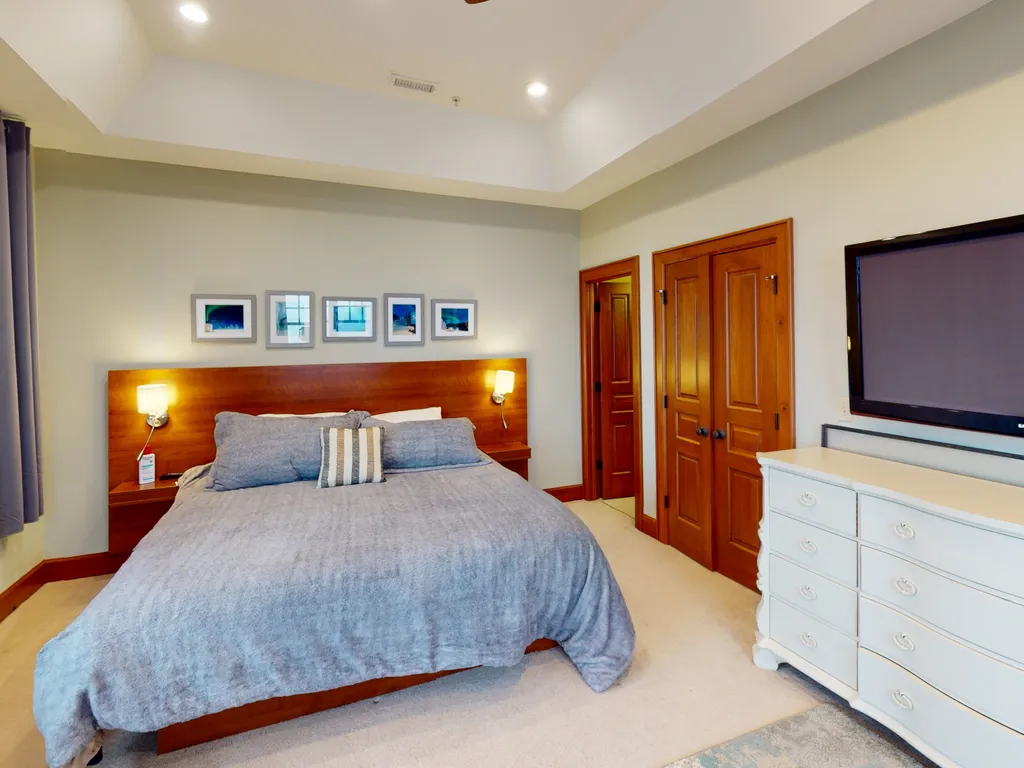
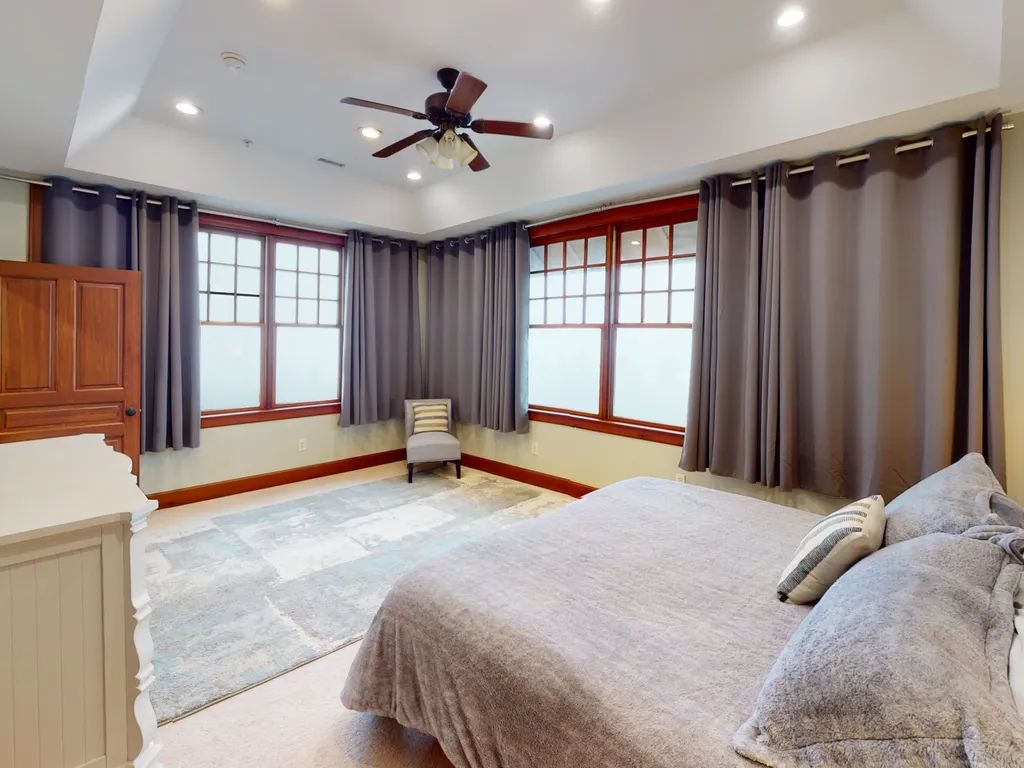
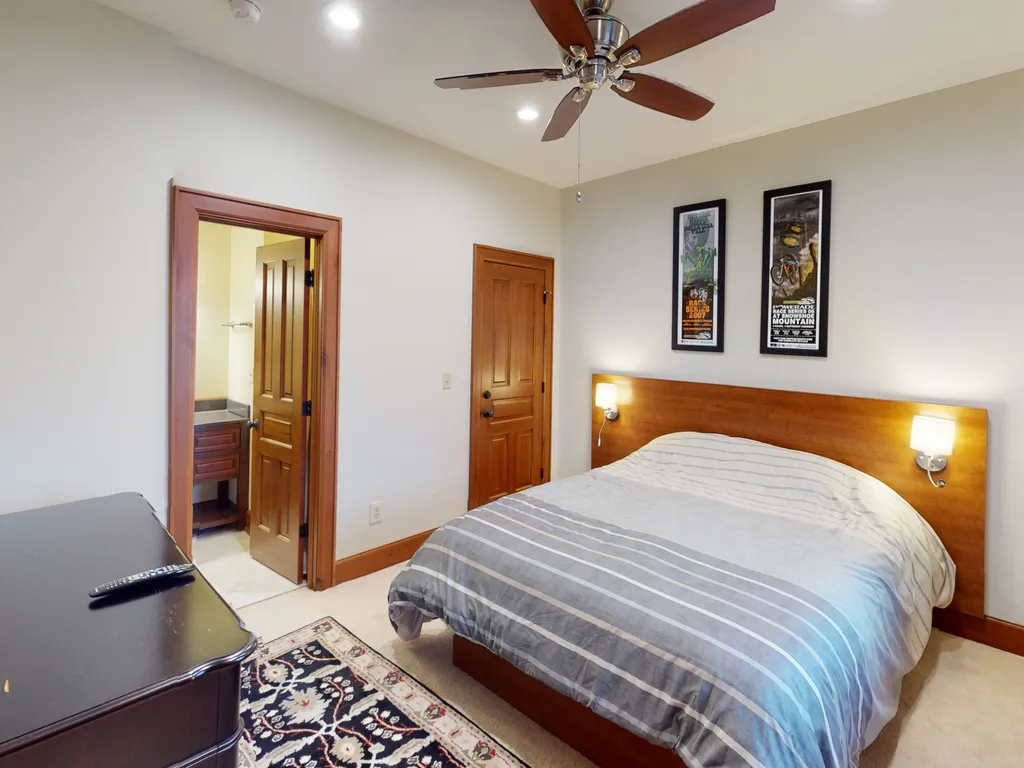
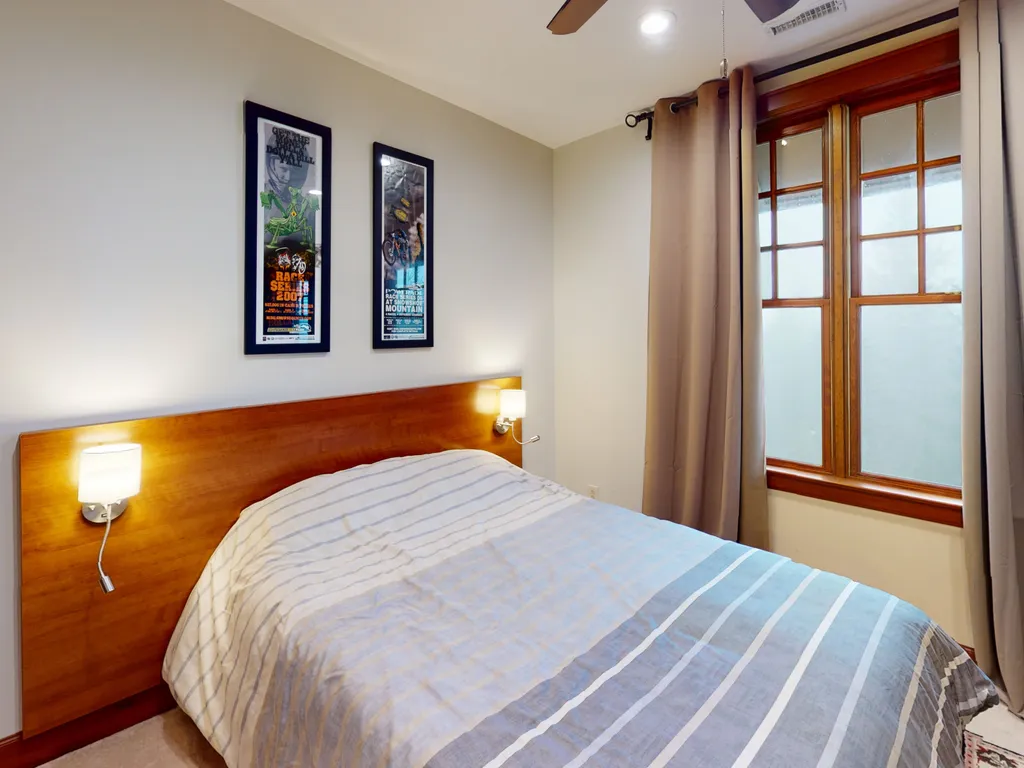
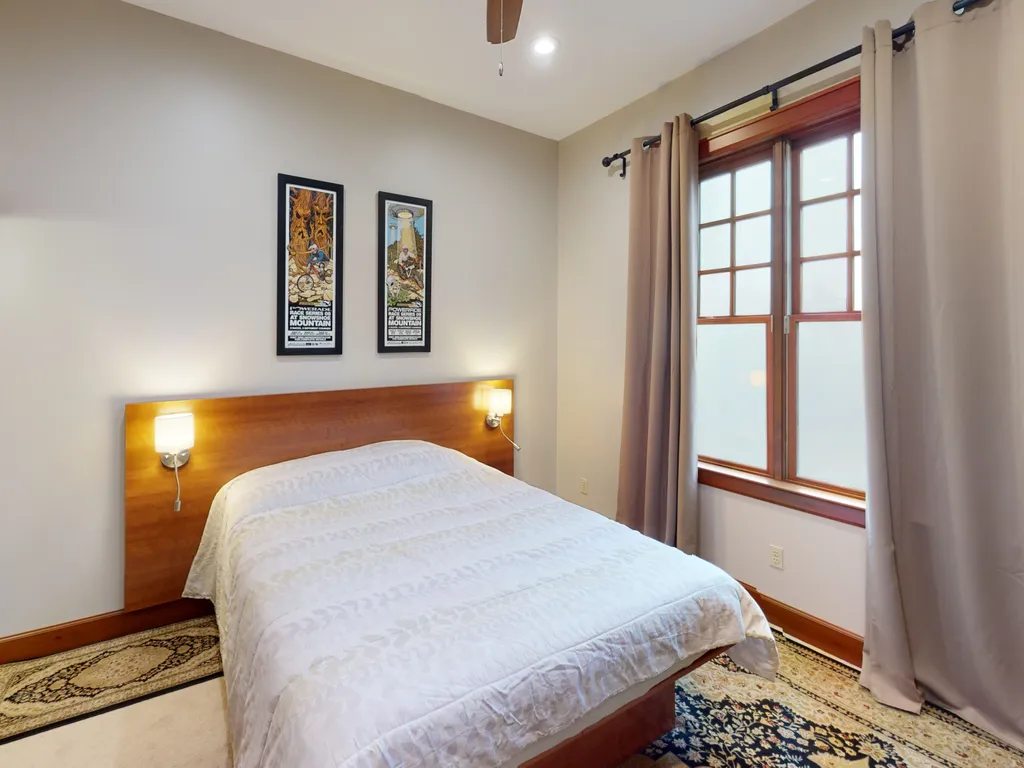
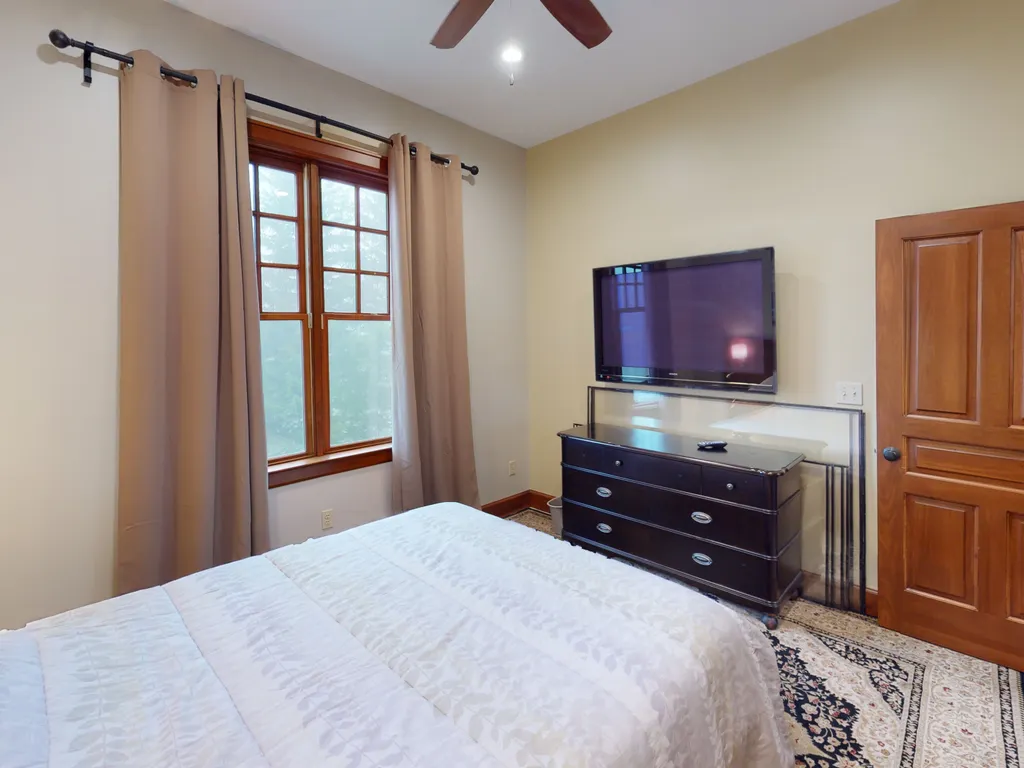
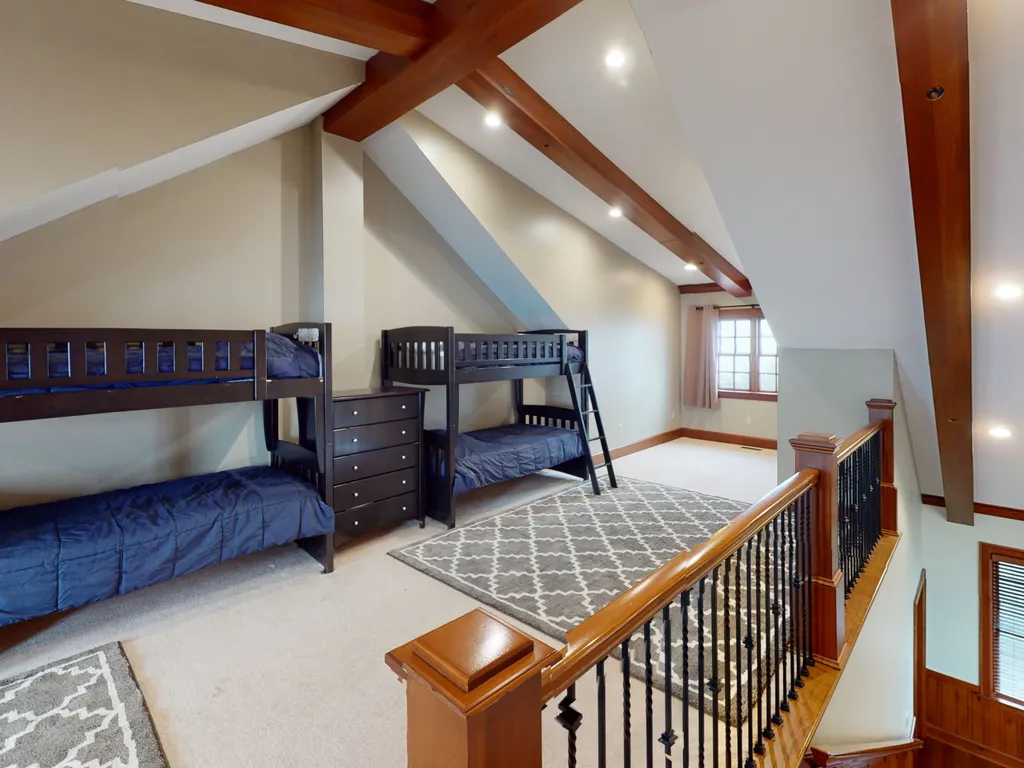
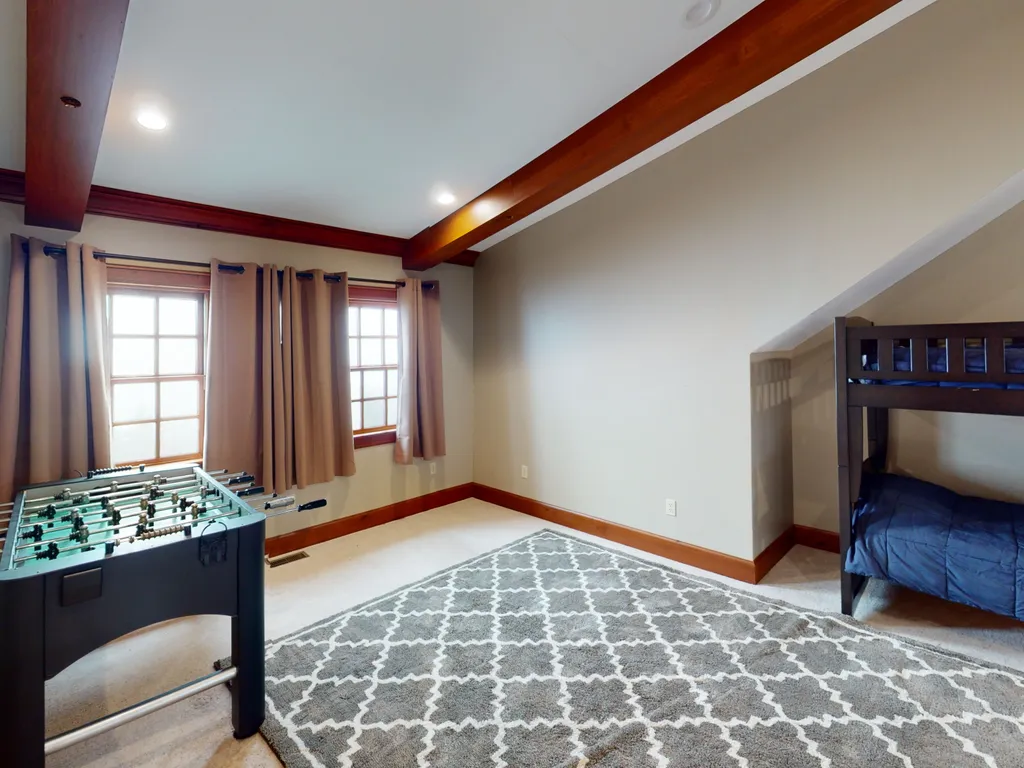
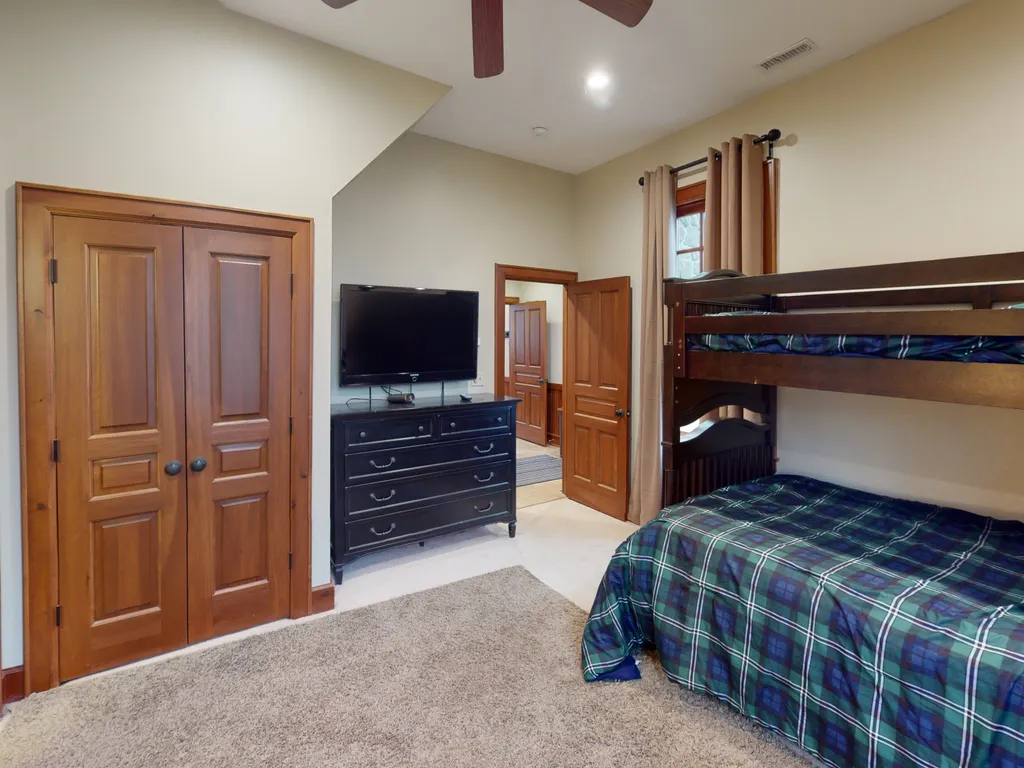
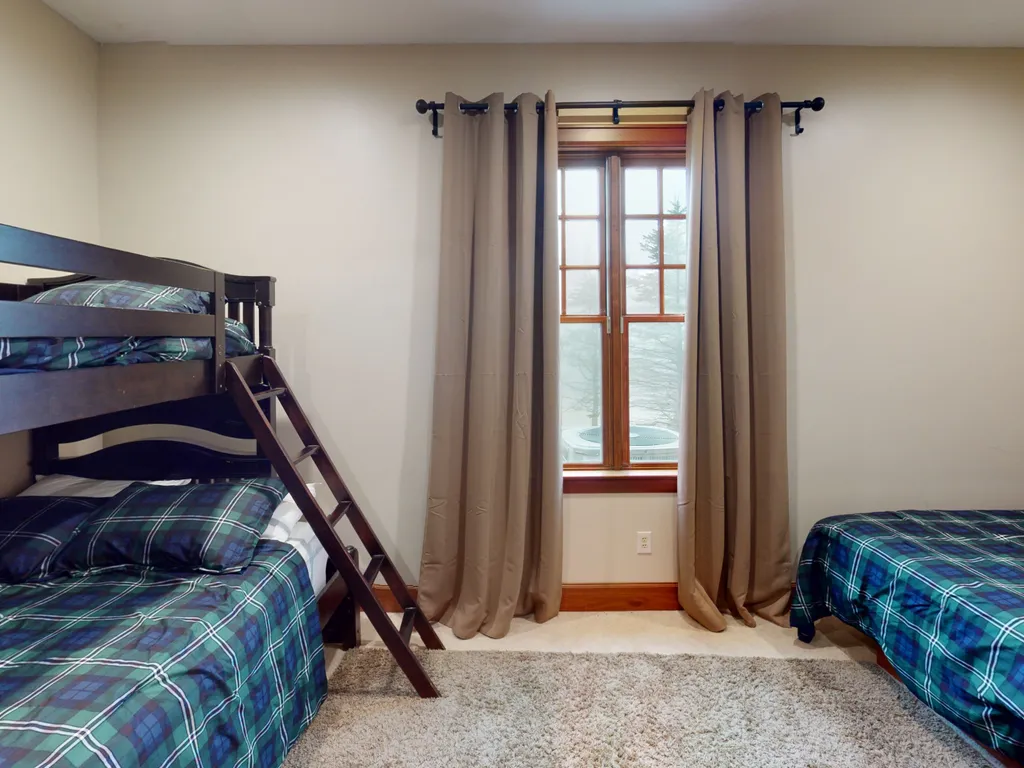
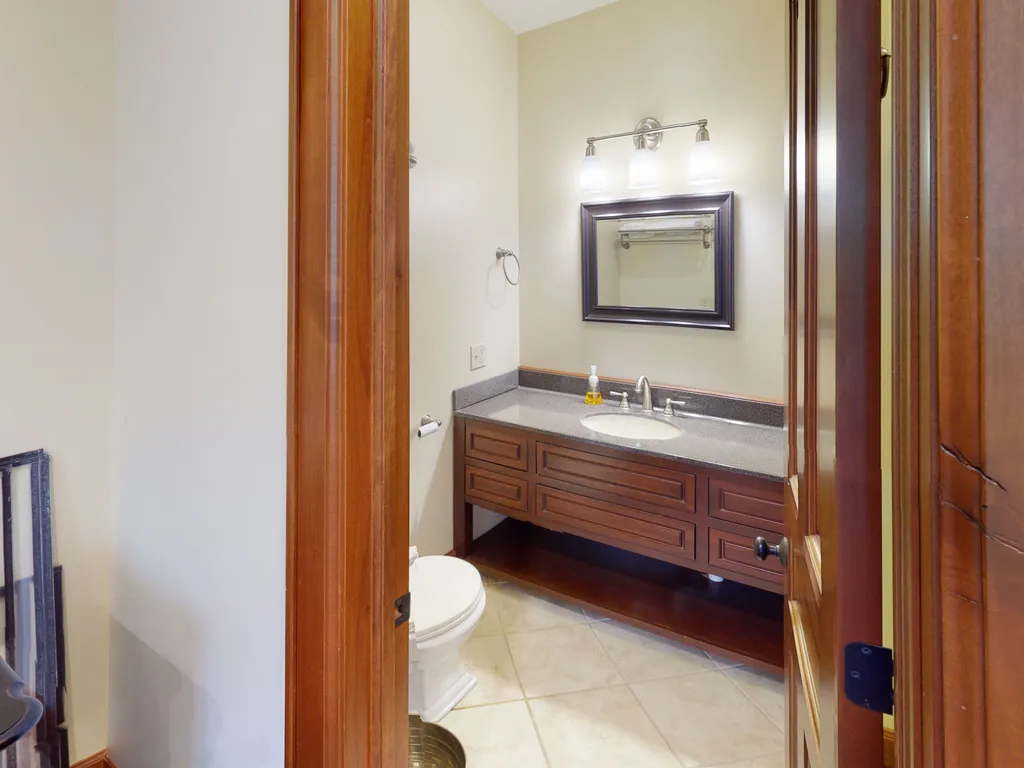
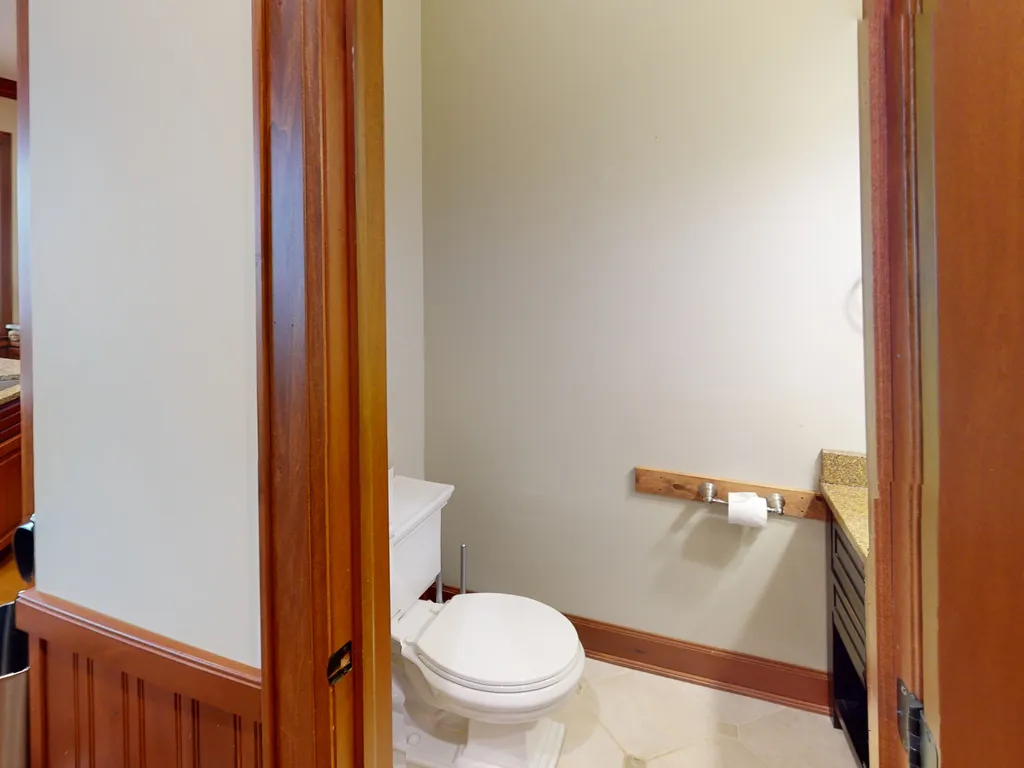
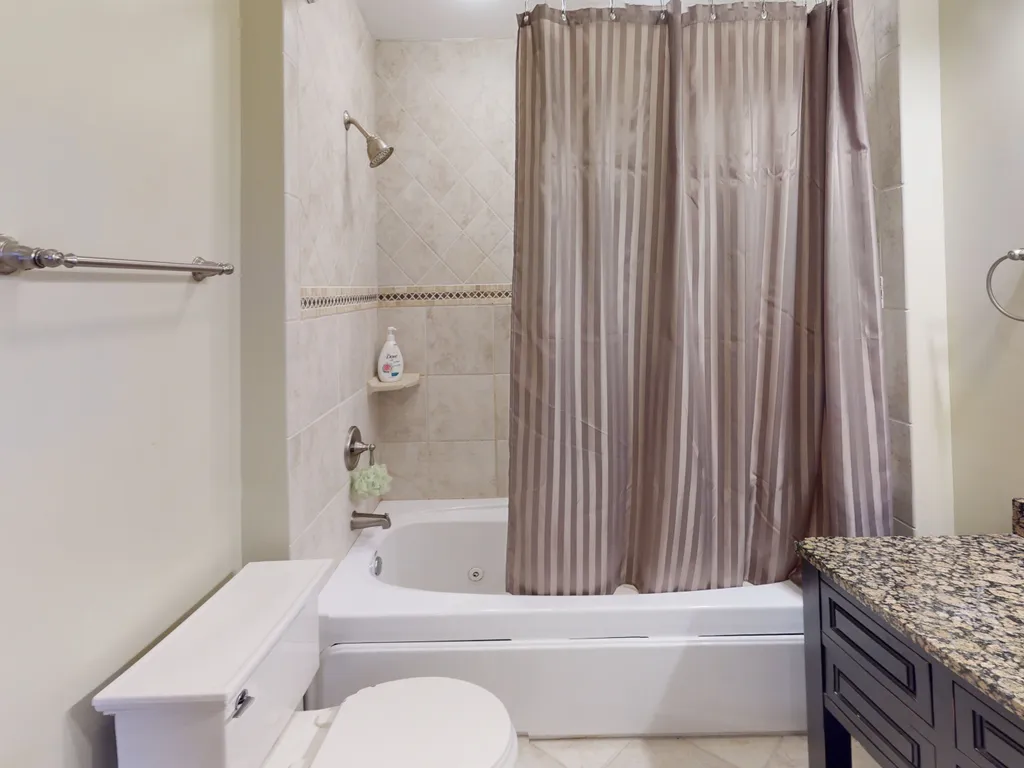
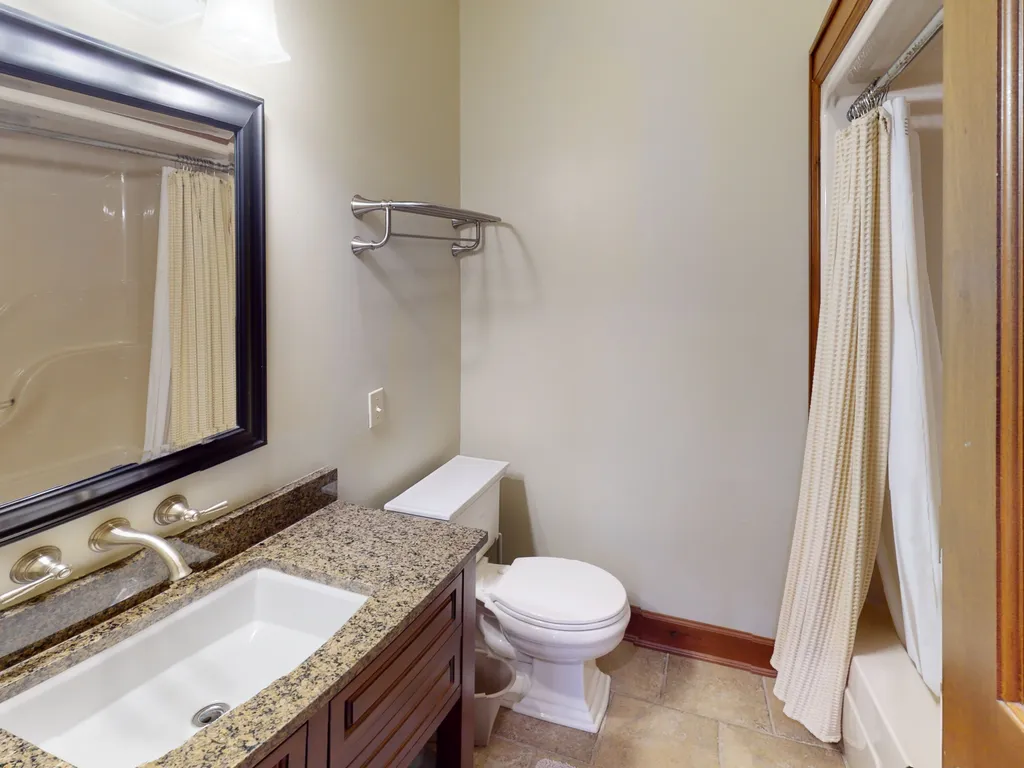
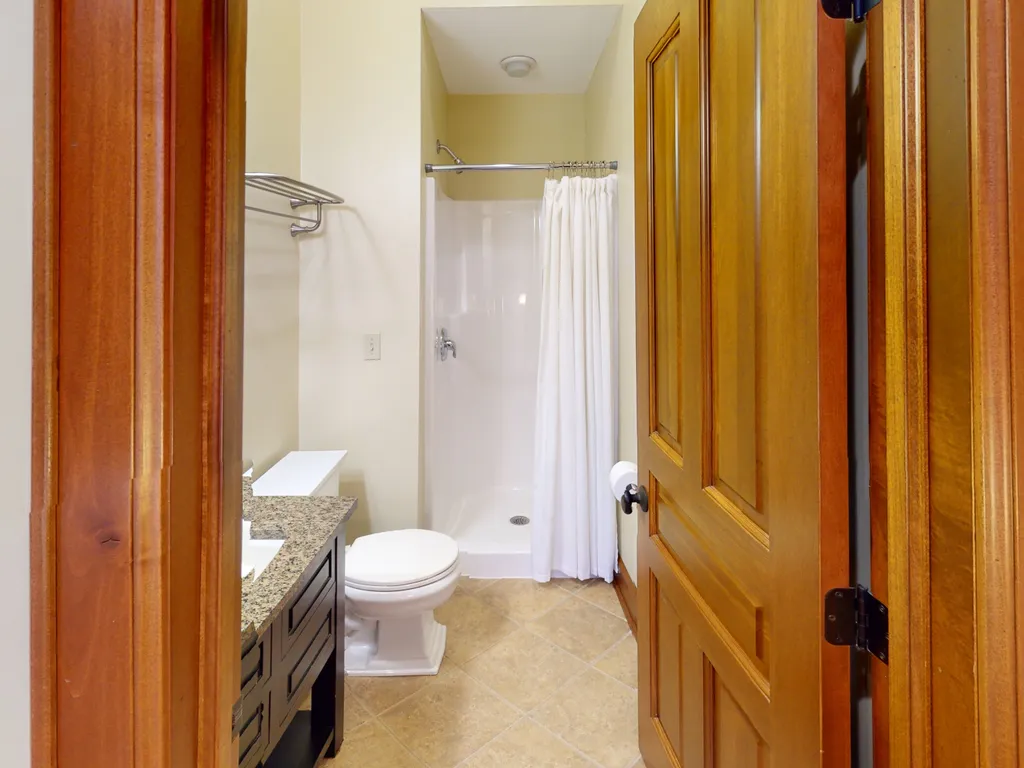
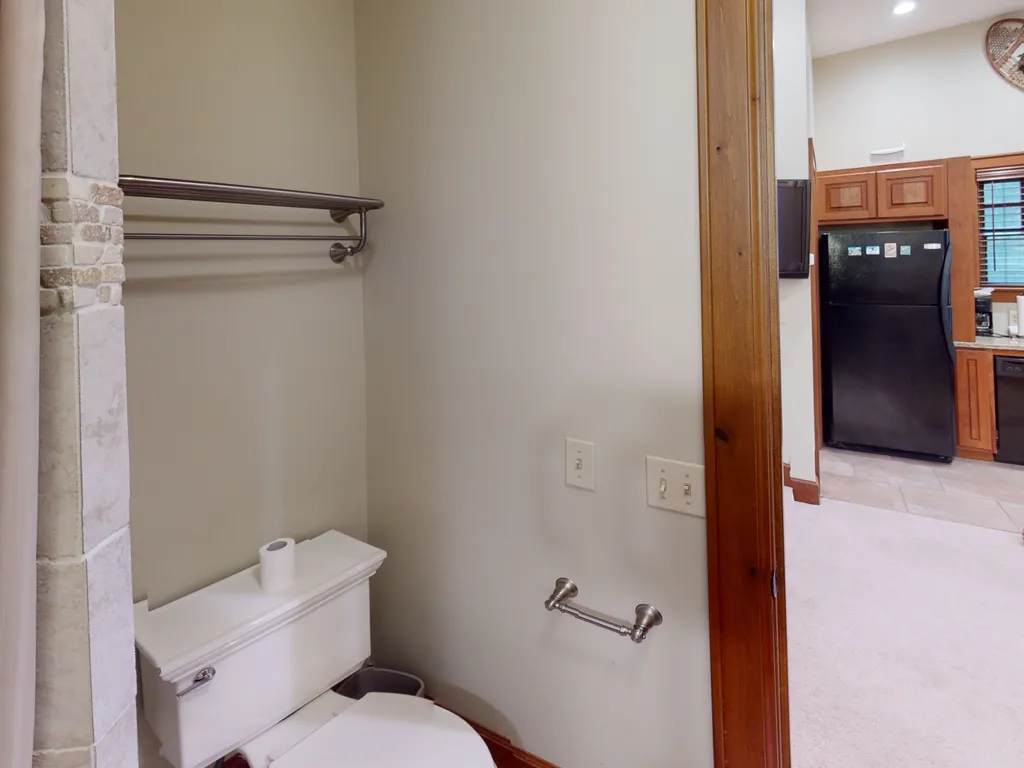
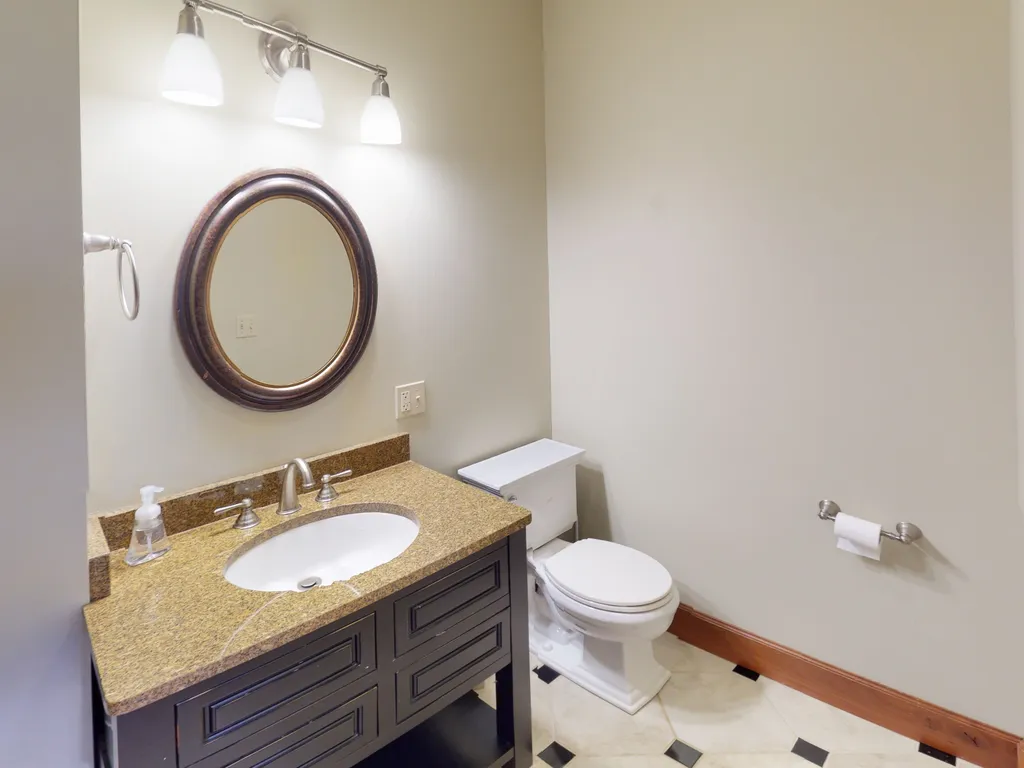
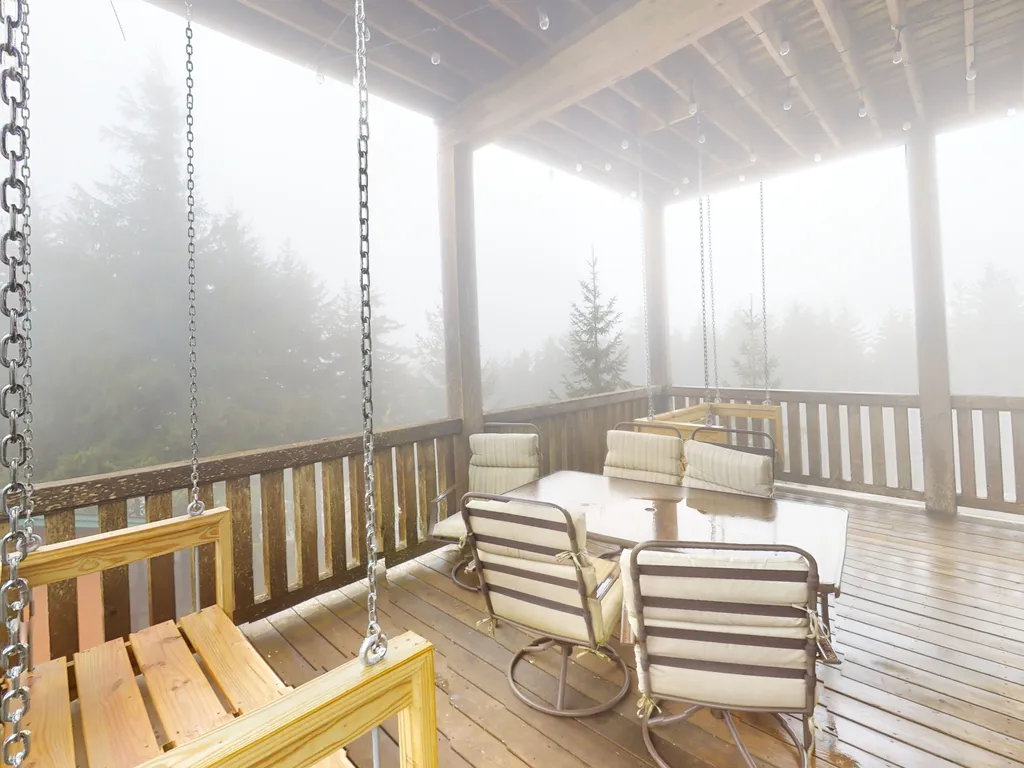
Shay's Landing #1- Six Bedroom Townhome
- Free Cancellation
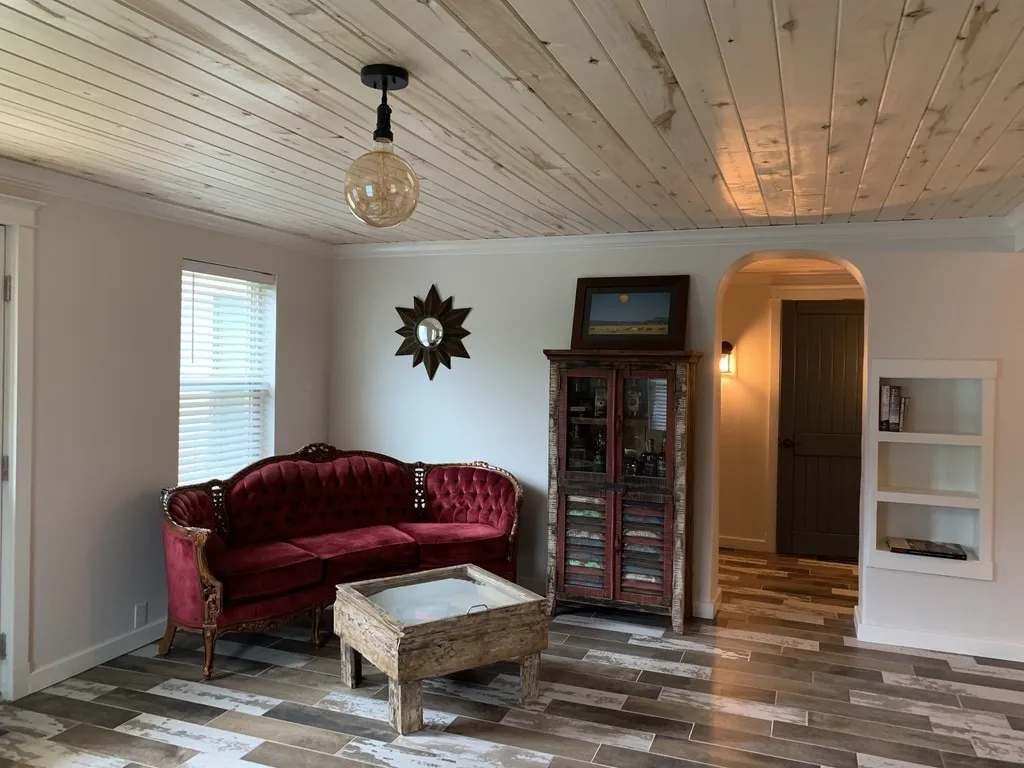 home87 mi1 / 31Photo 1 of 31