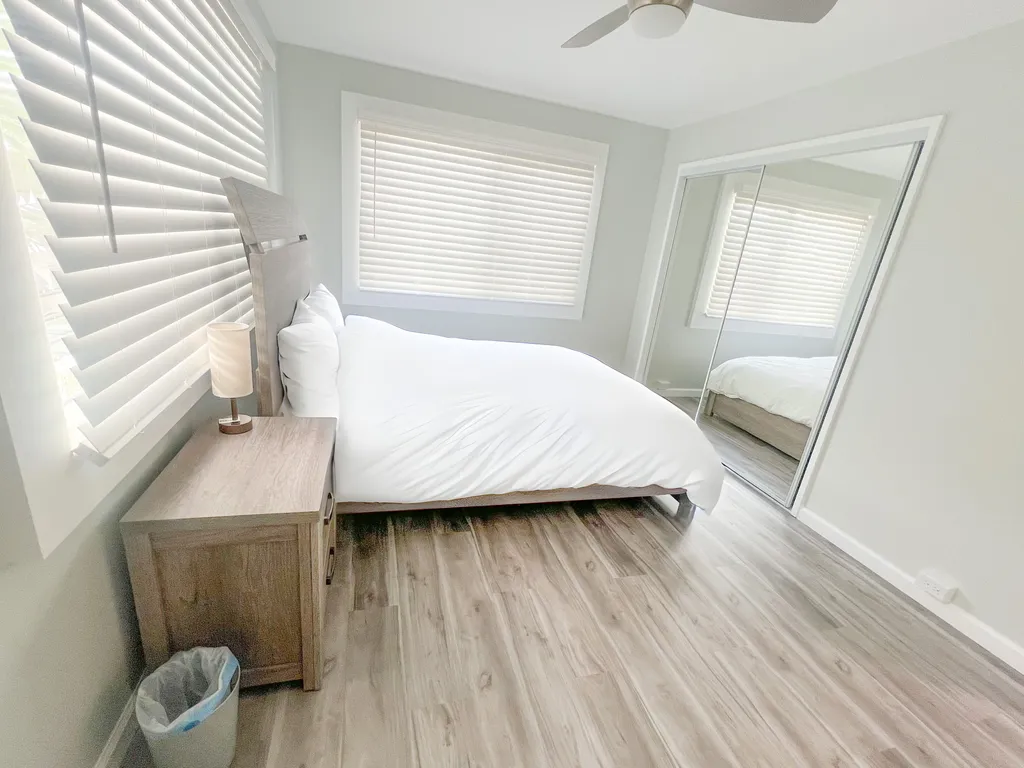
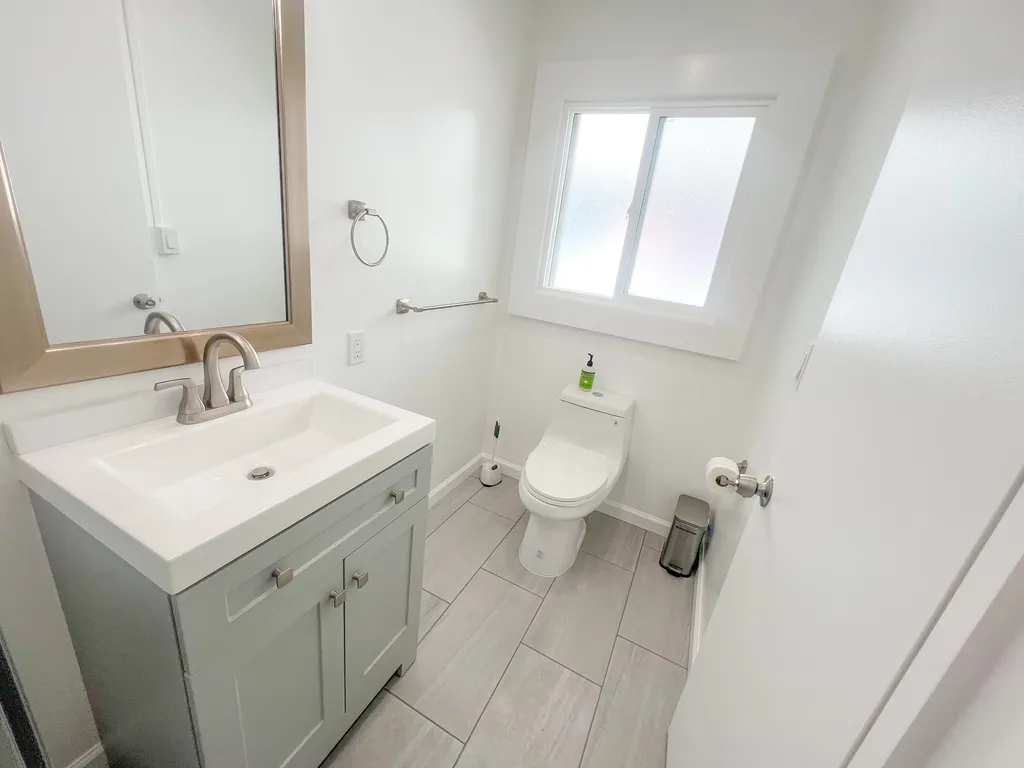
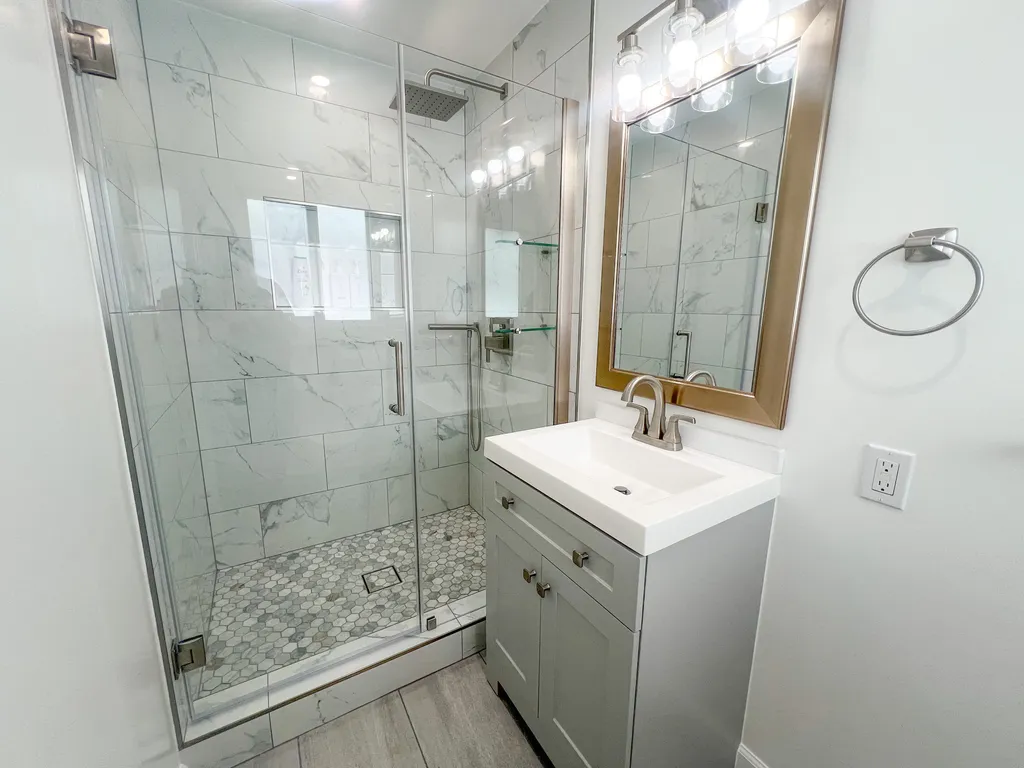
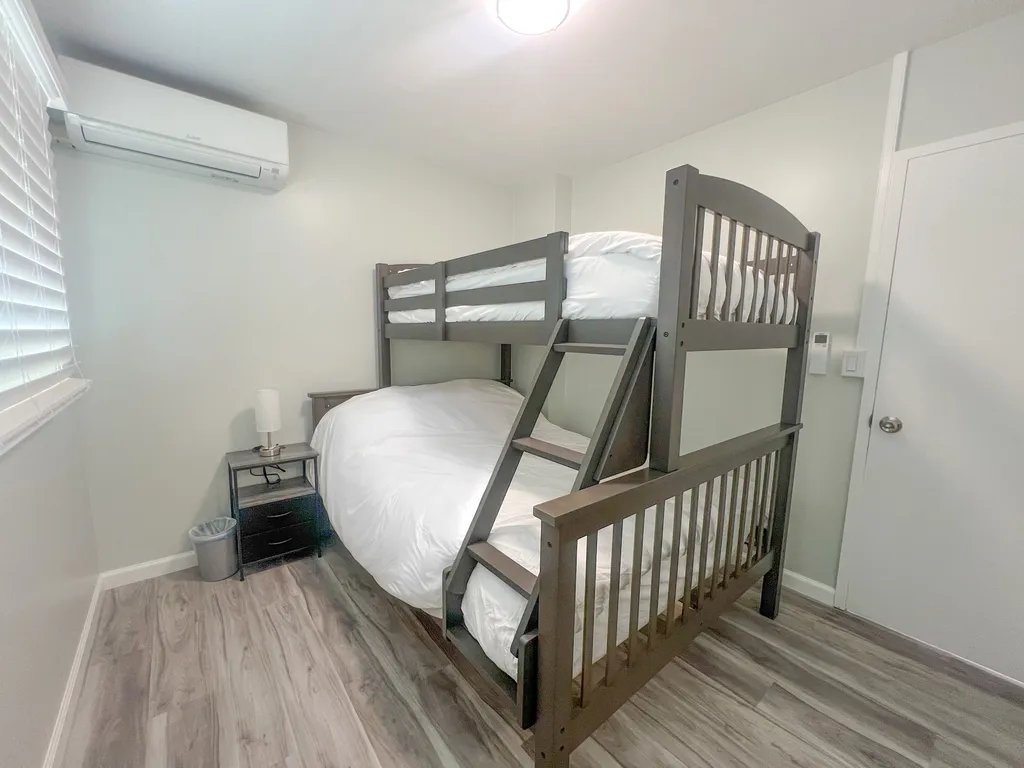
 condo0.2 mi1 / 39Photo 1 of 39
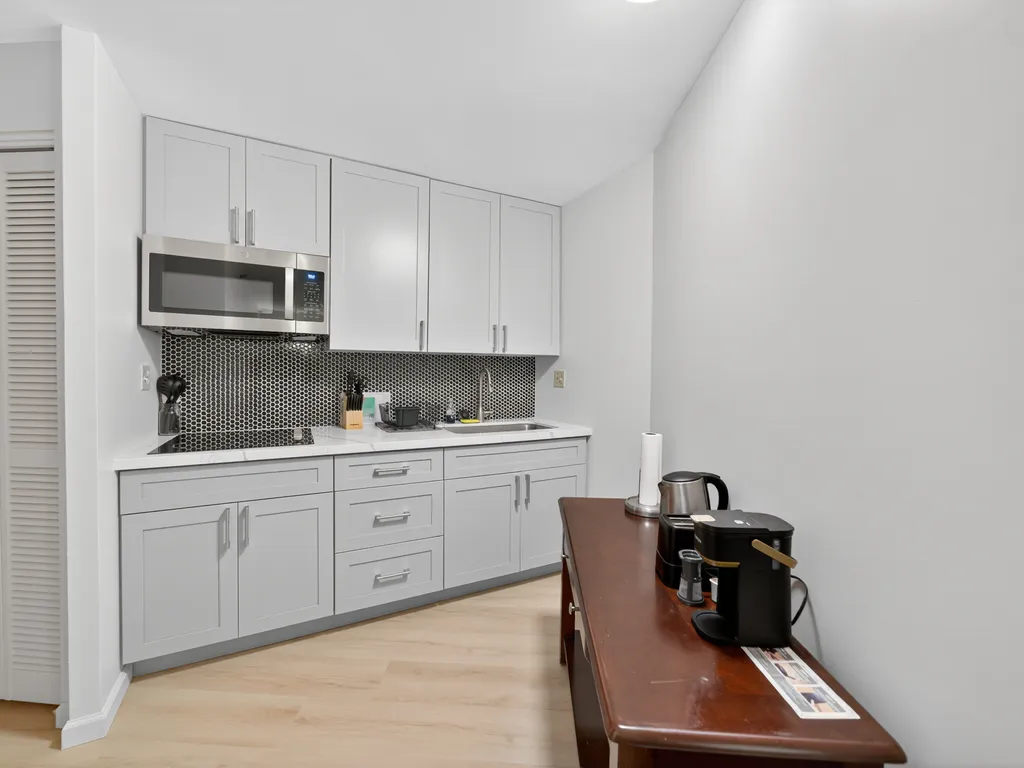
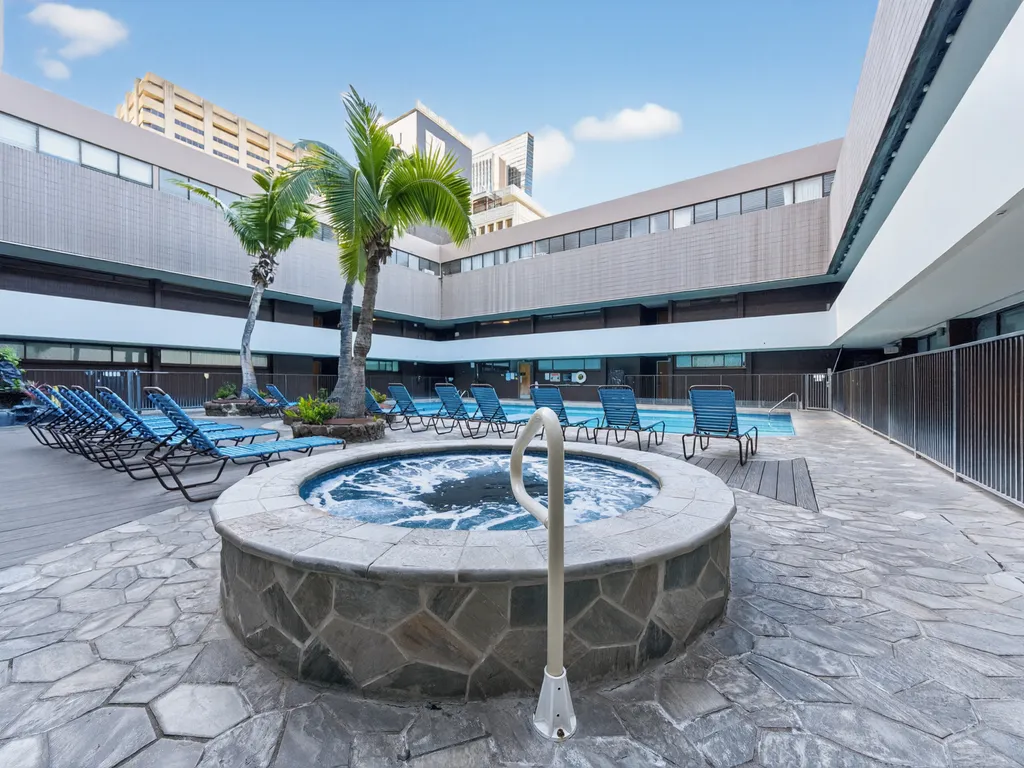
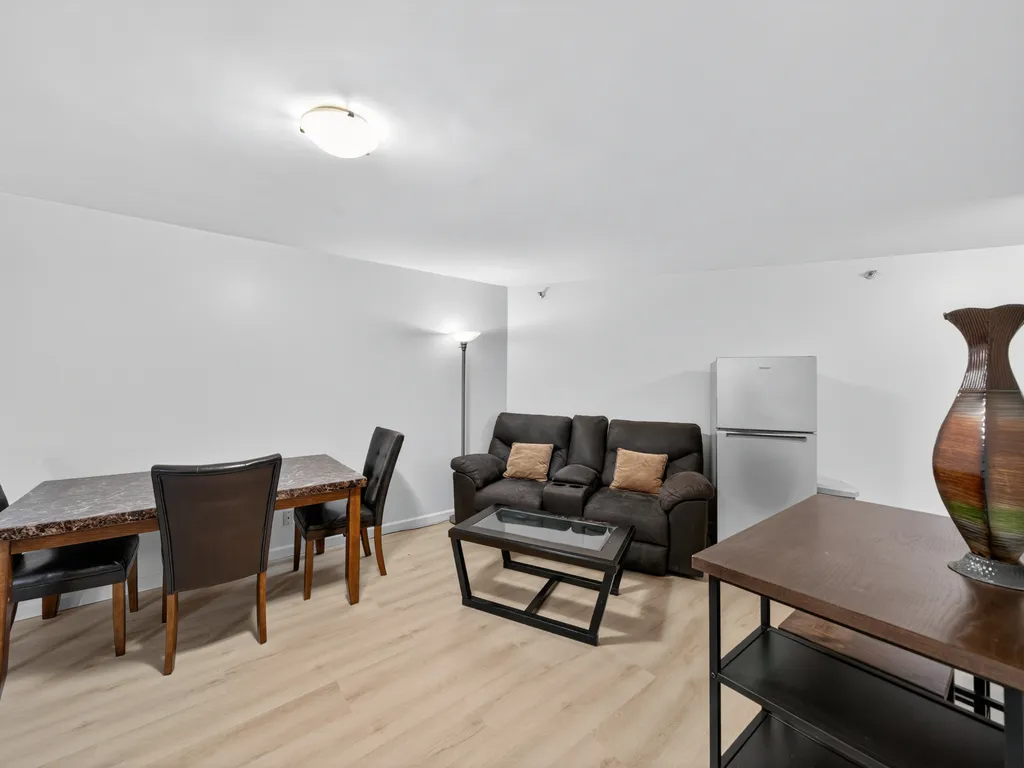
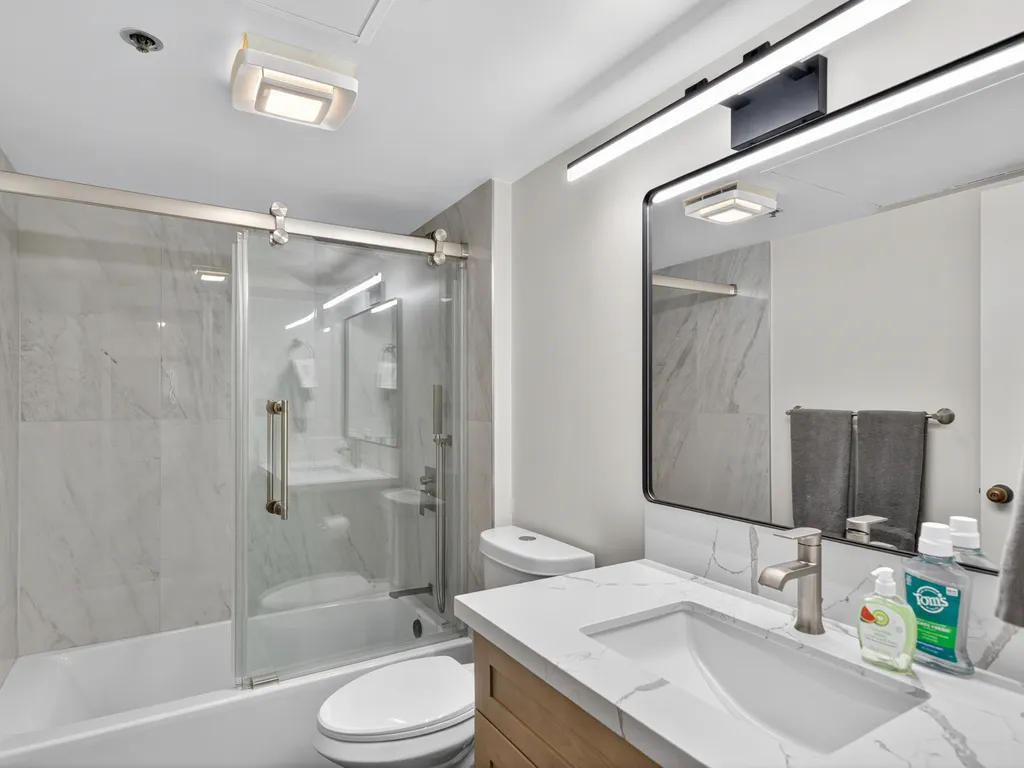
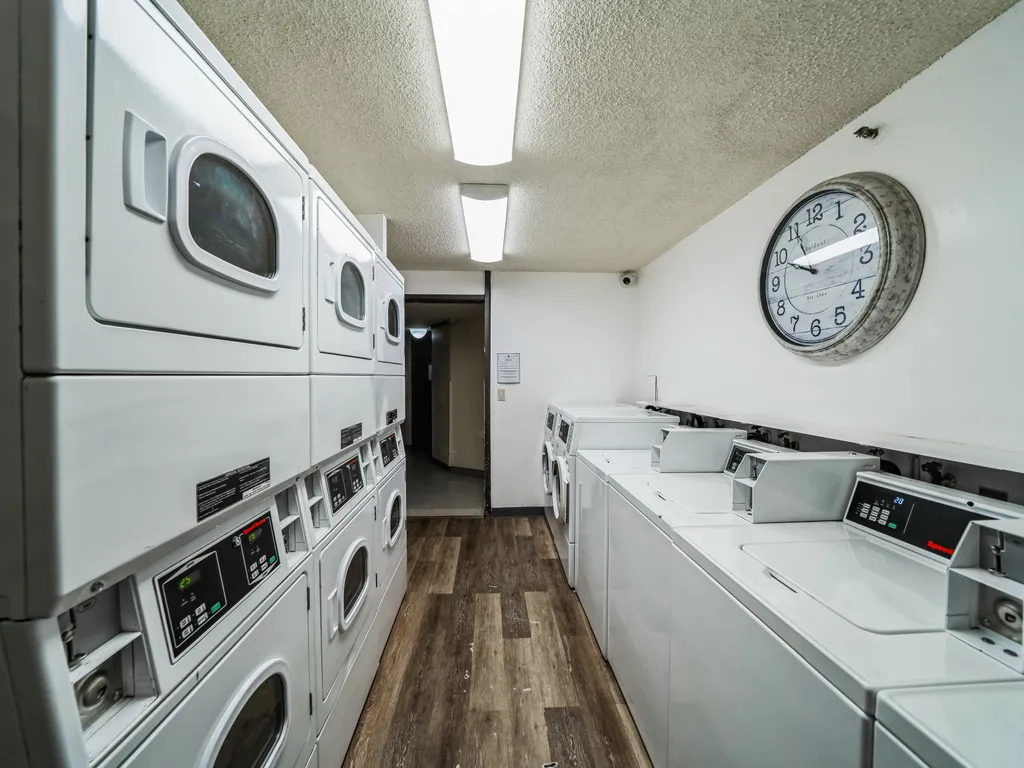
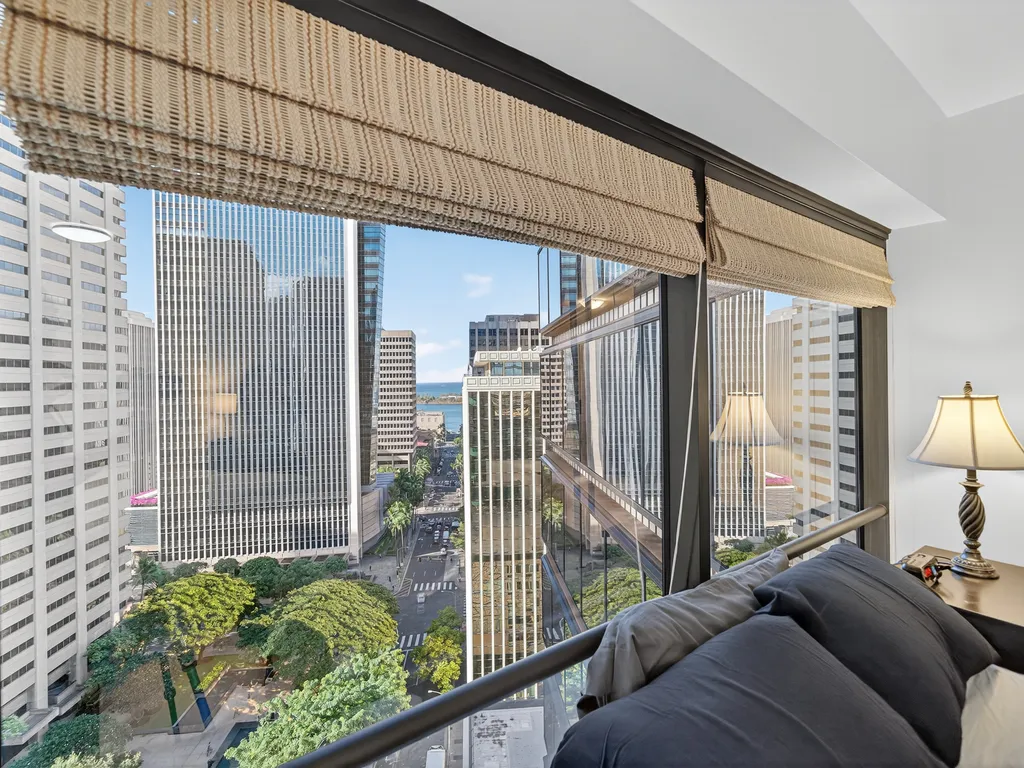

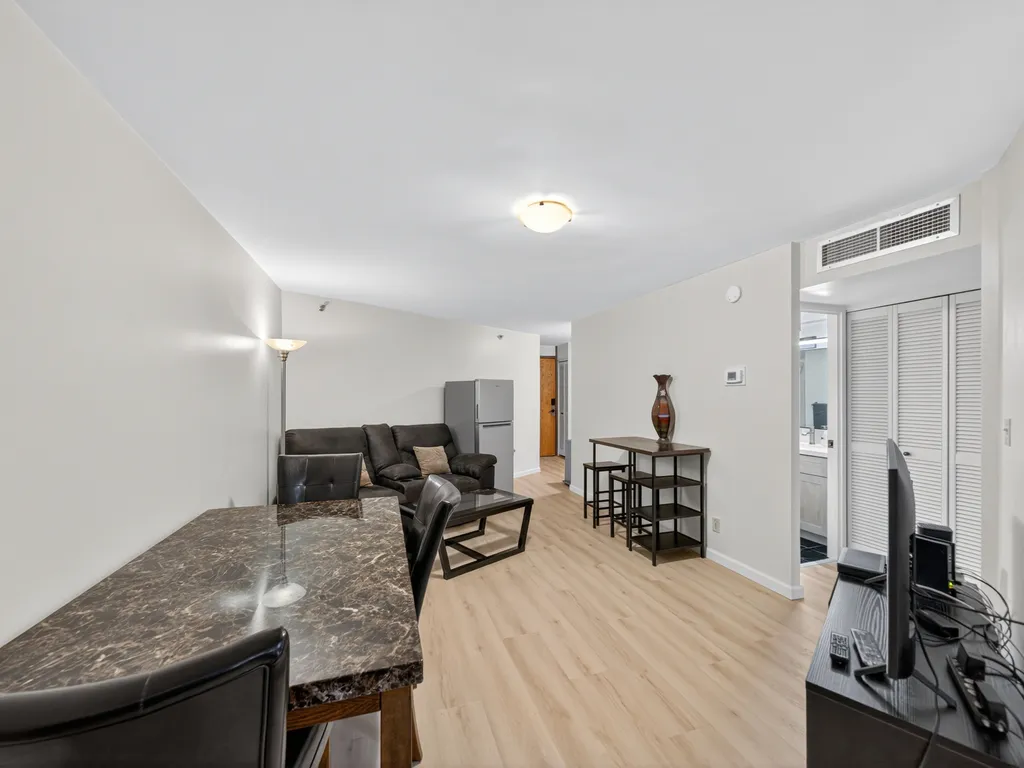
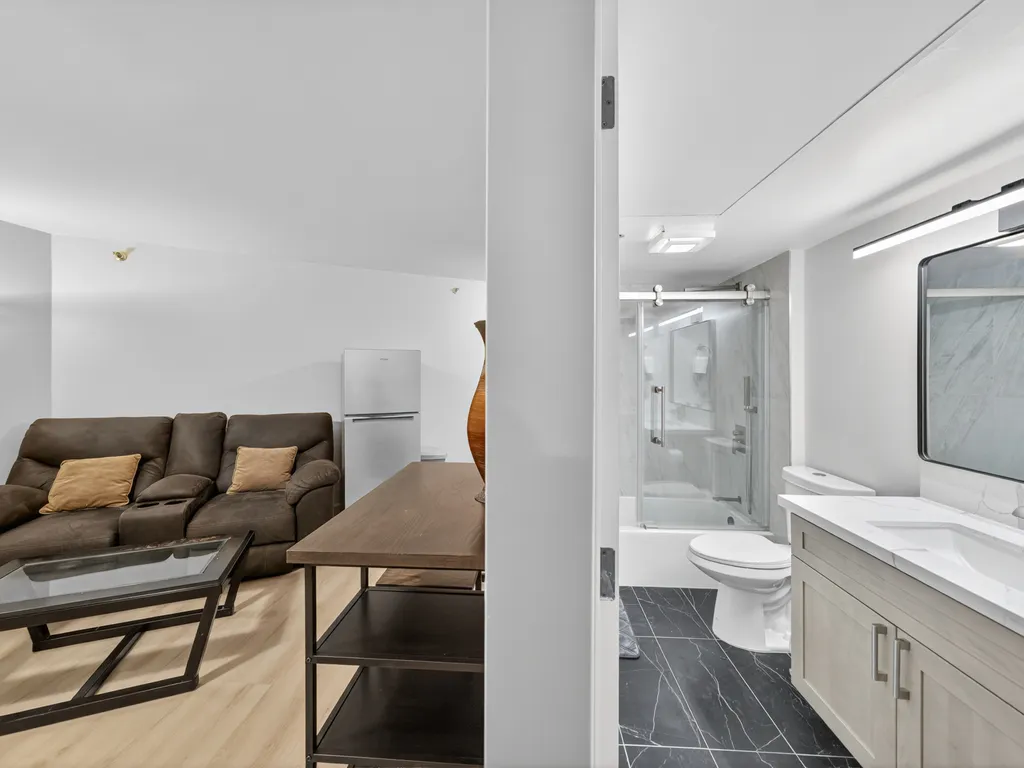
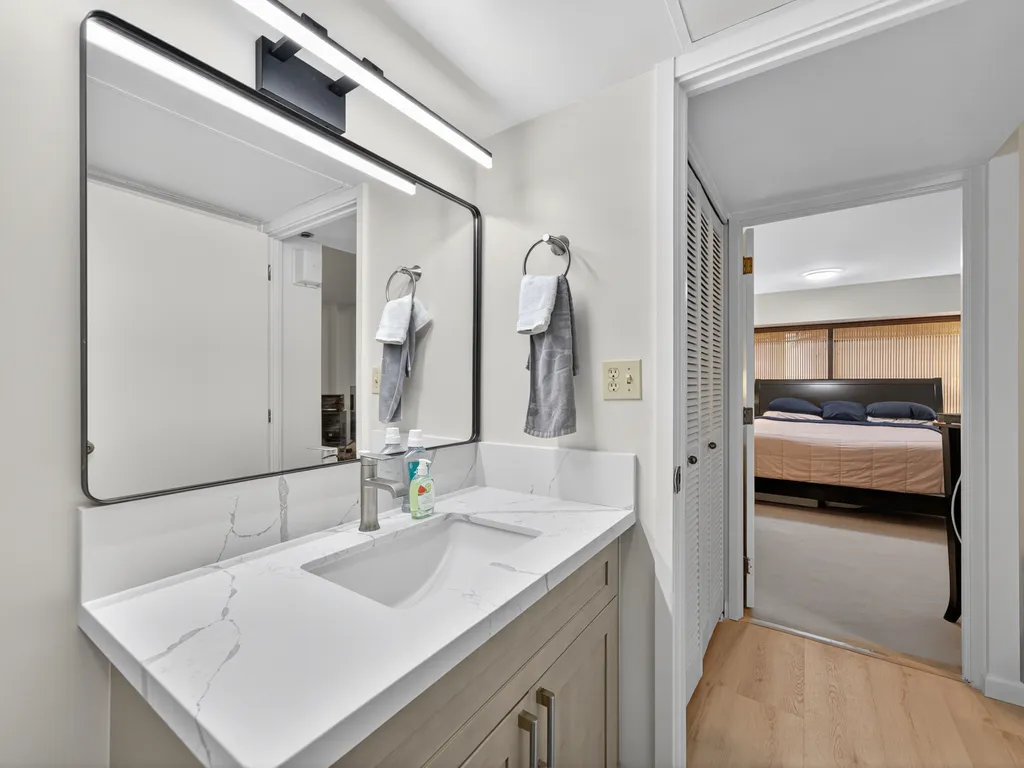

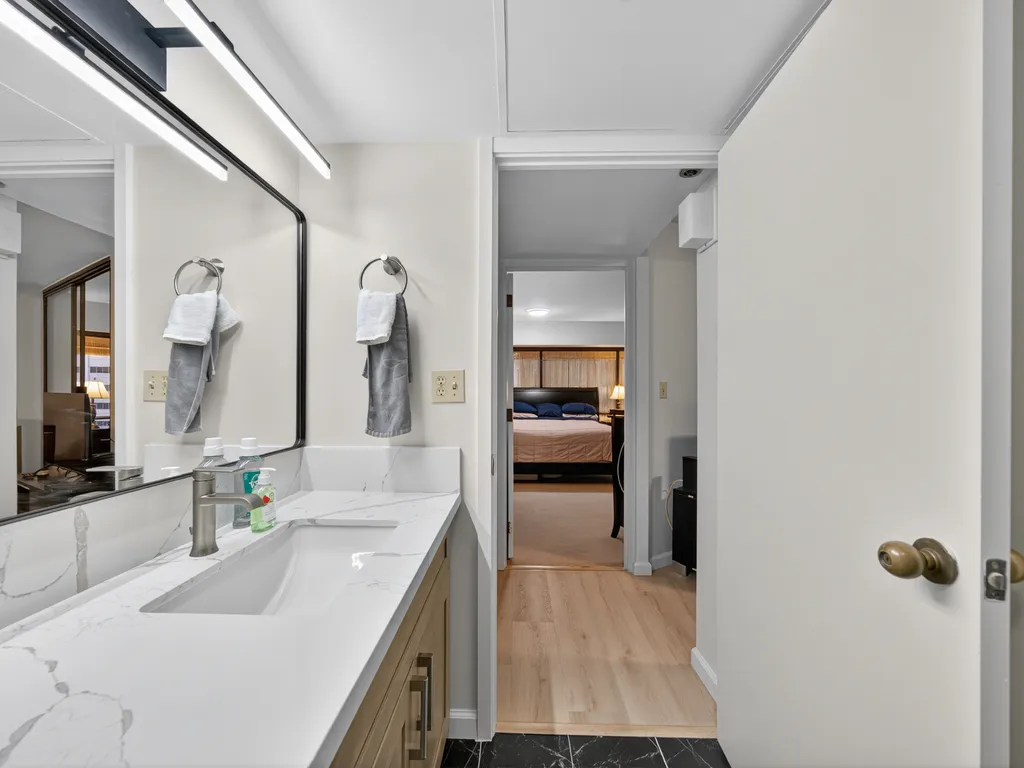
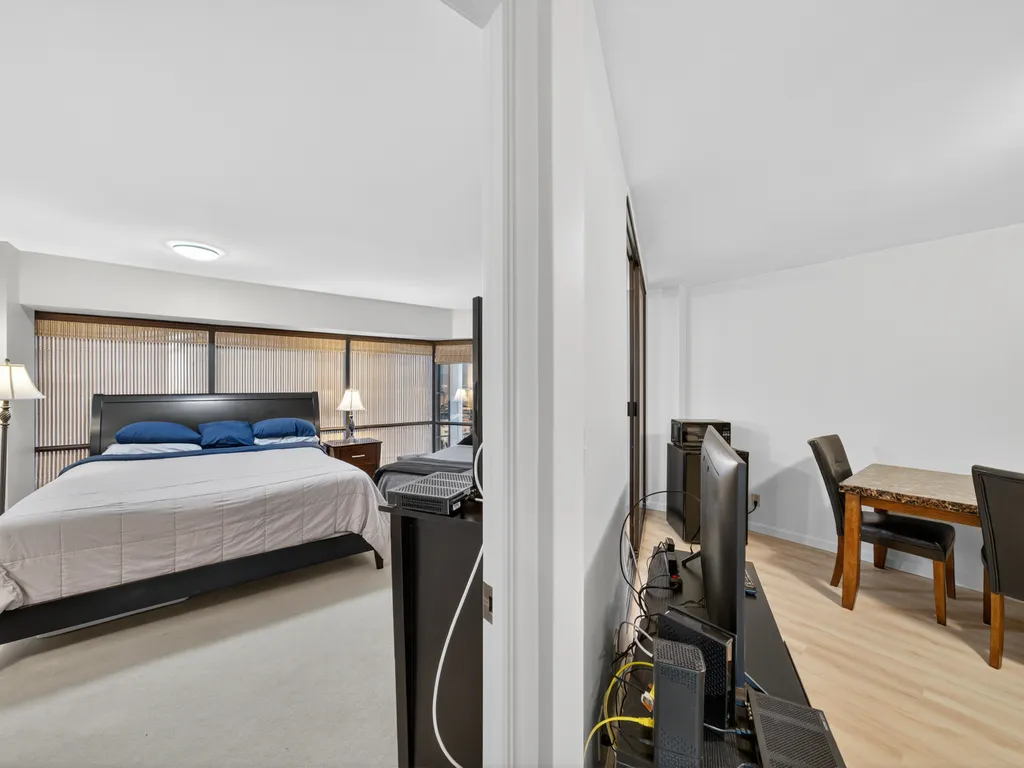

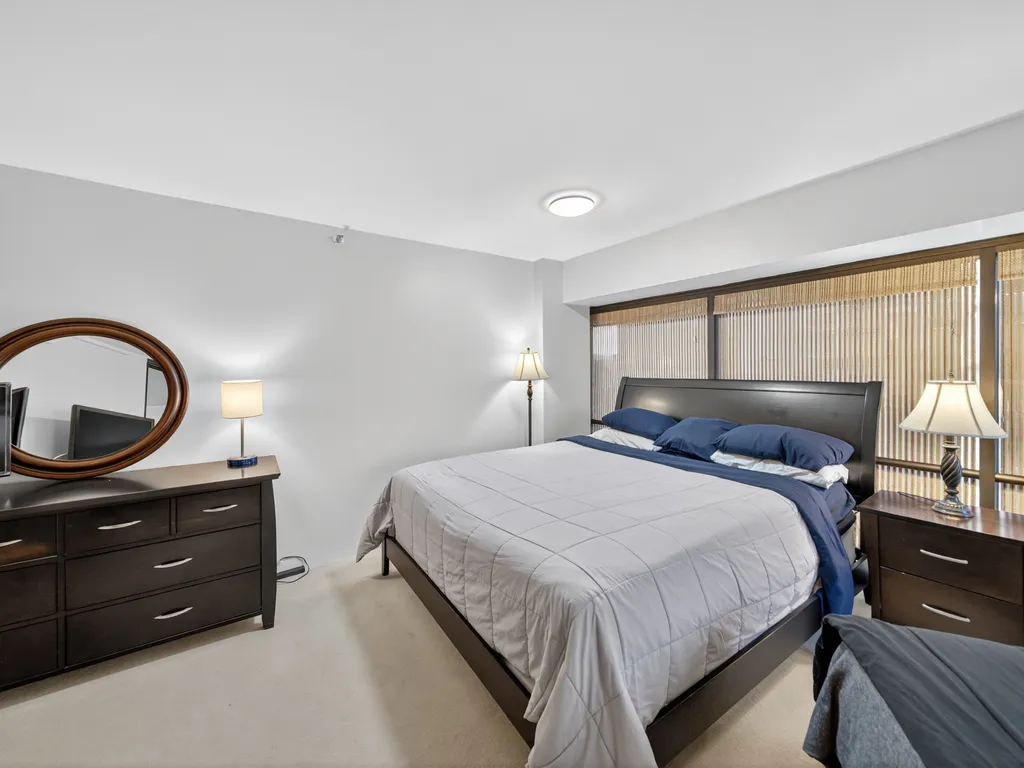
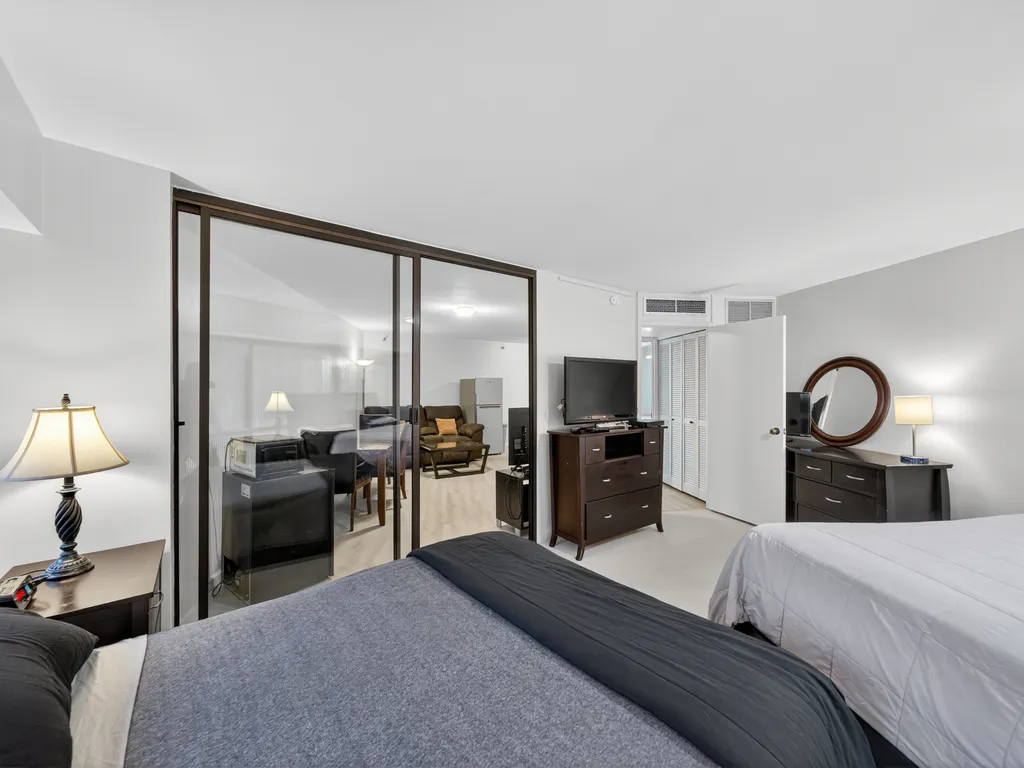

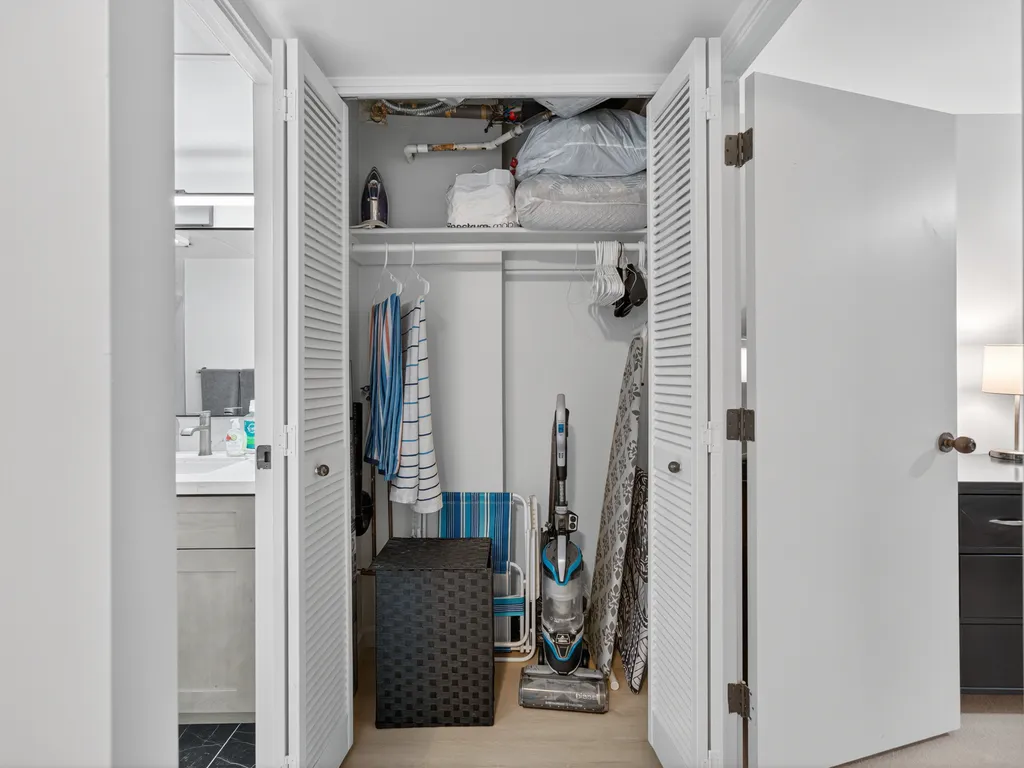
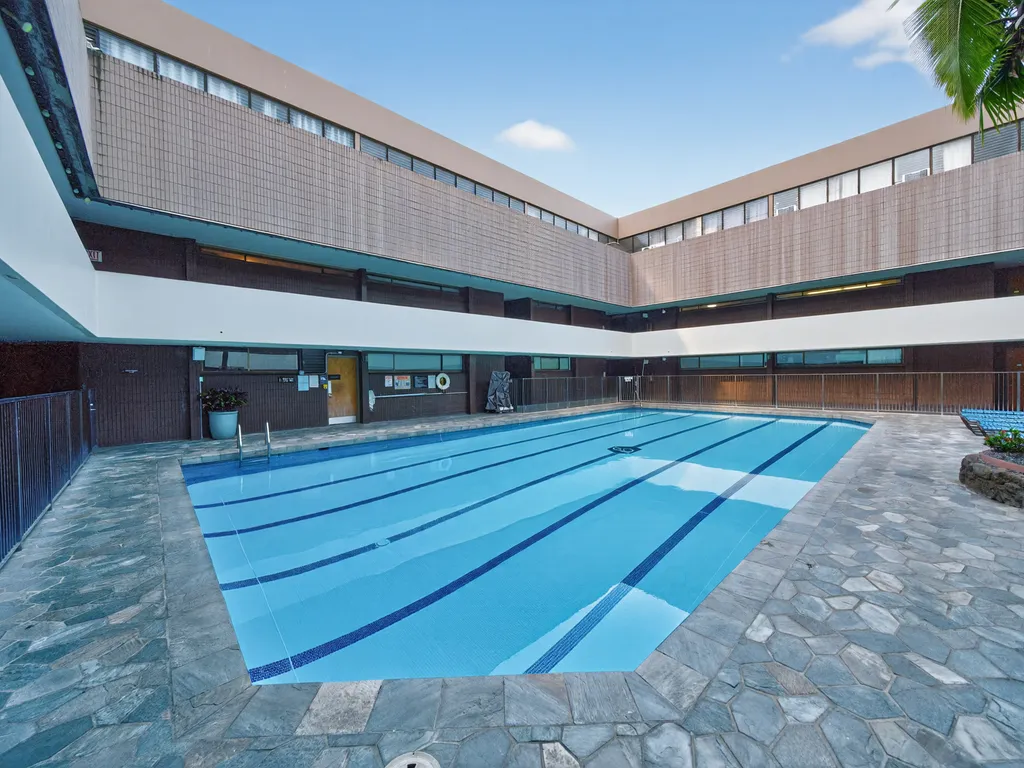

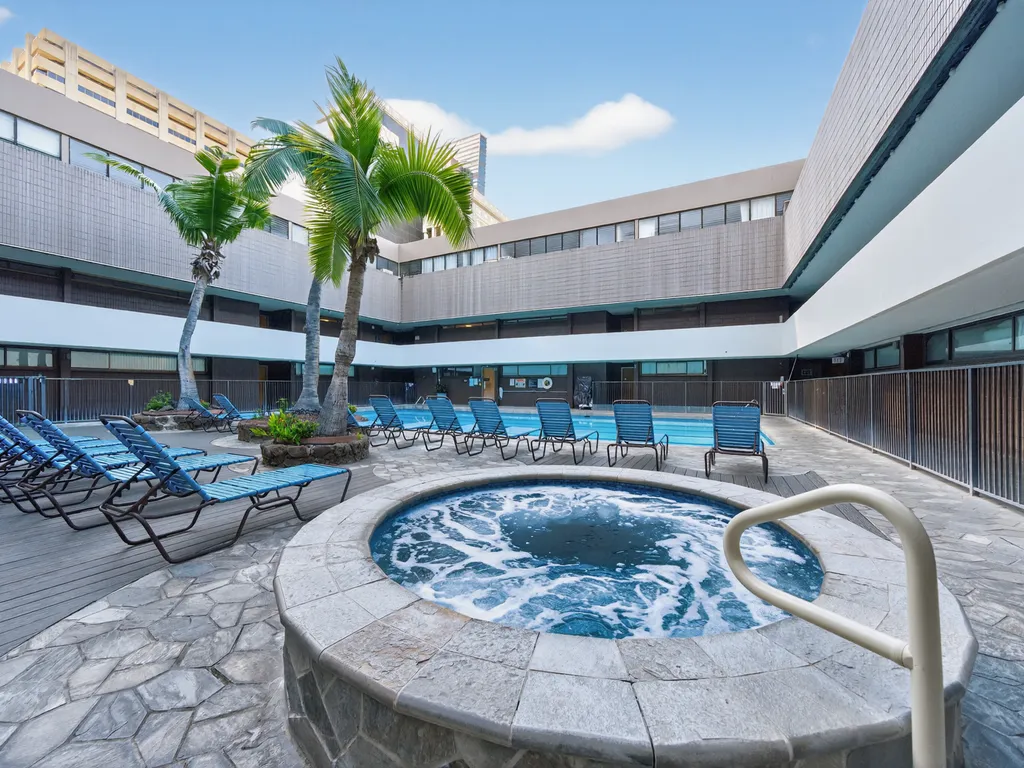
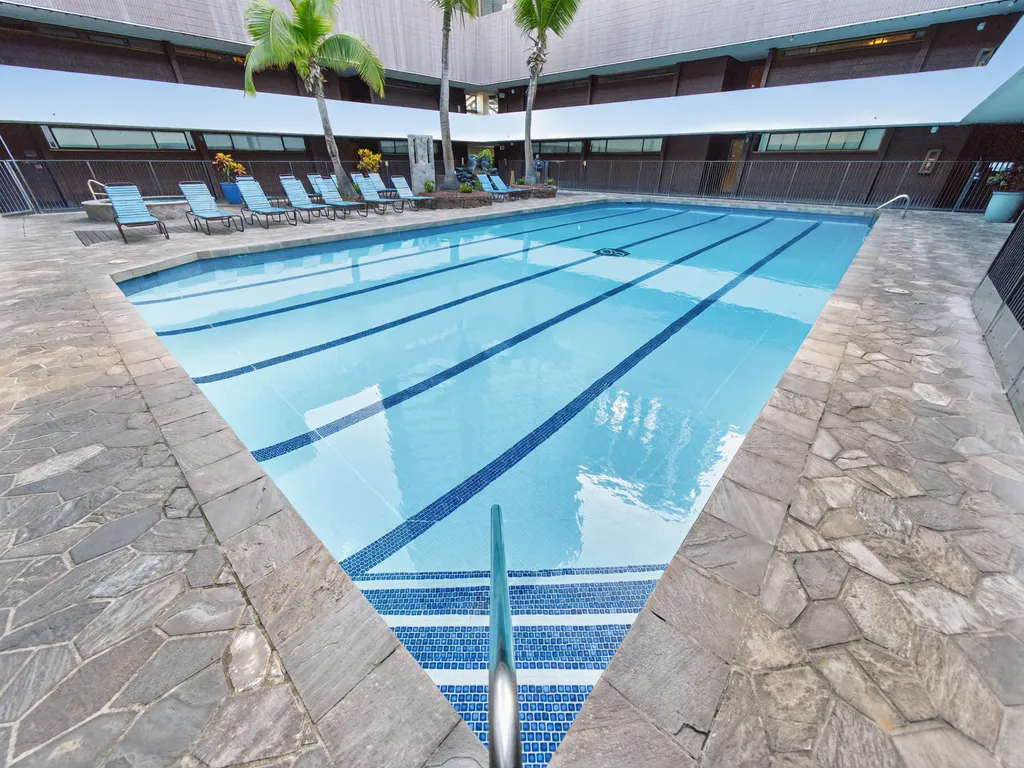

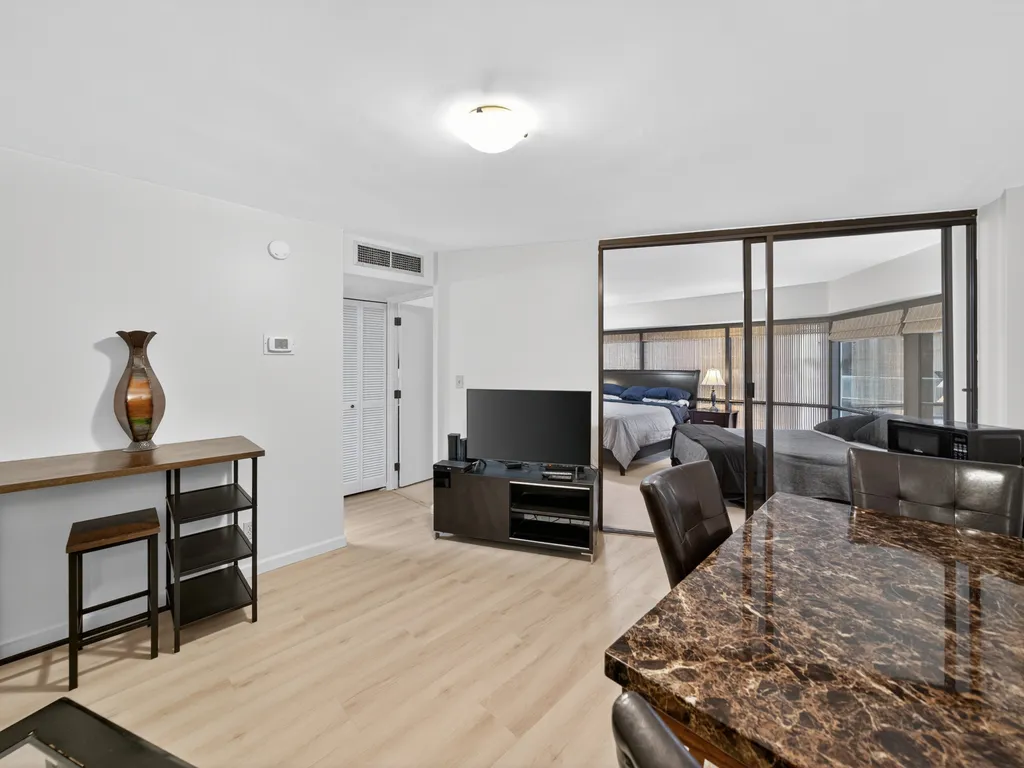
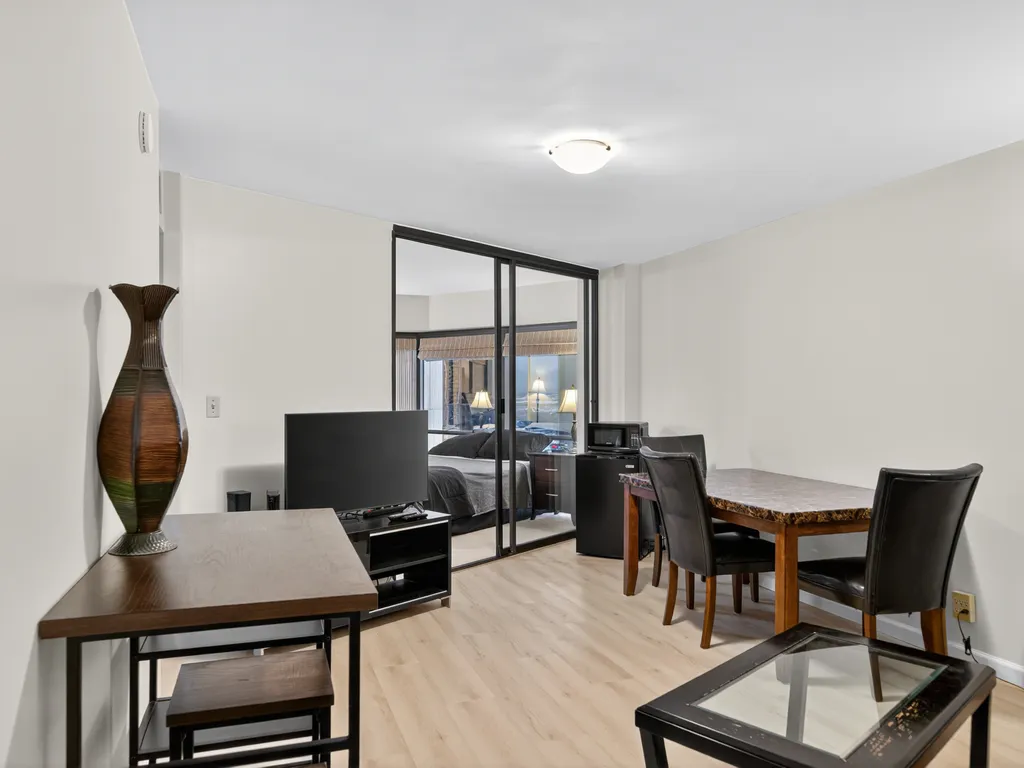
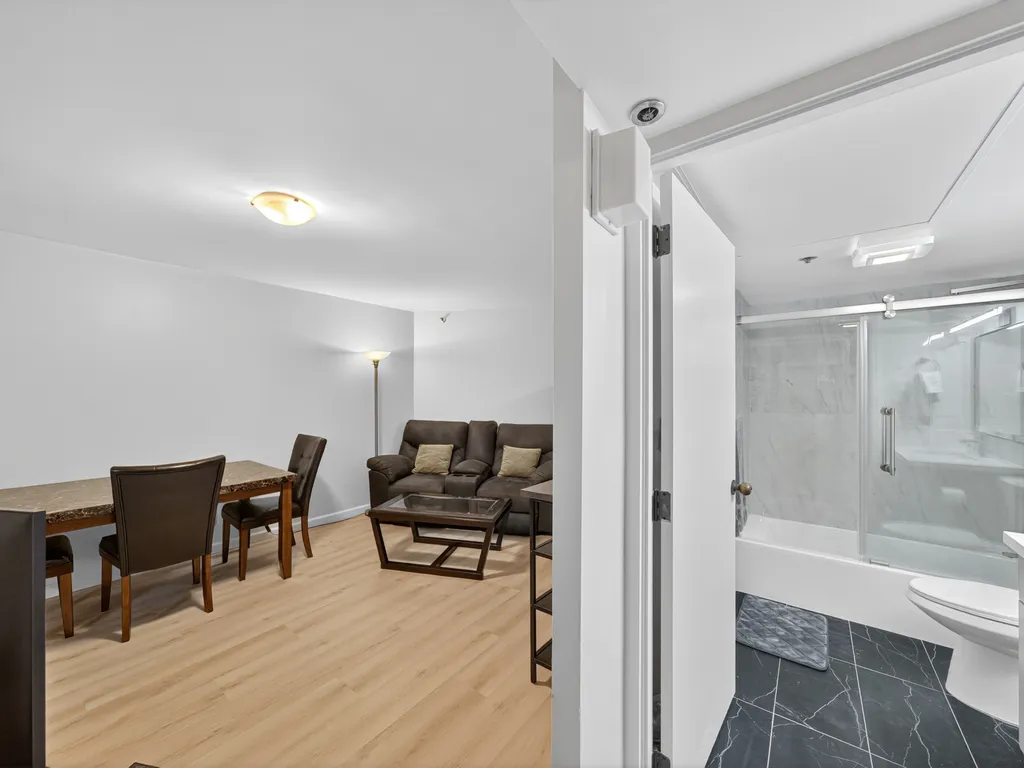
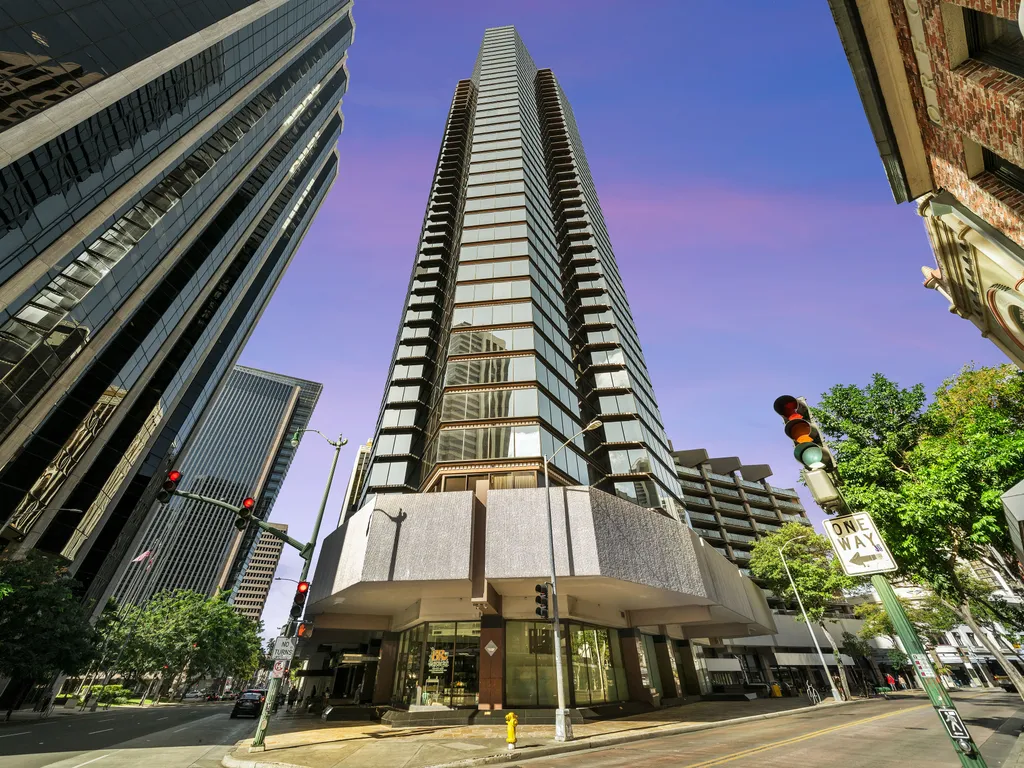
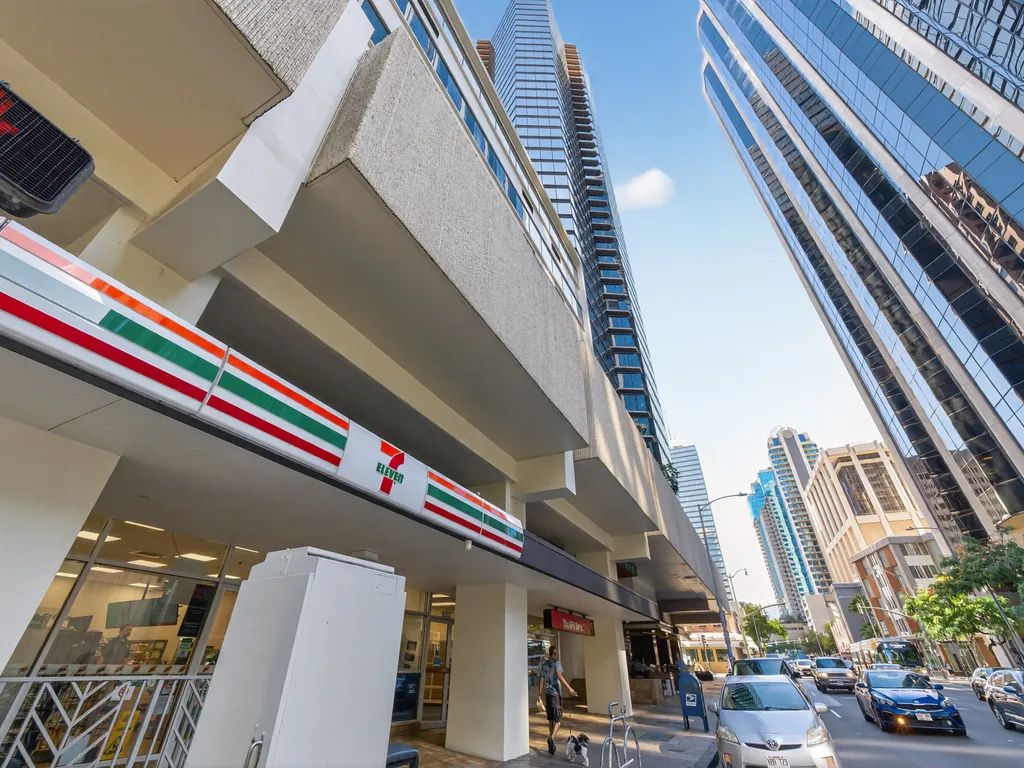


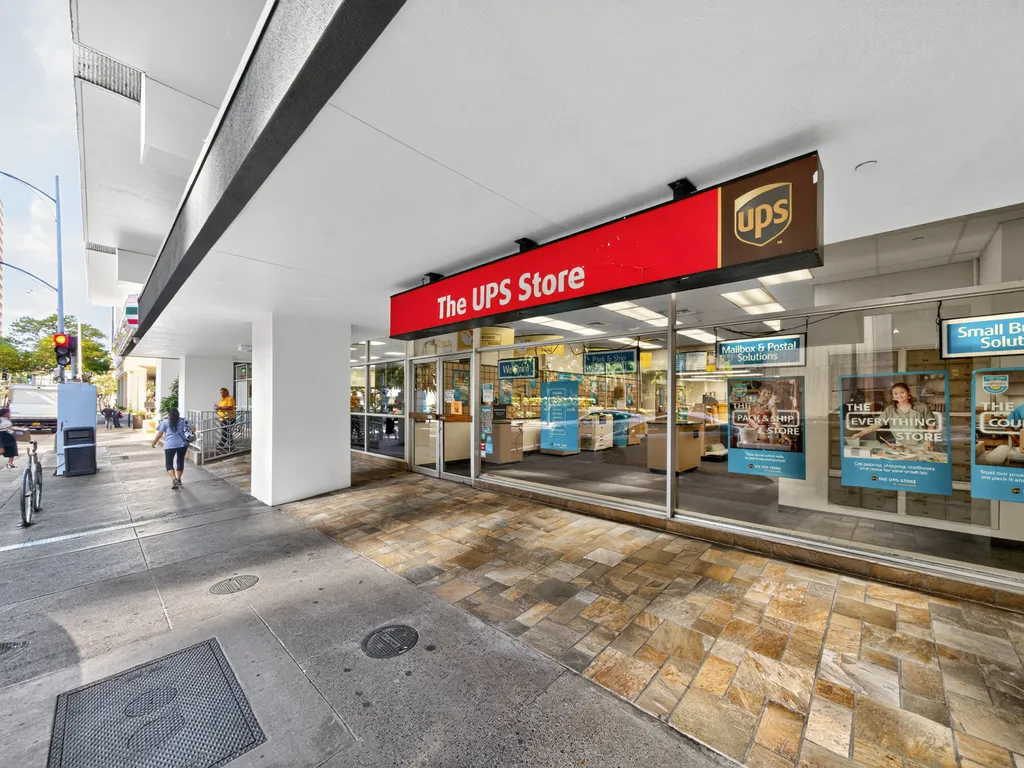

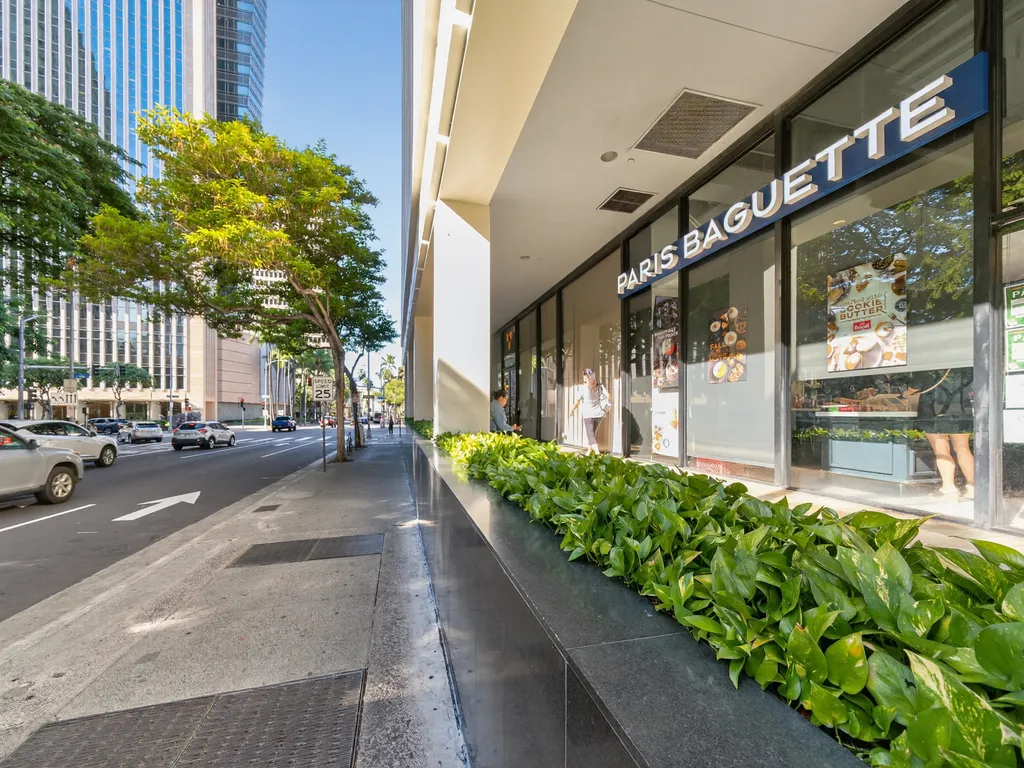
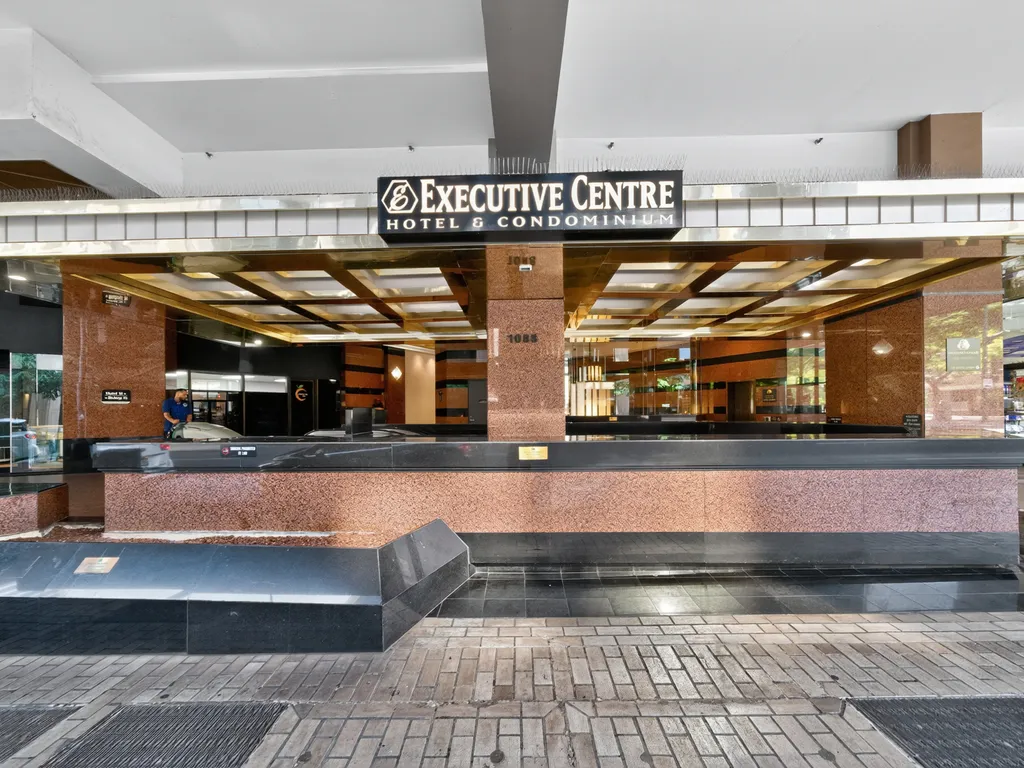

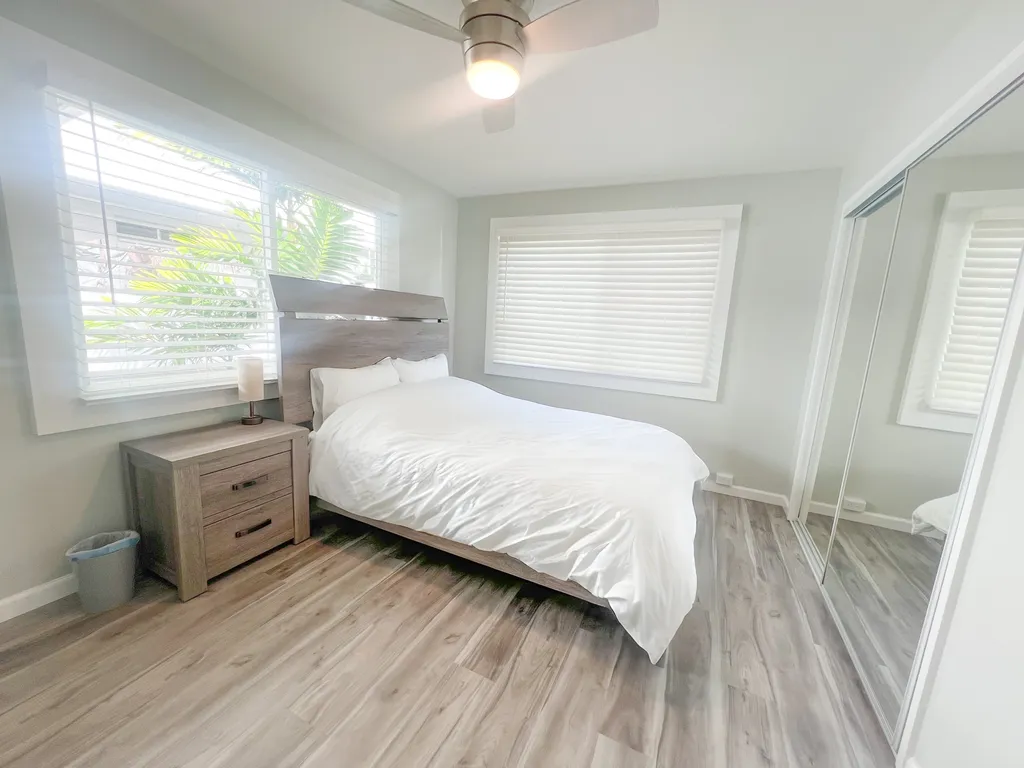
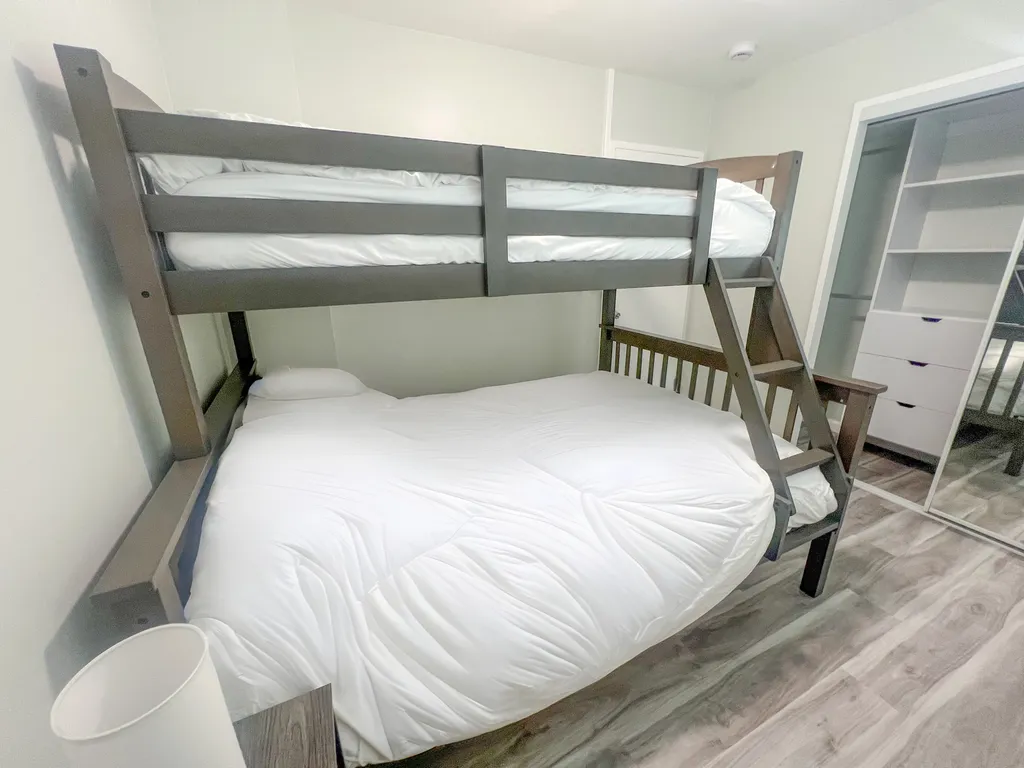
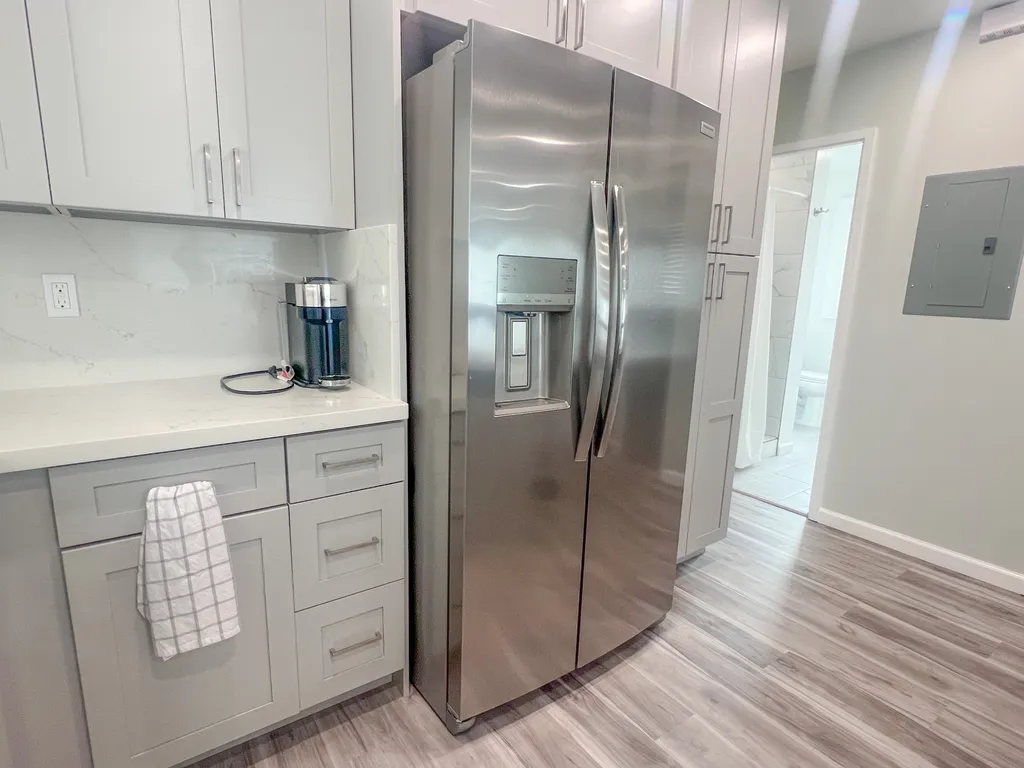
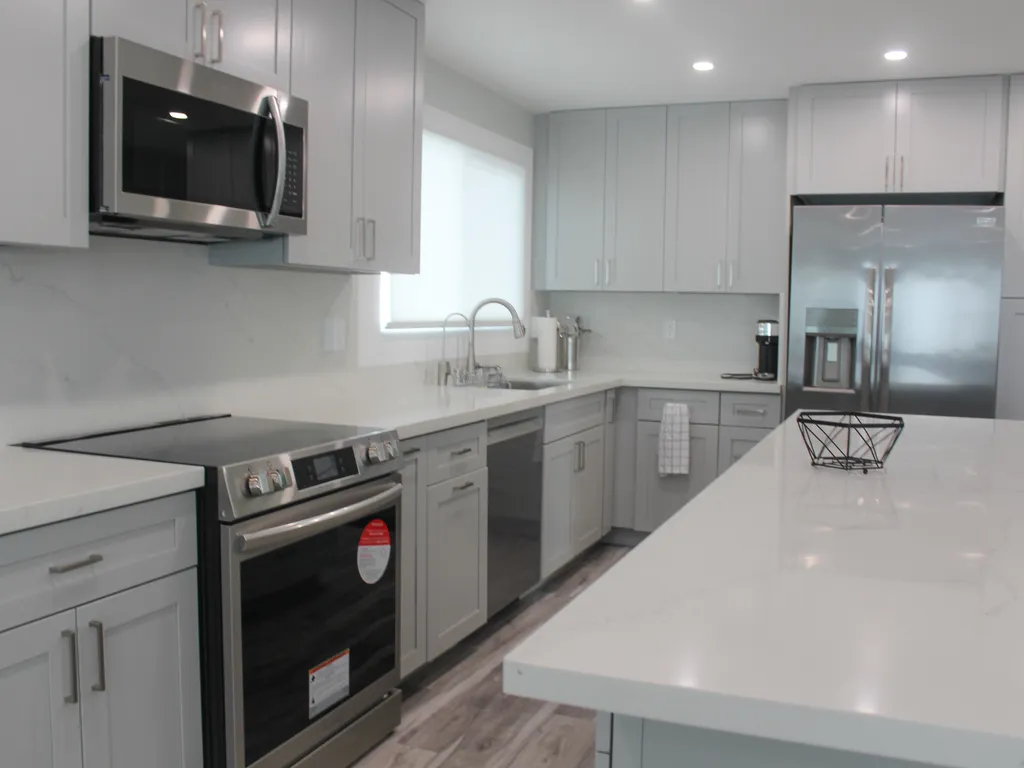
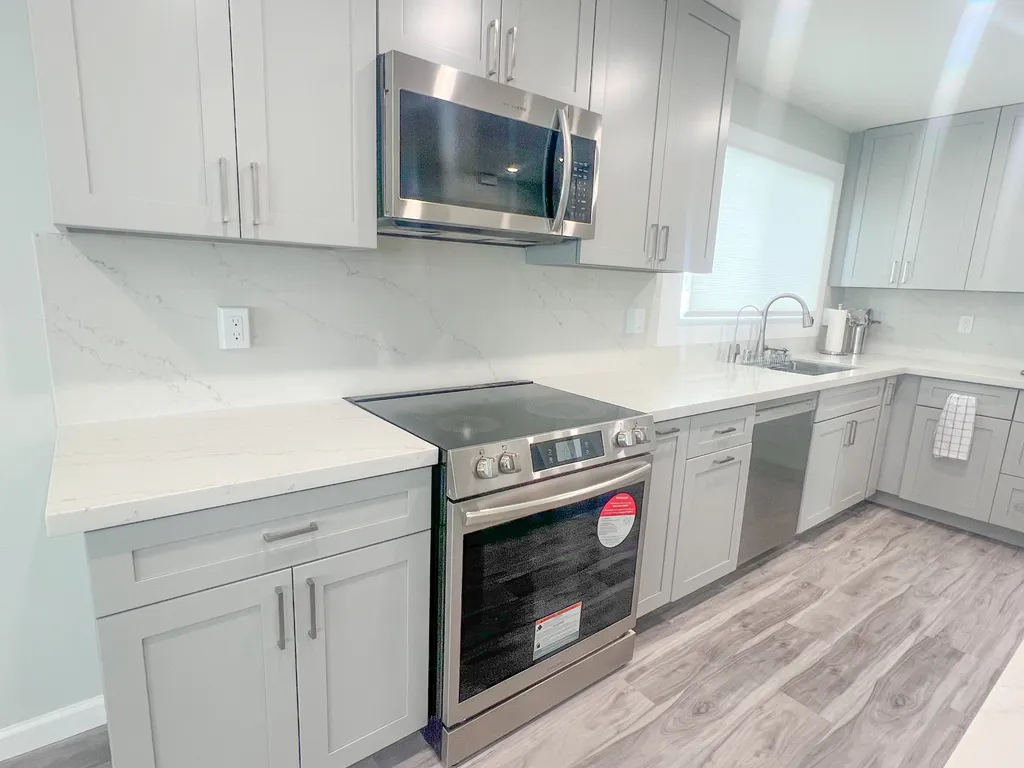
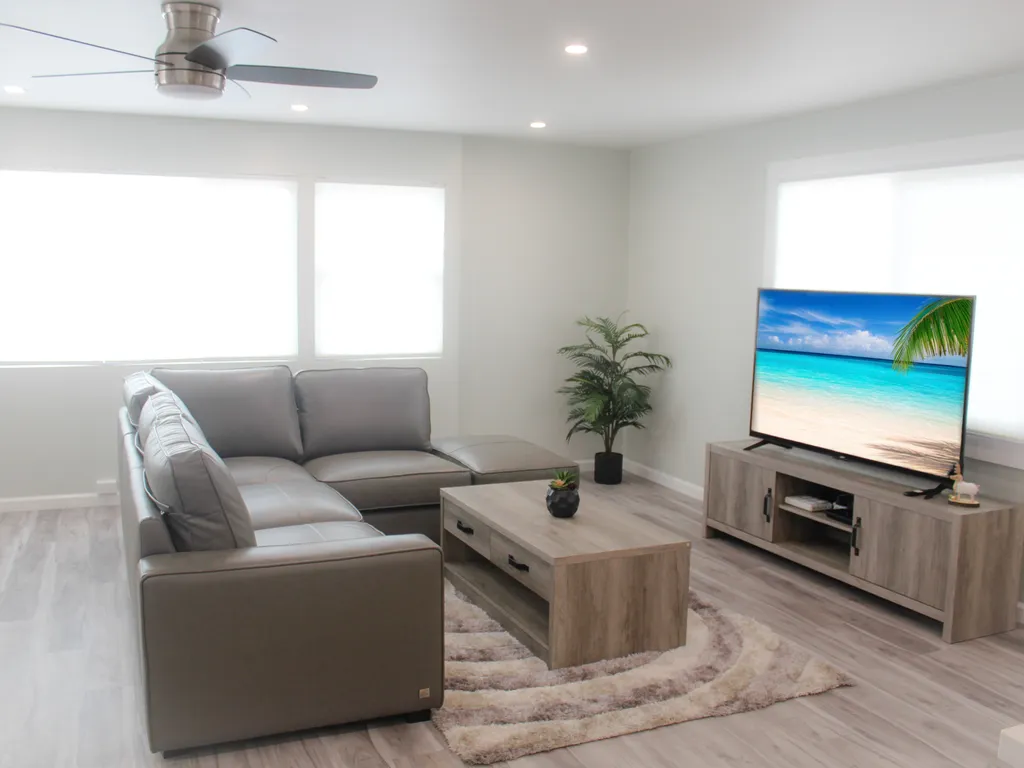
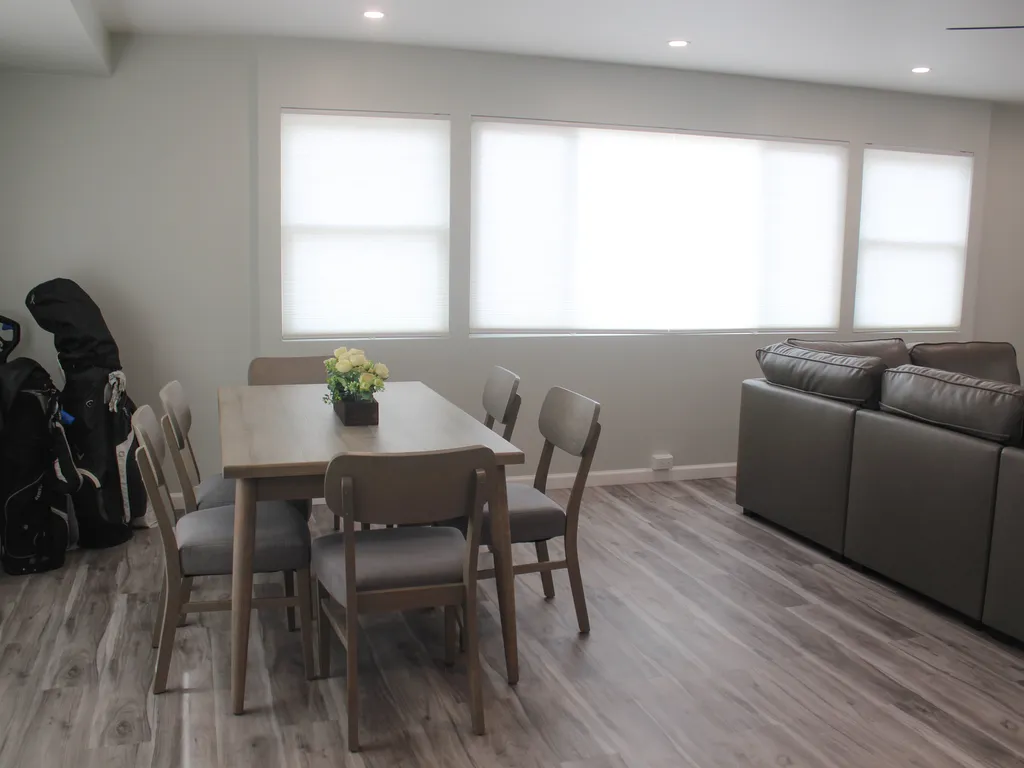
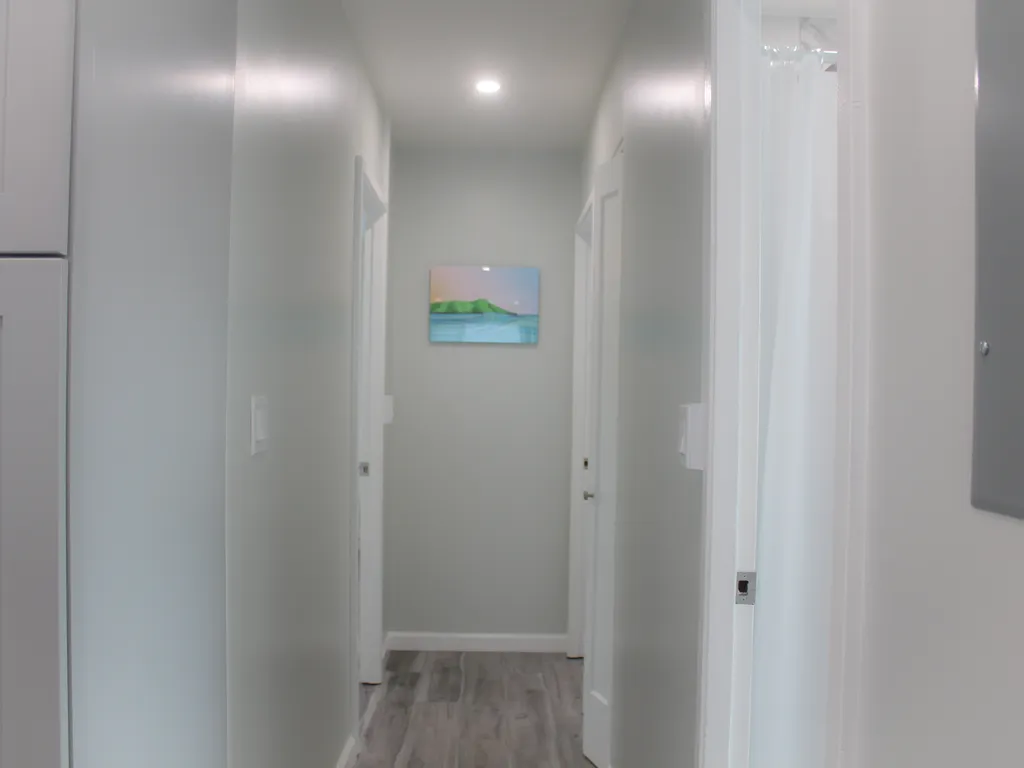
Chic DT Honolulu Executive Condo
- Free Cancellation

ʻIolani Palace was the official residence of Hawaii's last two reigning monarchs — King Kalākaua, who completed it in 1882, and Queen Liliʻuokalani, deposed inside it in 1893. The American Florentine palace had electricity and indoor plumbing four years before the White House did, and is the only royal residence in the United States used by a sovereign monarch.
ʻIolani Palace was completed in 1882 under King David Kalākaua and replaced an earlier 1845 Hale Aliʻi on the same downtown Honolulu block. The new four-story palace blended Italian Renaissance proportions with Hawaiian craftsmanship — koa-wood interiors, native flora etched into the staircase glass, and electric lights wired in 1887, four years before they reached the White House. The palace's first telephones were installed in 1881; the indoor flush toilets, in 1882.
The most consequential moments in Hawaiian history happened inside these walls. King Kalākaua's coronation banquet was held in the Throne Room in 1883. His sister, Queen Liliʻuokalani, was overthrown in a US-backed coup on January 17, 1893 — and was later imprisoned for eight months in the second-floor room now called the Imprisonment Room, where she sewed the Queen's Quilt that hangs there today. The palace served as Hawaii's territorial and state capitol until 1969, when the building you'll tour was finally restored to its 1880s royal-residence configuration and opened to the public in 1978.
Plan 60–90 minutes for the tour itself, plus 15 minutes for the basement Hawaiian Regalia gallery (free, no ticket). The palace closes Sunday and Monday; tickets are online-only, no walk-ups. Guests are asked to wear shoe coverings on the original koa floors. Free metered street parking on Punchbowl and King Streets, or paid lots at the State Capitol next door.
A short loop through the exhibits, encounters, and shows that make this stop worth a half-day on its own.
Kalākaua's 1883 coronation room, restored to its original silk damask, gilded standing mirrors, and twin koa thrones. The same room where Queen Liliʻuokalani was tried in 1895 — the makeshift dock added for her trial is gone, but the floor staining where it stood is still visible at the right angle.
A free-standing koa-wood staircase carved from a single tree, fitted into the central hall in 1882. Look for the etched-glass panels above the landing — Liliʻuokalani's monogram intertwined with Hawaiian kalo (taro) leaves. One of the largest koa pieces ever assembled.
After the 1895 attempted royalist counter-coup, Queen Liliʻuokalani was confined to this second-floor room for eight months. The Queen's Quilt she stitched during her detention — embroidered with the names of every supporter who visited — hangs above the four-poster bed.
Free basement gallery (no ticket required) housing the surviving crown jewels: King Kalākaua's coronation crown, Queen Kapiʻolani's diamond-and-pearl crown, koa-and-feather royal capes, and the original 1898 lowering-of-the-flag photo from the moment Hawaii ceased to be a kingdom.
The Royal Hawaiian Band — founded by King Kamehameha III in 1836, the only full-time municipal band in the United States — plays free concerts on the palace lawn most Fridays at noon, weather permitting. Bring a blanket; it's the same patch of grass where the kingdom flag was lowered in 1898.
The 1871 coral-block barracks of the Royal Guard, originally built mauka (toward the mountains) of the palace and moved stone-by-stone to its current location in 1965. Now the palace's tour entrance and gift shop, with original Royal Guard uniforms and weaponry on display.
The octagonal stone-and-copper bandstand on the front lawn was built for Kalākaua's coronation in 1883, then moved several times around the grounds before settling at its current spot in 1919. Still used for State of Hawaii inaugurations and Hawaiian Music Hall of Fame ceremonies.
The palace was wired for electricity in 1887, four years before the White House. Telephone service arrived in 1881 — among the earliest in the world. The original switchboard is on display, along with the Edison incandescent fixtures that still hang in the Throne Room.
Closed Sundays and Mondays. Tours run Tuesday through Saturday with the last tour entry at 3:00 PM.
Note · Tickets sold online only — no walk-ups, no same-day bookings. Plan 60–90 minutes for either tour format.
Per-person admission. Buy in advance to skip the gate line.
Bathing suits and beachwear are not allowed; shoe coverings are provided at the door. No flash photography, video, or selfie sticks. Strollers must be checked at the entrance — palace strollers available on request. Free Galleries (basement Hawaiian Regalia gallery, Royal Hawaiian Band concerts on the lawn most Fridays at noon) require no ticket.
Book a tourcondo0.2 mi1 / 39Photo 1 of 39 apts1.9 mi1 / 28Photo 1 of 28
 condo1.9 mi1 / 20Photo 1 of 20
 condo1.9 mi1 / 19Photo 1 of 19
 condo1.9 mi1 / 35Photo 1 of 35
 condo1.9 mi1 / 19Photo 1 of 19
 condo1.9 mi1 / 21Photo 1 of 21
 condo1.9 mi1 / 21Photo 1 of 21
 condo2.0 mi1 / 25Photo 1 of 25
 condo2.0 mi1 / 20Photo 1 of 20
 condo2.0 mi1 / 28Photo 1 of 28
 condo2.0 mi1 / 31Photo 1 of 31