

Columbus, Ohio, is experiencing a robust growth in short-term rentals, with a record-breaking over 1,700 licensed properties in 2024, driven by its thriving economy, cultural attractions, and strong demand from events and tourism.
Want to see how much your property could earn?
Check out our Airbnb Revenue Calculator tool!


General Rental Data
Daily rates
Looking to invest in a vacation rental? Check out our ROI tool to calculate your future rental’s real profit potential!
Short-Term Rental Market in Columbus, Ohio (2026)
Granular market data for Columbus, Ohio remains limited as of 2026, as smaller and emerging short-term rental markets are not consistently captured by major data providers like AirDNA. However, broader Ohio trends suggest continued demand for vacation rentals, particularly in markets offering unique experiences, scenic appeal, or proximity to established tourist destinations.
Through 2025–2026, the Ohio short-term rental market has seen modest ADR growth of 3–5% industry-wide, partially offset by occupancy compression as supply has continued to expand. Operators in markets like Columbus should evaluate hyperlocal factors — seasonality, regulatory environment, and competing accommodation supply — before making investment decisions.
Market estimates as of 2026. Conditions vary; consult local operators for current data.
Short-Term Rental Regulations in Columbus, Ohio for 2026
Licensing and Permit Requirements
- Short-Term Rental Permit: Required for all short-term stays (fewer than 30 nights at a time). The permit must be renewed annually.
- Application Process: Includes a BCI background check, proof of identity, proof of residency (or ownership for non-primary residences), and a notarized affidavit confirming compliance with all applicable laws and regulations.
- Fees: $20 application fee and a permit cost of $75 for primary residences or $150 for non-primary residences.
- Display Permit: The valid permit number must be displayed in the rental property and on the hosting platform.
Compliance and Documentation
- Proof of Residency: Two proofs of residency are required for primary residences (e.g., motor vehicle registration, tax documents, lease copy, utility bill).
- Proof of Ownership: Required for non-primary residences.
- Other Documentation: Names and addresses of any other hotel, motel, or short-term rental in Columbus that the host has an interest in.
Safety and Zoning Regulations
- Building and Housing Standards: Compliance with minimum construction, design, maintenance, habitability, health, and safety standards is mandatory.
- Zoning Compliance: Hosts must comply with local zoning regulations.
Tax Obligations
- Excise Tax: A 5.1% lodging excise tax must be collected and remitted on a monthly basis for all income earned from short-term rental bookings.
Renewal and Enforcement
- Annual Renewal: Short-term rental permits must be renewed before the expiration date, with a renewal fee applicable.
- Enforcement Actions: Failure to obtain or renew the permit can result in enforcement actions by the city.
Community and Nuisance Regulations
- Nuisance Abatement: The City Attorney’s office can take action against properties that qualify as a public nuisance, such as those causing repeated disturbances or property damage.
- Community Complaints: Complaints regarding short-term rentals can be reported to 311, and the city may take action based on documented evidence.
Additional Requirements
- Individual Permit for Each Listing: Each short-term rental property requires a separate permit.
- Compliance with Leases and HOA Rules: Hosts must also comply with any leases, co-op rules, HOA rules, or other rules established by tenant organizations.
Regulatory information last reviewed for accuracy in 2026. Local STR ordinances change frequently — verify current rules with the city or county before listing.
Top Airbnb Revenue-Generating Neighborhoods in Columbus, Ohio
1. German Village
- Average Revenue: $29.1K per year
- Average Daily Rate: $191 per night
- Average Occupancy Rate: 64%
- German Village is a historic neighborhood known for its charming brick streets, meticulously preserved architecture, and vibrant community spirit. It is a tourist hotspot with attractions like the annual Haus und Garten Tour, Oktoberfest celebrations, and proximity to downtown Columbus. Guests appreciate the well-rounded mix of amenities, including grocery stores, pharmacies, and local eateries, all within walking distance.
2. Franklinton
- Average Revenue: $31.5K per year
- Average Daily Rate: $210.8 per night
- Average Occupancy Rate: 47%
- Franklinton, the oldest neighborhood in Columbus, is undergoing significant revitalization, making it a trendy and vibrant area. Its prime location just west of downtown Columbus offers easy access to major highways and public transportation. New amenities like the Franklinton Market add to its appeal, making it an attractive spot for guests looking for a unique and convenient stay.
3. Greater Hilltop
- Average Revenue: $22.8K per year
- Average Daily Rate: $149.7 per night
- Average Occupancy Rate: 53%
- The Greater Hilltop area offers a blend of urban convenience and suburban charm. Located just west of downtown Columbus, it provides easy access to major thoroughfares and public transportation. Guests can enjoy nearby shopping centers, restaurants, and essential amenities, making it a well-rounded choice for those seeking a balanced experience.
4. Uptown District (Downtown Columbus)
- While specific revenue figures are not provided, the Uptown District is highly appealing due to its central location in the city’s business district, government seat, and cultural center. Guests love the food options, walkability, and diversity of downtown living. The area is also rich in nightlife, fitness opportunities, and transportation options, making it a hub for activity and convenience.
5. Short North Arts District
- This neighborhood, though lacking specific revenue data, is popular among guests for its creative, hip, and LGBTQIA-friendly atmosphere. Located just two miles northwest of downtown, it offers a vibrant feel with colorful murals, numerous eateries, art galleries, and boutiques. Young professionals and those seeking a lively arts and culture scene find the Short North Arts District particularly appealing.
Featured Columbus Vacation Rental
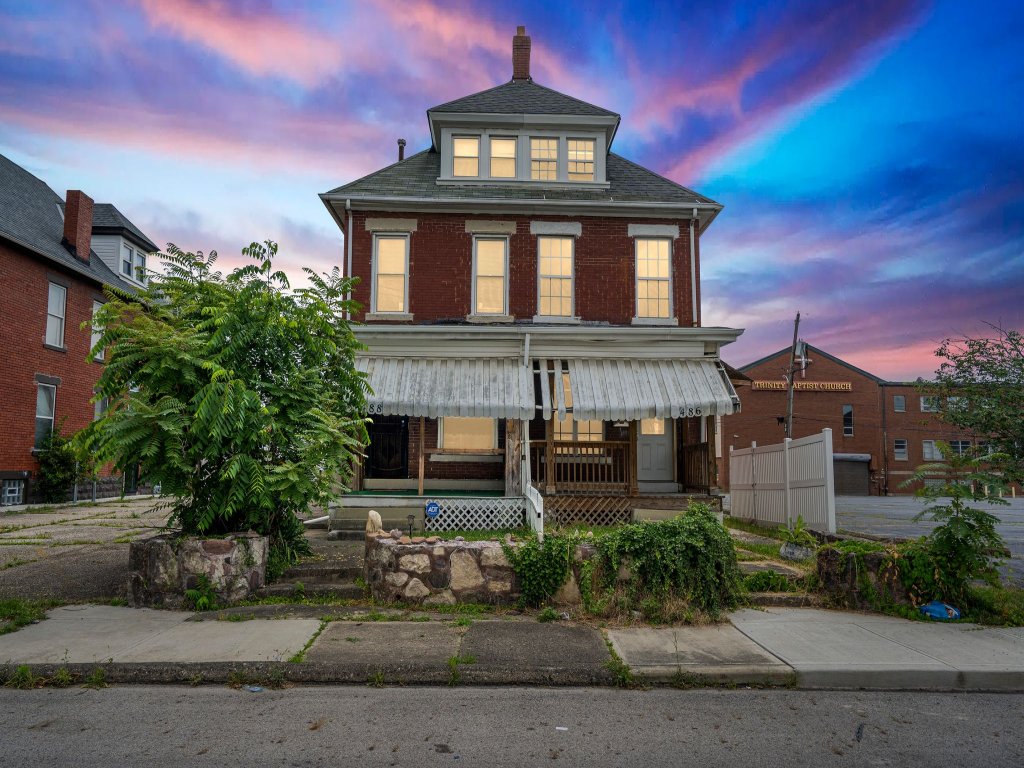
Four Eighty Eight
Step into a fully renovated hidden gem built in 1903 located only 5 minutes from Downtown Columbus, OH. Come and enjoy a stunning 3-bedroom, 2-bathroom home blending historic charm with modern luxuries. With contemporary upgrades like central air ...
View this Columbus Vacation Rental
Creating an Inviting Airbnb in Columbus, Ohio: Design and Furnishing Tips
General Design Considerations
- Balance Renovation and ROI: While renovations can significantly improve the space, consider the return on investment. Focus on essential updates like refinishing floors, replacing door casings, and patching wall issues, and then invest in high-quality furnishings and decor.
Furniture and Layout
- Versatile Furniture: Choose furniture that serves multiple purposes, such as a coffee table that can be used for eating, working, or watching TV.
- Sufficient Seating: Ensure there is enough seating for the number of guests the space can accommodate, both in the living room and dining area.
- Functional Storage: Include storage solutions like shelves above headboards or side tables to keep the space organized and clutter-free.
Lighting
- Secondary Lighting: In addition to overhead lighting, provide lamps, floor lamps, and table lamps to give guests options and create a welcoming ambiance.
Decor and Amenities
- Local and Unique Decor: Incorporate local and unique items to reflect the city's style. For Columbus, consider elements that highlight the city's cultural and historical aspects.
- Plush Linens and Towels: Provide high-quality linens and towels to enhance the comfort and luxury of the space.
- Hooks and Storage: Install sturdy hooks in various rooms for guests to hang their belongings, and ensure there is adequate storage for towels and other items.
Kitchen Essentials
- Fully Stocked Kitchen: Anticipate guests' needs by providing a wide range of cooking utensils, dishware, and kitchen supplies. Include a coffee station and other essentials like paper towels, dish soap, and laundry detergent.
- Labeling and Organization: While labels can be helpful, ensure the kitchen is organized in a way that makes it easy for guests to find what they need without cluttering the space.
Bedroom Comfort
- Reading Lamps: Include reading lamps in the bedrooms to provide comfortable lighting for guests.
- Fans and White Noise: Install fans in the bedrooms to cater to guests who prefer a breeze or white noise while sleeping.
Additional Tips
- Deep Cleaning: Ensure the space is thoroughly cleaned before each guest arrival to maintain a high standard of cleanliness.
- Guest Convenience: Provide amenities like a dish rack, hand towels, and a sponge to make guests' stays more convenient.
- Local Touches: Add local touches such as maps, artwork, or unique items found in local markets or estate sales to give the space a genuine Columbus feel.
Discover Columbus, Ohio: Local Attractions and Insider Tips
Top Attractions
Cultural and Educational
- COSI (Center of Science and Industry): Explore over 300 interactive exhibits, including a Dinosaur Gallery and a planetarium.
- Columbus Museum of Art: View late 19th- and early 20th-century American and European art, and visit the nearby Pizzuti Collection building for contemporary art.
- Ohio History Center: Learn about Ohio's rich history through various exhibits and interactive displays.
Nature and Parks
- Franklin Park Conservatory and Botanical Gardens: Admire Dale Chihuly's glass artwork, explore the Victorian glass house, and visit the community garden.
- Scioto Audubon Metro Park: Enjoy nature trails, a climbing wall, and observe local wildlife in their natural habitats.
- Glacier Ridge Metro Park: Hike, bike, or explore the natural play area and observation towers.
- Schiller Park: Stroll through German Village, enjoy the park's pond, and catch summer theater performances at the Schiller Park Amphitheater.
Family-Friendly
- Columbus Zoo and Aquarium: Home to "Jungle" Jack Hanna, featuring an 18-hole safari golf course, Zoombezi Bay water park, and the "Heart of Africa" exhibit.
- LEGOLAND Discovery Center: Located at Easton, this is the ultimate indoor LEGO playground.
Shopping and Dining
- North Market: A historic farmer’s market with fresh produce, artisanal foods, and handmade crafts.
- Short North Arts District: Explore art galleries, independent boutiques, and enjoy the monthly Gallery Hop.
- German Village: Stroll along brick sidewalks, visit shops, bistros, and art studios, and enjoy free theater performances.
Sports and Entertainment
- Huntington Park: Home to the Columbus Clippers minor league baseball team, offering a family-friendly atmosphere.
- Scioto Mile: An outdoor space along the Scioto River with water fountains, sculptures, and climbing walls.
Festivals and Events
- Arnold Sports Festival (March): A major fitness and sports event.
- Columbus Arts Festival (June): Celebrate local art and culture.
- Festival Latino (June): Experience Latin American music, food, and culture.
- Apple Butter Stirrin’ Festival (October): Enjoy fall festivities and local crafts.
Insider Tips
Hidden Gems
- Shrum Mound: An ancient earthwork with historical significance, offering a glimpse into indigenous cultures.
- American Whistle Corporation: Take a tour to see how whistles are made.
Local Favorites
- ZipZone Canopy Tours: For adrenaline junkies, offering zip lining, rappelling, and rope courses.
- Bucyrus Copper Kettle Works: Watch artisans craft copper kettles and other items.
Seasonal Activities
- Christmas Candlelighting (December): Enjoy festive lights and holiday events.
- Strawberry Festival (May/June): Celebrate the strawberry season with local food and activities.
Additional Tips for Airbnb Hosts
- Provide Local Maps: Include maps highlighting key attractions and neighborhoods.
- Recommend Local Eats: Suggest popular restaurants and cafes, such as those in the Short North Arts District and German Village.
- Offer Event Calendars: Share a calendar of upcoming festivals and events to help guests plan their stay.
- Include Public Transportation Info: Provide information on how to use public transportation to get around the city.
By sharing these attractions and insider tips, you can help your guests have a memorable and enriching experience in Columbus, Ohio.
Practical Tips to Run a Successful Short-Term Rental Business in Columbus, Ohio
To ensure a smooth and successful short-term rental business in Columbus, Ohio, several practical tips can make a significant difference in guest satisfaction and compliance with local regulations.
Noise Regulations and Quiet Hours
Inform your guests about quiet hours to maintain a peaceful environment and avoid potential complaints from neighbors. Clearly outline noise policies in your house rules and listing description to set expectations from the outset.
Digital and Physical House Manual
Create both digital and physical house manuals that include essential instructions, such as Wi-Fi passwords, appliance usage, and emergency contact information. This helps guests navigate the property easily and reduces the likelihood of misunderstandings or issues during their stay.
Simplified Check-in Process
Utilize smart locks to streamline the check-in process, eliminating the need for physical key exchanges. Provide detailed check-in instructions, including photos of the property entrance and any specific steps required to access the smart lock.
Parking Instructions with Photos
Include clear parking instructions in your house manual, accompanied by photos to help guests identify designated parking areas. This can prevent confusion and potential parking violations, ensuring a hassle-free experience for your guests.
By implementing these tips, you can enhance guest satisfaction, reduce potential issues, and ensure your short-term rental business in Columbus operates smoothly and in compliance with local regulations.
Short-Term Rental Management Fees in Columbus, Ohio (2026)
Short-term rental management fees in Columbus, Ohio in 2026 typically range from 15% to 30% of gross rental revenue, depending on the scope of services provided. Full-service management — covering guest communication, channel distribution across Airbnb, Vrbo, and Booking.com, dynamic pricing, cleaning coordination, and 24/7 guest support — generally falls in the 22% to 30% range. Co-hosting or partial-service arrangements that leave more responsibility with the owner usually run 15% to 20%.
Industry-wide management fees have crept upward by roughly 1–2 percentage points since 2024 as operating costs, insurance premiums, and labor expenses have risen across the vacation rental sector. Columbus-area managers may also charge separately for cleaning turnovers, maintenance dispatch, linen programs, and listing optimization. Some full-service operators in Ohio now offer guaranteed-rent or revenue-share hybrid models, which can be worth comparing against a flat percentage structure for higher-revenue properties.
Market estimates as of 2026. Conditions vary; consult local operators for current data.
Short-Term Rental Market in Columbus, Ohio (2026)
Granular market data for Columbus, Ohio remains limited as of 2026, as smaller and emerging short-term rental markets are not consistently captured by major data providers like AirDNA. However, broader Ohio trends suggest continued demand for vacation rentals, particularly in markets offering unique experiences, scenic appeal, or proximity to established tourist destinations.
Through 2025–2026, the Ohio short-term rental market has seen modest ADR growth of 3–5% industry-wide, partially offset by occupancy compression as supply has continued to expand. Operators in markets like Columbus should evaluate hyperlocal factors — seasonality, regulatory environment, and competing accommodation supply — before making investment decisions.
Market estimates as of 2026. Conditions vary; consult local operators for current data.


Trusted by Travelers Worldwide
Join millions of guests who have booked unforgettable stays through RedAwning's network of premium vacation rentals.