Atlanta, Georgia, is thriving as a short-term rental market, with an average occupancy rate of 58%, an average daily rate of $141, and annual revenue potential of $28,787, making it an attractive and profitable destination for Airbnb investors.
Want to see how much your property could earn?
Check out our Airbnb Revenue Calculator tool!


General Rental Data
Daily rates
Looking to invest in a vacation rental? Check out our ROI tool to calculate your future rental’s real profit potential!
Short-Term Rental Market in Atlanta, Georgia (2026)
Granular market data for Atlanta, Georgia remains limited as of 2026, as smaller and emerging short-term rental markets are not consistently captured by major data providers like AirDNA. However, broader Georgia trends suggest continued demand for vacation rentals, particularly in markets offering unique experiences, scenic appeal, or proximity to established tourist destinations.
Through 2025–2026, the Georgia short-term rental market has seen modest ADR growth of 3–5% industry-wide, partially offset by occupancy compression as supply has continued to expand. Operators in markets like Atlanta should evaluate hyperlocal factors — seasonality, regulatory environment, and competing accommodation supply — before making investment decisions.
Market estimates as of 2026. Conditions vary; consult local operators for current data.
Short-Term Rental Regulations in Atlanta, Georgia for 2026
Licensing Requirements
- Short-Term Rental License: Obtain an annual short-term rental license from the City of Atlanta. The license is valid for one year and must be renewed annually.
- Application Process: Submit the application through the City of Atlanta's online permitting portal. The process typically takes up to 10 business days.
- Application Fee: Pay a non-refundable application fee of $150.
- Primary Residence Requirement: To operate a second short-term rental unit, one of the units must be the owner’s primary residence, and the license for the primary residence must be obtained first.
Required Documents and Information
- Property Details: Provide the address of the short-term rental unit, number of bedrooms, and parking spaces.
- Contact Information: Include the agent/24-hour contact person’s name, address, phone number, and email.
- Proof of Ownership: Submit proof of property ownership, such as a deed or other legal document.
- Proof of Insurance: Provide evidence of homeowner's or renter's insurance covering the short-term rental property.
- HOA Statement: If applicable, obtain a signed and notarized statement from the HOA confirming that short-term rentals are permitted.
- Neighbor Notification: Notify adjacent property owners of the intent to operate a short-term rental via certified mail.
- Parking Map: Include a map indicating available parking spaces for guests.
Taxes and Fees
- Hotel-Motel Tax: Pay an 8% hotel-motel tax on a monthly basis.
- State Sales Tax: Ensure state sales tax is collected and remitted, which is typically handled by the rental platform.
Zoning and Restrictions
- Zoning Areas: Short-term rentals are permitted in all residential zones, with specific caps in certain districts (e.g., Downtown, Victorian, and Streetcar districts).
- Ward Caps: New short-term rentals in the Downtown and Victorian districts are capped at 20% of residential parcels within each ward, with owner-occupied parcels exempt from the cap.
Compliance and Enforcement
- Noise and Party Regulations: Adhere to noise and party regulations to avoid fines and penalties.
- Community Impact: Ensure the short-term rental does not disturb neighbors and comply with local community standards.
- Advertisement Compliance: Any advertising of the property must visibly feature the Short-Term Rental License (STRL).
Additional Requirements
- Written Rules: Post written rules in the short-term rental unit and provide a copy with the application.
- Agent Acknowledgement: Include a signed acknowledgement by the agent that they have read and understand the requirements.
Regulatory information last reviewed for accuracy in 2026. Local STR ordinances change frequently — verify current rules with the city or county before listing.
Top Airbnb Revenue-Generating Neighborhoods in Atlanta, Georgia
1. Midtown
- Average Daily Rate: $207.9
- Occupancy Rate: 55%
- Average Revenue: $41.9K
- Appeal: Midtown is the heart of Atlanta’s arts and culture scene, featuring theaters, galleries, and green spaces that attract both locals and tourists. Its vibrant atmosphere and central location make it highly appealing to guests.
2. Grant Park
- Average Daily Rate: $234.6
- Occupancy Rate: 59%
- Average Revenue: $50.5K
- Appeal: Grant Park is known for its historic charm, Victorian homes, and the renowned Zoo Atlanta. The neighborhood's green expanses and classic architecture provide a serene escape within the city, making it a favorite among guests.
3. Loring Heights
- Average Daily Rate: $156
- Occupancy Rate: 35%
- Average Revenue: $4,051
- Appeal: Loring Heights offers the best Airbnb income in Atlanta, with its affordable property values and high rental income. The neighborhood's appeal lies in its balanced mix of residential and tourist attractions, making it attractive for both short-term and long-term stays.
4. Ormewood Park
- Average Daily Rate: $182.4
- Occupancy Rate: 58%
- Average Revenue: $38.4K
- Appeal: Ormewood Park is an emerging neighborhood with a blend of peaceful residential charm, local boutiques, and eateries. It offers a sense of community and tranquility, making it appealing to guests looking for a relaxed yet vibrant stay.
5. Piedmont Heights
- Average Daily Rate: $155
- Occupancy Rate: 33%
- Average Revenue: $3,414
- Appeal: Piedmont Heights is known for its strong rental income and high walk score. The neighborhood's mix of residential and commercial areas, along with its proximity to key attractions, makes it a desirable location for guests seeking convenience and comfort.
6. Vine City
- Average Daily Rate: $158
- Occupancy Rate: 35%
- Average Revenue: $1,962
- Appeal: Vine City offers a high cash on cash return due to its affordable property values. The neighborhood's central location and growing popularity among tourists and business travelers make it an attractive option for guests.
7. Sweet Auburn
- Average Daily Rate: $164.1
- Occupancy Rate: 54%
- Average Revenue: $32.5K
- Appeal: Sweet Auburn is rich in historical significance and urban allure, attracting history enthusiasts and those looking for an urban experience. The neighborhood's balanced opportunity for hosts and its weekend appeal make it a popular choice.
These neighborhoods stand out due to their unique blend of cultural attractions, historical significance, and modern amenities, making them highly appealing to a diverse range of guests.
Featured Atlanta Vacation Rental
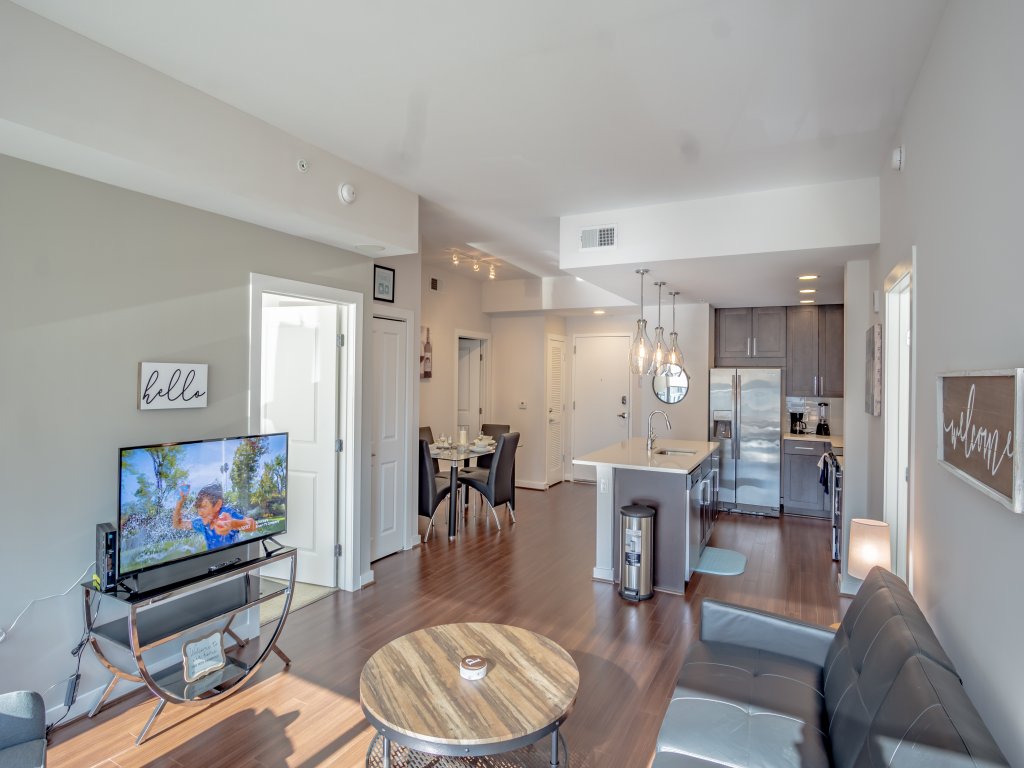
Atlanta Buckhead Fully Furnished Apartment
Located just 2.4 km from Atlanta History Center, provides accommodations in Atlanta with an outdoor swimming pool, a fitness center, as well as a 24-hour front desk. The accommodation is 8 km from Atlanta Botanical Garden, and guests benefit from ...
View this Atlanta Vacation Rental
Furnishing and Design Tips for an Inviting Airbnb in Atlanta, Georgia
Location-Inspired Aesthetic
- Consider the unique character of Atlanta, whether your property is in the heart of the city, near historic neighborhoods, or in a suburban area. Tailor your furnishings to reflect the local style and appeal to guests' expectations of the city.
Durable and Easy-to-Clean Furniture
- Choose furniture that can handle high traffic and wear and tear. Opt for stain-proof and weather-resistant materials, especially for items like sofas and dining chairs. Use fabrics like Sunbrella, Crypton, or Revolution for durability and ease of cleaning.
- Ensure that all furniture is easy to clean; for example, use leather or wipeable upholstery for dining chairs and consider using ScotchGuard on fabrics.
Functional and Purposeful Design
- Each piece of furniture should serve a purpose and be useful. Avoid unnecessary decor and focus on functional items like cabinets under TVs for storing amenities and extra bedding.
- Optimize the layout to make the most of the space. For instance, use taller pieces in rooms with high ceilings and mirrors to fill walls and create additional getting-ready areas.
Comfort and Amenities
- Invest in comfortable furnishings, especially for key areas like mattresses, lounging chairs, and sofas. Ensure that these pieces provide the comfort guests expect from a hotel-like experience.
- Include essential amenities such as WiFi, a fully equipped kitchen, and laundry facilities to enhance guest comfort and convenience.
Lighting and Ambiance
- Create a soothing ambiance by replacing harsh overhead lighting with smaller, warmer lights throughout the space. Use lamps, floor lamps, and table lamps to mix up the lighting and add character.
- Utilize mirrors to reflect natural light and create the illusion of more space, especially in smaller rooms.
Flooring and Rugs
- Choose rugs that fit the room's dimensions and purpose. For high-traffic areas like the living room, use durable rugs with intricate patterns to hide imperfections. Ensure all furniture legs are on the rug to define the space.
- For bedrooms, place rugs in front of nightstands or extend them 36 inches on either side of the bed to create a cozy and inviting atmosphere.
Safety and Accessibility
- Ensure guest safety by installing smoke and carbon monoxide alarms, offering a fire extinguisher, and providing a first-aid kit. Consider accessibility features like step-free entrances and fixed grab bars in bathrooms if applicable.
- Mount TVs and large mirrors securely to the wall to prevent accidents and enhance the aesthetic of the space.
Local Touches and Decor
- Add local touches to your decor, such as artwork or decorative items that reflect Atlanta's culture and history. This can help guests feel more connected to the city.
- Create a visually appealing space by adding a statement wall or a unique piece of art that guests can photograph and share on social media.
Discovering Atlanta: Local Attractions and Insider Tips for Your Guests
Must-See Attractions
- Georgia Aquarium: Home to thousands of aquatic animals, including whale sharks, dolphins, and penguins.
- Atlanta Botanical Garden: A 30-acre botanical garden featuring various plant species and stunning gardens.
- World of Coca-Cola: An interactive museum showcasing the history of the iconic beverage brand.
- Centennial Olympic Park: A 21-acre park built for the 1996 Summer Olympics, offering various events and activities.
- Martin Luther King Jr. National Historical Park: A historic site dedicated to the life and legacy of Martin Luther King Jr., including the King Historic District tour.
Cultural and Historical Sites
- High Museum of Art: One of the premier art museums in the Southeast, featuring a diverse collection of art.
- The William Breman Jewish Heritage Museum: A cultural center exploring Southern Jewish history and the Holocaust.
- The Madame C.J. Walker Museum: Celebrating the life and legacy of America’s first female self-made millionaire and her contributions to African-American philanthropy.
Outdoor and Recreational Spaces
- Piedmont Park: A large urban park offering walking paths, picnic areas, and various recreational activities.
- Historic Oakland Cemetery: Atlanta’s oldest public park and cemetery, home to notable Atlantans such as Margaret Mitchell and over 25 Atlanta Mayors.
- Westview Cemetery: The largest cemetery in the Southeast, featuring graves of Atlanta pioneers like Asa G. Candler, founder of Coca-Cola.
Unique Experiences
- Grant Park Past & Future Food Walk: A tour combining food, history, and a stroll through Historic Oakland Cemetery, featuring local and Southern fusion cuisine.
- Jackson Street Bridge: An iconic spot for capturing stunning photos of Downtown Atlanta’s skyline, especially at sunset.
- Folk Art Park: A unique outdoor street art space with regularly changing themes and colorful, folk-inspired pieces.
Insider Tips
- Explore Street Art: Check out Atlanta’s vibrant street art scene, including popular mural spots around the city.
- Visit Local Markets: Enjoy local markets and food stops, such as those included in the Grant Park Food Walk.
- Use Public Parks: Take advantage of Atlanta’s over 300 public parks for sightseeing, people-watching, and outdoor activities.
- Attend Local Events: Keep an eye out for events at Centennial Olympic Park and other venues, which often host concerts, festivals, and cultural events.
By sharing these attractions and insider tips, you can help your guests have a memorable and enriching experience in Atlanta.
Practical Tips to Run a Successful Short-Term Rental Business in Atlanta, Georgia
To ensure a smooth and successful short-term rental business in Atlanta, Georgia, several practical tips can make a significant difference in guest satisfaction and compliance with local regulations.
Noise Regulations and Guest Communication
Inform your guests about quiet hours and noise regulations to avoid penalties. Atlanta's short-term rental ordinance includes strict noise and party regulations, with potential fines of up to thousands of dollars for non-compliance. Clearly communicate these rules in your listing and provide a reminder in your welcome message or house manual.
Creating a Comprehensive House Manual
Develop both digital and physical house manuals that include essential instructions, such as Wi-Fi passwords, appliance usage, and emergency contact information. This manual should also outline the house rules, including noise regulations, to ensure guests are well-informed and respectful of the property and neighbors.
Simplified Check-in Process
Utilize smart locks to streamline the check-in process, eliminating the need for physical key exchanges. Provide guests with detailed instructions on how to access the property, and consider including a video tutorial to make the process even smoother.
Parking Instructions with Photos
Ensure that parking instructions are clear and accompanied by photos to avoid any confusion. Since Atlanta's regulations include requirements such as one parking space per property bedroom plus one additional space, making sure guests understand the parking arrangements is crucial for compliance and guest satisfaction.
By implementing these tips, you can enhance the guest experience, maintain compliance with local regulations, and build a reputation for a well-managed and welcoming short-term rental property in Atlanta.
Short-Term Rental Management Fees in Atlanta, Georgia (2026)
Short-term rental management fees in Atlanta, Georgia in 2026 typically range from 15% to 30% of gross rental revenue, depending on the scope of services provided. Full-service management — covering guest communication, channel distribution across Airbnb, Vrbo, and Booking.com, dynamic pricing, cleaning coordination, and 24/7 guest support — generally falls in the 22% to 30% range. Co-hosting or partial-service arrangements that leave more responsibility with the owner usually run 15% to 20%.
Industry-wide management fees have crept upward by roughly 1–2 percentage points since 2024 as operating costs, insurance premiums, and labor expenses have risen across the vacation rental sector. Atlanta-area managers may also charge separately for cleaning turnovers, maintenance dispatch, linen programs, and listing optimization. Some full-service operators in Georgia now offer guaranteed-rent or revenue-share hybrid models, which can be worth comparing against a flat percentage structure for higher-revenue properties.
Market estimates as of 2026. Conditions vary; consult local operators for current data.
Short-Term Rental Market in Atlanta, Georgia (2026)
Granular market data for Atlanta, Georgia remains limited as of 2026, as smaller and emerging short-term rental markets are not consistently captured by major data providers like AirDNA. However, broader Georgia trends suggest continued demand for vacation rentals, particularly in markets offering unique experiences, scenic appeal, or proximity to established tourist destinations.
Through 2025–2026, the Georgia short-term rental market has seen modest ADR growth of 3–5% industry-wide, partially offset by occupancy compression as supply has continued to expand. Operators in markets like Atlanta should evaluate hyperlocal factors — seasonality, regulatory environment, and competing accommodation supply — before making investment decisions.
Market estimates as of 2026. Conditions vary; consult local operators for current data.


Trusted by Travelers Worldwide
Join millions of guests who have booked unforgettable stays through RedAwning's network of premium vacation rentals.