Tucson, Arizona is experiencing a thriving short-term rental market, characterized by high occupancy rates, increasing average daily rates, and strong annual revenues, making it an attractive and profitable destination for Airbnb hosts and investors.
Want to see how much your property could earn?
Check out our Airbnb Revenue Calculator tool!


General Rental Data
Daily rates
Looking to invest in a vacation rental? Check out our ROI tool to calculate your future rental’s real profit potential!
Short-Term Rental Market in Tucson, Arizona (2026)
Granular market data for Tucson, Arizona remains limited as of 2026, as smaller and emerging short-term rental markets are not consistently captured by major data providers like AirDNA. However, broader Arizona trends suggest continued demand for vacation rentals, particularly in markets offering unique experiences, scenic appeal, or proximity to established tourist destinations.
Through 2025–2026, the Arizona short-term rental market has seen modest ADR growth of 3–5% industry-wide, partially offset by occupancy compression as supply has continued to expand. Operators in markets like Tucson should evaluate hyperlocal factors — seasonality, regulatory environment, and competing accommodation supply — before making investment decisions.
Market estimates as of 2026. Conditions vary; consult local operators for current data.
Short-Term Rental Regulations in Tucson, Arizona for 2026
Licensing and Registration
- Transaction Privilege Tax (TPT) License: Obtain a TPT license from the Arizona Department of Revenue to collect and remit taxes.
- Business License: If the rental is located in the city of Tucson, obtain a business license from the city. The initial cost is $95, with a $70 annual renewal rate.
- Property Registration: Register the short-term rental property with the Pima County Assessor's Office using the Arizona Residential Rental Property form.
Tax Compliance
- Lodging Tax: Collect and remit a lodging tax of 12.05% on short-term rental revenues. Additionally, there is a $2 per night per bed fee.
Safety and Compliance
- Safety Equipment: Ensure the property is equipped with smoke alarms, carbon monoxide detectors, and fire extinguishers.
- Liability Insurance: Maintain at least $500,000 in liability insurance, either through a personal policy or via coverage provided by the rental platform.
Zoning and Occupancy
- Zoning Rules: Adhere to Tucson's zoning rules, which may affect where short-term rentals can operate. Consult Chapter 6 of the Tucson City Code for detailed zone classifications and occupancy regulations.
Prohibited Uses
- Non-Residential Use: Properties cannot be used for operating retail businesses, restaurants, or similar establishments.
- Restricted Activities: Prohibited uses include housing registered sex offenders, operating a sober living home, selling alcohol or illegal drugs, and adult-oriented businesses.
Homeowners Associations (HOAs)
- HOA Rules: Comply with any rules and restrictions set by Homeowners Associations, which may include limitations on the duration of rentals, prior approval requirements, and fines for non-compliance.
General Compliance
- Neighbor Notification: While not specifically mandated in Tucson, it is good practice to notify neighbors of short-term rental activities, though this is more stringent in other cities like Phoenix.
- Emergency Contact: Provide contact information for the owner or their designee, as well as a 24-hour emergency contact number.
Penalties for Non-Compliance
- Tax Non-Compliance: Failure to collect and remit taxes can result in hefty fines and penalties.
- General Non-Compliance: While Tucson does not have specific penalties outlined beyond tax compliance, hosts must adhere to state and local laws to avoid potential fines and other penalties.
Regulatory information last reviewed for accuracy in 2026. Local STR ordinances change frequently — verify current rules with the city or county before listing.
Top Airbnb Revenue-Generating Neighborhoods in Tucson, Arizona
1. Downtown Tucson
- Appeal: Downtown Tucson is a hub of urban amenities, offering easy access to restaurants, bars, shopping centers, and cultural attractions. Guests appreciate the historic and artistic vibe, with many homes dating back over a century. The proximity to the University of Arizona and the bustling downtown area makes it ideal for both business and leisure travelers.
- Amenities: Walking distance to downtown, various architectural styles, strong community ties, and regular community events.
2. Sam Hughes
- Appeal: Located just east of the University of Arizona, Sam Hughes is famous for its historic homes and tree-lined streets. Guests enjoy the rich history, lively university atmosphere, and easy access to Himmel Park and cultural institutions like the Arizona State Museum.
- Amenities: Historic homes, university activity, proximity to parks and cultural institutions.
3. Armory Park
- Appeal: Known for its architectural diversity and historical significance, Armory Park offers a unique blend of historic charm and contemporary comforts. Guests appreciate the intimate community feel and easy access to urban amenities.
- Amenities: Historic homes, community events, walking distance to downtown, diverse architectural styles.
4. Midtown (including Poets Square and Jefferson Park)
- Appeal: Midtown neighborhoods like Poets Square and Jefferson Park are centrally located, offering easy access to the University of Arizona, downtown Tucson, and amenities like Gene C. Reid Park. Guests enjoy the quiet yet convenient lifestyle, with many local favorites for dining and recreation.
- Amenities: Proximity to the University of Arizona, Reid Park, local dining favorites, and biking/walking paths.
5. Rillito
- Appeal: Situated in North Central Tucson, Rillito is appealing for its modern and comfortable homes, scenic mountain views, and quiet environment. Guests benefit from the area's recreational opportunities, including the Tucson Racquet Club and the Loop trail system.
- Amenities: Modern homes, mountain views, recreational opportunities, proximity to Banner Hospital and the University of Arizona.
These neighborhoods are highly sought after by Airbnb guests due to their unique blend of historical charm, modern amenities, and convenient locations that cater to various lifestyles and preferences.
Featured Tucson Vacation Rental
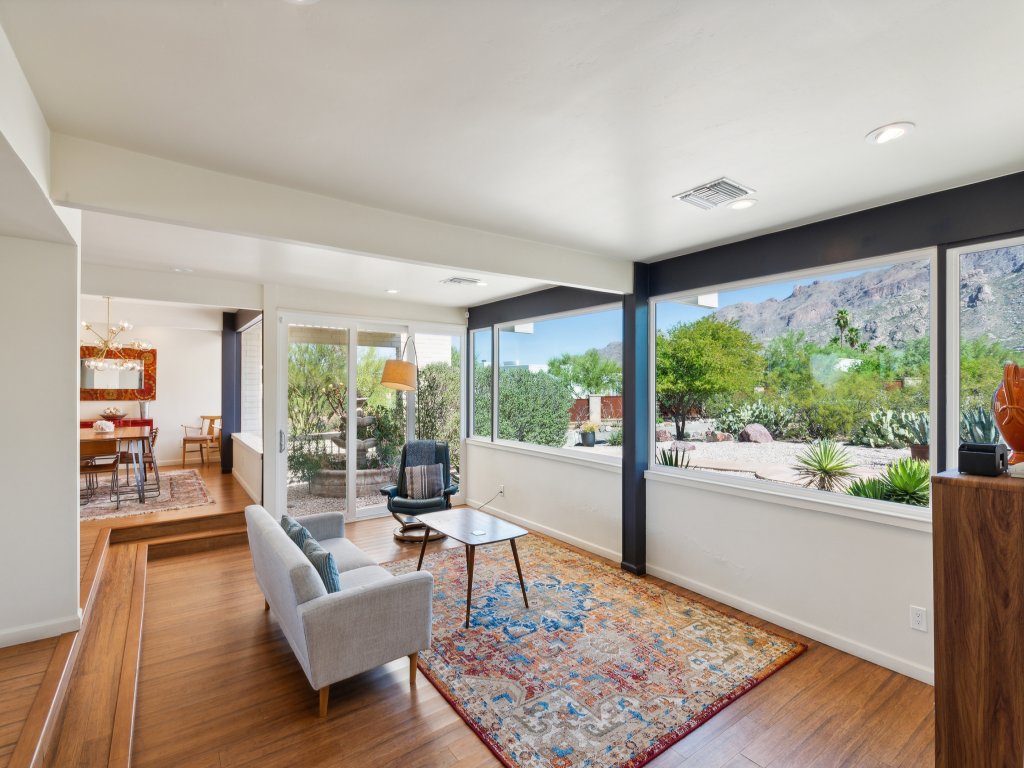
Tranquil Mid-Century Home in Foothills
Nestled in the serene foothills of Tucson, our fully renovated mid-century home offers a timeless retreat for your next getaway. From the moment you arrive, you'll be captivated by the tranquility of this quiet residential oasis. Step inside to di...
View this Tucson Vacation Rental
Tips for Furnishing and Designing an Inviting Tucson Airbnb
Understanding Your Guests' Needs
- Identify your ideal guest demographic to tailor the furnishings and design to their preferences and needs.
Choosing a Theme or Style
- Select a theme or style that reflects Tucson's unique culture and natural beauty, such as a Southwestern or desert-inspired aesthetic.
Essential Furnishings
Bedroom Furnishings
- Invest in high-quality mattresses and provide various pillow types and extra blankets.
- Include bedside tables with lamps and consider adding dressers or wardrobes for clothing storage.
Living Area Furnishings
- Provide comfortable seating options like sofas and armchairs.
- Include a coffee table and consider additional seating like poufs or ottomans.
- Add a TV with access to streaming services for entertainment.
Dining Furniture
- Ensure there is a space for guests to eat, whether it's a traditional dining table, breakfast bar, or small bistro table.
Kitchen Essentials
- Equip the kitchen with essential items like a microwave, refrigerator, stovetop, oven or toaster oven, and sufficient cooking utensils.
- Include a coffee maker, kettle, and basic cookware and dinnerware.
Bathroom Essentials
- Ensure enough storage space for toiletries.
- Provide a shower curtain or screen, toilet roll holder, towel racks, and a good-sized mirror.
Workspace and Productivity
- Create a workspace with a small table or desk, a comfortable chair, a desk lamp, and nearby electrical outlets for charging devices.
Lighting
- Use a combination of overhead lighting, task lighting, and ambient lighting to create a cozy atmosphere.
Storage Solutions
- Provide enough hangers in closets, cabinets in the bathroom, and storage space in the living area for guests’ items.
Outdoor Furnishings
- If applicable, include outdoor amenities like a pool, BBQ area, fire pit, and comfortable outdoor seating to enhance the Tucson experience.
Additional Amenities
- Consider adding amenities such as a laundry facility, air conditioning, and heating to ensure guest comfort.
- For pet-friendly and family-friendly rentals, ensure there are amenities like pet towels, cribs, and extra cleaning supplies.
Safety and Security
- Install a reliable security system that can be controlled remotely to enhance guest safety.
Local Touches
- Include local touches such as information on nearby attractions, dining recommendations, and tips on exploring Tucson to make the stay more enriching.
Budgeting and Splurging
- Set a budget and prioritize spending on key items that will significantly enhance the guest experience, such as high-quality mattresses and statement pieces in the living room.
By following these tips, you can create an inviting and comfortable Airbnb space in Tucson that reflects the city's unique style and meets the needs of your guests.
Discover Tucson, Arizona: Local Attractions and Insider Tips for Airbnb Hosts
Must-See Attractions
Natural Wonders
- Saguaro National Park: Explore the iconic saguaros and diverse Sonoran Desert landscape.
- Arizona-Sonora Desert Museum: A unique blend of zoo, botanical garden, and museum showcasing the Sonoran Desert's flora and fauna.
- Sabino Canyon: Enjoy narrated tram tours and hiking trails in this lush canyon.
Cultural and Historical Sites
- Mission San Xavier del Bac: A historic mission with stunning architecture and cultural significance.
- St. Augustine Cathedral: A historic cathedral completed in 1896, located in downtown Tucson.
- Tucson Presidio Museum: Learn about the early history of Tucson and its presidio.
Museums and Galleries
- Pima Air & Space Museum: Featuring over 300 vintage to modern aircraft.
- University of Arizona Museum of Art: Showcasing 500 years of European and American art.
- DeGrazia Gallery in the Sun: An eclectic gallery, chapel, and museum built by artist Ted DeGrazia.
Unique Experiences
- Biosphere 2: An environmental research facility with unique ecosystems.
- Mt. Lemmon: Enjoy hiking, birding, and scenic views in the Santa Catalina Mountains.
- Colossal Cave Mountain Park: Explore the caves and enjoy outdoor activities.
Insider Tips
Downtown Tucson
- Downtown Redevelopment: Explore the revitalized downtown area, including the Rio Nuevo project and Mission Garden.
- Historic Landmarks: Visit the Hotel Congress, Fox Theatre, Rialto Theatre, and the old Pima County Courthouse.
- 4th Avenue Shopping District: Known for its unique stores and vibrant atmosphere, connected to downtown via an underpass.
Local Cuisine
- El Charro Café: Tucson's oldest restaurant, located downtown.
- UNESCO City of Gastronomy: Experience Tucson's diverse culinary scene, reflecting its rich cultural heritage.
Outdoor Activities
- Catalina State Park: Hiking, biking, and horse trails in the Santa Catalina Mountains.
- Reid Park: Home to the Reid Park Zoo and Hi Corbett Field, offering various recreational activities.
Shopping and Entertainment
- La Encantada: An outdoor shopping mall in the Catalina Foothills area.
- Congress Street Arts and Entertainment District: Enjoy live music, art galleries, and eclectic shops.
- Tucson Streetcar: Travel conveniently to many restaurants, shops, and historic neighborhoods.
Seasonal Events
- All Soul's Procession: A unique event celebrating the city's cultural diversity.
- Twice-Yearly Artisan Market: A market featuring local artisans and crafts.
By sharing these attractions and insider tips, you can help your Airbnb guests make the most of their visit to Tucson, Arizona.
Practical Tips to Run a Successful Short-Term Rental Business in Tucson, Arizona
To ensure the success and smooth operation of a short-term rental business in Tucson, Arizona, several practical tips can be implemented. Here are some key considerations:
Noise Regulations and Guest Communication
Inform your guests about quiet hours and noise regulations to maintain a harmonious relationship with the neighborhood. Clearly outline these rules in your house manual and communicate them through pre-arrival messages to avoid any misunderstandings.
Comprehensive House Manual
Create both digital and physical house manuals that include essential instructions, such as Wi-Fi passwords, appliance usage, and emergency contact information. This manual should be easily accessible and updated regularly to reflect any changes or new amenities.
Simplified Check-in Process
Utilize smart locks to streamline the check-in process, eliminating the need for physical key exchanges. Provide guests with detailed instructions on how to use the smart locks and ensure they have all necessary access codes before their arrival.
Clear Parking Instructions
Include detailed parking instructions with photos in your house manual to help guests navigate parking options, especially if the property has specific parking rules or limited spaces. This can significantly reduce confusion and stress upon arrival.
By implementing these tips, you can enhance the guest experience, reduce potential issues, and maintain a positive reputation for your short-term rental business in Tucson.
Short-Term Rental Management Fees in Tucson, Arizona (2026)
Short-term rental management fees in Tucson, Arizona in 2026 typically range from 15% to 30% of gross rental revenue, depending on the scope of services provided. Full-service management — covering guest communication, channel distribution across Airbnb, Vrbo, and Booking.com, dynamic pricing, cleaning coordination, and 24/7 guest support — generally falls in the 22% to 30% range. Co-hosting or partial-service arrangements that leave more responsibility with the owner usually run 15% to 20%.
Industry-wide management fees have crept upward by roughly 1–2 percentage points since 2024 as operating costs, insurance premiums, and labor expenses have risen across the vacation rental sector. Tucson-area managers may also charge separately for cleaning turnovers, maintenance dispatch, linen programs, and listing optimization. Some full-service operators in Arizona now offer guaranteed-rent or revenue-share hybrid models, which can be worth comparing against a flat percentage structure for higher-revenue properties.
Market estimates as of 2026. Conditions vary; consult local operators for current data.
Short-Term Rental Market in Tucson, Arizona (2026)
Granular market data for Tucson, Arizona remains limited as of 2026, as smaller and emerging short-term rental markets are not consistently captured by major data providers like AirDNA. However, broader Arizona trends suggest continued demand for vacation rentals, particularly in markets offering unique experiences, scenic appeal, or proximity to established tourist destinations.
Through 2025–2026, the Arizona short-term rental market has seen modest ADR growth of 3–5% industry-wide, partially offset by occupancy compression as supply has continued to expand. Operators in markets like Tucson should evaluate hyperlocal factors — seasonality, regulatory environment, and competing accommodation supply — before making investment decisions.
Market estimates as of 2026. Conditions vary; consult local operators for current data.


Trusted by Travelers Worldwide
Join millions of guests who have booked unforgettable stays through RedAwning's network of premium vacation rentals.