
The short-term rental market in Surf City, North Carolina, remains robust, with a median occupancy rate of 54%, an average daily rate of $253, and an average annual host income of $49,000, indicating a stable and profitable investment opportunity.
Want to see how much your property could earn?
Check out our Airbnb Revenue Calculator tool!


General Rental Data
Daily rates
Looking to invest in a vacation rental? Check out our ROI tool to calculate your future rental’s real profit potential!
Short-Term Rental Market in Surf City, North Carolina (2026)
Granular market data for Surf City, North Carolina remains limited as of 2026, as smaller and emerging short-term rental markets are not consistently captured by major data providers like AirDNA. However, broader North Carolina trends suggest continued demand for vacation rentals, particularly in markets offering unique experiences, scenic appeal, or proximity to established tourist destinations.
Through 2025–2026, the North Carolina short-term rental market has seen modest ADR growth of 3–5% industry-wide, partially offset by occupancy compression as supply has continued to expand. Operators in markets like Surf City should evaluate hyperlocal factors — seasonality, regulatory environment, and competing accommodation supply — before making investment decisions.
Market estimates as of 2026. Conditions vary; consult local operators for current data.
Top Neighborhoods for Airbnb Revenue in Surf City, North Carolina
1. North Topsail Beach
- Appeal: This area is highly sought after for its oceanfront condos and homes, such as the "Cozy On-the-Beach w/ Private Deck" and "Sun & Sand Beachfront Condo on Topsail Island". Guests love waking up to the sound of crashing waves, enjoying coffee on the balcony, and the proximity to various beaches and attractions within a 20-minute radius.
- Amenities: Private decks, full kitchens, beach access, and scenic views of dolphins and sunrises.
2. Surf City Oceanfront
- Appeal: Properties like "LunaSea - 2 Bed Oceanfront, Walk to Shop & Dine" and "Dream Vacation steps from the Beach with Pool" are favorites due to their direct beach access, private decks, and walking distance to local shops, restaurants, and the Surf City Ocean Pier.
- Amenities: Private beach access, pools, fully stocked kitchens, and proximity to dining and shopping.
3. Surf City Soundside
- Appeal: Homes such as "So Much Fun!" and "Surf City Beach Tree House" are popular for their soundside locations, offering beautiful sound views, kayak and paddleboard access, and a short walk or bike ride to the beach and town.
- Amenities: Kayaks, paddleboards, canoes, bikes, and scenic sound views.
4. Central Surf City
- Appeal: Rentals like "Weekend Seaclusion w/ Business Internet!" and "Bella Mare" attract guests with their gated communities, private pools, and easy access to Surf City's amenities, including the new high-rise bridge and local shops.
- Amenities: Private pools, gated communities, covered parking, and close proximity to town.
5. Second Row Beach Homes
- Appeal: Homes such as "Beach Station" and "Topsail Gem - Beautiful, Ocean View Beach House" are favored for their ocean views from the front porch or upper deck, large backyards, and short walks to the beach.
- Amenities: Ocean views, large backyards, picnic tables, and easy beach access.
These neighborhoods are appealing due to their combination of beachfront or soundside locations, amenities like pools and private decks, and convenient access to local attractions and activities.
Featured Surf City Vacation Rental
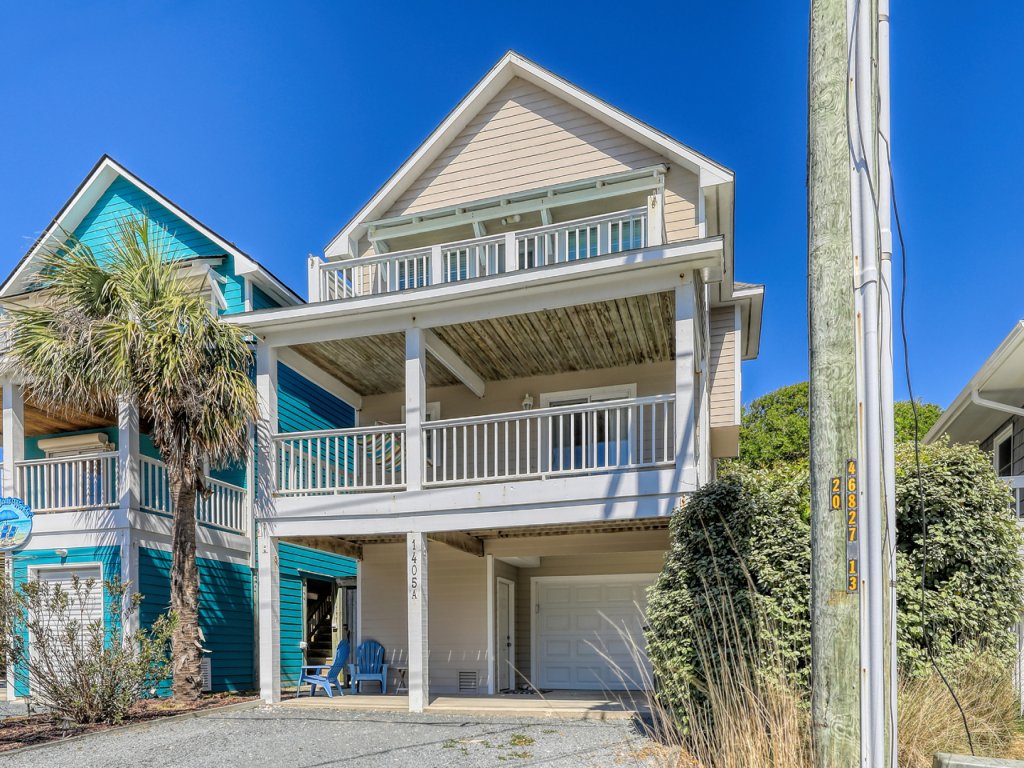
Beach Bliss: 4BR | Beach Access | Kayak | WI-FI
Welcome to our stunning beach house with breathtaking ocean views and easy beach and sound access. Walk across the street to beach access. Down driftwood lane is the Sound access with the kayak. There will be 2 person kayak and 1 person kids kaya...
View this Surf City Vacation Rental
Tips for Furnishing and Design of an Airbnb in Surf City, North Carolina
To create an inviting and stylish Airbnb in Surf City, North Carolina, consider the following tips that reflect the city's unique coastal charm:
Choose Coastal and Beach-Themed Decor
- Utilize light colors and natural materials to mimic the surrounding beach environment. Coastal and beach-themed decor, such as artwork depicting marine life or local landscapes, can enhance the aesthetic and add local flair.
Select Comfortable and Durable Furnishings
- Invest in comfortable seating areas and durable, easy-to-clean furnishings that appeal to families and pet owners. This ensures a welcoming environment for a variety of guests.
Incorporate Modern Coastal Designs
- Opt for modern coastal designs that provide a fresh and contemporary feel. This style complements the beachfront vibe and can help your property stand out in a competitive rental market.
Add Outdoor Living Spaces
- Include well-maintained gardens, patios, or rooftop decks to create inviting outdoor spaces for relaxation and entertaining. These areas can offer breathtaking sunset views and direct access to the beach.
Provide Essential Beach Amenities
- Ensure your property includes access to beach equipment such as chairs, umbrellas, surfboards, and boogie boards. These amenities can significantly enhance a guest's beach experience.
Incorporate Local and Vintage Elements
- Use a mix of new and vintage furnishings to create a laid-back, casual coastal style reminiscent of traditional surf shacks. This blend of old and new can add a unique charm to your property.
Ensure Modern Amenities
- Include modern amenities such as fully stocked kitchens, walk-in showers, and high-speed WiFi to provide a comfortable and convenient stay for guests.
Maintain a Family-Friendly Atmosphere
- Design your space to be family-friendly by including amenities like linens, towels, condiments, and full spice drawers. This makes the property more appealing to families looking for a hassle-free vacation.
Consider Seasonal and Local Touches
- Reflect the local culture by incorporating seasonal decorations and local events into your design. This can include decorations for beach festivals and holiday celebrations.
By following these tips, you can create an Airbnb in Surf City that is not only inviting but also reflective of the city's unique coastal style and charm.
Practical Tips to Run a Successful Short Term Rental Business in Surf City, North Carolina
To ensure a smooth and profitable short-term rental business in Surf City, North Carolina, several key practices can be implemented. First, it is crucial to adhere to and inform guests about local noise regulations, including quiet hours, to maintain a positive relationship with the community and avoid potential fines. Creating a comprehensive digital and physical house manual is also essential; this should include detailed instructions, Wi-Fi passwords, and other vital information to make guests' stays hassle-free.
A simplified check-in process can significantly enhance the guest experience. Utilizing smart locks eliminates the need for physical key exchanges, and providing clear parking instructions accompanied by photos can help guests navigate the property easily. Additionally, ensuring that all legal and safety requirements, such as obtaining the necessary special use permits and registering the rental property with the county tax department, are met is vital for compliance and avoiding penalties.
By implementing these strategies, you can ensure a seamless and enjoyable experience for your guests, leading to positive reviews, increased bookings, and higher rental income.
Short-Term Rental Management Fees in Surf City, North Carolina (2026)
Short-term rental management fees in Surf City, North Carolina in 2026 typically range from 15% to 30% of gross rental revenue, depending on the scope of services provided. Full-service management — covering guest communication, channel distribution across Airbnb, Vrbo, and Booking.com, dynamic pricing, cleaning coordination, and 24/7 guest support — generally falls in the 22% to 30% range. Co-hosting or partial-service arrangements that leave more responsibility with the owner usually run 15% to 20%.
Industry-wide management fees have crept upward by roughly 1–2 percentage points since 2024 as operating costs, insurance premiums, and labor expenses have risen across the vacation rental sector. Surf City-area managers may also charge separately for cleaning turnovers, maintenance dispatch, linen programs, and listing optimization. Some full-service operators in North Carolina now offer guaranteed-rent or revenue-share hybrid models, which can be worth comparing against a flat percentage structure for higher-revenue properties.
Market estimates as of 2026. Conditions vary; consult local operators for current data.
Short-Term Rental Market in Surf City, North Carolina (2026)
Granular market data for Surf City, North Carolina remains limited as of 2026, as smaller and emerging short-term rental markets are not consistently captured by major data providers like AirDNA. However, broader North Carolina trends suggest continued demand for vacation rentals, particularly in markets offering unique experiences, scenic appeal, or proximity to established tourist destinations.
Through 2025–2026, the North Carolina short-term rental market has seen modest ADR growth of 3–5% industry-wide, partially offset by occupancy compression as supply has continued to expand. Operators in markets like Surf City should evaluate hyperlocal factors — seasonality, regulatory environment, and competing accommodation supply — before making investment decisions.
Market estimates as of 2026. Conditions vary; consult local operators for current data.


Trusted by Travelers Worldwide
Join millions of guests who have booked unforgettable stays through RedAwning's network of premium vacation rentals.