In San Diego, California, the short-term rental market is thriving, with tenants earning an average of $9,200 annually from Airbnb, new 'Airbnb-friendly' apartment buildings expanding hosting opportunities, and a slight increase in overall short-term rental supply despite regulatory challenges.
Want to see how much your property could earn?
Check out our Airbnb Revenue Calculator tool!


General Rental Data
Daily rates
Looking to invest in a vacation rental? Check out our ROI tool to calculate your future rental’s real profit potential!
Short-Term Rental Market in San Diego, California (2026)
Granular market data for San Diego, California remains limited as of 2026, as smaller and emerging short-term rental markets are not consistently captured by major data providers like AirDNA. However, broader California trends suggest continued demand for vacation rentals, particularly in markets offering unique experiences, scenic appeal, or proximity to established tourist destinations.
Through 2025–2026, the California short-term rental market has seen modest ADR growth of 3–5% industry-wide, partially offset by occupancy compression as supply has continued to expand. Operators in markets like San Diego should evaluate hyperlocal factors — seasonality, regulatory environment, and competing accommodation supply — before making investment decisions.
Market estimates as of 2026. Conditions vary; consult local operators for current data.
Short-Term Rental Regulations in San Diego, California for 2026
Licensing Requirements
- STRO License: A Short-Term Residential Occupancy (STRO) license is mandatory for all short-term rentals. Hosts are limited to one STRO license per individual.
- License Tiers:
- Tier 1 (Part-Time): Rented for 20 days or less per year.
- Tier 2 (Home Sharing): Renting a room or rooms in the home for more than 20 days per year, with the owner residing onsite.
- Tier 3 (Whole Home, excluding Mission Beach): Renting the entire home for more than 20 days per year, with the owner not residing onsite.
- Tier 4 (Whole Home in Mission Beach): Renting the entire home for more than 20 days per year, with the owner not residing onsite.
Tax Requirements
- Transient Occupancy Tax (TOT): Hosts must collect and remit TOT from guests staying under 30 days. Platforms like Airbnb may collect and remit these taxes on behalf of hosts.
- Rental Unit Business Tax: Required for properties rented for more than 6 days in a calendar year.
Operational Restrictions
- Rental Caps: Whole-home rentals exceeding 20 days a year are capped at 1% of the city's total housing units, except in Mission Beach where 30% of housing units can be short-term rentals.
- Minimum Rental Days: For Tier 3 and Tier 4 licenses, the dwelling unit must be rented for a minimum of 90 days per year to maintain the license.
Compliance and Enforcement
- Local Contact: Hosts must designate a local contact responsible for responding to complaints within one hour and taking prompt action to resolve any issues.
- Fines and Penalties: Violations can result in fines starting at $1,000, and repeat offenses can lead to increased fines and potential revocation of rental permits.
Zoning and Land Use
- Zoning Compliance: Short-term rentals must comply with local zoning laws to protect residential communities. Specific zoning considerations apply to different districts.
Prohibited Uses
- Non-Traditional Properties: Recreational vehicles, campers, and temporary structures (such as tents, sheds, tree houses) cannot be used for short-term rentals.
Additional Requirements
- Rental Agreements: Hosts must provide guests with a rental agreement outlining the terms of the stay, including nightly rates, occupancy limits, and house rules.
- Health and Safety Codes: Hosts must comply with local health and safety codes, including the installation of smoke and carbon monoxide detectors and ensuring proper sanitation.
Special Considerations
- HOA Regulations: Hosts must check with the Homeowner’s Association (HOA) for any regulations against short-term rentals before purchasing a property.
- Live/Work Units: Short-term rentals are allowed only in the residential portion of live/work units, provided the host is a permanent resident.
Regulatory information last reviewed for accuracy in 2026. Local STR ordinances change frequently — verify current rules with the city or county before listing.
Top Airbnb Revenue-Generating Neighborhoods in San Diego, California
1. La Jolla
- Airbnb Metrics: Average Daily Rate (ADR) of $593.7-$645.2, occupancy rate of 67%-73%, average revenue of $144.3K-$171.2K per year, and a RevPAR of $389.1-$461.4.
- Appeal: Known for its breathtaking beaches, upscale dining and shopping, and vibrant cultural scene. The neighborhood offers a high level of convenience with numerous amenities and services within easy reach.
2. Mission Beach
- Airbnb Metrics: ADR of $544.8, occupancy rate of 73%-93%, average revenue of $145.8K per year, and a RevPAR of $403.3.
- Appeal: Central location, proximity to attractions like Belmont Park and SeaWorld, diverse recreational activities, and excellent connectivity. It caters to families and groups with a variety of listings, primarily entire homes.
3. Pacific Beach
- Airbnb Metrics: ADR of $396.6, occupancy rate peaking at 90%, and a variety of predominantly entire-home listings.
- Appeal: Scenic vistas, dynamic nightlife, iconic landmarks like Crystal Pier, and efficient public transportation. It caters to a wide demographic, enhancing its attractiveness to guests.
4. Little Italy
- Airbnb Metrics: ADR of $274.1, occupancy rate of 72%, average revenue of $71.6K per year, and a RevPAR of $186.3.
- Appeal: Vibrant and charming neighborhood with a blend of old-world charm and modern urban living. It boasts unparalleled convenience with an array of amenities within walking distance and a well-connected public transportation system.
5. East Village
- Airbnb Metrics: ADR of $252.5-$306, occupancy rate of 58%-75%, average revenue of $53.4K per year, and a RevPAR of $150.5.
- Appeal: Hub of arts and culture, offering a unique urban experience with attractions like Petco Park, art galleries, and diverse dining options. The area is well-connected via public transportation and features a mix of smaller units appealing to individuals and groups.
6. North Park
- Airbnb Metrics: ADR of $212.3-$251, occupancy rate of 72%-88%, average revenue of $56.2K per year, and a RevPAR of $155.
- Appeal: Known for its vibrant hipster culture, featuring independent boutiques, art galleries, craft breweries, and a plethora of events and festivals. The neighborhood is walkable and has efficient public transportation, making it a lively and engaging community.
These neighborhoods stand out due to their unique attractions, high occupancy rates, and significant revenue potential, making them highly appealing for both hosts and guests.
Featured San Diego Vacation Rental
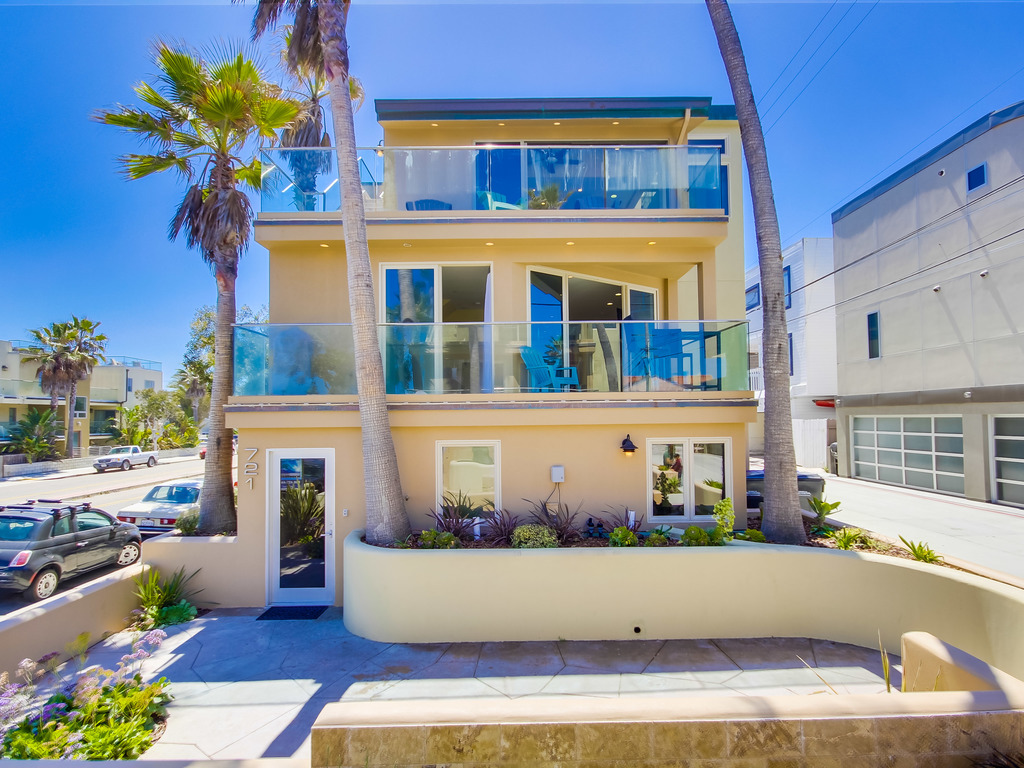
Ocean Breeze 1 & 2
This 3 level town home is 2880 sq ft and has ocean views from all decks, balconies, and patios in each unit. The entire home has travertine flooring. This property includes five parking spots. Two covered spots, one that can fit two cars in tandem...
View this San Diego Vacation Rental
Creating an Inviting Airbnb in San Diego: Tips for Furnishing and Design
Bedroom Furnishing and Design
- Bedframe and Mattress: Include a comfortable bed, such as a king-size bed in the master bedroom and double or storage beds in guest bedrooms. Opt for high-quality mattresses like memory-foam for primary bedrooms.
- Closet and Storage: Provide a closet or clothing rack, nightstands, and lamps to ensure guests have ample storage and lighting.
- Bedding and Linens: Use high-quality bedding, sheets, pillows, and duvets to create a hotel-like experience. Choose crisp, white linens and fluffy pillows.
- Accessories: Add full-length mirrors, hangers, and minimal decorative items to maintain a clean and inviting atmosphere.
Living Room Furnishing and Design
- Comfortable Seating: Include a couch or sofa bed, especially in smaller spaces like studio apartments. For larger homes, consider an oversized sectional couch.
- Essential Furniture: Add a coffee table, end tables, and an entertainment center to create a cozy and functional space.
- Technology and Decor: Install a smart TV and mount, and use throw pillows, area rugs, and other decorative items that match the traditional or beachy decor of San Diego.
- Vertical Elements: Consider adding vertical elements like painted ceilings, wallpaper, or chandeliers to make the space more interesting and photogenic.
Kitchen and Dining Room Furnishing and Design
- Essential Appliances: Include a refrigerator, freezer, cooktop, oven, microwave, coffee maker, and toaster or toaster oven. A dishwasher is optional but preferable.
- Furniture: Provide a dining table and chairs, kitchen table and chairs, and barstools if applicable.
- Cooking Utensils and Dishes: Ensure there are cooking utensils, pots, pans, cookie sheets, plates, bowls, and silverware available for guests.
- Decor and Accessories: Add a trash can, recycling bin, paper towel holder, and other practical accessories that fit the decor.
Outdoor Living Spaces
- Comfortable Seating: Create an outdoor lounge area with comfortable seating and a dining area for al fresco meals.
- Fire Pit and Ambiance: Consider adding a fire pit for cozy evenings and enhance the outdoor space with lighting and decorative elements.
Local and Coastal Touches
- Beachy Decor: Incorporate natural materials like wood and rattan, and use coastal decor elements such as seashells and driftwood to reflect San Diego's beachy vibe.
- Local Artwork: Showcase local artwork, including photographs or paintings of iconic San Diego landmarks, to add a touch of the city's culture.
Additional Tips
- DIY and Budget-Friendly: Consider DIY projects like painting ceilings and walls, and use budget-friendly options such as vintage books and plants to add decor without breaking the bank.
- Minimal and Non-Personal Decor: Keep decorative accessories minimal and avoid personal items to maintain a welcoming and neutral atmosphere.
Discovering San Diego: Local Attractions and Insider Tips
Top-Rated Local Attractions
Nature and Outdoors
- Kayak in La Jolla Sea Caves and Marine Reserve: Explore the marine reserve at La Jolla Cove, home to seals, otters, and sea turtles.
- Explore Tide Pools With an Expert Naturalist: Discover the diverse marine life in San Diego's tide pools with a guided tour.
- Paddle Board Yoga: Enjoy a unique yoga experience on paddle boards in San Diego Bay.
Sightseeing and Tours
- Sunset Sail Aboard A Classic Yacht: Experience the beauty of San Diego Bay with a sunset sail on a classic yacht.
- Private Luxury Whale Watching: Go on a luxurious whale-watching tour to spot marine wildlife.
- Balboa Park Highlights with Beverage: Explore the highlights of Balboa Park, including the San Diego Zoo and the San Diego Art Museum, with a guided tour.
Art and Culture
- La Jolla Playhouse and Old Globe: Catch a play at these renowned theaters, known for launching shows that make it to Broadway.
- San Diego Art Museum: Spend an afternoon exploring exhibits and special collections at the San Diego Art Museum in Balboa Park.
Unique Experiences
- A Vintage Volkswagen Timeless Day on San Diego's Coastline: Enjoy a day exploring San Diego's coastline in a vintage Volkswagen.
- Rescue Dog Walk by the Bay: Take a heartwarming walk with rescue dogs along the bay.
- Mini Pigs and Farm Friends Experience: Interact with mini pigs and other farm animals in a unique farm experience.
Insider Tips
Where Locals Hang Out
- North Park: Stroll past murals, enjoy coffee, tacos, and beach time in this vibrant neighborhood.
- Shelter Island: Explore walking trails, public artworks, and hidden gems in this Point Loma neighborhood.
Best Ways to Spend a Day at the Beach
- Kayak at La Jolla Beach: Guided kayak excursions to explore Emerald Cave and the marine reserve.
- Spend Time at Shelter Island: Enjoy walking trails, fishing, and public artworks.
- Go Sailing: Take a boat cruise or sailboat to spot wildlife and enjoy views of Coronado Island.
Nighttime Activities
- Ghost Tour of the Gaslamp District: Learn about San Diego's sinister past on a guided ghost walk.
- Beach Bonfire with Locals: Enjoy a bonfire at the beach, swapping stories and playing music with locals.
Additional Tips
- Check Local Regulations: Ensure to check the hours and regulations for activities like bonfires before heading out.
- Year-Round Weather: Take advantage of San Diego's pleasant year-round weather to plan outdoor activities.
By sharing these local attractions and insider tips, you can enhance your guests' experience and help them truly discover the best of San Diego.
Practical Tips for Running a Successful Short-Term Rental in San Diego, California
To effectively manage a short-term rental in San Diego, California, hosts should focus on compliance with local regulations and enhancing guest experiences. Noise regulations are particularly important; informing guests about quiet hours, typically from 10 PM to 7 AM, helps maintain neighborhood peace and prevents potential fines. Creating a detailed house manual, available in both digital and physical formats, can provide essential information such as instructions, Wi-Fi passwords, and local attractions. Additionally, implementing a simplified check-in process using smart locks can streamline arrivals, while providing clear parking instructions with accompanying photos will assist guests in navigating the property easily. By prioritizing these practical tips, hosts can cultivate positive guest experiences that lead to favorable reviews and repeat bookings.
Short-Term Rental Management Fees in San Diego, California (2026)
Short-term rental management fees in San Diego, California in 2026 typically range from 15% to 30% of gross rental revenue, depending on the scope of services provided. Full-service management — covering guest communication, channel distribution across Airbnb, Vrbo, and Booking.com, dynamic pricing, cleaning coordination, and 24/7 guest support — generally falls in the 22% to 30% range. Co-hosting or partial-service arrangements that leave more responsibility with the owner usually run 15% to 20%.
Industry-wide management fees have crept upward by roughly 1–2 percentage points since 2024 as operating costs, insurance premiums, and labor expenses have risen across the vacation rental sector. San Diego-area managers may also charge separately for cleaning turnovers, maintenance dispatch, linen programs, and listing optimization. Some full-service operators in California now offer guaranteed-rent or revenue-share hybrid models, which can be worth comparing against a flat percentage structure for higher-revenue properties.
Market estimates as of 2026. Conditions vary; consult local operators for current data.
Short-Term Rental Market in San Diego, California (2026)
Granular market data for San Diego, California remains limited as of 2026, as smaller and emerging short-term rental markets are not consistently captured by major data providers like AirDNA. However, broader California trends suggest continued demand for vacation rentals, particularly in markets offering unique experiences, scenic appeal, or proximity to established tourist destinations.
Through 2025–2026, the California short-term rental market has seen modest ADR growth of 3–5% industry-wide, partially offset by occupancy compression as supply has continued to expand. Operators in markets like San Diego should evaluate hyperlocal factors — seasonality, regulatory environment, and competing accommodation supply — before making investment decisions.
Market estimates as of 2026. Conditions vary; consult local operators for current data.


Trusted by Travelers Worldwide
Join millions of guests who have booked unforgettable stays through RedAwning's network of premium vacation rentals.