The short-term rental market in Utah, particularly in areas like Salt Lake City, has seen a significant 39.4% growth from 2021 to 2023, driven by tourism and contributing to local economic benefits through increased tax revenues and community investments.
Want to see how much your property could earn?
Check out our Airbnb Revenue Calculator tool!


General Rental Data
Daily rates
Looking to invest in a vacation rental? Check out our ROI tool to calculate your future rental’s real profit potential!
Short-Term Rental Market in Salt Lake City, Utah (2026)
Granular market data for Salt Lake City, Utah remains limited as of 2026, as smaller and emerging short-term rental markets are not consistently captured by major data providers like AirDNA. However, broader Utah trends suggest continued demand for vacation rentals, particularly in markets offering unique experiences, scenic appeal, or proximity to established tourist destinations.
Through 2025–2026, the Utah short-term rental market has seen modest ADR growth of 3–5% industry-wide, partially offset by occupancy compression as supply has continued to expand. Operators in markets like Salt Lake City should evaluate hyperlocal factors — seasonality, regulatory environment, and competing accommodation supply — before making investment decisions.
Market estimates as of 2026. Conditions vary; consult local operators for current data.
Short-Term Rental Regulations in Salt Lake City, Utah for 2026
Overview of Short-Term Rental Ordinances
- Definition of Short-Term Rental: Any rental of a residential property for less than 30 days is considered a short-term rental.
Permitted Areas and Uses
- Prohibited in Residential Districts: Short-term rentals are not permitted in residential districts. They are only allowed in commercial and mixed-use districts for nightly sleeping accommodations such as hotels, motels, hostels, and bed and breakfasts, if allowed by the zoning district and licensed for such use.
Licensing and Registration
- Business License Requirement: Short-term rentals in permitted areas must obtain a business license. This includes providing detailed information about the property, owner, and compliance with local zoning laws.
- Land Use Permit: In some cases, a separate land use permit may be required to ensure compliance with zoning and land use codes.
Operational Limits and Regulations
- Owner-Occupancy Requirement: For certain types of properties, such as single-family homes with Accessory Dwelling Units (ADUs), the main dwelling must be owner-occupied to prevent institutional investors from renting both units short-term.
- Occupancy Limits: Properties must adhere to specific occupancy limits to ensure safety and compliance with local regulations.
- Off-Street Parking: Adequate off-street parking spaces are required to alleviate congestion and maintain neighborhood accessibility.
Enforcement and Compliance
- Data-Gathering Software: The city uses data-gathering software to identify and track potential non-compliant short-term rental properties. This software helps in documenting actual usage rather than just online listings.
- Neighbor Complaints: Enforcement actions are often initiated by complaints from neighbors, as the city cannot use online listings alone as evidence of a violation.
- Fines and Penalties: Property owners found operating illegal short-term rentals can face fines and be required to cease operations.
State Law Considerations
- Limitations on Local Regulations: Utah state law prohibits local jurisdictions from fining property owners solely for listing short-term rentals online. Local governments cannot use online listings as the sole evidence of a violation.
Safety and Tax Compliance
- Safety Standards: Properties must meet safety standards, including fire safety certifications, and undergo periodic inspections to ensure compliance.
- Tax Obligations: Hosts must collect and remit all applicable lodging taxes and comply with other tax obligations.
Regulatory information last reviewed for accuracy in 2026. Local STR ordinances change frequently — verify current rules with the city or county before listing.
Top Airbnb Revenue-Generating Neighborhoods in Salt Lake City, Utah
1. The Avenues/Capitol Hill
- Appeal: This historic neighborhood is known for its Gothic and Victorian-style architecture, charming liberal atmosphere, and proximity to downtown Salt Lake City and the University of Utah. Guests are drawn to the quaint B&Bs, local pubs like Avenues Proper, and the scenic trails such as the Bonneville Shoreline Trail. The area's slower pace of life and historic character make it a favorite among visitors.
2. Central City (including Liberty Park)
- Appeal: Located close to downtown, Central City offers a more residential feel while still being near key attractions. It boasts historical landmarks, a vibrant restaurant scene, and easy access to public transportation. The Liberty Park area, with its beautiful green spaces and bike-friendly streets, is particularly appealing. Guests enjoy the mix of local life, historic homes, and modern amenities.
3. Downtown Salt Lake City
- Appeal: The heart of Salt Lake City is a hub for business trips, ski vacations, and urban exploration. Guests can walk to local restaurants, pubs, movie theaters, malls, and significant landmarks like the Salt Palace Convention Center and Temple Square. The proximity to numerous hiking trails and world-class ski resorts within a short drive makes it an ideal location for both city and outdoor enthusiasts.
4. Ballpark (Granary District, Central Ninth)
- Appeal: This neighborhood is popular for its blend of old and new, with repurposed industrial spaces, hip coffeehouses like Publik Coffee Roasters, and a thriving restaurant scene. Guests enjoy the local life, bike-friendly streets, and access to public transportation. The area's unique mix of vintage shops, craft breweries, and top-rated eateries like R&R BBQ and RubySnap cookies adds to its appeal.
5. Sugar House
- Appeal: Known for its balance of work and play, Sugar House offers easy access to parks, ski areas, restaurants, and shopping. Guests appreciate the private offices with high-speed internet, convertible couches for comfortable stays, and the proximity to the Salt Lake International Airport and Park City ski area. The neighborhood's mix of residential and commercial areas makes it a convenient and enjoyable stay.
These neighborhoods are highly sought after due to their unique blend of historical charm, modern amenities, and easy access to both urban and outdoor activities.
Featured Salt Lake City Vacation Rental
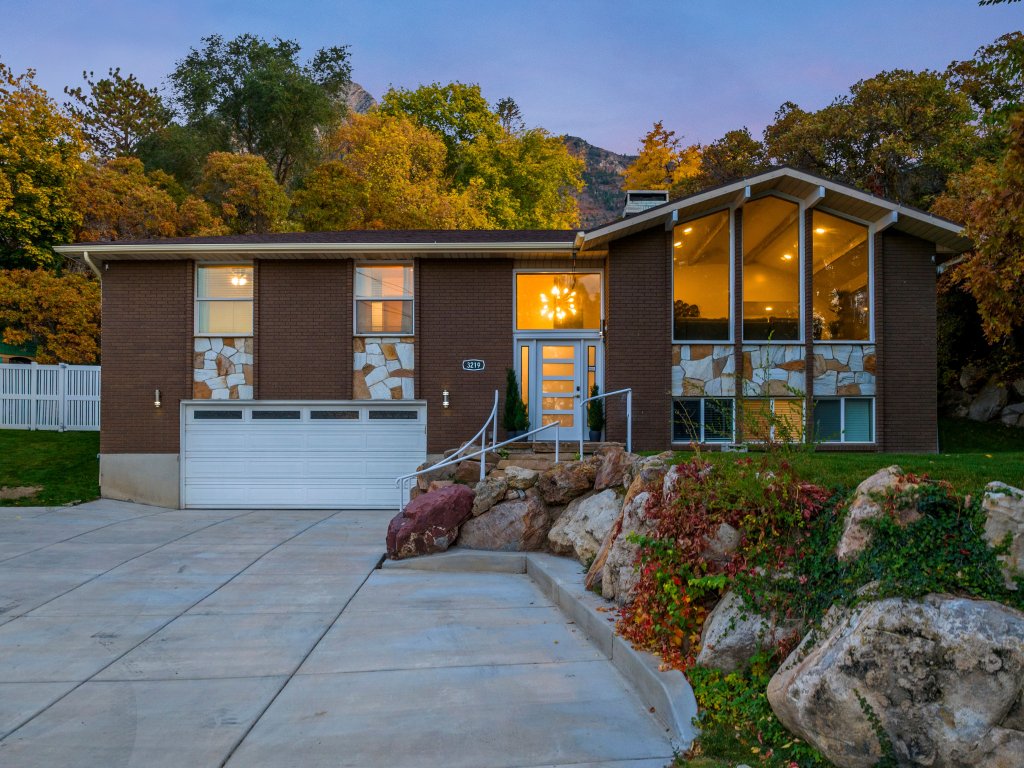
Ski Lover's Paradise: 7BR Villa Near Top Resorts
Our luxurious 7-bedroom villa has everything you need for your trip to Wasatch Oaks. Upon entering, you'll be greeted by a spacious living area, complete with a comfortable sofa and armchair, an 86"" flat-screen TV, and a fireplace. The fully-equi...
View this Salt Lake City Vacation Rental
Creating an Inviting Airbnb in Salt Lake City: Design and Furnishing Tips
Tip #1: Embrace Local Style and Themes
- Incorporate elements that reflect Salt Lake City's unique culture and natural surroundings. Use rustic elements combined with contemporary design, such as reclaimed wood and industrial accents, to create a warm yet stylish atmosphere.
- Add local art or historical references to give your space a distinctive charm that sets it apart from generic hotel offerings.
Tip #2: Opt for Smart Storage and Multi-functional Furniture
- Use beds with drawers, wall hooks for coats, and stackable containers to boost your space with smart storage. This helps keep the area tidy and organized.
- Choose multi-functional furniture like sofa beds, folding tables, or ottomans with hidden storage compartments to maximize space and functionality.
Tip #3: Utilize Mirrors and Lighting to Enhance the Space
- Use mirrors to make your Airbnb feel bigger and brighter. A full-length mirror is a must for guests getting ready, and it can also add style to the room.
- Implement lighting control with lamps and dimmer switches to create a welcoming and adjustable ambiance in the living room and other areas.
Tip #4: Focus on Key Areas and Essentials
- Prioritize the bedroom, living room, and kitchen when furnishing your Airbnb. Ensure these spaces are well-equipped and welcoming.
- Invest in essentials like a comfortable mattress, quality linens, and basic kitchenware to make your guests feel at home.
Tip #5: Incorporate Amenities and Features Guests Love
- Provide outdoor spaces such as patios or balconies to take advantage of Salt Lake City's stunning mountain vistas. Hot tubs and spa-like amenities can also be major attractions.
- Ensure your kitchen is well-equipped with essentials like sharp knives, a coffee maker, microwave, toaster, and kettle. Consider the ability to cook a full meal, such as a turkey dinner.
Tip #6: Maintain a Clean and Functional Layout
- Choose furniture that is easy to clean and maintain. Avoid real and faux leather sofas, and opt for sofas with washable covers instead.
- Ensure there is plenty of space to move around and that natural light sources are not blocked. Use functional statement pieces like storage benches in entryways.
Tip #7: Add Personal Touches and Local Decor
- Visit local markets, art fairs, or connect with local artists to find unique pieces that add character to your space. This supports the local community and adds a personal touch.
- Consider DIY decor projects to upcycle old furniture or create unique decor elements without breaking the bank.
Tip #8: Ensure Accessibility and Comfort
- Make your Airbnb accessible to guests with disabilities by including features like ramps, wide doorways, and grab bars in bathrooms.
- Provide comfortable seating, soft blankets, and pillows to create a cozy and inviting atmosphere in the living room and bedroom.
Discover Salt Lake City: Top Attractions and Insider Tips for Your Guests
Must-Visit Attractions
Temple Square
- A historic religious site featuring serene gardens, stunning architecture, and daily organ recitals. Guests can enjoy walking tours, choir rehearsals, and rooftop garden views. Note that the Salt Lake Temple itself is only accessible to church members, but detailed models of the interior are available at the North visitors' centers.
The Great Salt Lake
- The largest natural lake west of the Mississippi River, known for its unique saltwater and wildlife. Guests can hike Antelope Island, see migratory birds, and even float in the salty water. Antelope Island State Park is home to herds of bison and offers a unique natural experience.
Natural History Museum of Utah
- Home to the largest collection of horned dinosaur fossils in the world, along with engaging exhibits on Utah's geology and ancient history. Located near Red Butte Garden, making it a great combination for a day out.
Hogle Zoo
- A world-class zoo with 42 acres of exhibits featuring over 800 animals from around the world. Highlights include the Elephant Encounter, World of Flight, and the Lighthouse Point Splash zone for kids.
This is the Place Heritage Park
- A family-friendly park that traces the history of early pioneers and settlers. Activities include pony rides, train rides, a splash pad, and even a treasure hunt at the Treasure House.
Red Butte Garden
- A beautiful garden located on the University of Utah campus, offering a calm and educational experience about Utah's natural vegetation. It's a perfect follow-up to a visit to the Natural History Museum of Utah.
Liberty Park
- Salt Lake City's largest public park, featuring tennis courts, bocce ball courts, basketball courts, and a public swimming pool. It is also home to Tracy Aviary, which has over 400 birds from 130 species.
Utah Olympic Venues
- Located just a short drive from the city center, these venues offer the chance to skate at the rink where world records were made or ride a bobsled on the mountain where the 2002 Winter Olympics were held. Tours of the facilities are also available.
Insider Tips
Outdoor Activities
- For hiking enthusiasts, Salt Lake City offers numerous trails in the Wasatch Mountain Range, including Ensign Peak, The Living Room, and Mount Olympus. Rock climbing opportunities are also abundant in the Cottonwood Canyons.
Local Culture
- Explore the vibrant downtown area, which includes historic architecture, shopping, restaurants, and a lively nightlife scene. Don't miss the street art scene with over 80 murals and art installations.
Family Fun
- Visit amusement and water parks like Lagoon and Seven Peaks for summer fun. Trampoline parks, go-kart racing, and fun centers like Dave & Busters and Boondocks are great for kids of all ages.
Unique Experiences
- The Bonneville Salt Flats offer a serene backdrop for photos and are known for landspeed world records. The Eccles Theater hosts popular Broadway shows and concerts, and the Hale Center Theatre performs live stage plays and musicals.
Shopping and Dining
- City Creek Center is a unique mall with a retractable roof and a running creek stocked with local brown trout. For dining, recommend combining hikes with visits to local eateries through the "Hike + Dine" concept.
Additional Tips
- Public Transportation: Use TRAX, the light rail system, or the GREENbike SLC bike-sharing program to navigate the city easily.
- Seasonal Activities: Take advantage of the 10 ski resorts within an hour of Salt Lake City International Airport during winter, or enjoy the summer fun at local amusement and water parks.
- Local Events: Check out the Sundance Film Festival, free performances at the Salt Lake Tabernacle, and various festivals and events in the downtown area.
Practical Tips to Run a Successful Short-Term Rental Business in Salt Lake City, Utah
While Salt Lake City has stringent regulations prohibiting short-term rentals in residential districts, for those operating in permitted commercial or mixed-use areas, here are some practical tips to ensure a successful and compliant short-term rental business:
Noise Regulations and Guest Communication
Inform your guests about quiet hours and noise regulations to avoid any potential issues with neighbors. Include a section in your house manual detailing the quiet hours and the importance of respecting the local noise ordinances.
Comprehensive House Manual
Create both digital and physical house manuals that include essential instructions, such as Wi-Fi passwords, appliance usage, and emergency contact information. This helps guests navigate the property easily and reduces the likelihood of misunderstandings.
Simplified Check-in Process
Utilize smart locks to streamline the check-in process, eliminating the need for physical key exchanges. Provide guests with clear instructions on how to access the property, and consider including a video tutorial to make the process even smoother.
Parking Instructions
Ensure that your guests have adequate parking by providing detailed instructions, accompanied by photos, on where and how to park. This helps in avoiding any parking-related issues and maintains a positive guest experience.
By adhering to these tips, you can enhance guest satisfaction, reduce potential conflicts, and maintain compliance with local regulations, even in a city with strict short-term rental policies like Salt Lake City.
Short-Term Rental Management Fees in Salt Lake City, Utah (2026)
Short-term rental management fees in Salt Lake City, Utah in 2026 typically range from 15% to 30% of gross rental revenue, depending on the scope of services provided. Full-service management — covering guest communication, channel distribution across Airbnb, Vrbo, and Booking.com, dynamic pricing, cleaning coordination, and 24/7 guest support — generally falls in the 22% to 30% range. Co-hosting or partial-service arrangements that leave more responsibility with the owner usually run 15% to 20%.
Industry-wide management fees have crept upward by roughly 1–2 percentage points since 2024 as operating costs, insurance premiums, and labor expenses have risen across the vacation rental sector. Salt Lake City-area managers may also charge separately for cleaning turnovers, maintenance dispatch, linen programs, and listing optimization. Some full-service operators in Utah now offer guaranteed-rent or revenue-share hybrid models, which can be worth comparing against a flat percentage structure for higher-revenue properties.
Market estimates as of 2026. Conditions vary; consult local operators for current data.
Short-Term Rental Market in Salt Lake City, Utah (2026)
Granular market data for Salt Lake City, Utah remains limited as of 2026, as smaller and emerging short-term rental markets are not consistently captured by major data providers like AirDNA. However, broader Utah trends suggest continued demand for vacation rentals, particularly in markets offering unique experiences, scenic appeal, or proximity to established tourist destinations.
Through 2025–2026, the Utah short-term rental market has seen modest ADR growth of 3–5% industry-wide, partially offset by occupancy compression as supply has continued to expand. Operators in markets like Salt Lake City should evaluate hyperlocal factors — seasonality, regulatory environment, and competing accommodation supply — before making investment decisions.
Market estimates as of 2026. Conditions vary; consult local operators for current data.


Trusted by Travelers Worldwide
Join millions of guests who have booked unforgettable stays through RedAwning's network of premium vacation rentals.