
Myrtle Beach, South Carolina, is experiencing strong short-term rental performance, with an average occupancy rate of 60%, a high average revenue per available night of $95, and a lengthy booking lead time of 87 days, indicating a popular and profitable destination for vacation rentals.
Want to see how much your property could earn?
Check out our Airbnb Revenue Calculator tool!


General Rental Data
Daily rates
Looking to invest in a vacation rental? Check out our ROI tool to calculate your future rental’s real profit potential!
Short-Term Rental Market in Myrtle Beach, South Carolina (2026)
Granular market data for Myrtle Beach, South Carolina remains limited as of 2026, as smaller and emerging short-term rental markets are not consistently captured by major data providers like AirDNA. However, broader South Carolina trends suggest continued demand for vacation rentals, particularly in markets offering unique experiences, scenic appeal, or proximity to established tourist destinations.
Through 2025–2026, the South Carolina short-term rental market has seen modest ADR growth of 3–5% industry-wide, partially offset by occupancy compression as supply has continued to expand. Operators in markets like Myrtle Beach should evaluate hyperlocal factors — seasonality, regulatory environment, and competing accommodation supply — before making investment decisions.
Market estimates as of 2026. Conditions vary; consult local operators for current data.
Short-Term Rental Regulations in Myrtle Beach, South Carolina for 2026
Zoning Restrictions
- Most traditional residential neighborhoods in Myrtle Beach are not zoned for short-term rentals. Zoning districts that begin with R (for residential) do not allow short-term rentals, except for the RMV zone (Residential Multifamily Visitor).
Definition of Short-Term Rentals
- Short-term rentals are defined as any rental of less than 90 days.
Licensing Requirements
- Property owners must obtain a business license to operate short-term rentals.
Moratorium on Conversion
- A temporary moratorium prohibits the conversion of existing short-term rentals to long-term rentals, especially in areas east of Kings Highway and along Ocean Boulevard, to protect tourism revenue.
Grandfathered Properties
- Fewer than 30 houses in traditional residential zones are grandfathered for short-term rentals, having been used for this purpose consistently since before the current zoning regulations were in place.
Taxation
- While the specific taxation rules for Myrtle Beach are not detailed, it is important to note that short-term rentals contribute significantly to the city's hospitality and tourism fees and taxes.
Enforcement and Penalties
- Violations of the zoning code and business license ordinance are misdemeanors, with fines of up to $500 and/or 30 days upon conviction.
Specific Zones for Short-Term Rentals
- Short-term rentals are allowed in specific zones, such as the RMV zone. Property owners must verify their property is in an approved zoning district before applying for a short-term rental license.
Impact on Local Economy
- The city has implemented measures to ensure the availability of short-term rentals to maintain tourism revenue, as these rentals are crucial for the local economy.
Regulatory information last reviewed for accuracy in 2026. Local STR ordinances change frequently — verify current rules with the city or county before listing.
High-Revenue Airbnb Neighborhoods in Myrtle Beach, South Carolina
Why These Neighborhoods Are Appealing for Guests
Myrtle Beach, known for its vibrant tourism industry, offers several neighborhoods that are particularly lucrative for Airbnb investments due to their attractive amenities and high demand. Here are the top neighborhoods and what makes them appealing to guests:
Myrtle Beach Boardwalk and Promenade
- Proximity to Beach and Amenities: This area is directly on the beach, offering easy access to the ocean and a variety of restaurants, shops, and entertainment options.
- Family-Friendly: The boardwalk features a range of family-friendly activities, including the Myrtle Beach SkyWheel and other attractions.
Broadway at the Beach
- Diverse Entertainment Options: This complex offers a mix of shopping, dining, and entertainment, including bars, clubs, and family-friendly activities like a Ferris wheel and a zip line.
- Central Location: It is centrally located, making it easy for guests to access other parts of Myrtle Beach.
Ripley's Aquarium
- Popular Attraction: Located near the aquarium, this area attracts families and tourists interested in marine life.
- Other Nearby Attractions: It is close to other popular spots like the Myrtle Waves Water Park and the Family Kingdom Amusement Park.
Myrtle Waves Water Park
- Summer Fun: This area is ideal for families looking to enjoy water park activities during the summer months.
- Convenient Location: It is situated near other family-friendly attractions, making it a convenient base for vacationers.
Hollywood Wax Museum
- Unique Attraction: The Hollywood Wax Museum is a unique attraction that draws tourists interested in celebrity culture.
- Other Nearby Attractions: It is part of a broader entertainment complex that includes other museums and attractions.
Brookgreen Gardens
- Natural Beauty: Located just outside Myrtle Beach, Brookgreen Gardens offers a serene and culturally rich experience with its sculptures and gardens.
- Historical Significance: It is a National Historic Landmark, appealing to guests interested in history and art.
SkyWheel Myrtle Beach
- Iconic Landmark: The SkyWheel is a prominent landmark and a popular attraction, offering panoramic views of the beach.
- Central Location: It is situated in the heart of Myrtle Beach, close to other amenities and attractions.
Family Kingdom Amusement Park
- Family Entertainment: This area is perfect for families with children, offering a range of amusement park rides and games.
- Beach Access: It is close to the beach, providing a combination of amusement park fun and beach activities.
WonderWorks Myrtle Beach
- Interactive Attractions: WonderWorks is an interactive science museum that appeals to families and children.
- Other Nearby Attractions: It is part of a larger entertainment district with other museums and attractions.
Pirate's Voyage
- Unique Entertainment: Pirate's Voyage offers a unique dinner and show experience, appealing to families and those looking for something different.
- Central Location: It is centrally located, making it easy for guests to access other parts of Myrtle Beach.
These neighborhoods are highly appealing due to their combination of beach access, diverse entertainment options, and family-friendly activities, making them ideal for generating high Airbnb revenue in Myrtle Beach.
Featured Myrtle Beach Vacation Rental
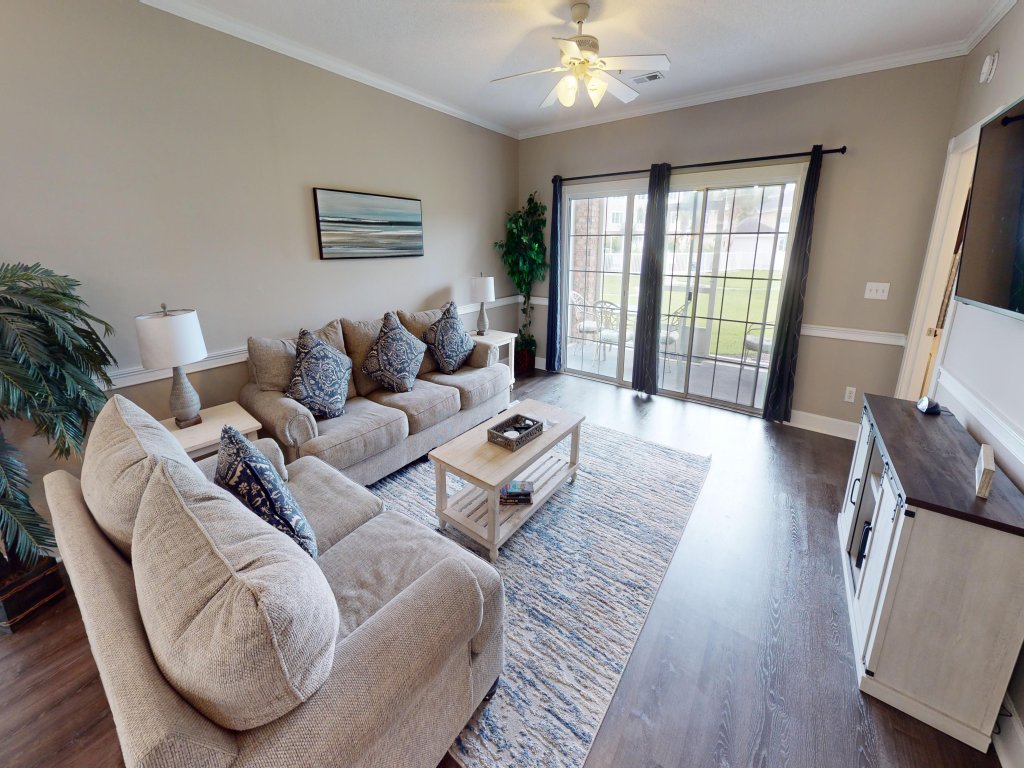
Magnolia North 4839-101
Your next Myrtle Beach escape can be found in the Magnolia North and Magnolia Pointe neighborhoods of Myrtlewood Villas, where our contemporary 2-bedroom condo provides you with the necessities of home, plus the comforts of a resort vacation. If y...
View this Myrtle Beach Vacation Rental
Furnishing and Designing Your Myrtle Beach Airbnb: Tips for an Inviting Coastal Space
Set Your Budget and Priorities
- Determine how much you are willing to spend before starting the furnishing process.
- Prioritize essentials such as a comfortable mattress, quality linens, and basic kitchenware.
Focus on Key Areas
- Concentrate on the bedroom, living room, and kitchen to ensure these spaces are well-equipped and welcoming.
Explore Secondhand Shopping
- Utilize thrift stores, consignment shops, Facebook Marketplace, and local sales to find affordable furniture. Be prepared to negotiate prices and dig for hidden gems.
Incorporate Local Elements
- Visit local markets, art fairs, or connect with local artists to find unique pieces that add character to your space. This supports the local community and adds a personal touch.
DIY Decor and Upcycling
- Consider DIY projects to upcycle old furniture or create unique decor. This can add a personalized touch without breaking the bank.
Choose Multi-functional Furniture
- Opt for space-saving, multi-functional furniture like sofa beds, ottomans with storage, or dining tables that can double as workspaces. These pieces enhance functionality and save space.
Adhere to a Coastal Theme
- For a Myrtle Beach Airbnb, incorporate coastal elements such as sea-inspired colors, nautical accents, and light, airy decor to reflect the city's unique style.
Balance Essentials and Aesthetics
- Differentiate between essential items (e.g., a comfortable bed) and non-essential decor (e.g., artwork). Ensure a balance between creating a welcoming space and avoiding unnecessary expenses.
Utilize Smart Storage
- Incorporate storage solutions like beds with drawers, wall hooks, pegboards in the kitchen, and stackable containers to keep the space tidy and functional.
Select Durable and Easy-to-Clean Furniture
- Choose furniture that is durable and easy to clean, such as sofas with washable covers and high-quality, durable towels in neutral colors.
Enhance Natural Light and Space
- Ensure the layout does not block natural light sources and provides ample space for guests to move around. Use mirrors to make the space feel bigger and brighter.
Add Local and Personal Touches
- Incorporate local artwork, unique decor pieces, and personal touches that reflect the character of Myrtle Beach. This can include items like beach-themed art, jute mirrors, and faux plants.
Adapt to Unexpected Challenges
- Be prepared to adapt your design plan if unexpected issues arise, such as finding alternative furniture pieces that fit the space and aesthetic better.
Practical Tips to Run a Successful Short-Term Rental Business in Myrtle Beach, South Carolina
To operate a successful short-term rental business in Myrtle Beach, South Carolina, several key practices can enhance the guest experience and ensure compliance with local regulations. Here are some practical tips:
Noise Regulations and Guest Communication
Inform your guests about quiet hours and noise regulations to avoid any potential issues. Include this information in your digital and physical house manual, and consider posting reminders in the property to ensure guests are aware of the rules.
Comprehensive House Manual
Create a detailed digital and physical house manual that includes essential instructions, such as Wi-Fi passwords, appliance usage, and emergency contact information. This manual should also outline the property's rules and regulations, including noise restrictions.
Simplified Check-in Process
Utilize smart locks to streamline the check-in process, eliminating the need for physical key exchanges. Provide guests with clear instructions on how to access the property, and consider sending a welcome message with all the necessary details before their arrival.
Parking Instructions
Ensure that parking instructions are clear and easily accessible. Provide photos of the designated parking areas and any specific rules or restrictions. This can help prevent confusion and potential parking violations.
By adhering to these tips, you can enhance guest satisfaction, reduce the risk of violations, and maintain a positive reputation for your short-term rental business in Myrtle Beach.
Short-Term Rental Management Fees in Myrtle Beach, South Carolina (2026)
Short-term rental management fees in Myrtle Beach, South Carolina in 2026 typically range from 15% to 30% of gross rental revenue, depending on the scope of services provided. Full-service management — covering guest communication, channel distribution across Airbnb, Vrbo, and Booking.com, dynamic pricing, cleaning coordination, and 24/7 guest support — generally falls in the 22% to 30% range. Co-hosting or partial-service arrangements that leave more responsibility with the owner usually run 15% to 20%.
Industry-wide management fees have crept upward by roughly 1–2 percentage points since 2024 as operating costs, insurance premiums, and labor expenses have risen across the vacation rental sector. Myrtle Beach-area managers may also charge separately for cleaning turnovers, maintenance dispatch, linen programs, and listing optimization. Some full-service operators in South Carolina now offer guaranteed-rent or revenue-share hybrid models, which can be worth comparing against a flat percentage structure for higher-revenue properties.
Market estimates as of 2026. Conditions vary; consult local operators for current data.
Short-Term Rental Market in Myrtle Beach, South Carolina (2026)
Granular market data for Myrtle Beach, South Carolina remains limited as of 2026, as smaller and emerging short-term rental markets are not consistently captured by major data providers like AirDNA. However, broader South Carolina trends suggest continued demand for vacation rentals, particularly in markets offering unique experiences, scenic appeal, or proximity to established tourist destinations.
Through 2025–2026, the South Carolina short-term rental market has seen modest ADR growth of 3–5% industry-wide, partially offset by occupancy compression as supply has continued to expand. Operators in markets like Myrtle Beach should evaluate hyperlocal factors — seasonality, regulatory environment, and competing accommodation supply — before making investment decisions.
Market estimates as of 2026. Conditions vary; consult local operators for current data.


Trusted by Travelers Worldwide
Join millions of guests who have booked unforgettable stays through RedAwning's network of premium vacation rentals.