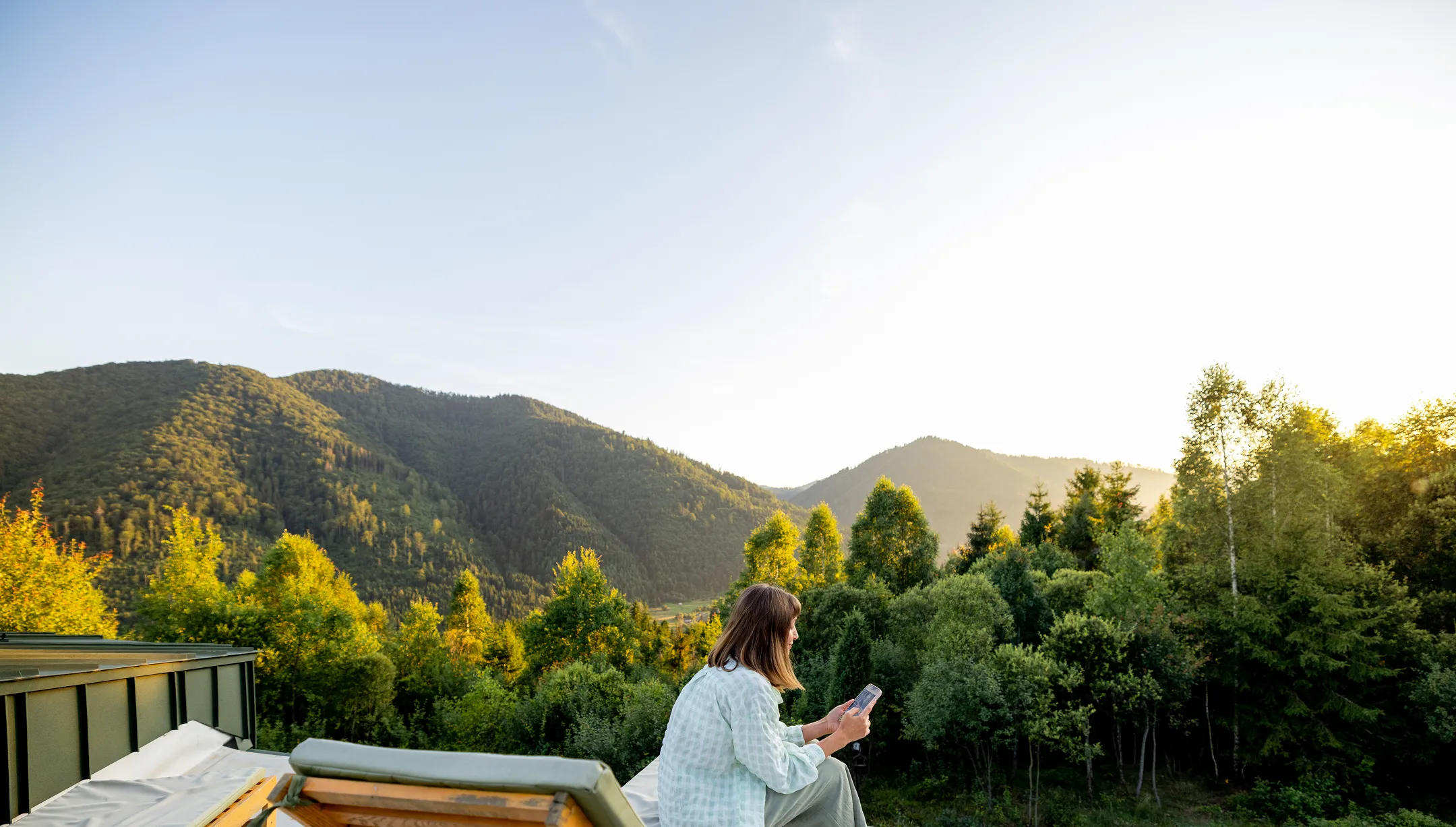
Hartford, Tennessee, is seeing promising short-term rental performance, with July being the peak month for bookings and indicating potential for steady revenue, despite the area having a relatively small number of active Airbnb listings.
Want to see how much your property could earn?
Check out our Airbnb Revenue Calculator tool!


General Rental Data
Daily rates
Looking to invest in a vacation rental? Check out our ROI tool to calculate your future rental’s real profit potential!
Short-Term Rental Market in Hartford, Tennessee (2026)
Granular market data for Hartford, Tennessee remains limited as of 2026, as smaller and emerging short-term rental markets are not consistently captured by major data providers like AirDNA. However, broader Tennessee trends suggest continued demand for vacation rentals, particularly in markets offering unique experiences, scenic appeal, or proximity to established tourist destinations.
Through 2025–2026, the Tennessee short-term rental market has seen modest ADR growth of 3–5% industry-wide, partially offset by occupancy compression as supply has continued to expand. Operators in markets like Hartford should evaluate hyperlocal factors — seasonality, regulatory environment, and competing accommodation supply — before making investment decisions.
Market estimates as of 2026. Conditions vary; consult local operators for current data.
Short-Term Rental Regulations in Hartford, Connecticut (Not Tennessee) for 2026
Note:
Since the query mentions Hartford, but it seems there might be confusion as Hartford is a city in Connecticut, not Tennessee, the following regulations are for Hartford, Connecticut.
Key Regulations:
Licensing and Permits
- Short-term rental operators must secure zoning permits as a foundational requirement for their rental operations.
- A Rental License is required, which covers the entire building and replaces the need for a Certificate of Apartment Occupancy (CAO) for each unit.
Application and Fees
- Submission of an application with all required documents, fees, and successful building inspections is necessary.
- Fees vary based on the type and size of the rental structure (e.g., $60 plus $40 per unit for buildings with 40 or more units).
Zoning and Occupancy
- Rentals must comply with zoning codes that dictate where and how short-term rentals can operate, including factors like the number of allowable guests and parking logistics.
- Maximum occupancy caps are enforced, and special permits may be required for exemptions beyond default regulation thresholds.
Safety and Health
- Compliance with safety codes, including requirements for smoke alarms, fire sprinklers, and carbon monoxide alarms, is mandatory.
Tax Obligations
- Short-term rental operators must comply with tax regulations, including collecting and remitting relevant taxes.
Community Restrictions
- Homeowners associations (HOAs) or coop boards can impose restrictions or bans on short-term rentals if such provisions exist in their governing documents.
Penalties for Non-Compliance
- Failure to submit a rental license application or operating without a required Rental License can result in daily fines per unit and other penalties.
Renewal Requirements
- Rental Licenses must be renewed before their expiration, with renewal applications and fees submitted accordingly.
Given that Hartford is in Connecticut and not Tennessee, these regulations are specific to Hartford, Connecticut. If you are looking for regulations in Tennessee, you would need to refer to cities like Chattanooga, Nashville, or Knoxville within that state.
Regulatory information last reviewed for accuracy in 2026. Local STR ordinances change frequently — verify current rules with the city or county before listing.
Top Airbnb Markets in Tennessee (Focus on Areas Near Hartford, Though Hartford Itself is Not Specifically Mentioned)
Since Hartford, Tennessee, is not explicitly mentioned in the provided sources, the following list will highlight some of the most lucrative and appealing Airbnb markets in Tennessee, which could be of interest to investors and guests alike.
Nashville, TN
- Annual Revenue: $45,610
- Average Daily Rate: $208
- Occupancy Rate: 60%
- Appeal: Nashville is known for its vibrant music scene, cultural attractions, and a thriving downtown area. Guests are drawn to its live music venues, restaurants, and historical landmarks.
Pigeon Forge, TN
- Annual Revenue: $51,028
- Average Daily Rate: $205
- Occupancy Rate: 65%
- Appeal: Pigeon Forge is a popular vacation spot due to its proximity to the Great Smoky Mountains National Park, Dollywood theme park, and various family-friendly activities.
Gatlinburg, TN
- Annual Revenue: $55,911
- Average Daily Rate: $231
- Occupancy Rate: 67%
- Appeal: Gatlinburg is renowned for its natural beauty, outdoor activities, and a wide range of accommodations. It attracts guests with its ski resorts, hiking trails, and scenic views.
Franklin, TN
- Annual Revenue: $50,837
- Average Daily Rate: $188
- Occupancy Rate: 74%
- Appeal: Franklin is a charming town with a rich history, historic downtown area, and proximity to Nashville. Guests enjoy its boutique shops, restaurants, and cultural events.
Sevierville, TN
- Annual Revenue: $47,369
- Average Daily Rate: $213
- Occupancy Rate: 61%
- Appeal: Sevierville offers a mix of outdoor activities, family-friendly attractions, and easy access to the Great Smoky Mountains. It is also known for its wineries and golf courses.
Chattanooga, TN
- Annual Revenue: $30,023
- Average Daily Rate: $130
- Occupancy Rate: 61%
- Appeal: Chattanooga is appealing due to its scenic riverfront, outdoor recreation opportunities, and attractions like the Tennessee Aquarium and Lookout Mountain.
These areas are highly attractive to guests due to their unique blend of natural beauty, cultural activities, and family-friendly attractions, making them top choices for Airbnb investments in Tennessee.
Furnishing and Design Tips for an Inviting Airbnb in Hartford, Tennessee
Defining Your Property's Aesthetic
- Define your property's aesthetic based on Hartford's unique style and your target guest audience. Consider the local culture, natural surroundings, and the city's charm to create a cohesive and inviting space.
Measuring and Layout
- Measure your rooms and plan the layout carefully to ensure ample space for guests to move around. Avoid blocking natural light sources and maintain a functional and spacious feel.
Smart Storage and Space-Saving Furniture
- Use smart storage solutions such as beds with drawers, wall hooks, and stackable containers to keep the space tidy and organized.
- Opt for space-saving furniture like sofa beds, folding tables, and ottomans with hidden storage compartments to maximize functionality.
Timeless and Durable Furniture
- Choose timeless, sturdy pieces that will last, rather than trendy items that may quickly go out of style.
- Select furniture that is easy to clean and maintain, considering the input of your cleaning crew on what holds up best against wear and tear.
Lighting and Mirrors
- Use mirrors to make your Airbnb feel bigger and brighter. A full-length mirror is essential for guests getting ready, and ensure there is a power socket nearby for hair dryers and straighteners.
- Ensure good lighting throughout the property, including desk lamps and sufficient natural light.
Comfort and Functionality
- Invest in a solid bed with a mattress that is at least 8 inches thick. Memory foam mattresses are more durable and cost-effective than spring mattresses.
- Provide high-quality, durable towels in neutral colors and ensure enough storage for guests' toiletries and personal items.
Kitchen and Dining Essentials
- Stock up on basic cookware, utensils, and dinnerware. Include items like a cutting board, measuring cups, and a corkscrew.
- Ensure there is plenty of space for food storage, including a pantry or cupboards, and provide sealed containers for leftovers and dry goods.
Workspace for Guests
- Provide a sturdy desk and a comfortable chair for guests who need to work.
- Ensure high-speed internet and consider a Wi-Fi booster if the property is large. Add a desk lamp, some stationery, and a power strip for convenience.
Safety and Accessibility
- Install smoke detectors, carbon monoxide detectors, and a first aid kit.
- Consider making your Airbnb accessible to guests with disabilities by including features like ramps, wide doorways, and grab bars in bathrooms.
Seasonal Updates
- Plan furniture updates during the off-season or short gaps between bookings to minimize disruption and keep the property in top shape for guests.
Local Touches
- Add local touches and decor items that reflect Hartford's unique style and culture to create a welcoming and authentic atmosphere.
Budgeting and Prioritizing
- Set a budget and prioritize spending on key areas such as the living room or kitchen. Be prepared to splurge on statement pieces that define the space while being frugal on less critical items.
Discover Hartford, Tennessee: Local Attractions and Insider Tips
Local Attractions
1. Bootleggers Distillery
- A family-owned distillery with a rich history, operated by 14th-16th generation distillers. Guests can tour the distillery, learn about the distilling process, and sample unique products.
2. Pigeon River Campground
- A convenient camping spot with RV sites, tent sites, and camping cabins. It offers amenities like fire rings, picnic tables, and air conditioning in the cabins. Ideal for those looking to relax after a day of rafting or exploring.
3. Tennessee Welcome Center
- Located on land that was once part of the Cherokee National Forest, this center offers history exhibits and interesting facts about the area and its early settlers.
4. Whitewater Rafting on the Pigeon River
- Hartford is renowned for its whitewater rafting. Choose from various rafting adventures suitable for all ages and skill levels, including the Lower River and Upper River Rafting Trips.
5. Hiking Trails
- Access the Appalachian Trail from Hartford, with trails like Little Fall Branch Trail and Davenport Gap to Max Patch offering scenic hikes and beautiful views. Max Patch, just across the state line in North Carolina, is a popular spot for sunrise and sunset views.
6. Midnight Hole and Max Patch
- While not technically in Hartford, these nearby attractions are worth the drive. Midnight Hole offers a scenic spot, and Max Patch is known for its stunning views and wildflowers.
7. Triple Creek Campground
- An alternative camping option situated on 12 acres of wooded property, surrounded by three beautiful creeks. It provides a rustic and traditional camping experience.
Insider Tips
Dining
- Grab It ‘N Growl Food Truck: Located at the River Rat Whitewater Outpost, this food truck offers a variety of tasty lunch options.
Additional Activities
- Visit the Martha Sundquist State Forest: Explore the natural beauty of this forest, which is located near Hartford.
Local Knowledge
- History and Culture: Hartford was once known as Pigeon Valley and has a rich history tied to the logging industry and the construction of the Tennessee & North Carolina Railroad.
Practical Information
- Refueling Stops: Hartford is one of the few refueling stops along the 60-mile stretch of I-40 between Newport and Waynesville, North Carolina.
By sharing these attractions and tips, you can help your Airbnb guests make the most of their visit to Hartford, Tennessee, and enjoy the unique experiences this charming community has to offer.
Practical Tips to Run a Successful Short-Term Rental Business in Hartford, Tennessee
To ensure the success and smooth operation of a short-term rental business in Hartford, Tennessee, several practical tips can be implemented. First, it is crucial to comply with local noise regulations by informing guests about quiet hours through clear communication in the listing and a digital or physical house manual. This manual should also include essential instructions, Wi-Fi passwords, and other pertinent details to enhance the guest experience.
A simplified check-in process can significantly improve guest satisfaction. Utilizing smart locks eliminates the need for physical key exchanges, allowing guests to check in seamlessly. Additionally, providing detailed parking instructions accompanied by photos can help guests navigate the property easily, reducing potential confusion and stress.
By addressing these aspects, you can create a welcoming and well-organized environment that fosters positive reviews and repeat bookings, ultimately contributing to the success of your short-term rental business in Hartford, Tennessee.
Short-Term Rental Management Fees in Hartford, Tennessee (2026)
Short-term rental management fees in Hartford, Tennessee in 2026 typically range from 15% to 30% of gross rental revenue, depending on the scope of services provided. Full-service management — covering guest communication, channel distribution across Airbnb, Vrbo, and Booking.com, dynamic pricing, cleaning coordination, and 24/7 guest support — generally falls in the 22% to 30% range. Co-hosting or partial-service arrangements that leave more responsibility with the owner usually run 15% to 20%.
Industry-wide management fees have crept upward by roughly 1–2 percentage points since 2024 as operating costs, insurance premiums, and labor expenses have risen across the vacation rental sector. Hartford-area managers may also charge separately for cleaning turnovers, maintenance dispatch, linen programs, and listing optimization. Some full-service operators in Tennessee now offer guaranteed-rent or revenue-share hybrid models, which can be worth comparing against a flat percentage structure for higher-revenue properties.
Market estimates as of 2026. Conditions vary; consult local operators for current data.
Short-Term Rental Market in Hartford, Tennessee (2026)
Granular market data for Hartford, Tennessee remains limited as of 2026, as smaller and emerging short-term rental markets are not consistently captured by major data providers like AirDNA. However, broader Tennessee trends suggest continued demand for vacation rentals, particularly in markets offering unique experiences, scenic appeal, or proximity to established tourist destinations.
Through 2025–2026, the Tennessee short-term rental market has seen modest ADR growth of 3–5% industry-wide, partially offset by occupancy compression as supply has continued to expand. Operators in markets like Hartford should evaluate hyperlocal factors — seasonality, regulatory environment, and competing accommodation supply — before making investment decisions.
Market estimates as of 2026. Conditions vary; consult local operators for current data.


Trusted by Travelers Worldwide
Join millions of guests who have booked unforgettable stays through RedAwning's network of premium vacation rentals.