
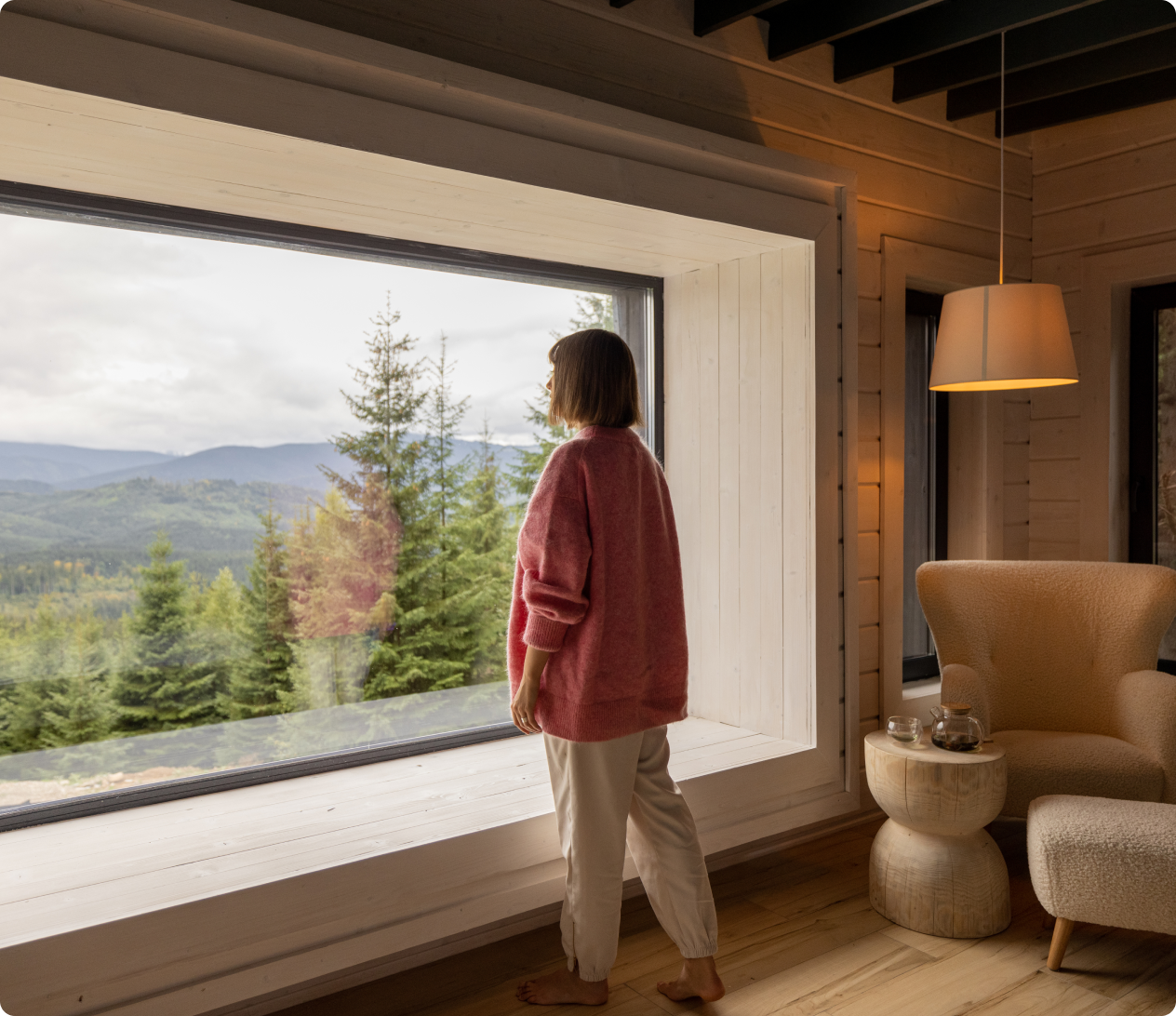
The short-term rental market in Fish Camp, California, is thriving, with an average 53% occupancy rate, a daily rate of $406, and significant monthly revenue of $53,462, driven by high demand from nature lovers and outdoor enthusiasts visiting Yosemite National Park.
Want to see how much your property could earn?
Check out our Airbnb Revenue Calculator tool!


General Rental Data
Daily rates
Looking to invest in a vacation rental? Check out our ROI tool to calculate your future rental’s real profit potential!
Short-Term Rental Market in Fish Camp, California (2026)
Fish Camp, California, continues to show resilient short-term rental performance heading into 2026. The average daily rate is approximately $418. These figures reflect 2024 baseline data adjusted for 2025–2026 ADR growth of 3–5% and the modest occupancy compression seen across the U.S. short-term rental sector as new supply has entered the market.
For investors and operators evaluating Fish Camp, the broader California dynamic remains favorable: rate strength continues to offset volume softness, keeping RevPAR (revenue per available rental) relatively stable year-over-year. Hyperlocal factors — neighborhood-level demand, seasonality, and the regulatory environment — should be confirmed before making investment or pricing decisions.
Market estimates as of 2026. Conditions vary; consult local operators for current data.
Short-Term Rental Regulations in Fish Camp, California for 2026
General Requirements
- Location and Context: Fish Camp is located in the county of Mariposa, within the Sierra National Forest and serving as a gateway to Yosemite National Park.
Licensing and Taxation
- Transient Occupancy Tax (TOT) Certificate: All short-term rental hosts must obtain a TOT certificate and pay a 12% TOT on all bookings less than 30 days.
- Tax Compliance: Hosts are responsible for collecting and remitting the TOT; Airbnb may collect this tax on behalf of the county, but other booking sites do not.
Occupancy and Capacity
- Occupancy Limits: Hosts must adhere to the county's occupancy limits, which are based on the size of the property and the number of bedrooms.
- Maximum Occupancy: Typically, two adult overnight guests per bedroom, though specific limits may vary based on local regulations.
Environmental and Community Regulations
- Noise, Parking, and Waste Management: Strict rules are in place to preserve the tranquility and cleanliness of the area, including regulations on noise, parking, and waste management.
Safety Inspections
- While specific to Tuolumne County, nearby areas may also require fire and life safety inspections for short-term rentals. It is essential to check with Mariposa County for any similar requirements.
Compliance and Penalties
- Compliance with Regulations: Non-compliance with local regulations can result in hefty fines and potential revocation of the TOT certificate.
- Local Contact and Emergency Information: Hosts must provide contact information for a local contact person or host, which is crucial for compliance and emergency situations.
Seasonal and Market Considerations
- Seasonal Fluctuations: Hosts must be adaptable to seasonal changes in visitor numbers, peaking in summer months and during ski season.
- Sustainable Hosting Practices: There is a strong emphasis on sustainable hosting practices due to the area's strict environmental regulations.
Regulatory information last reviewed for accuracy in 2026. Local STR ordinances change frequently — verify current rules with the city or county before listing.
Top Airbnb Revenue-Generating Neighborhoods in Fish Camp, California
While specific neighborhood data within Fish Camp, California, is not extensively detailed in the sources, here are some key insights and surrounding context that highlight why Fish Camp as a whole, and its immediate areas, are appealing for guests and potentially lucrative for Airbnb hosts.
Fish Camp and Surrounding Areas
Appeal to Guests
- Proximity to Yosemite National Park: Fish Camp serves as a gateway to Yosemite, making it highly attractive to nature lovers, hikers, and outdoor enthusiasts.
- Seasonal Demand: The area experiences peak demand during late spring through summer and a smaller surge during winter holidays and ski season, offering opportunities for higher occupancy rates and revenue.
- Unique Experiences: Properties that can accommodate larger groups or offer unique experiences, such as cozy cabins with mountain views or amenities like hiking gear rentals and guided tours, are particularly appealing.
Regulatory and Environmental Considerations
- Local Regulations: Hosts must comply with Mariposa County's regulations, including obtaining a Transient Occupancy Tax (TOT) certificate and adhering to occupancy limits, noise, parking, and waste management rules.
Nearby Areas with Similar Appeal
While Fish Camp itself is the primary focus, nearby areas that share similar characteristics can also be considered:
Wawona
- Located near Fish Camp, Wawona is another high-demand tourist area within Yosemite National Park. It offers similar attractions and opportunities for high ROI due to its proximity to the park.
Yosemite West
- Though not in Fish Camp, Yosemite West is a nearby area that is highly profitable for Airbnb hosts. It has an average occupancy rate of 65% and an average daily rate of $323, making it an attractive option for investors.
Summary
While Fish Camp does not have distinct neighborhoods listed, its unique position near Yosemite National Park and the surrounding natural beauty make it an extremely appealing location for Airbnb guests. Here are the key points:
- Fish Camp: The entire area is a magnet for nature lovers and outdoor enthusiasts due to its proximity to Yosemite.
- Wawona and Yosemite West: These nearby areas offer similar high-demand scenarios and are worth considering for investment due to their proximity to Yosemite National Park.
These areas are lucrative because they offer a blend of comfort, unique experiences, and proximity to one of the world's most iconic national parks.
Tips for Furnishing and Design of an Airbnb in Fish Camp, California
Emphasize Outdoor Amenities
- Incorporate outdoor spaces such as decks, patios, and BBQ areas to allow guests to enjoy the stunning natural surroundings of the Sierra National Forest and Yosemite National Park.
- Add features like fire pits, outdoor seating areas, and gardens to enhance the immersive outdoor experience.
Cater to the Adventurous Spirit
- Include amenities that support outdoor activities, such as on-site gear rentals for hiking, fishing, or skiing. This will appeal to the adventurous nature of Fish Camp visitors.
Cozy and Comfortable Indoor Spaces
- Design indoor spaces with a cozy and rustic theme, incorporating elements like fireplaces, wooden finishes, and comfortable furnishings to match the area's cooler climate.
- Ensure living areas are well-appointed with modern amenities like smart TVs and fully equipped kitchens to provide the comforts of home.
Utilize Local and Natural Materials
- Use local and natural materials in the design and furnishing to reflect the area's unique style and blend seamlessly with the surroundings.
Ensure Strong Connectivity
- Provide strong Wi-Fi signals throughout the property, as this is a crucial amenity for guests in a remote location.
Family-Friendly and Functional Layouts
- Design the layout to be family-friendly, with amenities such as high chairs, travel cribs, and dedicated workspaces if applicable. Ensure the space is functional and comfortable for various group sizes.
Maintain a Clean and Well-Maintained Property
- Regular maintenance is essential due to the natural elements in the area. Ensure a reliable local team is available for quick turnaround on cleaning and repairs to enhance guest satisfaction.
Stay Updated with Local Trends and Events
- Keep the property updated with information on local events and park activities to attract guests and enhance their stay experience.
Personalized and Authentic Experience
- Create a unique and personalized experience by incorporating local artwork, DIY elements, and thoughtful decor that reflects the area's charm and character.
Discover Fish Camp, California: Local Attractions and Insider Tips
Local Attractions
Mariposa Grove of Giant Sequoias
- Located just outside Yosemite National Park’s South Gate, this grove is home to hundreds of the world’s tallest and oldest living trees, including the Grizzly Giant.
Yosemite Mountain Sugar Pine Railroad
- A historic heritage tourist line offering scenic rides through the Sierra National Forest. A great way to experience the local logging history.
Nelder Grove
- Features the Shadow of the Giants Interpretive Trail, a 1-mile hike leading to a grove of about 100 mature giant sequoias, including the 246-ft. tall Bull Buck.
Lewis Creek Trail
- Offers a two-for-one waterfall experience with Corlieu Falls and Red Rock Falls, both accessible via short hikes from the trailhead on Highway 41.
Goat Meadow Snow Play Area
- A popular spot for winter activities such as tubing, sledding, and snowshoeing, located just off Highway 41 between Fish Camp and Yosemite National Park.
Tenaya at Yosemite
- A fully-featured family resort with amenities including multiple swimming pools, a full-service spa, hot tubs, and an archery range. Ideal for both relaxation and adventure.
Insider Tips
Getting Around
- Use the shuttle bus service from the car park to access Mariposa Grove and other areas within Yosemite National Park. Registration may be required for park access.
Dining
- Enjoy dining at the restaurants in Fish Camp, including the option to dine on Jackalopes Patio during summer stays.
Winter Activities
- Take advantage of the Sierra sledding hills and snow play areas, such as the Goat Meadow Snow Play Area, for classic winter fun.
Protected Species
- Be aware of and respect the protected species in the area, including the California Spotted Owl, Great Gray Owl, and Sierra Nevada Red Fox.
Logging History
- Explore the historical aspects of Fish Camp by learning about its logging past and visiting sites like the Yosemite Mountain Sugar Pine Railroad.
Accommodation Tips
- For a more immersive experience, consider staying in vacation rentals or the Explorer Cabins at Tenaya at Yosemite, which offer a range of activities and amenities.
By sharing these attractions and tips, you can help your guests make the most of their visit to Fish Camp and enjoy the unique experiences this charming town has to offer.
Practical Tips to Run a Successful Short Term Rental Business in Fish Camp, California
To ensure a successful and compliant short-term rental business in Fish Camp, California, several key practices are essential. First, it is crucial to inform guests about the local noise regulations, including quiet hours, to maintain the tranquility of the area and avoid fines. This can be effectively communicated through a comprehensive digital and physical house manual that includes instructions on noise levels, Wi-Fi passwords, and other important house rules.
Creating a detailed house manual helps in setting clear expectations and reduces the likelihood of misunderstandings. Additionally, implementing a simplified check-in process using smart locks can enhance guest satisfaction and convenience. Providing parking instructions with photos can also help guests navigate the property easily, especially in a remote location like Fish Camp.
Moreover, adhering to the county's strict environmental regulations, such as those related to waste management and occupancy limits, is vital to avoid penalties and ensure sustainable hosting practices. By combining these strategies, hosts can optimize their rental yields, maintain high guest satisfaction, and comply with local regulations, making their short-term rental business in Fish Camp a success.
Short-Term Rental Management Fees in Fish Camp, California (2026)
Short-term rental management fees in Fish Camp, California in 2026 typically range from 15% to 30% of gross rental revenue, depending on the scope of services provided. Full-service management — covering guest communication, channel distribution across Airbnb, Vrbo, and Booking.com, dynamic pricing, cleaning coordination, and 24/7 guest support — generally falls in the 22% to 30% range. Co-hosting or partial-service arrangements that leave more responsibility with the owner usually run 15% to 20%.
Industry-wide management fees have crept upward by roughly 1–2 percentage points since 2024 as operating costs, insurance premiums, and labor expenses have risen across the vacation rental sector. Fish Camp-area managers may also charge separately for cleaning turnovers, maintenance dispatch, linen programs, and listing optimization. Some full-service operators in California now offer guaranteed-rent or revenue-share hybrid models, which can be worth comparing against a flat percentage structure for higher-revenue properties.
Market estimates as of 2026. Conditions vary; consult local operators for current data.
Short-Term Rental Market in Fish Camp, California (2026)
Fish Camp, California, continues to show resilient short-term rental performance heading into 2026. The average daily rate is approximately $418. These figures reflect 2024 baseline data adjusted for 2025–2026 ADR growth of 3–5% and the modest occupancy compression seen across the U.S. short-term rental sector as new supply has entered the market.
For investors and operators evaluating Fish Camp, the broader California dynamic remains favorable: rate strength continues to offset volume softness, keeping RevPAR (revenue per available rental) relatively stable year-over-year. Hyperlocal factors — neighborhood-level demand, seasonality, and the regulatory environment — should be confirmed before making investment or pricing decisions.
Market estimates as of 2026. Conditions vary; consult local operators for current data.


Trusted by Travelers Worldwide
Join millions of guests who have booked unforgettable stays through RedAwning's network of premium vacation rentals.