
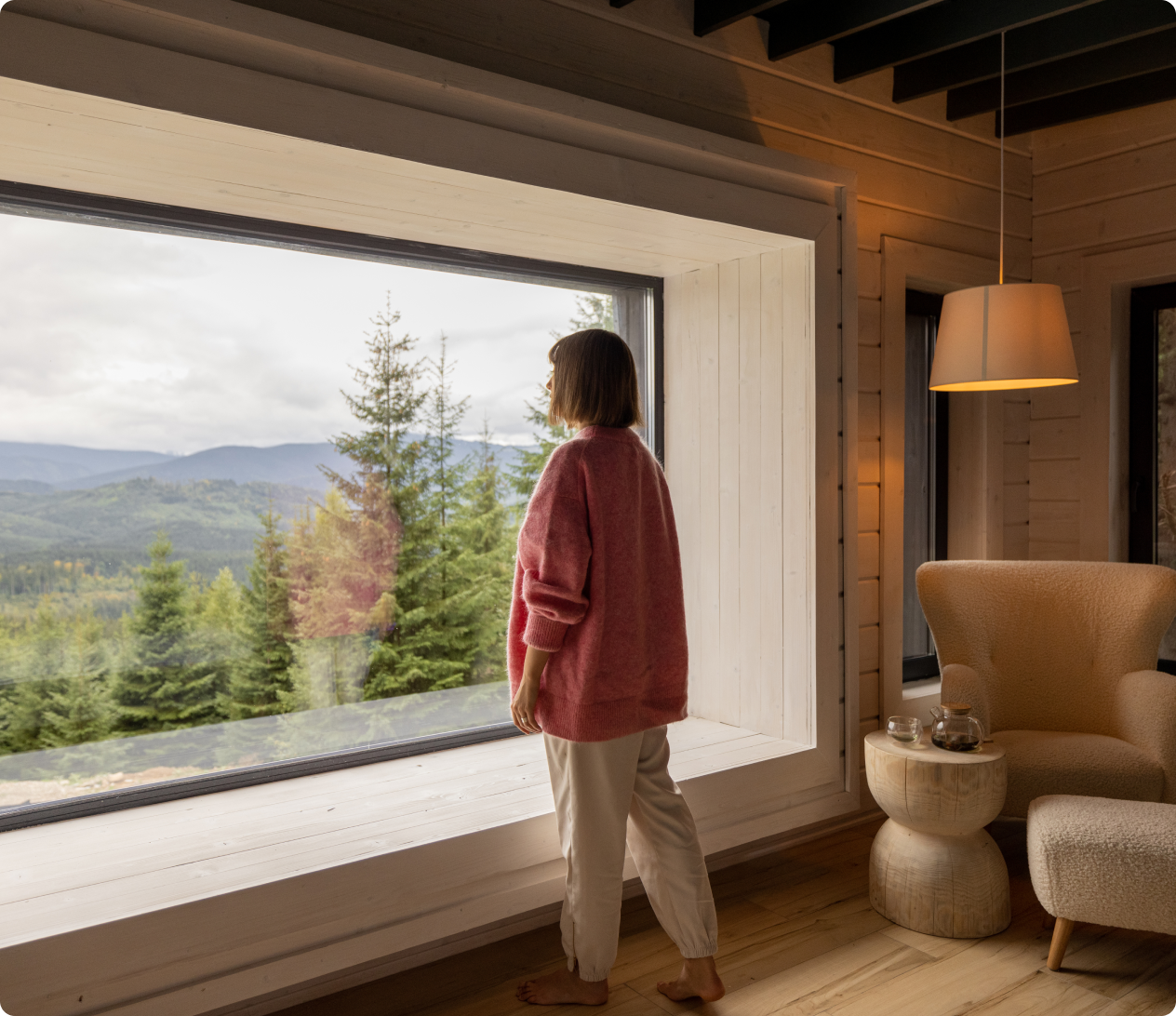
Despite current challenges such as oversaturation and declining revenue, Big Bear, California's short-term rental market still offers promising opportunities with a median occupancy rate of 37%, average daily rates of $235, and potential for stabilization and growth as the market adjusts to supply and demand dynamics.
Want to see how much your property could earn?
Check out our Airbnb Revenue Calculator tool!


General Rental Data
Daily rates
Looking to invest in a vacation rental? Check out our ROI tool to calculate your future rental’s real profit potential!
Short-Term Rental Market in Big Bear, California (2026)
Big Bear, California, continues to show resilient short-term rental performance heading into 2026. The average daily rate is approximately $244. These figures reflect 2024 baseline data adjusted for 2025–2026 ADR growth of 3–5% and the modest occupancy compression seen across the U.S. short-term rental sector as new supply has entered the market.
For investors and operators evaluating Big Bear, the broader California dynamic remains favorable: rate strength continues to offset volume softness, keeping RevPAR (revenue per available rental) relatively stable year-over-year. Hyperlocal factors — neighborhood-level demand, seasonality, and the regulatory environment — should be confirmed before making investment or pricing decisions.
Market estimates as of 2026. Conditions vary; consult local operators for current data.
Short-Term Rental Regulations in Big Bear, California for 2026
Key Requirements
Registration Application
- Hosts must submit a Vacation Rental Program Registration Application. If the property is used for free by friends or family, an additional "Friends & Family Form" is necessary.
Permit Fee
- A permit fee of $550 is required as part of the registration process.
Home Inspection
- Properties need to pass a home inspection before they can be rented out. Hosts cannot rent their property while waiting for inspection results.
Listing Compliance
- Once registered, hosts must ensure to include their registration details on their Airbnb listings to comply with local regulations.
Zoning and Location
- Vacation rentals are regulated within the zip code 92315. Properties outside this zip code fall under San Bernardino County regulations.
Occupancy and Use Restrictions
- Short-term rentals are subject to limitations on occupants and cannot be used for commercial activities such as weddings, corporate retreats, or filming without an approved County-issued permit.
Compliance with Codes
- Compliance with relevant Fire, Building, Zoning, and Health and Safety Codes is mandatory.
Contact Information
- The owner/manager must provide a 24-hour phone number for complaint resolution.
Tax Obligations
- Hosts must be aware of and comply with tax obligations related to short-term rentals, including transient occupancy taxes.
Renewal of Permits
- Permits are valid for one year and need to be renewed annually. Permits are not transferable through ownership.
Regulatory information last reviewed for accuracy in 2026. Local STR ordinances change frequently — verify current rules with the city or county before listing.
High-Revenue Neighborhoods for Airbnb in Big Bear, California
Top Neighborhoods and Their Appeal
Big Bear Lake Village
- Location: Central to most recreational activities and events in Big Bear.
- Appeal: Proximity to the lake, ski resorts, and village amenities makes it the highest grossing area for vacation rentals. Guests are attracted to the convenience and accessibility to various activities and services.
Big Bear City
- Location: Close to the ski slopes and the lake, but slightly further from the central village.
- Appeal: Offers a balance between proximity to key attractions and a more residential atmosphere. It is the next most lucrative area after the village due to its accessibility to ski resorts and the lake.
Snow Summit and Bear Mountain Areas
- Location: Near the ski resorts.
- Appeal: These areas are highly appealing to winter sports enthusiasts and those looking for easy access to skiing and snowboarding facilities. The proximity to these popular ski resorts increases the demand for vacation rentals.
The Village and Surrounding Areas (e.g., Pine Knot Marina, Juniper Point)
- Location: Central to the village and key recreational spots.
- Appeal: Guests are drawn to the vibrant village atmosphere, access to dining, shopping, and recreational activities such as boating and hiking. The scenic views and amenities like Pine Knot Marina and Juniper Point add to the appeal.
Sugarloaf
- Location: Further out from the central attractions but still within Big Bear.
- Appeal: While not as central, Sugarloaf offers a more secluded experience and can be appealing to those looking for a quieter stay. It still benefits from being within the Big Bear area, making it accessible to various activities.
Additional Factors Contributing to Appeal
- Amenities: Properties with amenities such as hot tubs, game tables, internet, and pet-friendly policies tend to be more desirable and can command higher nightly rates.
- Reviews and Maintenance: Well-maintained properties with positive reviews on platforms like Airbnb and VRBO attract more repeat bookings and higher revenue.
- Seasonal Demand: Areas that cater to both summer and winter activities, such as skiing and hiking, tend to have a more consistent and higher revenue stream throughout the year.
Crafting an Inviting Airbnb in Big Bear, California: Design and Furnishing Tips
To create an Airbnb in Big Bear, California, that stands out and reflects the city's unique style, consider the following tips:
Location and Layout
- Opt for Prime Locations: Choose properties near the lakefront, ski resorts like Snow Summit and Bear Mountain, and areas like the Village for easy access to dining, shopping, and local events.
Design Style
- Rustic Charm and Modern Comforts: Incorporate cabin-inspired designs featuring natural woods and stone elements, blended with modern touches to create a cozy and inviting atmosphere.
- Contemporary Mountain Chic: Combine rustic materials with modern decor to appeal to a wide range of guests.
Essential Amenities
- High-Quality Furnishings: Invest in plush seating, comfortable bedding, and modern appliances to enhance guest comfort and satisfaction.
- Outdoor Spaces: Include amenities like hot tubs, outdoor fireplaces, and game rooms to provide comfort and entertainment after outdoor activities.
Guest Experience
- Personalized Welcome: Offer a warm welcome with personalized baskets or notes, including local snacks and a guidebook with recommendations for dining and activities.
- Essential Facilities: Ensure high-quality internet, ample parking, a well-equipped kitchen, and laundry facilities to cater to both leisure and business travelers.
Interior Design Details
- Open Floor Plans: Opt for homes with open floor plans and high cathedral-style ceilings to create a spacious and welcoming environment.
- Adequate Bathrooms: Ensure there are enough bathrooms to support the number of guests, enhancing the overall comfort and convenience.
Local Touches
- Proximity to Attractions: Highlight the proximity to local attractions like Bear Mountain Resort, Big Bear Marina, and hiking trails in your listing to attract guests interested in these activities.
- Local Decor: Incorporate local elements and decor that reflect the mountain community and natural beauty of Big Bear Lake.
Cleanliness and Safety
- Prioritize Cleanliness: Ensure the property is meticulously clean and well-maintained to foster a sense of trust and well-being among guests.
- Safety Measures: Implement necessary safety measures and ensure compliance with local rental ordinances to avoid any issues.
Visual Appeal
- Professional Photography: Invest in professional photography to capture the essence of your home in the best light, including shots of every room and outdoor spaces.
- Keyword Optimization: Tailor your property’s description to include keywords specific to Big Bear Lake experiences to enhance online visibility.
By following these tips, you can create an inviting and memorable Airbnb space in Big Bear, California, that resonates with guests and stands out in the competitive market.
Discovering Big Bear, California: Local Attractions and Insider Tips for Airbnb Hosts
Summer Attractions
Adventure and Thrills
- Mountain Bike Park at Snow Summit: Southern California's largest mountain bike park, offering trails for all skill levels.
- Ultimate Zipline Tour & Suspension Bridge: A 3-hour zipline tour with 9 high-speed zipline runs, off-road vehicles, and stunning views of Johnson Valley and Mt. San Gorgonio.
- Alpine Slide at Magic Mountain: An authentic bobsled experience with scenic chairlift rides and other activities like go-karts and mini golf.
Family Fun
- Big Bear Alpine Zoo: A rehabilitation facility with over 85 animal and bird species, offering educational programs and activities.
- Big Bear Village: A charming commercial district for shopping, dining, and nightlife. Enjoy holiday decorations and events like Halloween and Christmas festivities.
- Big Bear Discovery Center: Learn about the San Bernardino National Forest through nature walks, story time, and nature crafts.
Outdoor Activities
- Hike Up Castle Rock Trail: A 2.7-mile out-and-back trail with sweeping vistas over Big Bear Lake and the surrounding mountains. Leashed dogs are welcome.
- Alpine Pedal Path: A 5.2-mile out-and-back asphalt path along Big Bear Lake’s north shore, suitable for biking and walking.
- Big Bear Lake Water Sports: Rent paddleboards, pontoon boats, sailboats, and more for activities like kayaking, wakeboarding, and fishing.
Winter Attractions
Skiing and Snowboarding
- Big Bear Mountain Resort: Offers skiing, snowboarding, and snow tubing with lessons, rentals, and innovative terrain parks.
Family Winter Fun
- Snow Tubing at Grizzly Ridge Tube Park: High-speed snow tubing for all ages, with a magic carpet to the top.
- The Bowling Barn: A state-of-the-art bowling alley with 16 lanes, snacks, and a full bar.
- Village Movie Theater: Catch a movie and enjoy family fun in the heart of Big Bear Village.
Unique Experiences
- Helicopter Tours: Scenic aerial tours above the mountains and Big Bear Valley.
- Big Bear Queen and Pirate Ship Lake Cruise: Explore the lake on a paddlewheel boat or enjoy a pirate-themed cruise.
Year-Round Attractions
Local Tours and Experiences
- Betty’s Buggies Big Bear Lake: Explore historical regions in vibrantly-colored 60’s and 70’s style VW dune buggies, perfect for families and groups.
- Action Tours Ziplining: A 3-hour zipline tour with expert guides, including a 2-mile ride through unmaintained mountain terrain.
Shopping and Dining
- Big Bear Village Shopping and Dining: Free public parking, various restaurants, and endless shopping options. Don’t miss the Teddy Bear Restaurant, Fire Rock, and The Brewery.
Insider Tips
Local Events
- Oktoberfest: Enjoy live music, German food, and festivities at 7,000 feet.
- 4th of July Fireworks: A spectacular display in the mountains.
- Renaissance Fair: A unique cultural event in Big Bear.
Practical Information
- Big Bear Visitors Center: A one-stop shop for information on things to do in town, located in the heart of The Village.
- Road Conditions and Weather: Check the official Big Bear website for updates before planning your trip.
Outdoor Gear and Rentals
- Get Boards Ride Shop: Save with discounted lift tickets and ski/snowboard rentals.
- Big Bear Sporting Goods: Everything you need for fishing and other outdoor activities.
By providing these attractions and insider tips, your Airbnb guests will have a comprehensive guide to enjoying the best of Big Bear, California.
Practical Tips to Run a Successful Short-Term Rental Business in Big Bear, California
To ensure a smooth and profitable short-term rental business in Big Bear, California, several key practices should be implemented. Here are some practical tips:
Noise Regulations and Quiet Hours
Inform your guests about the local noise regulations and quiet hours to avoid complaints and potential fines. Big Bear has strict enforcement, so it is crucial to include this information in your house manual and communicate it clearly during the booking process.
Digital and Physical House Manual
Create a comprehensive digital and physical house manual that includes essential instructions, Wi-Fi passwords, and other important details about the property. This manual should also outline the noise regulations, maximum occupancy rules, and any other local ordinances that guests need to adhere to.
Simplified Check-in Process
Utilize smart locks to streamline the check-in process, eliminating the need for physical key exchanges. Provide guests with clear instructions on how to access the property, and include photos to help them navigate any specific steps or features of the smart lock system.
Parking Instructions with Photos
Ensure that your guests are aware of the parking rules and availability by providing detailed parking instructions accompanied by photos. This is particularly important in Big Bear, where parking can be limited and regulated. Clearly indicate the maximum number of vehicles allowed and any specific parking spots assigned to the property.
By following these tips, you can enhance the guest experience, reduce potential issues, and maintain compliance with local regulations, ultimately contributing to a successful and stress-free short-term rental business in Big Bear.
Short-Term Rental Management Fees in Big Bear, California (2026)
Short-term rental management fees in Big Bear, California in 2026 typically range from 15% to 30% of gross rental revenue, depending on the scope of services provided. Full-service management — covering guest communication, channel distribution across Airbnb, Vrbo, and Booking.com, dynamic pricing, cleaning coordination, and 24/7 guest support — generally falls in the 22% to 30% range. Co-hosting or partial-service arrangements that leave more responsibility with the owner usually run 15% to 20%.
Industry-wide management fees have crept upward by roughly 1–2 percentage points since 2024 as operating costs, insurance premiums, and labor expenses have risen across the vacation rental sector. Big Bear-area managers may also charge separately for cleaning turnovers, maintenance dispatch, linen programs, and listing optimization. Some full-service operators in California now offer guaranteed-rent or revenue-share hybrid models, which can be worth comparing against a flat percentage structure for higher-revenue properties.
Market estimates as of 2026. Conditions vary; consult local operators for current data.
Short-Term Rental Market in Big Bear, California (2026)
Big Bear, California, continues to show resilient short-term rental performance heading into 2026. The average daily rate is approximately $244. These figures reflect 2024 baseline data adjusted for 2025–2026 ADR growth of 3–5% and the modest occupancy compression seen across the U.S. short-term rental sector as new supply has entered the market.
For investors and operators evaluating Big Bear, the broader California dynamic remains favorable: rate strength continues to offset volume softness, keeping RevPAR (revenue per available rental) relatively stable year-over-year. Hyperlocal factors — neighborhood-level demand, seasonality, and the regulatory environment — should be confirmed before making investment or pricing decisions.
Market estimates as of 2026. Conditions vary; consult local operators for current data.


Trusted by Travelers Worldwide
Join millions of guests who have booked unforgettable stays through RedAwning's network of premium vacation rentals.