
The short-term rental market in Austin, Texas, remains a viable and potentially profitable investment opportunity, characterized by strong seasonal demand, particularly during events like SXSW and the Austin City Limits Music Festival, despite some stabilization and regulatory challenges.
Want to see how much your property could earn?
Check out our Airbnb Revenue Calculator tool!


General Rental Data
Daily rates
Looking to invest in a vacation rental? Check out our ROI tool to calculate your future rental’s real profit potential!
Short-Term Rental Market in Austin, Texas (2026)
Granular market data for Austin, Texas remains limited as of 2026, as smaller and emerging short-term rental markets are not consistently captured by major data providers like AirDNA. However, broader Texas trends suggest continued demand for vacation rentals, particularly in markets offering unique experiences, scenic appeal, or proximity to established tourist destinations.
Through 2025–2026, the Texas short-term rental market has seen modest ADR growth of 3–5% industry-wide, partially offset by occupancy compression as supply has continued to expand. Operators in markets like Austin should evaluate hyperlocal factors — seasonality, regulatory environment, and competing accommodation supply — before making investment decisions.
Market estimates as of 2026. Conditions vary; consult local operators for current data.
Short-Term Rental Regulations in Austin, Texas for 2026
Licensing Requirements
- All short-term rental (STR) operators must obtain a license from the City of Austin before listing their properties. This license is valid for one year and must be renewed annually.
- The application process can be completed online or by mailing the necessary documents to the Austin Code Department.
Zoning and Property Eligibility
- Only properties located in areas zoned for residential or commercial use are eligible to operate as STRs.
- Specific rules apply to different property types, including restrictions on non-owner-occupied STRs in residential areas, although a federal court ruling has reopened the door for these types of rentals in certain cases.
Occupancy Limits
- Short-term rentals can host a maximum of six unrelated adults or up to ten related individuals, with no more than two unrelated adults per bedroom.
Safety Compliance
- STRs must meet safety requirements, including having smoke detectors, fire extinguishers, and clearly marked emergency exits. A Certificate of Occupancy must be secured before operating, which involves passing inspections that verify adherence to safety standards.
Noise and Disturbance Regulations
- Operators are responsible for minimizing noise and disturbances, particularly during the city’s enforced quiet hours from 10 PM to 7 AM. Clear contact information must be provided for neighbors to report any issues.
Tax Obligations
- Owners of STRs are required to collect a 6% Hotel Occupancy Tax (HOT) from guests and an additional 9% city tax, totaling 15%. They must register with the City to collect this tax, report it quarterly, and adhere to all tax filing requirements.
Responsible Agent Requirements
- Property owners must provide the name, street address, mailing address, and telephone number of a local contact, serving as a responsible agent for addressing issues or concerns related to the short-term rental property.
Insurance Requirements
- Property owners are typically required to maintain property insurance providing coverage for liability and property damage.
Type of STR Licenses
- Austin recognizes three distinct categories of STRs: Type 1 (owner-occupied), Type 2 (non-owner occupied), and Type 3 (multifamily). Each type has different regulations and requirements.
Compliance and Updates
- Ongoing legal challenges and recent court rulings may influence regulations; therefore, it’s essential for STR owners to stay informed of changes through official city resources.
Additional Requirements
- When advertising the rental, hosts must prominently display their license number and the occupancy limit for their property.
- Compliance with other regulations such as parking restrictions, trash collection schedules, water restrictions, and burn bans is also required.
Regulatory information last reviewed for accuracy in 2026. Local STR ordinances change frequently — verify current rules with the city or county before listing.
Top Neighborhoods for Airbnb Revenue in Austin, Texas
1. Zilker
- Average Daily Rate (ADR): $441.8, peaking at $560 in October.
- Estimated Annual Revenue: $104,800 for a 3-bedroom property.
- Appeal: Zilker is highly attractive due to its proximity to Zilker Park, Barton Springs Pool, and other outdoor attractions. The neighborhood offers a blend of natural beauty and easy access to downtown Austin, making it a paradise for nature enthusiasts and those seeking urban entertainment.
2. East Austin (EaDo)
- Average Daily Rate (ADR): $377.6, peaking at $420 in March.
- Estimated Annual Revenue: $95,100 for a 2-bedroom property.
- Appeal: East Austin, or EaDo, is an up-and-coming neighborhood known for its unique blend of art, culture, and proximity to Downtown Austin. It offers a vibrant community atmosphere and a strong cultural identity, making it appealing for guests looking for an authentic local experience.
3. Downtown Austin
- Average Daily Rate (ADR): $321.7, peaking at $378 in March.
- Estimated Annual Revenue: $84,000 for a 2-bedroom property.
- Appeal: Downtown Austin is the heart of the city, offering a vibrant atmosphere, easy access to numerous attractions, restaurants, and nightlife. It is ideal for tourists and business travelers alike, providing a central location with ample entertainment options.
4. South Congress (SoCo)
- Average Daily Rate (ADR): $291.4, peaking at $335 in October.
- Estimated Annual Revenue: $71,300 for a 2-bedroom property.
- Appeal: South Congress is famous for its eclectic mix of boutiques, restaurants, and live music venues. It serves as a hub of activity for both locals and visitors, offering a unique and iconic Austin culture experience.
5. Travis Heights
- Average Daily Rate (ADR): $338.2, peaking at $415 in October.
- Estimated Annual Revenue: $72.3K, with a maximum monthly revenue of $7,000 in October.
- Appeal: Travis Heights offers a quaint charm with its leafy streets, historic homes, and the tranquil ambiance of Stacy Park. It provides a peaceful retreat from the city’s hustle while being close to the vibrant SoCo district, making it ideal for guests seeking a serene yet accessible stay.
Featured Austin Vacation Rental
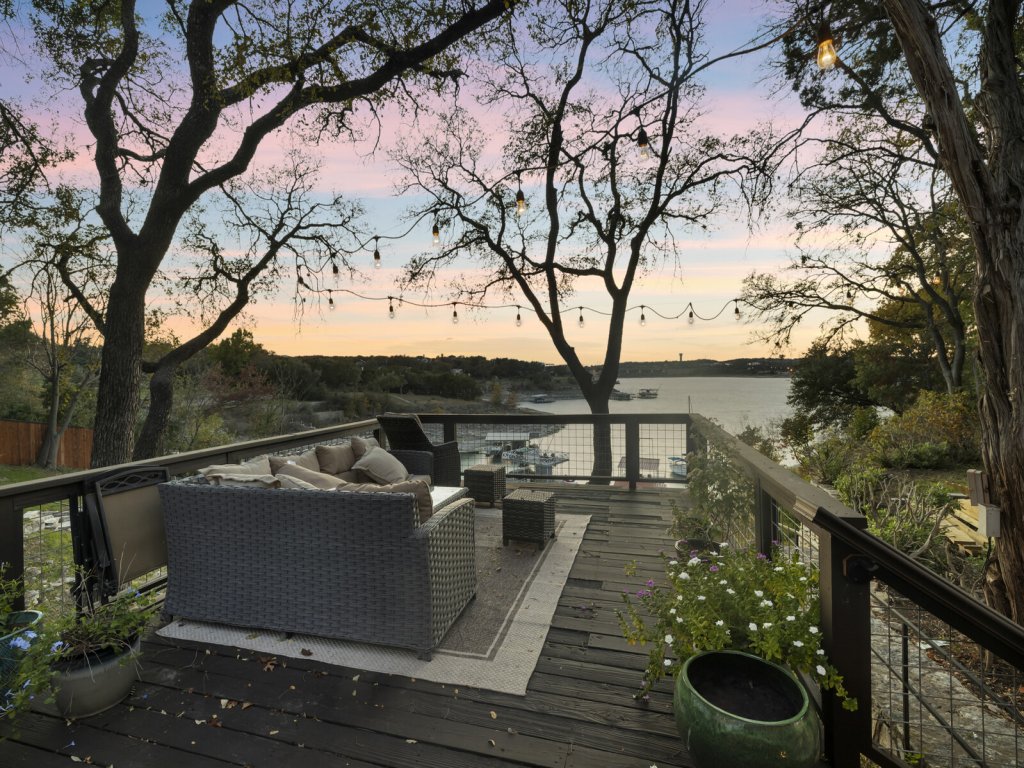
Lakefront on Lake Travis
Located right on the water front and have direct access to the lake! Boat dock available for guests to use to sunbathe, swim, and enjoy water sports. A slip for a boat can be made available by prior agreement and for a small extra fee. There are s...
View this Austin Vacation Rental
Tips for Furnishing and Designing an Inviting Airbnb in Austin, Texas
1. Incorporate Local Austin Flair
- Showcase the local Texas culture by incorporating artwork, memorabilia, or furniture inspired by the city's history or landscape. Support local artists by featuring their work in your space.
2. Add Natural Elements
- Bring in natural elements such as plants and flowers to make the space feel more alive and welcoming. If maintenance is an issue, consider using attractive artificial plants.
3. Decorate with Texture and Lighting
- Use soft pillows, throws, and touchable fabrics like wool rugs or velvet pillows to add warmth and coziness. Incorporate unique light fixtures to add visual interest.
4. Highlight Unique Features and Amenities
- Include outdoor spaces like pools, backyards, and patios where guests can enjoy the Texas sun. Modern kitchens and luxurious amenities such as hot tubs and game rooms can attract larger groups and enhance the guest experience.
5. Create a Statement Element in Each Room
- Choose one element in each room to stand out as the “statement piece,” such as a large painting or an interesting centerpiece. This will make the space memorable and attractive in online photos.
6. Reflect Austin's Eclectic and Artistic Culture
- Blend modern and rustic styles with vibrant colors to reflect Austin's artistic culture. Incorporate eco-friendly materials and bold artwork to capture the essence of the local creative community.
7. Ensure Easy Maintenance
- Opt for open shelving instead of drawers and use performance fabrics that resist stains. Choose surfaces that are easy to quickly wipe down to facilitate a faster ‘turn’ of the property.
8. Personalize the Space
- Tailor your decor to your target demographic. For example, if your property is popular with young partygoers, adjust the listing copy and decor to reflect a vibrant, party-friendly vibe.
9. Use High-Quality Beds and Linens
- Invest in high-quality beds and linens to contribute to guest satisfaction, leading to better reviews and repeat stays.
10. Highlight Proximity to Local Attractions
- Ensure your listing accurately reflects the property’s proximity to key Austin attractions like Zilker Park, the Texas State Capitol, and Sixth Street. This can significantly enhance the appeal of your Airbnb.
Discover Austin: Top Attractions and Insider Tips for Your Guests
Must-Visit Attractions
1. Texas State Capitol
- Take a free guided tour to explore the impressive architecture, original artworks, and rich history of Texas.
2. Lady Bird Lake
- Enjoy sightseeing, sunset, or moonlight cruises. For the adventurous, try kayaking or paddleboarding on the lake.
3. Wonderspaces
- An indoor art installation featuring 28,000 square feet of light, mirror, technology, and imaginative exhibits. Book tickets in advance as they often sell out.
4. Zilker Park and Botanical Garden
- Immerse yourself in native Texas flora, enjoy serene walks, and explore the picturesque trails and children's area.
5. Ann W. Richards Congress Avenue Bridge
- Witness the twilight bat viewing beneath the bridge, a unique natural spectacle in the heart of the city.
6. Bullock Texas State History Museum
- Explore three floors of exhibition galleries, an IMAX Theatre, and the Texas Spirit Theater. Don't miss The Star Cafe for a local treat.
7. Austin Duck Adventures
- Experience a land and water tour that takes you through downtown Austin and onto Lake Austin.
8. The Escape Game Austin
- Challenge your guests with one of six different escape room adventures located in downtown Austin.
9. Lake Travis Zip Lines
- For thrill-seekers, zip line through the forest and over water, offering breathtaking views and great photo opportunities.
10. Rainey Street and South Congress Avenue
- Explore these lively neighborhoods for eclectic shopping, diverse dining, vibrant street art, and live music venues.
Insider Tips
1. Live Music Scene
- Direct your guests to iconic music venues like ACL Live at The Moody Theater, South Congress Avenue, and the Red River Cultural District.
2. Local Eats and Drinks
- Recommend local favorites such as the 1886 Cafe at the historic Driskill Hotel and Craft Pride for a unique beer experience.
3. Outdoor Activities
- Suggest a visit to Barton Creek Greenbelt for hiking and swimming, or Hamilton Pool Preserve for a natural spring water pool experience.
4. Unique Attractions
- Point out quirky spots like the Museum of the Weird and the Cathedral of Junk for an authentically Austin experience.
5. Sports and Entertainment
- Inform your guests about venues like the Circuit of The Americas Race Track and the Moody Center for sports and entertainment events.
6. Seasonal Events
- Keep your guests informed about upcoming music festivals and special celebrations that Austin is known for, ensuring they don't miss out on any memorable experiences.
By providing these recommendations, you'll help your guests make the most of their visit to Austin and experience the city's unique blend of culture, nature, and entertainment.
Practical Tips to Run a Successful Short Term Rental Business in Austin, Texas
To ensure a smooth and successful short-term rental business in Austin, Texas, several practical tips can make a significant difference in the guest experience and your operational efficiency.
Noise Regulations and Guest Communication
Inform your guests about the noise regulations in Austin, which include specific quiet hours. Ensure this information is clearly outlined in both your digital and physical house manual. This manual should also include other essential details such as Wi-Fi passwords, emergency contact numbers, and any other relevant house rules.
Comprehensive House Manual
Create a detailed house manual that covers all aspects of the property, including instructions on how to use appliances, heating and cooling systems, and other amenities. This manual can be both digital, accessible through a shared document or app, and physical, placed in a conspicuous area of the rental.
Simplified Check-in Process
Implement a simplified check-in process using smart locks to eliminate the need for physical key exchanges. Provide guests with clear instructions on how to access the property, and consider including photos or videos to guide them through the process.
Parking Instructions
Ensure that parking instructions are clear and well-documented. Include photos of the parking area and any specific rules or restrictions, such as designated parking spots or street parking regulations. This will help avoid confusion and potential issues with neighbors or local authorities.
By adhering to these tips, you can enhance the guest experience, reduce potential conflicts, and maintain compliance with Austin's short-term rental regulations, ultimately contributing to the success of your business.
Short-Term Rental Management Fees in Austin, Texas (2026)
Short-term rental management fees in Austin, Texas in 2026 typically range from 15% to 30% of gross rental revenue, depending on the scope of services provided. Full-service management — covering guest communication, channel distribution across Airbnb, Vrbo, and Booking.com, dynamic pricing, cleaning coordination, and 24/7 guest support — generally falls in the 22% to 30% range. Co-hosting or partial-service arrangements that leave more responsibility with the owner usually run 15% to 20%.
Industry-wide management fees have crept upward by roughly 1–2 percentage points since 2024 as operating costs, insurance premiums, and labor expenses have risen across the vacation rental sector. Austin-area managers may also charge separately for cleaning turnovers, maintenance dispatch, linen programs, and listing optimization. Some full-service operators in Texas now offer guaranteed-rent or revenue-share hybrid models, which can be worth comparing against a flat percentage structure for higher-revenue properties.
Market estimates as of 2026. Conditions vary; consult local operators for current data.
Short-Term Rental Market in Austin, Texas (2026)
Granular market data for Austin, Texas remains limited as of 2026, as smaller and emerging short-term rental markets are not consistently captured by major data providers like AirDNA. However, broader Texas trends suggest continued demand for vacation rentals, particularly in markets offering unique experiences, scenic appeal, or proximity to established tourist destinations.
Through 2025–2026, the Texas short-term rental market has seen modest ADR growth of 3–5% industry-wide, partially offset by occupancy compression as supply has continued to expand. Operators in markets like Austin should evaluate hyperlocal factors — seasonality, regulatory environment, and competing accommodation supply — before making investment decisions.
Market estimates as of 2026. Conditions vary; consult local operators for current data.


Trusted by Travelers Worldwide
Join millions of guests who have booked unforgettable stays through RedAwning's network of premium vacation rentals.